
South America
Modern port facility with direct pier access; ships dock alongside the terminal.
Choose the Right Port Day
Best Overall
Book a guided Moquegua wine-region tour (Tacama or Yaraví vineyards) + pre-Incan site (Toquepala or local ruins) through your cruise line or a local operator 1–2 days in advance. 6–8 hours, ~$60–100 USD per person. This justifies the port stop.
Best Beach
Not a beach destination. Ilo waterfront is industrial. Consider a Tacna or Moquegua day trip if you want scenery, but it requires 3–4 hours of driving.
With Kids
Moquegua wine museum and local fruit/food markets appeal to families. Avoid long archaeological hikes in heat. Arrange transport + lunch ahead; infrastructure is sparse.
Only 3-4 Hours
Stay near the port. Walk the Ilo waterfront and visit the small maritime museum or local market. Return early. Real wine and ruin tours need 6+ hours and pre-booking.
Cheapest Option
Solo taxi to Moquegua town center (~$25–40 USD round trip split), self-guided walk around the Plaza de Armas and local market, lunch at a simple restaurant ($5–8 USD). Skip organized tours.
What To Avoid
Overpriced cruise-line excursions booked on the ship (often 2–3× local rates). Expect very limited English outside organized tours; always confirm transport logistics before committing. Hot, dusty, with minimal tourist infrastructure—not ideal if you prefer comfort or spontaneity.
Quick Take
- Port Type
- Niche specialty port: wine region & archaeology
- Best For
- Expedition-style cruisers (Lindblad, Ponant, Hurtigruten), wine enthusiasts, archaeology interest, travelers comfortable with limited English and basic services.
- Avoid If
- You want city walking, nightlife, beaches, or don't speak Spanish and prefer familiar infrastructure.
- Walkability
- Ilo town itself is walkable but small and quiet. Real attractions require transport 20–45 minutes inland.
- Budget Fit
- Budget-friendly if you skip organized excursions and self-arrange transport; moderate if using cruise line or agency tours.
- Good For Short Calls?
- Marginal. Most worthwhile activities need at least 6–7 hours. Port visits under 5 hours are tight.
Port Overview
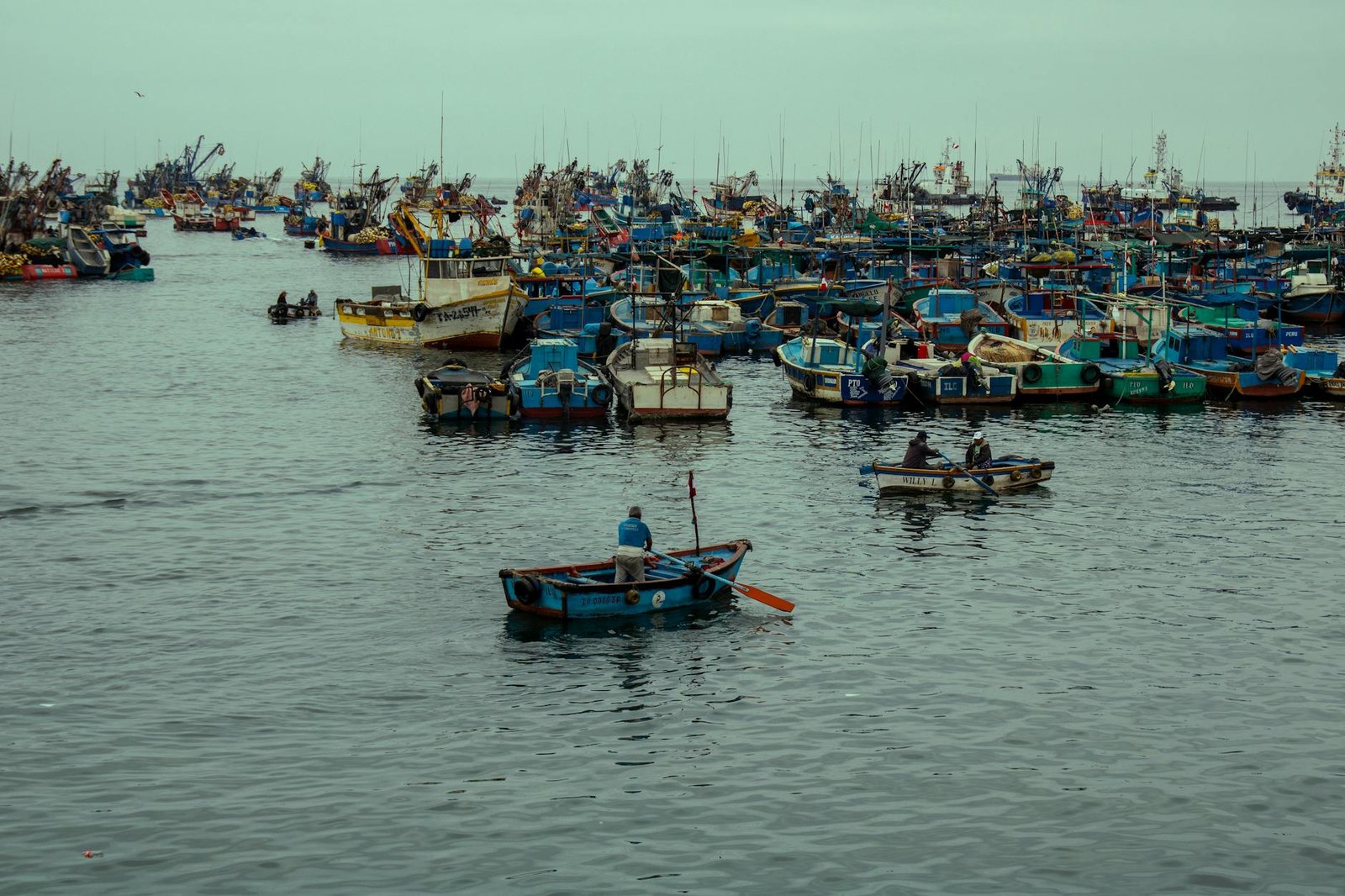
Ilo is a small industrial port on Peru's southern coast, primarily a commercial and fishing hub. It serves as the gateway to the Moquegua wine region and nearby pre-Incan archaeological sites, about 70–90 km inland. Most luxury cruise lines (Seabourn, Silversea, Regent, Lindblad, Ponant) include it as a specialized stop rather than a mainstream port. Ships dock at a pier; the town itself offers little beyond basic supplies and a quiet waterfront. The real appeal is inland: visiting wineries (Tacama, Yaraví), tasting Moquegua varietals, and exploring pre-Incan ruins such as Toquepala or local ceremonial sites. This is not a beach port and not ideal for casual walk-offs. Plan ahead or book excursions in advance.
Top Things To Do
1
Moquegua Wine Region (Tacama & Yaraví Wineries)
Visit Peru's southernmost wine-producing region. Tacama (founded 1540s) and Yaraví offer tastings of Moquegua's unique varietals (Quebranta, Italia, Torontel), vineyard tours, and lunch. Scenic valley views and fascinating colonial-era cellars. A true highlight for wine enthusiasts.
⚡ Popular — books out early. Reserve before you sail.
2
Pre-Incan Ruins (Toquepala & Local Archaeological Sites)
Explore pre-Incan ceremonial and settlement sites dating back 1,000+ years. Toquepala (cave site with pottery and textiles) and nearby ruins offer insight into the Chiribaya culture. Remote, less-visited, and genuinely archaeological rather than tourist-oriented. Often combined with wine tours.
3
Ilo Waterfront & Local Market Walk
Stroll the pier and harborfront, observe fishing activity, visit the small Maritime Museum (basic but authentic), browse the local market for Peruvian crafts, produce, and regional goods. A quiet, authentic slice of working coastal Peru.
Book with the ship, or on your own?
Booking independently
- Often noticeably cheaper than the ship’s version of the same tour.
- Smaller groups and local operators, with traveler reviews you can read before you pay.
- Free cancellation on most tours, usually up to 24 hours before.
When the ship’s excursion makes sense
- Short port calls or long transfers where the timing is tight.
- Tender-only stops where getting ashore can run late.
- The ship waits for its own delayed excursions — it won’t wait for independent ones, so leave a buffer before all-aboard.
We may earn a commission when you book through our links, at no extra cost to you — it’s how we keep these guides free.
Is It Safe?
Ilo is generally safe for tourists and cruise passengers. Crime is low, and the town is quiet and orderly. The main concern is logistical: sparse English, limited signage, and isolated rural roads inland require caution if traveling solo without a guide. If hiring a taxi, use established services or ask your cruise staff for a recommended driver. The Moquegua wine region is safe, but roads are narrow, winding, and poorly lit at night—avoid solo evening travel. Healthcare and pharmacies exist but are basic; serious issues require Arequipa (100+ km away). Stay with organized groups or a trusted guide if unfamiliar with Spanish or the region.
Accessibility & Walkability
Ilo town is relatively flat and walkable, but sidewalks are narrow and uneven in places. The waterfront promenade is accessible. Wineries and archaeological sites are NOT wheelchair-accessible; most involve unpaved terrain, steps, and gates. Toquepala and other ruins require hiking or lengthy walking on uneven ground. If mobility is limited, stick to Ilo waterfront or negotiate limited tours with a private driver who can stay close to flat areas. Public restrooms are scarce outside the town center. Arrange accessible transport well in advance if needed.
Outside the Terminal
Exiting the terminal, you'll see a quiet industrial waterfront with fishing boats and cargo activity. The immediate area is sparse: a few small shops, a taxi stand, and modest buildings. There is no aggressive touting or crowded marketplace. It feels more like a working port than a tourist hub. Walking into town (about 5–10 minutes) leads to a small central plaza, a few restaurants, and a local market. Expect a dry, dusty climate and minimal signage in English. There are no resort-style facilities or beachfront charm; infrastructure is basic.
Beaches Near the Port
Not a beach destination
Ilo is an industrial working port with no recreational beaches. The waterfront is industrial harbor, not beach. If beach access is important, this port is not a match.
Local Food & Drink
Ilo offers simple, unpretentious Peruvian coastal cuisine. Expect ceviche, fresh fish (conger, sole), and rice-based dishes at local restaurants near the market and central plaza. Meals are inexpensive ($5–12 USD) but basic in presentation. Moquegua town has a slightly better selection of restaurants with local wine pairings, especially near the plaza. If you join an organized wine or archaeology tour, lunch is usually included and more refined. Tap water is drinkable in central areas, but bottled water is safer. Spanish menus are the norm; very limited English. Ask your cruise staff to recommend current restaurants or arrange meals as part of a tour.
Shopping
Ilo's market offers regional crafts, textiles, ceramics, and dried goods typical of southern Peru—not high-end souvenirs. Quality is variable. Moquegua town has a small selection of tourist shops near the plaza, selling wine (the best local souvenir), pottery, and weaving. Prices are reasonable but selection is modest. Shopping is not a strong reason to visit this port. Most luxury cruise passengers find better variety in Arequipa or Lima. ATMs and basic shops exist in town, but credit card acceptance is limited outside organized businesses.
Money & Currency
- Currency
- Peruvian Sol (PEN)
- USD Accepted?
- Yes
- Card Payments
- Limited. Cash (USD or Sol) is essential. Cards accepted at larger restaurants and wineries; not reliably at small shops or markets.
- ATMs
- ATMs in Ilo town center (5–10 min walk from port). Reliable but occasionally out of cash; withdraw before shore excursions.
- Tipping
- Not obligatory but appreciated. 5–10% at restaurants if service is included; round up for taxis and guides. Tipping in USD is welcome.
- Notes
- Bring cash (USD or exchange upon arrival). Notify your bank of Peru travel if using cards. Exchange rates are fair in town; avoid exchanging at the port if possible.
Weather & Best Time
- Best months
- May–September (austral autumn/winter): cool, dry, clear skies, ideal for wine touring and archaeology. Daytime 65–75°F (18–24°C), minimal rain.
- Avoid
- December–March (summer): hot, occasional rain, less comfortable for inland touring. Temperatures 75–85°F (24–29°C), humidity higher.
- Temperature
- Most cruises call in May–September. Expect 65–75°F (18–24°C), dry, pleasant conditions.
- Notes
- Ilo is arid and sunny year-round. Bring sunscreen, hat, and water. Inland (Moquegua) is cooler and slightly windier. Evenings are cool; a light jacket is useful.
Airport Information
- Airport
- Rodríguez Ballón International Airport (Arequipa, AQT)
- Distance
- ~140 km (~2.5–3 hours by car)
- Getting there
- Taxi (~$80–120 USD), private driver, or bus (~$15–25 USD, 3+ hours). Most cruise passengers do not use this airport for embarkation/disembarkation; nearby Arequipa is the regional hub.
- Notes
- Ilo does not have a commercial airport. Passengers flying in/out typically arrive in Arequipa and transfer by car. Arrange transport through your cruise line in advance if arriving independently.
Getting Around from the Port
Organized cruise excursion
Wine tours, archaeological tours, or combination packages arranged through your cruise line or partner operator.
Taxi or private car rental
Hire a taxi at the port or arrange a driver through your hotel/agency. Negotiate rate before departure.
Book a transfer 5% off with code TPO5 at checkoutWalking (Ilo town only)
The town center is compact and walkable. Waterfront, market, small museum accessible on foot.
Details last checked April 2026
Check The Port Traffic
Cruise Ships in Port
Once you have your shore plan, use the schedule to see how busy the harbour will be on your date, plus the ships, lines, and published call windows.
Sun
Mon
Tue
Wed
Thu
Fri
Sat
1
2
3
4
5
6
7
8
9
10
11
12
13
14
15
16
17
18
19
20
21
22
23
24
25
26
27
28
29
30
31
Quiet (1–2)
Busy (3–4)
Packed (5+)
0 scheduled calls
August 27, 2026
No scheduled cruise ship calls were found for this date selection. Pick a highlighted day on the calendar above, widen the range, or search for a different ship or line.
Planning a cruise here?
Seabourn, Silversea Cruises, Regent Seven Seas & more sail to Ilo.
Practical Tips for Cruise Passengers
- Book wine and archaeology excursions through your cruise line or a local operator 1–2 days before arrival. Expect limited English-language guides; confirm details in advance.
- Bring cash (USD or Peruvian Sol), sunscreen, a hat, and a water bottle. ATMs are available but not always reliable; withdraw before interior trips.
- If hiring a taxi, negotiate the price and confirm the return time before departure. Use established services or ask your cruise staff for a recommendation. Solo travel without Spanish fluency is risky.
- The port is worth visiting only if you are interested in wine or archaeology. If your interests lie elsewhere (beaches, nightlife, shopping), consider skipping it or booking a short waterfront walk to minimize regret.
Frequently Asked Questions
No. Worthwhile activities (wine, ruins) are 1.5–2 hours inland and require organized transport. In 3–4 hours you can only walk the waterfront and market. Book a full-day excursion or plan to spend 6+ hours ashore.
English is very limited. Taxi drivers, market vendors, and restaurant staff rarely speak English. If joining an organized tour, a guide will speak English. Independent travel is challenging without Spanish or translation apps.
Yes, but it is rushed. Combination tours (6–8 hours) include both a winery and an archaeological site, lunch, and transport. Book through your cruise line or a local operator before arrival for best value and reliability.
Find cruises to Ilo, Peru
Compare sailings and book with no fees — best price guaranteed.
We may earn a commission when you book through our links, at no extra cost to you — it’s how we keep these guides free.
✉ Sailing to Ilo? Get your port-day plan
Tell us your sail date and we’ll email you a short Ilo plan about 60 days out — when the good excursions start selling out — plus a final checklist 2 weeks before. Two emails, then done. We’ll send one note to confirm it’s really you — unsubscribe anytime.
South America
View All
More South America Ports

South America
South America

South America
