


Northern Europe
South America
Porto Seguro Cruise Port Guide: Tender Tips, Things to Do & What to Expect
Brazil
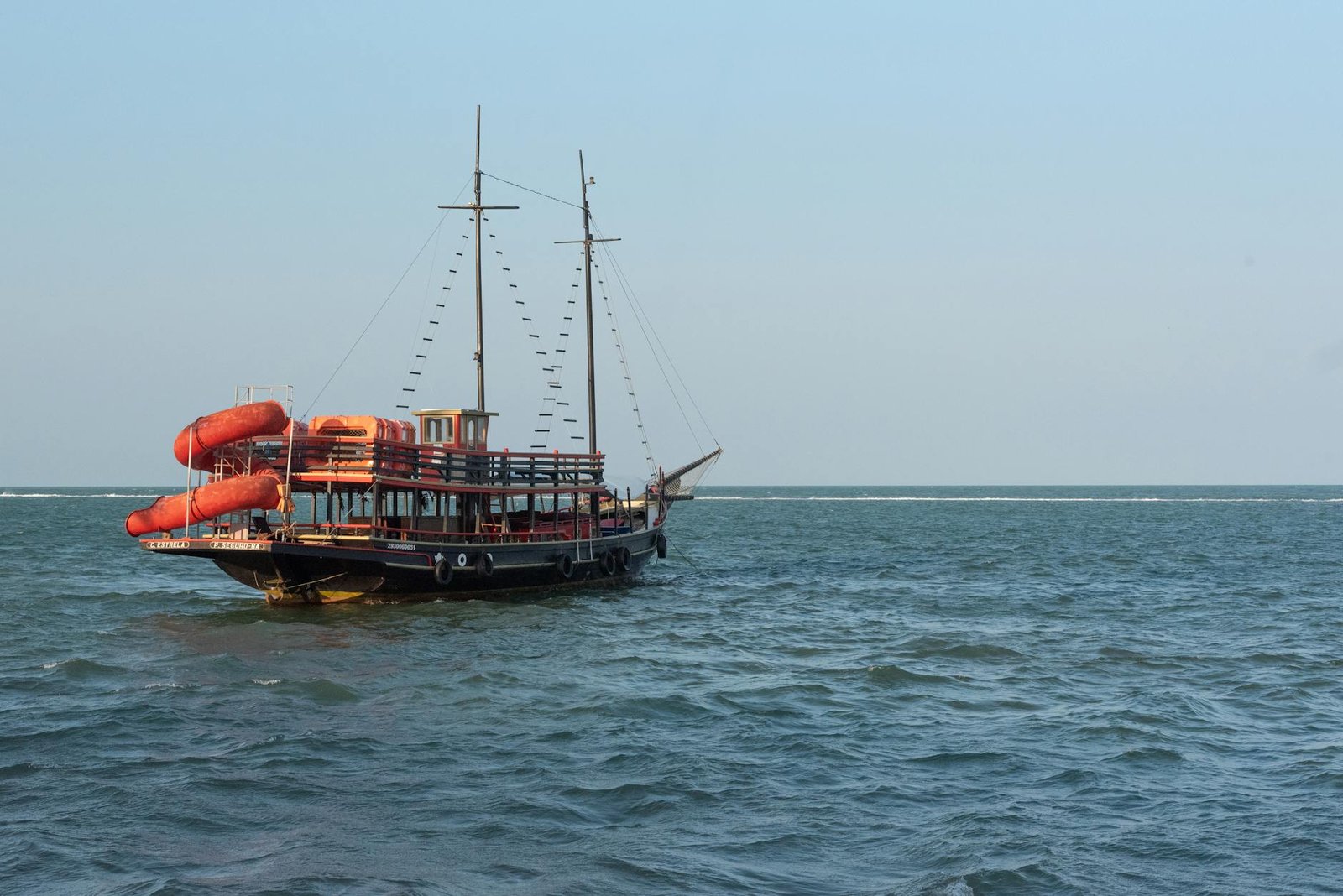
Ships anchor offshore; tenders transport passengers to the town pier.
Choose the Right Port Day
Best Overall
Half day at Praia de Taperapuã reef snorkeling; return in time to clear tender queues before departure.
Best Beach
Praia de Taperapuã: calm, reef-accessible, close to tender landing. Praia do Mutá is larger but requires taxi ($8–12).
With Kids
Praia de Taperapuã for shallow snorkeling; minimal current. Consider a guided beach/reef tour ($40–60 USD) instead of DIY to avoid logistics stress.
Only 3-4 Hours
Tender to Praia de Taperapuã, rent snorkel gear ($15–25), explore reef for 90 min, return to tender. Skip town entirely.
Cheapest Option
Land at tender dock, walk 5 min to Praia de Taperapuã, swim and snorkel free or with rented gear ($15–25). Grab food at beachside stall ($5–8).
What To Avoid
Organized shore excursions sold onboard; local taxi-based reef tours are cheaper and faster. Avoid historic center (Passé Português)—not worth tender time on a short call.
Quick Take
- Port Type
- Scenic Tender Port
- Best For
- Beach time, casual snorkeling, relaxation. Not ideal for major exploration.
- Avoid If
- You need a full-day city experience or have mobility issues; tender queues eat time.
- Walkability
- Beachfront is compact and walkable. Town center is 10–15 min inland on uneven terrain.
- Budget Fit
- Low to mid. Beach time is free; snorkel trips $30–80 USD. Simple meals $5–12 USD.
- Good For Short Calls?
- Good fit. Beach and tender logistics consume most of a 6–8 hour port window.
Top Things To Do
1
Private City Tour in Porto Seguro
Tour of one of the main historical centers of Brazil conducted by a qualified person who understands the place. Enriching experience done outdoors and with a…
1h
2
Private Tour to Trancoso
This unique experience where you will explore a side that no tourist agency offers in the city. There will be some semi-deserted beaches that have a…
6h
Our picks in Porto Seguro
3
Snorkeling at Praia de Taperapuã Reef
Shallow, calm reef just offshore accessible by swimming from the beach. Colorful fish, rays, and coral visible 2–5 m depth. Gear rental available on beach.
4
Beach Time at Praia do Mutá
Quieter, larger beach north of Taperapuã with better sand and fewer vendors. Less crowded than main beach. No reef directly offshore but good for swimming.
5
Passé Português (Historic Center)
Colorful colonial buildings, small museums, and craft shops uphill from the beach. Genuinely historic but requires taxi or 15 min walk on uneven ground. Not practical for short port calls.
Book with the ship, or on your own?
Booking independently
- Often noticeably cheaper than the ship’s version of the same tour.
- Smaller groups and local operators, with traveler reviews you can read before you pay.
- Free cancellation on most tours, usually up to 24 hours before.
When the ship’s excursion makes sense
- Short port calls or long transfers where the timing is tight.
- Tender-only stops where getting ashore can run late.
- The ship waits for its own delayed excursions — it won’t wait for independent ones, so leave a buffer before all-aboard.
Going independent? Compare tours in Porto Seguro → — the best-reviewed ones sell out first.
We may earn a commission when you book through our links, at no extra cost to you — it’s how we keep these guides free.
Check The Port Traffic
Cruise Ships in Port
Once you have your shore plan, use the schedule to see how busy the harbour will be on your date, plus the ships, lines, and published call windows.
Sun
Mon
Tue
Wed
Thu
Fri
Sat
1
2
3
4
5
6
7
8
9
10
11
12
13
14
15
16
17
18
19
20
21
22
23
24
25
26
27
28
29
30
Quiet (1–2)
Busy (3–4)
Packed (5+)
0 scheduled calls
September 15, 2026
No scheduled cruise ship calls were found for this date selection. Pick a highlighted day on the calendar above, widen the range, or search for a different ship or line.
Port Overview
Porto Seguro is a compact beach town on Bahia's southern coast where cruise ships anchor offshore and use tenders. The port is primarily a beach and snorkel destination with minimal city infrastructure; most cruisers spend time on the nearby reef-lined beaches rather than exploring inland. The tender dock empties directly onto a working fishing beach with casual restaurants and tour operators. On a 6–8 hour port day, realistic goals are a few hours of beach time, optional snorkeling, and a simple meal. This is not a cultural or shopping port—it is a straightforward sun-and-swim stop.
Is It Safe?
Porto Seguro is generally safe for tourists in the beachfront zone during daylight. Petty theft (phones, cameras, bags) is the main risk; keep valuables in your cabin or secure pouch. Avoid displaying jewelry or expensive cameras. The town uphill from the beach is less frequented by cruisers and less monitored; stick to the beach and near the tender dock. Police presence is light but visible near the main beach. Do not wander alone after dusk or away from busy areas.
Accessibility & Walkability
The tender dock and Praia de Taperapuã are flat and accessible for wheelchair users and those with limited mobility. The beach itself has soft sand; manual wheelchairs will struggle. Nearby restaurants and shops have variable step/ramp access. Town center is hilly and has poor pavement—not practical for wheelchairs on a short call.
Outside the Terminal
You step directly onto Praia de Taperapuã, a working fishing beach with colorful boats, sand, and casual beach bars. The area is loud, informal, and busy; dozens of local tour operators and taxi drivers will approach you immediately. Ignore high-pressure pitches and walk down-beach to quieter spots or established restaurants if desired. Beach setup is basic—vendors, sun loungers for rent ($3–5), shade huts ($5–10).
Beaches Near the Port
Praia de Taperapuã
Working fishing beach with calm, shallow water and reef. Busy, informal, many vendors and tour operators. Safe for snorkeling; shallow entry is ideal for children.
Praia do Mutá
Larger, quieter beach with soft sand and gentle water. No reef. Better for traditional beach time, fewer vendors, more relaxed vibe.
Local Food & Drink
Casual beachside restaurants and stalls cluster around Praia de Taperapuã. Typical meals: grilled fish, shrimp plates, moqueca (fish stew), rice, beans, fresh juice. Expect $8–15 USD for a main dish. Snack vendors sell pastéis (fried pastry), tapioca, and tropical fruit. Quality is casual and variable; stick to busy, popular spots. Seafood is safe and fresh; avoid raw items from street stalls. Inland restaurants in Passé Português offer similar fare at similar prices but require time to reach.
Shopping
Beach vendors sell typical tourist items: sarongs, hats, sunglasses, cheap jewelry, local crafts. Passé Português has small boutiques and craft shops but is not worth a short port visit. No large malls. Shopping is incidental, not a reason to visit.
Money & Currency
- Currency
- Brazilian Real (BRL)
- USD Accepted?
- Yes
- Card Payments
- Major cards accepted at restaurants and shops; not all beach vendors take cards. Expect cash-only for stalls and small operators.
- ATMs
- ATM near tender dock area; limited options. Withdraw cash onboard or in advance.
- Tipping
- Not mandatory but 10% appreciated at restaurants. Beach vendors do not expect tips.
- Notes
- USD is widely accepted but rates are unfavorable. Real is better value. Carry small bills; change-making can be slow or incorrect.
Weather & Best Time
- Best months
- May–September (cooler, drier, less rain)
- Avoid
- December–March (hot, humid, rainy)
- Temperature
- Warm year-round; 75–85°F (24–29°C). Sea temp 75–82°F (24–28°C).
- Notes
- Winter (Southern Hemisphere) is shoulder season; brief afternoon rain is common. Reef visibility best in drier months.
Airport Information
- Airport
- Porto Seguro Airport (BPS)
- Distance
- 28 km (30 min drive)
- Getting there
- Taxi ~$25–40 USD. No bus or shuttle service to port; arrange transfer in advance.
- Notes
- Small, regional airport. Not practical for typical cruise turnarounds; embarkation/disembarkation usually happens at port direct.
Getting Around from the Port
Tender
Ships anchor ~1 km offshore. Tenders run continuously but queues are common, especially near departure. Factor 30–45 min round-trip tender time into your plan.
Taxi
Taxis await at tender dock. Reliable for short hops to other beaches or town center. Negotiate fare in advance or ask your tender operator for estimates.
Book a transfer 5% off with code TPO5 at checkoutWalking
Beachfront is walkable (5–10 min to adjacent beaches). Town center uphill, uneven pavement, not recommended on short call.
Details last checked April 2026
Planning a cruise here?
Silversea Cruises sail to Porto Seguro.
Practical Tips for Cruise Passengers
- Tender queues are worst near the final all-aboard time (typically 90 min before departure). Plan to return no later than this window.
- Book snorkel or beach tours with local operators on the beach, not onboard; prices are 30–50% cheaper and you control timing.
- The reef at Taperapuã is shallow and forgiving; good for first-time snorkelers. Visibility is best in morning light.
- Bring reef-safe sunscreen and reapply often; sun exposure on white sand is intense. Leave plastic bags and jewelry in your cabin to avoid loss in the water.
Frequently Asked Questions
Tender ride is 5–10 min each way. Factor 30–45 min total for tender queues. On a 6–8 hour port day, you have roughly 4–5 hours ashore. This is enough for 1.5–2 hours of reef snorkeling plus beach time.
Yes. Praia de Taperapuã reef is shallow (2–5 m), calm, and close to shore. Beginners and children do well here. Rent child-sized snorkel gear on the beach; no certification required.
Go independent. Local beach operators and taxis are faster and 30–50% cheaper. The trade-off is less hand-holding but you control your time better on a short call.
Find cruises to Porto Seguro, Brazil
Compare sailings and book with no fees — best price guaranteed.
We may earn a commission when you book through our links, at no extra cost to you — it’s how we keep these guides free.
✉ Sailing to Porto Seguro? Get your port-day plan
Tell us your sail date and we’ll email you a short Porto Seguro plan about 60 days out — when the good excursions start selling out — plus a final checklist 2 weeks before. Two emails, then done. We’ll send one note to confirm it’s really you — unsubscribe anytime.
Same itinerary network
View All
Ports Often Paired With Porto Seguro

South America
Africa & Middle East
South America
