


Mediterranean
Mediterranean
Catania Cruise Port Guide: Things to Do, Mount Etna & Practical Tips
Italy
Catania cruise terminal is located at Porto di Catania with direct pier access to the city center.
Choose the Right Port Day
Best Overall
A half-day Mount Etna excursion combined with 90 minutes in the city centre — this covers what makes Catania genuinely different from any other Mediterranean stop.
Best Beach
La Playa is the nearest beach (about 2 km from port) but it's urban and crowded. For better water, head to Aci Trezza or Aci Castello by bus or taxi — worth it only if you have 5+ hours ashore.
With Kids
Take a taxi or organised excursion to the lower slopes of Mount Etna — the lunar landscape and cable car ride hold kids' attention well, and it's back in under half a day.
Only 3-4 Hours
Walk straight to Piazza del Duomo (15 minutes from port), see the Fontana dell'Elefante, grab an arancino from a street vendor, then stroll Via Etnea for shopping and Baroque facades. Done in 3 hours without a taxi.
Cheapest Option
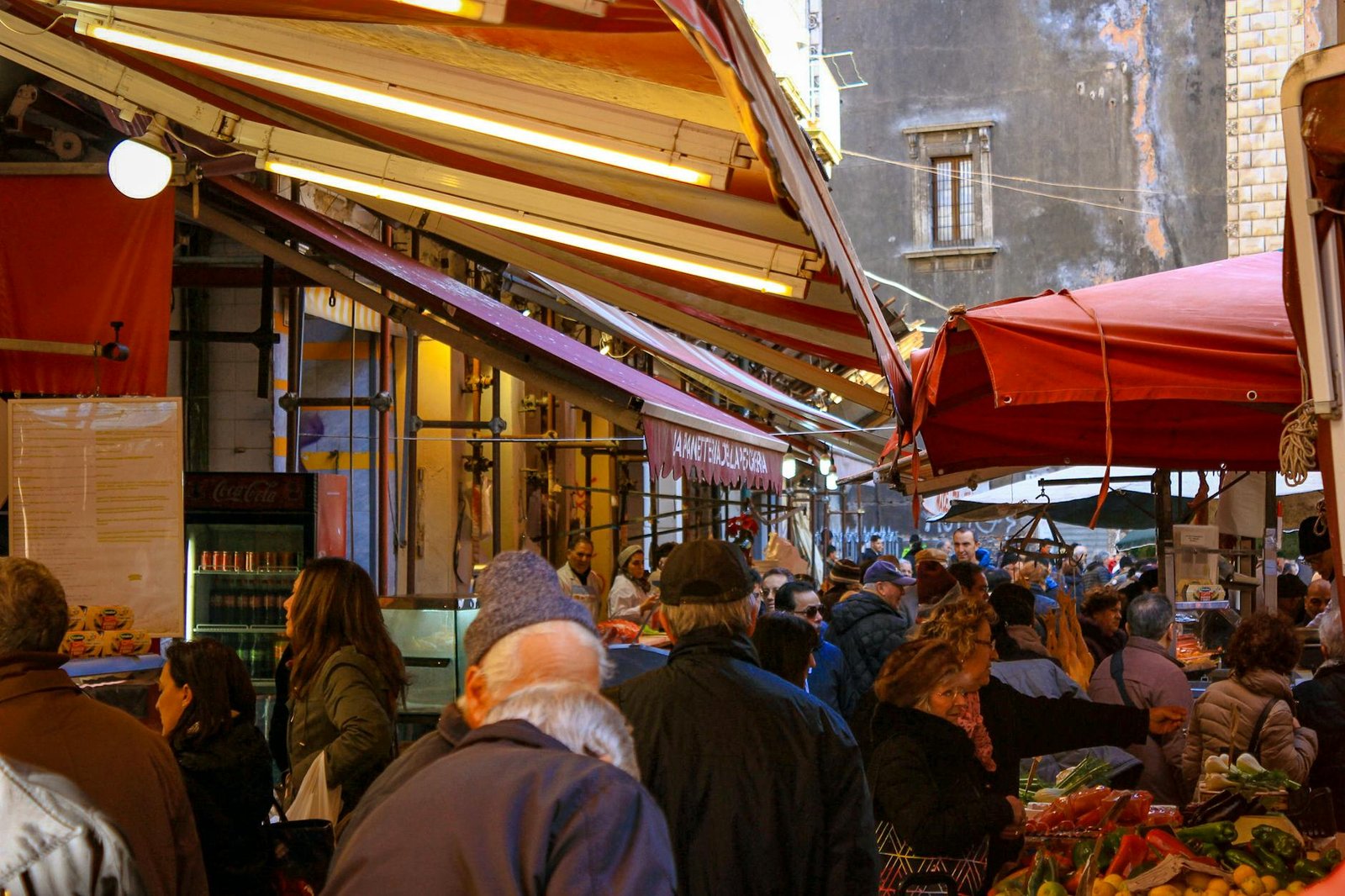
Walk the city centre, visit Piazza del Duomo and the fish market (La Pescheria), eat arancini and granita from street stalls. Total spend well under $15 USD.
What To Avoid
Don't pay premium prices for the ship's organised city walking tour — you can do the same walk independently for free. Also avoid spending your whole day at La Playa beach; it's not worth the trade-off when Mount Etna is right there.
Quick Take
- Port Type
- City Port with Volcanic Excursion Hub
- Best For
- History lovers, foodies, Mount Etna hikers, and anyone wanting a real Sicilian city experience
- Avoid If
- You want a relaxing beach day without any effort or transit
- Walkability
- High — the historic baroque center is compact and very walkable from the port
- Budget Fit
- Good — street food, free piazzas, and public transport keep costs low if you skip organised tours
- Good For Short Calls?
- Yes — the city center alone fills 3-4 hours comfortably
Top Things To Do
1
Etna Morning Trip
Amazing excursion giving you the chance to discover different aspects of the highest volcano in Europe. Live your dream with trekking, lava flow cave exploration and…
6h
2
Etna Tour in 4x4 or MiniVan
This excursion includes an itinerary in stages to let you know and appreciate places of particular natural value within the reserve of the Etna Park up…
5h
Our picks in Catania
3
Mount Etna Lower Slopes & Cable Car
Europe's highest active volcano and Catania's defining landmark. Take a taxi or tour to Rifugio Sapienza, ride the cable car, and walk the lunar crater landscape. Even if you don't summit, the scenery is extraordinary and unlike anything else in the Mediterranean.
4
Piazza del Duomo & Fontana dell'Elefante
Catania's central square is one of Sicily's finest baroque set-pieces. The elephant fountain — the city's symbol — sits in front of the Cathedral of Sant'Agata. It's free, compact, and worth at least 30 minutes of your time.
5
La Pescheria (Fish Market)
Catania's famous morning fish market is loud, chaotic, visually spectacular, and completely authentic. Vendors sell swordfish, sea urchins, and everything in between. Go before noon — it winds down after that. Best experienced without a tour guide in your ear.
Show 3 more things to do in Catania
6
Via Etnea Walk
Catania's main shopping and strolling street runs north from the Duomo with Mount Etna perfectly framed at the end. Baroque architecture, gelato shops, boutiques, and street food line the route. A good way to fill time without spending much.
7
Roman Theatre (Teatro Romano)
A 2nd-century Roman theatre embedded in the middle of the city — partly excavated, partly surrounded by inhabited buildings. Atmospheric, well-preserved, and cheap to enter. An easy add-on to a city walk.
8
Taormina Day Trip
If Catania is your only Sicilian stop, some cruisers use the day to reach Taormina by train or taxi (about 50 min). It's one of Sicily's most scenic hilltop towns with a Greek theatre and stunning coastal views. Ambitious but doable if you leave early.
Book with the ship, or on your own?
Booking independently
- Often noticeably cheaper than the ship’s version of the same tour.
- Smaller groups and local operators, with traveler reviews you can read before you pay.
- Free cancellation on most tours, usually up to 24 hours before.
When the ship’s excursion makes sense
- Short port calls or long transfers where the timing is tight.
- Tender-only stops where getting ashore can run late.
- The ship waits for its own delayed excursions — it won’t wait for independent ones, so leave a buffer before all-aboard.
Going independent? Compare tours in Catania → — the best-reviewed ones sell out first.
We may earn a commission when you book through our links, at no extra cost to you — it’s how we keep these guides free.
Check The Port Traffic
Cruise Ships in Port
Once you have your shore plan, use the schedule to see how busy the harbour will be on your date, plus the ships, lines, and published call windows.
Sun
Mon
Tue
Wed
Thu
Fri
Sat
1
1 ship
2
3
4
2 ships
5
1 ship
6
7
1 ship
8
2 ships
9
10
11
12
1 ship
13
14
1 ship
15
1 ship
16
17
18
19
1 ship
20
21
1 ship
22
1 ship
23
24
25
26
27
28
29
1 ship
30
Quiet (1–2)
Busy (3–4)
Packed (5+)
0 scheduled calls
September 6, 2026
No scheduled cruise ship calls were found for this date selection. Pick a highlighted day on the calendar above, widen the range, or search for a different ship or line.
Port Overview
Catania docks at a working commercial pier in the port of Catania, roughly 1.5 km from the historic city centre. The walk into town is straightforward along the waterfront, and most of the main attractions — piazzas, markets, churches, and Via Etnea — are within a compact, flat area that takes under 20 minutes to cross on foot.
The city is genuinely interesting. Rebuilt almost entirely in volcanic black basalt and white limestone after a catastrophic 1693 earthquake, Catania is one of Italy's finest Baroque cities and a UNESCO World Heritage Site. That said, it doesn't feel like a polished tourist trap — it's a real, working Sicilian city with a messy fish market, loud traffic, and excellent cheap street food.
Mount Etna is the headline draw. Europe's most active volcano looms over the city and the lower slopes are accessible within 45-60 minutes by road. Most cruisers who come to Catania at least partly come for Etna, and it's worth it. Budget the full day if you want to ride the cable car and walk higher terrain.
Catania works well for independent travellers. Public transport is functional, taxis are available at the port, and the city rewards walking. It's not a port you should skip or phone in.
Is It Safe?
Catania has a reputation for petty theft — pickpocketing and bag snatching are the main concerns, particularly around the fish market (La Pescheria), crowded piazzas, and the train station. Keep bags zipped and in front of you, don't leave cameras or phones on café tables, and be alert in narrow side streets.
The city is not dangerous in the sense of physical threat to tourists, but it's not perfectly polished either. Some streets off the main drag feel rough and poorly maintained. Stick to the main tourist corridor — Via Etnea, Piazza del Duomo, the fish market area — and you'll be fine. Evening areas near the port can feel deserted if you're back late, so take a taxi rather than walking alone after dark.
Accessibility & Walkability
The city centre is largely flat and walkable, which is good news for mobility-limited passengers. However, Catania's basalt stone streets are uneven and cobbled in many areas, making wheelchair navigation genuinely difficult. The fish market and side streets around the Duomo are particularly rough underfoot.
Mount Etna in any meaningful form is not accessible for wheelchair users or those with significant mobility limitations — the terrain is volcanic rock and steep. The cable car base involves walking on uneven ground. Passengers with limited mobility are best served by a taxi to the city centre and a table at a good restaurant.
Outside the Terminal
The port gate opens onto a fairly typical working port approach — not scenic, but not intimidating. There's usually a row of taxi drivers and a few tour operator reps immediately outside. From the gate, you can see the direction of the city and the walk is obvious enough along the waterfront. There's no particular market or vendor chaos right outside the terminal, which is a relief. Within 5 minutes of walking you'll start to feel the city proper.
Beaches Near the Port
La Playa
Urban beach right by the city, convenient but unremarkable. Crowded in summer, water quality is average. Fine if beach is a priority and you're short on time, but don't go out of your way.
Aci Trezza / Aci Castello
Small towns north of Catania with cleaner water, volcanic rock formations, and a more genuine Sicilian beach feel. Lido-style beaches with fee entry. Noticeably better than La Playa for the water itself.
Local Food & Drink
Catania's food scene is one of the strongest arguments for going ashore. Arancini (fried rice balls, stuffed with ragù, cheese, or spinach) are the essential street food — buy from any busy friggitoria near the market for around $2-3 USD each. Granita con brioche — a flavoured semi-frozen drink served with a pillowy brioche — is the classic Catanese breakfast and shouldn't be skipped even if you eat late.
For a sit-down meal, the streets around Piazza del Duomo and Via Etnea have decent trattorie serving pasta alla Norma (the city's signature dish: pasta with fried aubergine and salted ricotta) and fresh seafood. Avoid anywhere with photos on the menu right on the tourist piazza — walk a block or two and the prices drop noticeably.
Street food alone can easily fill your appetite for under $10 USD total. Don't feel obliged to do a full restaurant sit-down unless you have time to spare.
Shopping
Via Etnea is the main shopping artery — mix of Italian chains, ceramics shops, and local boutiques. Sicilian ceramics (particularly the colourful decorative pieces from nearby Caltagirone) make good souvenirs and are widely available. The fish market also has vendors selling candied fruit, spices, and local produce.
Shopping is not a primary reason to come to Catania, but if you want to pick something up, stick to ceramics and food products (local pistachios, dried oregano, preserved tuna) rather than generic tourist tat. Prices are fair by Italian standards.
Money & Currency
- Currency
- Euro (EUR)
- USD Accepted?
- No
- Card Payments
- Good in restaurants, hotels, and larger shops. Street food vendors and market stalls are often cash only.
- ATMs
- Multiple ATMs near Piazza del Duomo and along Via Etnea. Use bank-affiliated ATMs over standalone machines.
- Tipping
- Not mandatory in Italy. Rounding up or leaving $1-2 USD at a café or restaurant is appreciated but not expected.
- Notes
- Carry some cash for the fish market, street food, and small purchases. Most taxis prefer cash.
Weather & Best Time
- Best months
- April to June and September to October — warm, dry, and manageable crowds
- Avoid
- July and August — intensely hot (35°C+), very crowded, and Etna excursions are uncomfortable in peak heat
- Temperature
- 20-32°C (68-90°F) depending on month
- Notes
- Mount Etna can be significantly cooler and windy even when the city is hot — bring a light layer if you're heading up. Rain is rare in summer but spring and autumn can bring brief showers.
Airport Information
- Airport
- Catania Fontanarossa Airport (CTA)
- Distance
- Approximately 6 km from the cruise port
- Getting there
- Taxi (10-15 min, check locally for current rates), Alibus airport express bus to city centre, or pre-arranged private transfer
- Notes
- If your cruise starts or ends in Catania, the short airport distance makes pre- or post-cruise stays very practical. The airport is manageable in size and well-connected to mainland Italy and European hubs.
Getting Around from the Port
Walking
The port gate is roughly a 15-20 minute walk from Piazza del Duomo along a flat waterfront road. The entire historic centre is walkable once you're in.
Taxi
Taxis wait at the port gate. Quick and easy for families or groups heading directly to the city or a restaurant.
Book a transfer 5% off with code TPO5 at checkoutPublic Bus (AMT)
City buses run from near the port into the centre and beyond. Bus 457 and others serve key stops including the train station and central piazzas.
Book bus ticketsTaxi or Private Transfer to Mount Etna
Taxis and private drivers offer round trips to the Etna cable car base station (Rifugio Sapienza). Negotiate return pick-up time in advance.
Book a transfer 5% off with code TPO5 at checkoutShore Excursion Bus
All major cruise lines offer Mount Etna and Catania city tours. Convenient but significantly more expensive than going independently.
Book bus ticketsDetails last checked April 2026
Planning a cruise here?
Costa Cruises, Norwegian Cruise Line, AIDA Cruises & more sail to Catania.
Practical Tips for Cruise Passengers
- Book Mount Etna cable car tickets in advance during peak season (June-September) — queues can be long and capacity is limited.
- The fish market (La Pescheria) is best before 11am; by early afternoon it's largely over and vendors are packing up.
- Granita con brioche is the correct Catanese breakfast — order it at any pasticceria near the Duomo for $3-5 USD and you'll understand the fuss.
- If you're heading to Taormina independently, the train from Catania Centrale station is reliable and cheap — buy tickets at the station or Trenitalia app before you go.
- Confirm your ship's all-aboard time carefully before booking an Etna excursion independently — traffic back to port can be slower than expected and the mountain runs on its own schedule.
- Wear comfortable shoes with grip for any Etna walking — volcanic rock is sharp and uneven even on well-trodden paths.
Frequently Asked Questions
Yes, it's about a 15-20 minute flat walk along the waterfront from the port gate to Piazza del Duomo. The route is straightforward and there's no need for a taxi unless you're short on time or mobility is a concern.
Yes, if you have a full day ashore and go early. The cable car and crater walk take 2-3 hours on the mountain plus 45-60 minutes each way by road. Factor timing carefully against your all-aboard time.
Generally yes, but petty theft is a real issue in crowded areas like the fish market and Piazza del Duomo. Keep bags close, don't flash expensive gear, and use common sense — the city is not dangerous but it's not carefree either.
It's possible but only realistic if your ship is in port for a full day and you leave early. The train takes about 50 minutes each way; budget at least 4-5 hours minimum in Taormina to make it worthwhile.
Arancini (fried stuffed rice balls) and granita con brioche are the two essentials — both are cheap, widely available, and genuinely excellent here. The fish market area has some of the best vendors.
Find cruises to Catania, Italy
Compare sailings and book with no fees — best price guaranteed.
We may earn a commission when you book through our links, at no extra cost to you — it’s how we keep these guides free.
✉ Sailing to Catania? Get your port-day plan
Tell us your sail date and we’ll email you a short Catania plan about 60 days out — when the good excursions start selling out — plus a final checklist 2 weeks before. Two emails, then done. We’ll send one note to confirm it’s really you — unsubscribe anytime.
Same itinerary network
View All
Ports Often Paired With Catania

Mediterranean

Mediterranean
Mediterranean
