


South America
South America
Recife Cruise Port Guide: Things to Do & Practical Tips
Brazil
Modern container terminal with dedicated cruise facilities in the Port of Recife.
Choose the Right Port Day
Best Overall
Recife Antigo: colonial architecture, plazas, riverside walks, and authentic local eating are the real draw; give it 3 hours, eat well, skip standard beach time unless you have 6+ hours.
Best Beach
Boa Viagem is closest and most accessible (~3 km); calm, urban, crowded. Serrambi (~45 km south) offers reefs and clearer water but needs 2 hours each way.
With Kids
Recife Antigo old town is short, manageable, photo-friendly. Alternatively, head to Boa Viagem beach for a swim and snack; safer and less walking than inland exploration.
Only 3-4 Hours
Grab a taxi to Recife Antigo, walk the colonial plazas and narrow streets (1.5 hrs), lunch at a local boteco (seafood or casual Brazilian fare), return to port. Skip everything else.
Cheapest Option
Walk the port perimeter, find a local lanchonete (snack bar) for $3–5 lunch, take a shared taxi to Boa Viagem beach for a dip ($2–4), return. Total ~$8–12.
What To Avoid
Don't wander far inland from Recife Antigo after dark or alone; petty theft is real. Skip Boa Viagem if you only have 3 hours—travel time eats your day.
Quick Take
- Port Type
- Urban port with colonial charm and beach access
- Best For
- History buffs, urban explorers, travelers comfortable with city transit; decent for families with a plan
- Avoid If
- You want resort-style relaxation or all-day beach lounging; port crowds and heat can be intense
- Walkability
- Old town (Recife Antigo) is very walkable; rest of port area is sprawling; taxis/Uber needed for most activities
- Budget Fit
- Low to moderate; beaches free, colonial strolls free, meals and transit cheap
- Good For Short Calls?
- Good; focus on Recife Antigo or one beach and eat locally
Top Things To Do
1
Shared transport from Recife to Porto de Galinhas
All services can be customized according to the customer's preference. New and comfortable cars, qualified drivers to serve you in the best possible way. On board…
50m
2
Private Transport from Recife to Maragogi
We offer a personalized service for each client according to their needs. Always in search of your total satisfaction.
2h
Our picks in Recife
3
Recife Antigo (Old Town) Walk
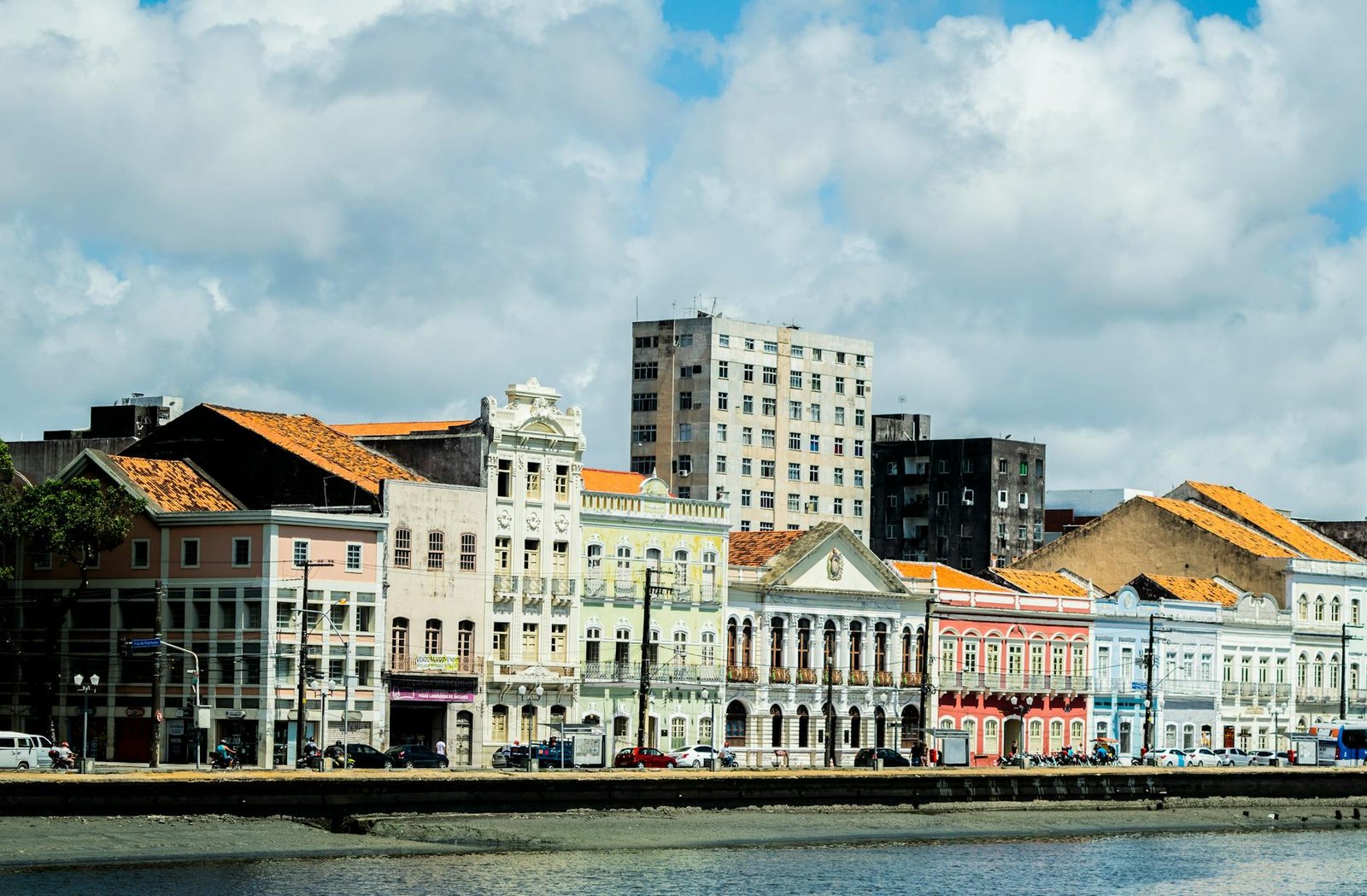
Compact historic district with colorful 17th-century buildings, plazas (Praça da República, Praça do Marco Zero), churches, and museums (Museu de Arte Sacra, Museu do Homem do Nordeste). Riverside promenade is charming; street vendors and small bars dot the streets. Most worthwhile activity in the port.
4
Boa Viagem Beach
Urban beach 3 km south, calm and warm year-round. Patrolled, lined with cafés and restaurants. Good for a quick swim and snack, but crowded and not pristine. Bring a towel or rent one locally.
5
Local Food Tour or Boteco Lunch
Stop at a local boteco (casual bar-restaurant) for fresh seafood, ceviche, or regional Brazilian snacks. Portions are generous, prices are low, and the atmosphere is authentic local life. Better than tourist restaurants.
Book with the ship, or on your own?
Booking independently
- Often noticeably cheaper than the ship’s version of the same tour.
- Smaller groups and local operators, with traveler reviews you can read before you pay.
- Free cancellation on most tours, usually up to 24 hours before.
When the ship’s excursion makes sense
- Short port calls or long transfers where the timing is tight.
- Tender-only stops where getting ashore can run late.
- The ship waits for its own delayed excursions — it won’t wait for independent ones, so leave a buffer before all-aboard.
Going independent? Compare tours in Recife → — the best-reviewed ones sell out first.
We may earn a commission when you book through our links, at no extra cost to you — it’s how we keep these guides free.
Check The Port Traffic
Cruise Ships in Port
Once you have your shore plan, use the schedule to see how busy the harbour will be on your date, plus the ships, lines, and published call windows.
Sun
Mon
Tue
Wed
Thu
Fri
Sat
1
2
3
4
5
6
7
8
9
10
11
12
13
14
15
16
17
18
19
20
21
22
23
24
25
26
27
28
29
30
Quiet (1–2)
Busy (3–4)
Packed (5+)
0 scheduled calls
September 22, 2026
No scheduled cruise ship calls were found for this date selection. Pick a highlighted day on the calendar above, widen the range, or search for a different ship or line.
Port Overview
Recife is a working port city in northeast Brazil; ships dock at a modern pier in the port area, about 3–4 km from the main attractions. The city is famous for colonial-era Recife Antigo (the old town), a UNESCO-listed riverside district with 16th–17th-century architecture, plazas, and museums. It's not a beach resort town—it's a genuine urban port with local life, heat, and character. Most cruisers either make a quick colonial walk or head to nearby Boa Viagem beach; a few push south to more pristine reefs. Weather is hot and humid year-round; rain showers are common but brief. Port days here work best if you're prepared for urban heat and short walking distances, or if you're willing to spend 30–45 minutes in transit to quieter beaches or colonial interiors.
Is It Safe?
Recife Antigo is well-patrolled and busy during daylight; stick to main plazas and riverside walks, and you'll be fine. Boa Viagem beach is monitored and popular, but petty theft (bags, phones) happens—don't leave valuables unattended. Avoid walking inland or into residential areas after dusk, and avoid openly displaying cash or expensive jewelry. The port area itself is industrial; don't linger there. Overall, use common sense (as you would in any major city), stay aware, and you'll have a safe shore day.
Accessibility & Walkability
Recife Antigo has narrow, uneven cobblestone streets and some stairs; wheelchair access is limited to main plazas and newly renovated areas. Boa Viagem beach has flat access and some facilities. The port-to-town taxi/Uber ride is necessary; there is no accessible public transit. If mobility is an issue, confirm your taxi or Uber driver can assist, and plan for shorter walking routes or beach time rather than colonial exploration.
Outside the Terminal
Exit the cruise terminal and you're in a busy industrial port zone with warehouses, local vendors, and taxi stands. The area is loud, hot, and not interesting to linger in. Head straight to a taxi or Uber stand (clearly marked) and get to Recife Antigo or your chosen beach; don't waste time exploring the port perimeter.
Beaches Near the Port
Boa Viagem
Urban beach, calm waters, patrolled by lifeguards, lined with bars and restaurants. Safe and accessible but crowded and not scenic. Good for a quick dip and snack.
Serrambi (also Praia de Serrambi)
Quieter, more scenic beach south of the city with natural reefs, snorkeling, and less urban crowding. Clearer water and more sand. Requires ~45 min each way; realistic only for longer port days.
Local Food & Drink
Recife's local food is excellent and cheap. Try moqueca (fish stew), ceviche, or grilled fish at a boteco (casual bar-eatery) near Recife Antigo; most meals cost $8–12 USD. Beach areas (Boa Viagem) have tourist-oriented restaurants charging $15–30 USD for the same dish. Street snacks like tapioca, pão de queijo (cheese bread), and acarajé (fried bean fritters) are $2–4 USD and delicious. Tap water is safe; stick to bottled water if your stomach is sensitive. Local beer is cold and cheap.
Shopping
Recife Antigo has small shops selling local crafts, textiles, and souvenirs; prices are fair and haggling is light. Boa Viagem has a modern shopping mall (Shopping Recife) if you need chain stores or formal shopping, but it's overpriced and worth skipping on a short port day. Street vendors at the beach sell sarongs, jewelry, and trinkets—negotiate gently. Don't expect significant savings or unique high-end goods.
Money & Currency
- Currency
- Brazilian Real (BRL)
- USD Accepted?
- No
- Card Payments
- Visa and Mastercard widely accepted in tourist areas, Antigo, and beaches; smaller boteco may cash-only
- ATMs
- ATMs abundant in Antigo and Boa Viagem; withdraw cash before exploring inland
- Tipping
- 5–10% in restaurants; small change for porters and guides
- Notes
- Exchange rates at port are poor; withdraw from ATM if possible or exchange before arrival. Credit cards are safe but many local eateries prefer cash.
Weather & Best Time
- Best months
- October to March (drier, slightly cooler)
- Avoid
- April to September (rainy season, afternoon downpours)
- Temperature
- 28–32°C (82–90°F), humid
- Notes
- Heat and humidity are intense year-round. Brief afternoon showers common but rarely ruin a day. Bring sunscreen, hat, and light, breathable clothing. UV is strong.
Airport Information
- Airport
- Gilberto Freyre International Airport (REC)
- Distance
- 10 km northeast
- Getting there
- Taxi ($15–25 USD), Uber ($12–20 USD), shared shuttle ($8–12 USD if booked ahead). ~20–30 min depending on traffic.
- Notes
- Useful for pre-cruise stays or embarkation; not practical for same-day port exploration.
Getting Around from the Port
Taxi or Uber
Safest and easiest. Taxis queue at port; Uber works in Recife. Most rides to Recife Antigo or Boa Viagem cost $8–15 USD.
Check Uber fareWalking from port
The port area itself is industrial and not scenic. Recife Antigo is walkable once you arrive, but getting there on foot is not practical (3+ km, no clear pedestrian route).
Shared minibus or local bus
Cheap but slow, crowded, and route literacy required. Not beginner-friendly for short port days.
Book a transfer 5% off with code TPO5 at checkoutDetails last checked April 2026
Planning a cruise here?
Costa Cruises, Seabourn, Viking Ocean Cruises & more sail to Recife.
Practical Tips for Cruise Passengers
- Recife Antigo is the must-do; dedicate 2–3 hours there and skip standard tourist beaches if time is tight.
- Taxis and Uber are mandatory—the port is not walkable to attractions, and public transit is slow. Have your driver's number if using a taxi.
- Eat at a local boteco near Antigo, not a restaurant; food is half the price and twice as authentic.
- Bring a small daypack, sunscreen, and a hat; the sun is relentless and shade is sparse on colonial walks.
Frequently Asked Questions
Taxi or Uber: 10–20 minutes depending on traffic. Walking is not practical (3+ km, no good pedestrian route). Head straight to a taxi stand outside the terminal.
Yes, if you stick to Recife Antigo, Boa Viagem, and use taxis/Uber after dark. Avoid wandering inland alone at night, and don't display valuables. Daytime is safe and busy.
Not realistically. Serrambi (the best reef beach) is 45 km away; you'd spend 1.5+ hours in transit. Pick one: Antigo if culture matters, Boa Viagem if you want a beach and quick food.
Find cruises to Recife, Brazil
Compare sailings and book with no fees — best price guaranteed.
We may earn a commission when you book through our links, at no extra cost to you — it’s how we keep these guides free.
✉ Sailing to Recife? Get your port-day plan
Tell us your sail date and we’ll email you a short Recife plan about 60 days out — when the good excursions start selling out — plus a final checklist 2 weeks before. Two emails, then done. We’ll send one note to confirm it’s really you — unsubscribe anytime.
Same itinerary network
View All
Ports Often Paired With Recife

South America

Africa & Middle East
South America
