

Asia
Asia
Sakaiminato Cruise Port Guide: Izumo Taisha & Manga Museums
Japan
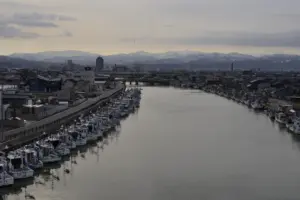
Ships dock directly at Sakaiminato Port with modern facilities and easy access to the city center.
Choose the Right Port Day
Best Overall
Izumo Taisha shrine is Japan's second-most important Shinto shrine and genuinely worth the 30 min taxi ride. Combine with a quick town manga museum visit on return if time allows.
Best Beach
Not a beach port. Small waterfront parks exist but not worth a port visit focus.
With Kids
Manga Museum (GeGeGe no Kitarō focus) in town is quirky and manageable; combine with a casual ramen or tonkatsu lunch nearby. 2–3 hours total.
Only 3-4 Hours
Skip town exploration; take taxi or shuttle directly to Izumo Taisha shrine (30 min), spend 90 min there, return. Budget ~3,500–4,500 JPY return transport.
Cheapest Option
Walk to town center, visit one of the two manga museums (¥500–700), eat local ramen (¥800–1,200), bus back to port. Total ~2,000–2,500 JPY.
What To Avoid
Don't expect extensive English signage or formal shore excursions at the terminal; don't assume you can walk everything. Avoid relying on Google Maps for local transit—ask the port for a current bus schedule.
Quick Take
- Port Type
- Cultural & Shrine Access
- Best For
- Shrine visitors, manga fans, cultural explorers, passengers seeking authentic rural Japan
- Avoid If
- You want beaches, nightlife, or extensive shopping; limited English and compact offerings suit organized cruisers only
- Walkability
- Port area is compact and flat; town center ~1 km walk or short bus ride; NOT a walkable city port
- Budget Fit
- Budget-friendly; shrine entry free, museum ¥500–700, local transit ~¥150–300
- Good For Short Calls?
- Yes; plan 4–5 hours for one main attraction plus town exploration
Top Things To Do
1
Art and Gardens of Sakaiminato by Private Car
Enjoy the natural beauty and artistic charm of the Sakaiminato area on this relaxing private vehicle tour. Visit Yuushien Garden, a peaceful Japanese garden with elegant…
8hFree cancellation
2
Sakaiminato Private Tour for Shore Excursion
This is a private day tour in Hiroshima for shore excursion travelers! There are a couple of options that one of would fit your needs! With…
7h
Our picks in Sakaiminato
3
Izumo Taisha Grand Shrine
Japan's second-holiest Shinto shrine, dedicated to Ōkuninushi (god of marriage and fortune). Stunning architecture, ancient cedar groves, peaceful grounds. Famous for January wedding ceremonies. Entry is free; atmosphere is serene and genuinely spiritual.
4
GeGeGe no Kitarō Museum
Quirky museum celebrating the manga/anime series set in Sakaiminato. Exhibits include original artwork, character figures, and local folklore tie-ins. Small but charming; very Japanese in sensibility. Entry ~¥700.
5
Sakaiminato Town Walk & Waterfront
Low-key stroll through fishing town center, small cafes, local restaurants, and waterfront parks. No major attractions but good for feeling authentic rural Japan and grabbing lunch. Fishing museum exists but is modest.
Book with the ship, or on your own?
Booking independently
- Often noticeably cheaper than the ship’s version of the same tour.
- Smaller groups and local operators, with traveler reviews you can read before you pay.
- Free cancellation on most tours, usually up to 24 hours before.
When the ship’s excursion makes sense
- Short port calls or long transfers where the timing is tight.
- Tender-only stops where getting ashore can run late.
- The ship waits for its own delayed excursions — it won’t wait for independent ones, so leave a buffer before all-aboard.
Going independent? Compare tours in Sakaiminato → — the best-reviewed ones sell out first.
We may earn a commission when you book through our links, at no extra cost to you — it’s how we keep these guides free.
Check The Port Traffic
Cruise Ships in Port
Once you have your shore plan, use the schedule to see how busy the harbour will be on your date, plus the ships, lines, and published call windows.
Sun
Mon
Tue
Wed
Thu
Fri
Sat
1
2
3
4
1 ship
5
6
7
8
9
10
11
12
13
14
15
1 ship
16
2 ships
17
18
19
20
1 ship
21
22
23
24
25
26
1 ship
27
28
29
30
31
Quiet (1–2)
Busy (3–4)
Packed (5+)
0 scheduled calls
October 17, 2026
No scheduled cruise ship calls were found for this date selection. Pick a highlighted day on the calendar above, widen the range, or search for a different ship or line.
Port Overview
Sakaiminato is a quiet, working port town on Japan's San'in coast serving as the gateway to Izumo Taisha, one of Shinto's holiest shrines. Ships dock at a small cruise pier with minimal terminal infrastructure; the town itself is 1 km away and offers two quirky manga museums and local restaurants, but little tourist gloss. The real draw is Izumo Taisha (30 km inland), which justifies a half-day excursion for shrine devotees and cultural travelers. This is not a beach or resort port—expect authentic, low-key rural Japan with limited English and a focus on getting inland rather than exploring the coast.
Is It Safe?
Sakaiminato is very safe; petty crime is rare and locals are helpful. Police presence is minimal but unnecessary. Typhoon season (Sept–Oct) can affect port calls. No specific hazards for cruisers; standard Japan travel precautions apply (keep valuables secure, stay aware of time for ship departure). Rural areas have fewer English speakers and less formal tourism infrastructure than major ports, so come prepared with maps or a translation app.
Accessibility & Walkability
Port and town center are flat and wheelchair-accessible in theory, but sidewalks can be narrow and uneven. Izumo Taisha has steep stone steps and gravel paths unsuitable for wheelchairs or limited mobility. Town attractions (museums, restaurants) vary; some older buildings lack elevators. Taxis are available but drivers may not understand accessibility needs in English. Plan ahead if you require mobility assistance.
Outside the Terminal
Exit the small cruise terminal onto a quiet dock with basic signage. The immediate area is industrial (fishing boats, storage). No aggressive touts or heavy commercial activity. Walking toward town (1 km) passes residential and industrial mixed zones; it's safe but unremarkable. Taxi rank or information desk should be at or near terminal exit; if not, ask ship staff before disembarking.
Beaches Near the Port
Inasa Beach
Small, quiet beach on Sakaiminato's outskirts; clean but not resort-grade. Better for photos than swimming. Usually uncrowded.
Local Food & Drink
Sakaiminato is a fishing town, so fresh seafood dominates. Local specialties include squid (ika) sashimi, white fish, and squid-ink ramen. Small traditional restaurants near the town center serve excellent tonkatsu, ramen, and udon for ¥800–1,500. Many lack English menus; use photos or point. Convenience stores (7-Eleven, Lawson) are scattered and useful for quick meals. No international chains; eating here is authentically local and affordable. Plan a casual lunch rather than a sit-down dinner experience.
Shopping
Very limited. The town has small grocery stores, a pharmacy, and souvenir shops selling local crafts (ceramic ware, dried squid snacks). No major malls or duty-free shopping. Manga museum has a small gift shop. This is not a shopping port; come for culture and food, not retail.
Money & Currency
- Currency
- Japanese Yen (JPY)
- USD Accepted?
- No
- Card Payments
- Credit cards accepted in larger shops and restaurants; smaller establishments and taxis are cash-only. Visa and Mastercard most common.
- ATMs
- Post office and bank ATMs near town center; may not accept all foreign cards. Bring cash (get yen at your home bank before arrival if possible).
- Tipping
- Not customary in Japan; don't tip at restaurants, taxis, or museums.
- Notes
- Yen is essential. Budget ~2,500–5,000 JPY (~$17–35 USD) per person for a half-day on ground with modest meals and one attraction.
Weather & Best Time
- Best months
- April–May (spring, mild, cherry blossoms), September–October (autumn, clear, cooler)
- Avoid
- July–August (hot, humid), December–February (cold, occasional snow)
- Temperature
- Spring & autumn: 15–22°C (59–72°F); summer: 25–32°C (77–90°F)
- Notes
- Typhoons possible Sept–Oct but rare. Dress layers; port is breezy. Most cruises visit spring or fall.
Airport Information
- Airport
- Izumo Airport (IZO)
- Distance
- 30 km south
- Getting there
- Bus (~60 min, ~¥1,500) or taxi (~3,000–4,000 JPY). Not practical for cruise day trips.
- Notes
- Regional airport; mainly serves Japan domestic flights. Useful only for pre-cruise arrivals or embarkation planning, not a port day destination.
Getting Around from the Port
Taxi or pre-arranged shuttle
Most efficient for Izumo Taisha (30 km, ~30 min each way). Request at port information desk or book via cruise line.
Book a transfer 5% off with code TPO5 at checkoutLocal bus
Town center and some shrine-bound services run from near the station, 1 km from port. Irregular and limited English.
Book bus ticketsWalking (town only)
Port to town center is flat and ~1 km; town itself is compact and easily walked.
Details last checked April 2026
Planning a cruise here?
Princess Cruises, Silversea Cruises, Seabourn & more sail to Sakaiminato.
Practical Tips for Cruise Passengers
- Book a taxi or shuttle to Izumo Taisha in advance (ask your cruise line or port agent the day before) to avoid language barriers and ensure timely return.
- Bring cash (yen) for taxis, local buses, museum entry, and meals; ATMs may not read foreign cards reliably.
- Download a Japanese translation app (Google Translate) before disembarking; English signage is minimal outside the shrine.
- Wear comfortable walking shoes; Izumo Taisha involves stone paths and gravel; avoid heels.
Frequently Asked Questions
Yes, if you want to visit Izumo Taisha shrine (Japan's second-holiest). If shrines don't interest you, the town is pleasant but modest and may feel like a short day. Best combined with pre-arranged transport planning.
No. The shrine is 30 km inland; you need a taxi, shuttle, or bus combo. Walking to town center (1 km) is feasible, but don't attempt the shrine on foot.
Izumo Taisha is easy to navigate (it's a shrine with clear paths); town shops and restaurants are manageable with a translation app and photos. Taxis are harder; bring the shrine address written in kanji or speak to your cruise line about arranging transport beforehand.
Find cruises to Sakaiminato, Japan
Compare sailings and book with no fees — best price guaranteed.
We may earn a commission when you book through our links, at no extra cost to you — it’s how we keep these guides free.
✉ Sailing to Sakaiminato? Get your port-day plan
Tell us your sail date and we’ll email you a short Sakaiminato plan about 60 days out — when the good excursions start selling out — plus a final checklist 2 weeks before. Two emails, then done. We’ll send one note to confirm it’s really you — unsubscribe anytime.
Same itinerary network
View All