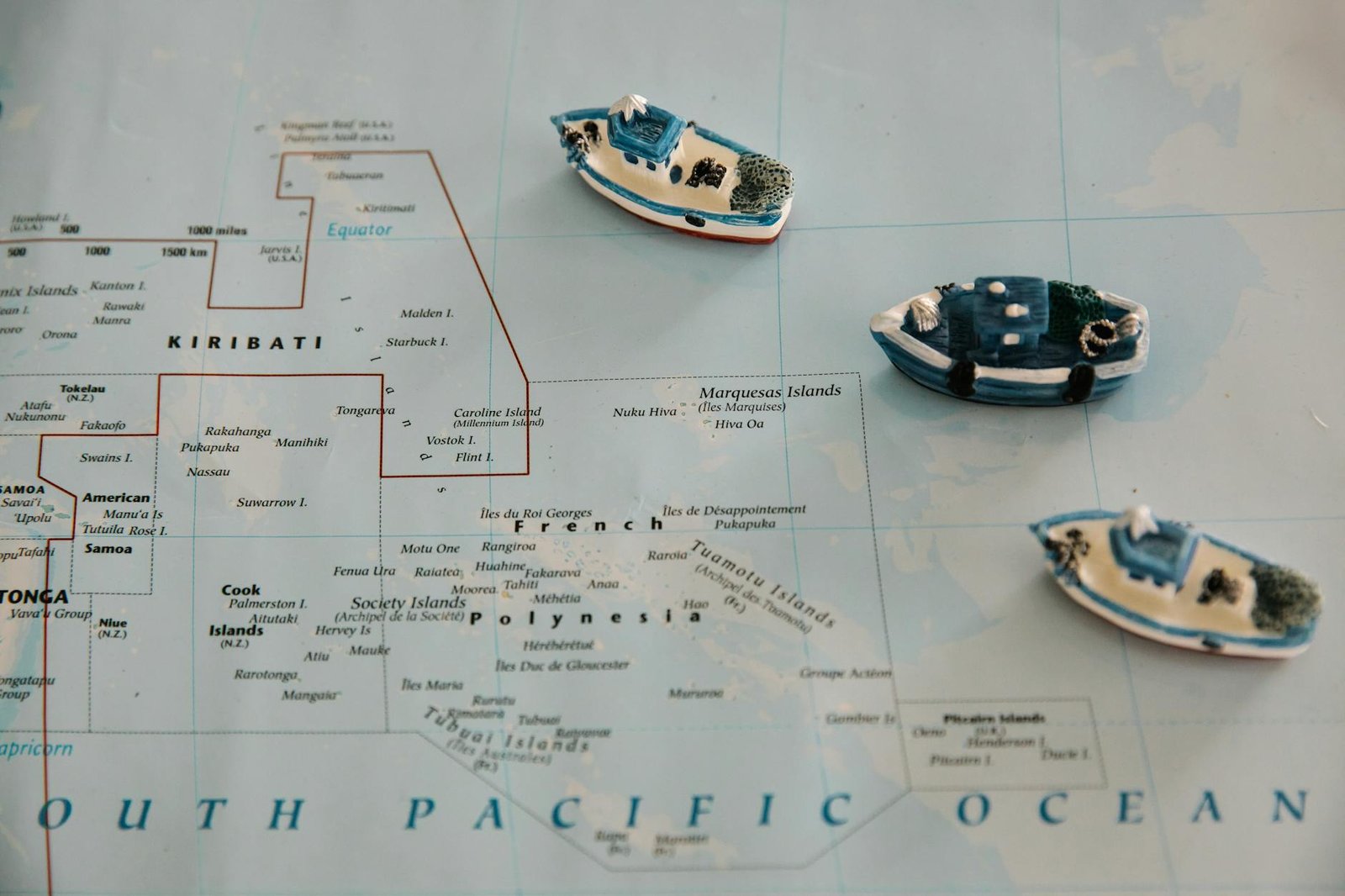
Most travellers arriving at Christmas Island — known locally as Kiritimati (pronounced “Kiri-mas”) — picture a quiet dot on the map with little to offer beyond a beach. What they discover instead is the world’s largest coral atoll, a UNESCO-recognised haven for seabirds, and a place so remote and raw that it feels like the planet’s best-kept secret. Welcome to the real Christmas Island, Kiribati.
Arriving by Ship
Pulling into Kiritimati by sea is an experience that sets the tone for everything that follows. The atoll’s sheer scale surprises almost every visitor — at roughly 150 kilometres in circumference, it’s hard to believe you’re looking at a single landfall. The lagoon shimmers in impossible shades of turquoise and jade, and frigate birds wheel overhead before you’ve even dropped anchor.
The main settlement of London (yes, really) serves as the primary port area, alongside the capital Banana. Tender boats are typically used to bring passengers ashore, so expect a short but scenic ride across glassy, shallow water. Infrastructure here is minimal — don’t expect a polished cruise terminal. What you get instead is genuine, unhurried island life: a handful of officials, a warm greeting, and the immediate sense that you’ve arrived somewhere truly off the beaten track.
Things to Do

Kiritimati isn’t a theme park, and that’s precisely its appeal. The island is part of the Pacific Remote Islands National Wildlife Refuge Complex, and the birdlife alone justifies the journey. Over 100 species of seabirds nest here, including the magnificent frigatebird, red-tailed tropicbirds, and enormous colonies of Christmas shearwaters. Simply walking along the lagoon edge can feel like stepping inside a nature documentary.
Fly fishing is the island’s most famous drawcard. The bonefish flats here are legendary among anglers — serious fishermen travel halfway around the world for access to these crystalline shallows, where bonefish run in numbers rarely seen elsewhere on earth. Even if you’ve never held a fishing rod, a guided wade across the flats at sunrise is an unforgettable experience.
Snorkelling and diving around the outer reefs reward anyone willing to get their face underwater. The coral is remarkably healthy by Pacific standards, with reef sharks, sea turtles, and vast schools of tropical fish on regular rotation. The lagoon itself, one of the largest enclosed bodies of water in the world, offers calmer conditions for swimmers of all abilities.
For the culturally curious, visiting local villages offers a glimpse into I-Kiribati life — a culture defined by extraordinary oceanic knowledge, traditional weaving, and a genuine warmth towards visitors. A walk through the settlements of Poland, Banana, or London (the island’s amusingly named towns) reveals colourful maneabas (meeting houses), children playing in dusty roads, and elderly residents weaving pandanus leaves into hats and mats in the shade.
Local Food
Don’t arrive expecting a restaurant scene — Kiritimati’s food culture is simple, local, and deeply satisfying once you adjust your expectations. Fresh fish is the foundation of almost every meal. Grilled reef fish, raw fish marinated in coconut cream and lime (a Pacific take on ceviche), and fried breadfruit are staples you’ll encounter throughout the island.
Coconut features heavily in local cooking, appearing in everything from rice dishes to sweet snacks. If you’re invited to share a meal with a local family — and the I-Kiribati people are famously hospitable — accept without hesitation. The experience of eating fresh lagoon fish beneath a thatched roof while your host explains island customs is worth more than any restaurant meal.
Fresh drinking coconuts are widely available and essential in the heat. Some small guesthouses and local canteens serve simple rice and fish plates, which are honest, filling, and often delicious.
Shopping

Shopping on Kiritimati is genuinely about souvenirs over retail therapy. Handwoven pandanus products — baskets, mats, fans, and hats — are the standout purchases, crafted by local women using techniques passed down through generations. These make beautiful, lightweight gifts that carry real cultural meaning.
Shell jewellery, handmade fishing lures, and locally carved wooden items occasionally appear at informal stalls near the port area and in villages. Don’t expect fixed prices or organised markets; most transactions happen through gentle conversation. Bring small bills (US dollars are widely accepted alongside Australian dollars) and approach shopping with patience and curiosity rather than urgency.
Practical Tips
Kiritimati sits in the world’s easternmost time zone — UTC+14 — meaning it’s technically the first inhabited place on earth to greet each new day. The climate is tropical and hot year-round, so pack reef-safe sunscreen, a hat, and a light long-sleeved shirt for protection. Insect repellent is advisable, particularly around the lagoon at dawn and dusk.
Wi-Fi and mobile connectivity are extremely limited, so embrace the digital detox. Bring cash, as card payments are largely unavailable outside the main settlement. Sturdy sandals or water shoes are ideal for navigating the reef flats and village paths.
Kiritimati operates on its own unhurried rhythm, and the reward for slowing down to match it is profound. This is one of those rare places where the world feels genuinely vast, wild, and unspoiled — a reminder that the most extraordinary destinations often wear the simplest faces.
🎟️ Things to Book in Advance
These highly-rated experiences fill up fast — book before you arrive to avoid missing out.


This page contains affiliate links. If you book through them, we may earn a small commission at no extra cost to you.
Leave a Reply