
Africa & Middle East
Africa & Middle East
Ilha de Mozambique Cruise Port Guide: Things to Do & Practical Tips
Mozambique
Ships anchor offshore; tender boats required to reach Stone Town.
Choose the Right Port Day
Best Overall
Hire a local guide (usually $20–40 USD per hour for 1–3 people) to walk Stone Town, learn Swahili history and architecture, visit a family home or small museum, and sit at a waterfront café. Skip the beach; focus on culture.
Best Beach
Not a beach port. Small sandy patches and reef areas exist but are not the draw; water access is minimal and basic.
With Kids
Older children (8+) enjoy Stone Town walking and boat ride; streets are tight, uneven, and have no modern distractions. Younger kids may tire quickly. No formal kids' attractions.
Only 3-4 Hours
Anchor tenders take 20–30 min each way. Land at Stone Town pier, walk the narrow streets and whitewashed buildings for 2 hours, visit Makhutano Bastion or a small Swahili house museum, drink tea at a café, return to tender.
Cheapest Option
Walk the island on your own ($0–5 USD for a small tip to a local guide if desired). Avoid organized shore excursions; locals often offer informal tours or you can self-navigate.
What To Avoid
Do not expect reliable ATMs, modern restaurants, or souvenir shops. Do not plan a long beach day or water sports. Tender queues at return can be long; allow extra buffer time.
Quick Take
- Port Type
- Historic small-island anchor port
- Best For
- History and architecture enthusiasts; luxury/expedition cruise passengers; cultural explorers; photographers
- Avoid If
- You need fast turnaround, creature comforts, modern shopping, or non-walking activities
- Walkability
- Entire island is walkable; Stone Town is compact and pedestrian. No cars needed.
- Budget Fit
- Budget-friendly if walking only; shore excursions and guides add cost quickly
- Good For Short Calls?
- Ideal. 4–6 hours sufficient for Stone Town walk and basic exploration.
Port Overview
Ilha de Mozambique is a UNESCO World Heritage island off northern Mozambique, accessible only by tender (20–30 min ride). The port is a small anchorage with no modern cruise terminal; tenders land at a simple stone pier in Stone Town, the island's historic core. The island is home to centuries of Swahili, Arab, Portuguese, and Indian cultural layers, visible in stone buildings, mosques, and narrow alleyways. This is not a beach or resort port; it is a cultural and historical stop for adventurous travelers on small-ship and luxury cruises (Seabourn, Windstar, Azamara, Ponant, Lindblad, Oceania). Most cruisers spend 4–6 hours walking, learning history, and photographing architecture. There are no major chain stores, restaurants, or modern amenities; the island feels genuinely old and quiet. Plan to move slowly, wear good walking shoes, and bring water.
Top Things To Do
1
Stone Town Walking & Swahili Architecture
Walk the narrow streets of Stone Town, observe carved wooden doors, coral-stone facades, and mosque minarets. Visit small family homes (some act as informal museums), see the Makhutano Bastion (a 16th-century defensive wall), and learn about the island's Arab, Indian, and Portuguese heritage. Hire a guide for rich context or self-navigate.
⚡ Popular — books out early. Reserve before you sail.
2
Local Café & Waterfront Sitting
Find a small café near the waterfront or in Stone Town, order tea, juice, or a light meal, and sit among locals. Watch fishermen, dhow boats, and the ocean. This is low-key but offers the island's true pace and atmosphere.
3
Chapel of Our Lady or Small Mosque Visit
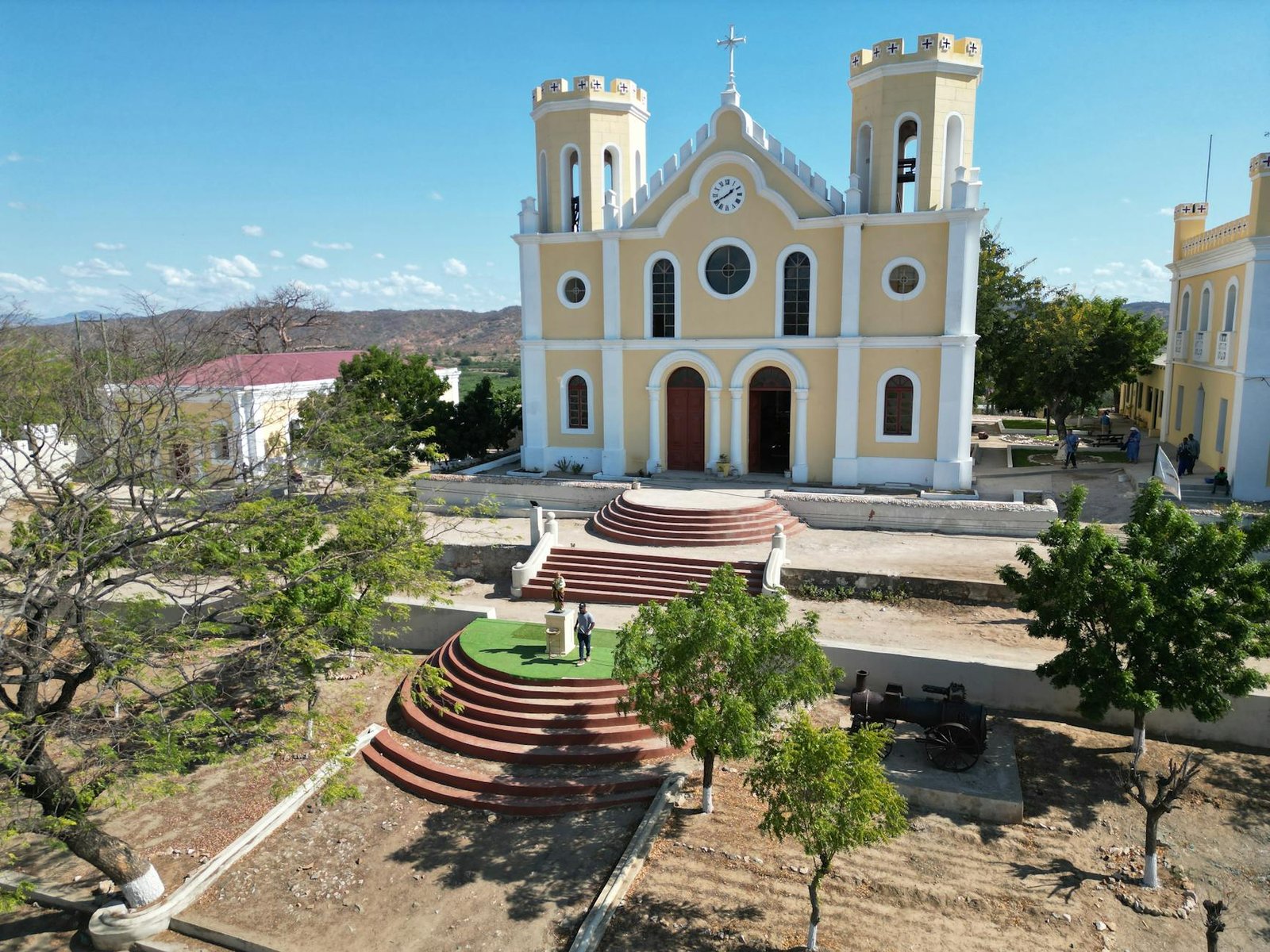
Visit the island's historic chapel (open to visitors) or observe one of the working mosques (respect prayer times and dress modestly). These sites show religious layers of the island's history.
Show 1 more thing to do in Ilha de Mozambique
4
Photography & Street Details
Spend time photographing doors, architectural details, street scenes, light on stone, and daily activities. The island is highly photogenic and almost every corner reveals character.
Book with the ship, or on your own?
Booking independently
- Often noticeably cheaper than the ship’s version of the same tour.
- Smaller groups and local operators, with traveler reviews you can read before you pay.
- Free cancellation on most tours, usually up to 24 hours before.
When the ship’s excursion makes sense
- Short port calls or long transfers where the timing is tight.
- Tender-only stops where getting ashore can run late.
- The ship waits for its own delayed excursions — it won’t wait for independent ones, so leave a buffer before all-aboard.
We may earn a commission when you book through our links, at no extra cost to you — it’s how we keep these guides free.
Is It Safe?
Ilha de Mozambique is very safe by regional standards. Stone Town is well-established, locals are accustomed to cruise visitors, and petty theft is uncommon if you use normal precautions (avoid loose jewelry, don't flash cash or phones, stay aware). Do not wander far from Stone Town or the main island after dark. Avoid inland areas without a guide. The tender ride is safe, though seas can be rough; hold on to the rail. Political tensions or security alerts are rare but check cruise line advice before sailing. Overall, safety is much better than coastal Mozambique mainland.
Accessibility & Walkability
Stone Town is not wheelchair-accessible. Alleyways are extremely narrow (3–4 feet), uneven cobblestone, with steps, thresholds, and steep climbs. Mobility issues will severely limit exploration. The tender pier may have gaps or unstable footing. If you have limited mobility, consider staying aboard or hiring a guide to explore at very slow pace on main streets only. There are no accessible restrooms or facilities ashore.
Outside the Terminal
You emerge from the tender onto a simple stone pier in the heart of Stone Town. Narrow whitewashed alleyways radiate outward, lined with carved wooden doors, turquoise shutters, and weathered coral-stone buildings. A few informal shops and small cafés appear immediately nearby. The air smells of salt, spice, and stone. Locals and children greet visitors calmly. There is no 'cruise infrastructure'—no taxis, no visitor center, no organized queues. It feels immediately old and quiet compared to modern ports. The real island lies 20 meters away; you must simply start walking and choose a direction.
Beaches Near the Port
Island waterfront/minor beach areas
Small sandy patches and rocky waterfront exist but are basic and undeveloped. No facilities, no shade, no lifeguards. Water can be cloudy. Not a swimming or beach destination.
Local Food & Drink
Food options are very limited and basic. Small cafés near the waterfront and in Stone Town serve tea, juice, rice, beans, fish, and simple bread. Expect very local, informal settings with no English menus. Prices are low ($2–6 USD for a meal). Hygiene standards are rustic; bring your own snacks or eat lightly if you're sensitive. No restaurants, no fast food, no western options. Many cruisers bring energy bars or fruit from the ship. Tap water is not recommended; drink bottled water or ask your ship.
Shopping
Shopping is minimal and not a draw. A few small shops sell basic groceries, textiles, and informal crafts, but selections are tiny and prices are not cheap for tourists. Do not expect souvenirs, art, jewelry, or gift items of quality. Many items are handmade by locals, but 'shopping' is not part of the Ilha de Mozambique experience. Bring any essentials from the ship.
Money & Currency
- Currency
- Mozambican Meticais (MZN)
- USD Accepted?
- No
- Card Payments
- None; cash only (meticais or USD, though meticais preferred)
- ATMs
- Unreliable or absent; assume no ATM access on the island
- Tipping
- Not expected; small tips ($1–2 USD) appreciated for guides or services
- Notes
- Bring cash (USD or meticais) from the ship. Exchange rates at your ship are better than any ashore. Assume all transactions are cash-only and very small.
Weather & Best Time
- Best months
- May–October (cool, dry, low humidity, 20–28°C / 68–82°F)
- Avoid
- December–March (hot, humid, rainy, 25–35°C / 77–95°F; rough seas increase tender delays)
- Temperature
- Most cruises visit May–October when conditions are ideal
- Notes
- Tender operations depend on sea state; rough seas may delay or cancel tenders. Bring sunscreen, hat, and water year-round. Heat and sun exposure are significant even in 'cool' months.
Airport Information
- Airport
- Nampula International Airport (APL) or Pemba Airport (POL)
- Distance
- Nampula ~150 km south; Pemba ~200 km north
- Getting there
- Internal flights to Nampula or Pemba, then boat or domestic flight; road travel is slow and unreliable
- Notes
- This is a remote port used for mid-cruise calls, not embarkation. Pre/post-cruise stays are difficult; plan through your cruise line's air/hotel package.
Getting Around from the Port
Tender boat
Ships anchor offshore. Tenders (small boats) ferry passengers to Stone Town pier. Return queues can be long, especially 1–2 hours before all-aboard.
Book ferry ticketsWalking
Stone Town and the island's main attractions are all within 15–30 min walk of the tender pier. Streets are narrow, uneven, and car-free.
Local guide or informal tour
Guides often wait at the pier or can be arranged through your ship. They offer walking tours of Stone Town, Swahili history, and family homes.
Details last checked April 2026
Check The Port Traffic
Cruise Ships in Port
Once you have your shore plan, use the schedule to see how busy the harbour will be on your date, plus the ships, lines, and published call windows.
Sun
Mon
Tue
Wed
Thu
Fri
Sat
1
2
3
4
5
6
7
8
9
10
11
12
13
14
15
16
17
18
19
20
21
22
23
24
25
26
27
28
29
30
31
Quiet (1–2)
Busy (3–4)
Packed (5+)
0 scheduled calls
August 19, 2026
No scheduled cruise ship calls were found for this date selection. Pick a highlighted day on the calendar above, widen the range, or search for a different ship or line.
Planning a cruise here?
Seabourn, Windstar Cruises, Azamara & more sail to Ilha de Mozambique.
Practical Tips for Cruise Passengers
- Tender queues during return to ship (last 1–2 hours before all-aboard) can be very long. Build in a 45-minute buffer and start walking back to the pier early.
- Hire a local guide at the pier for $20–40 USD per hour; their knowledge of history and Swahili context transforms the experience and is worth it.
- Bring cash (USD or small meticais), water, sunscreen, sturdy walking shoes, and any snacks from the ship; there is nothing to buy ashore worth buying.
- Dress modestly (long pants or skirts, covered shoulders) out of respect for the local culture and to avoid unwanted attention.
Frequently Asked Questions
Not really. This is a historic and cultural port, not a beach destination. Water is murky, no facilities exist, and swimming is not the draw. Focus on Stone Town architecture.
Tenders take 20–30 minutes each way. Seas can delay or cancel operations; rough weather in rainy season (Dec–Mar) increases risk. Check with your ship for real-time status.
No. The island is small, car-free, and best explored on foot. Local guides are your best resource for getting around and understanding what you see.
Find cruises to Ilha de Mozambique, Mozambique
Compare sailings and book with no fees — best price guaranteed.
We may earn a commission when you book through our links, at no extra cost to you — it’s how we keep these guides free.
✉ Sailing to Ilha de Mozambique? Get your port-day plan
Tell us your sail date and we’ll email you a short Ilha de Mozambique plan about 60 days out — when the good excursions start selling out — plus a final checklist 2 weeks before. Two emails, then done. We’ll send one note to confirm it’s really you — unsubscribe anytime.
Africa & Middle East
View All
More Africa & Middle East Ports

Africa & Middle East

Africa & Middle East

Africa & Middle East
