

Carnival Spirit
Times not published
Itinerary: 16 Nights Panama Canal Cruise (16 nights)
Find shore excursions for this day →Panama
Canal transit; passengers stay on board.
Hop aboard " The PAPI " high-speed motorboat with Music through the Panama Canal. Safari on a boat the monkeys, sloths and birds during this tour…
Our experience is designed for travelers who want to see the very best of Panama City in a smooth, organized, and stress-free way. What makes this…
Our picks in Panama Canal
If your itinerary includes a partial or full transit, this costs nothing and delivers the most visceral understanding of the canal's scale. Watching lock chambers fill with millions of gallons of water while your ship rises or descends is genuinely impressive. Set your alarm — transits often begin early morning.
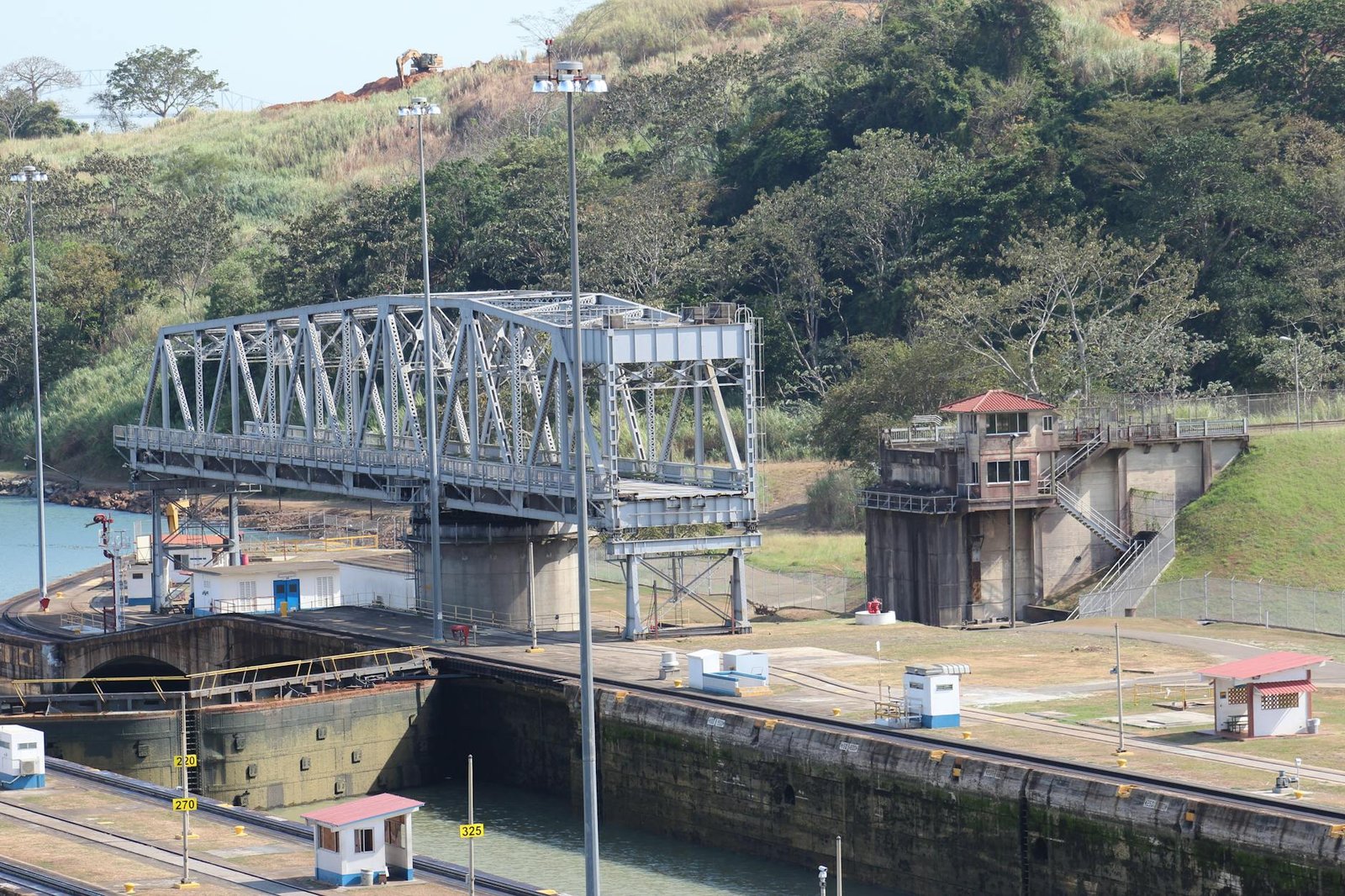
Four levels of observation decks above the Pacific locks, plus a museum explaining canal history, engineering, and the expansion project. You can watch massive Panamax or Neopanamax ships squeeze through with just feet to spare. Best visited on a weekday when traffic is consistent.
A guided boat tour through the jungle-fringed islands of Gatun Lake — a man-made lake created when the canal was built in the early 1900s. Capuchin monkeys, howler monkeys, sloths, caimans, Jesus Christ lizards, and dozens of bird species are regularly spotted. Smithsonian Tropical Research Institute operates an island here with excellent guides.
Smaller-scale visitor experience than Miraflores but far more accessible from Colon. Watch ships enter from the Caribbean side and begin their ascent. Fewer tourists than the Pacific locks and a more local feel. The locks themselves are equally impressive mechanically.
One of the top birding sites in the Western Hemisphere, with over 500 species recorded on a single road. Even casual birdwatchers find it extraordinary. A guided half-day walk with a specialist guide is worth every dollar for anyone with even mild interest in birds or rainforest ecology.
The UNESCO-listed colonial old town is genuinely worth a visit if your ship docks on the Pacific side and you have time. Restored colonial buildings, local restaurants, craft shops, and ocean views. Better as a half-day addition than a full-day destination from a canal port day.
Book with the ship, or on your own?
Booking independently
When the ship’s excursion makes sense
Going independent? Compare tours in Panama Canal → — the best-reviewed ones sell out first.
We may earn a commission when you book through our links, at no extra cost to you — it’s how we keep these guides free.
Check The Port Traffic
Once you have your shore plan, use the schedule to see how busy the harbour will be on your date, plus the ships, lines, and published call windows.
Times not published
Itinerary: 16 Nights Panama Canal Cruise (16 nights)
Find shore excursions for this day →Arrive 05:00 AM | Depart 05:00 AM
Itinerary: 16 Nights Panama Canal Cruise (16 nights)
Tours that fit this port day →The Panama Canal is one of those rare port experiences where the journey itself is the attraction. Ships either make a full transit, a partial transit turning around at Gatun Lake, or dock at ports like Colon or Balboa while passengers go ashore for excursions. Which experience you get depends entirely on your cruise itinerary — check your ship's schedule before planning anything.
Colon, on the Atlantic side, is the more common dock point for shore excursions. It's an industrial port city and not a destination in its own right. The immediate surroundings are not appealing for wandering, and most cruisers are better served by booking transport directly to the locks, the lake, or the rainforest. Balboa on the Pacific side sits closer to Panama City and offers slightly easier access to urban options if that's your goal.
The canal experience divides into two clear categories: watching the engineering (Miraflores or Gatun Locks visitor centers, or from your ship deck during transit) and experiencing the ecology (Gatun Lake boat tours through Smithsonian-affiliated jungle, Pipeline Road birding, or the Soberania National Park). Both are genuinely worthwhile and neither disappoints if your expectations are set correctly.
This is not a port for wandering, bargain hunting, or spontaneous discovery. Plan your time before you arrive, arrange transport in advance, and you'll have a memorable day. Arrive without a plan and you'll likely end up stuck near an uninspiring port commercial zone.
Colon has a mixed safety reputation and the area immediately around the port is not recommended for unguided wandering. Stick to organized excursions or go directly to your taxi. Don't walk beyond the port commercial zone on the Atlantic side without local knowledge.
Balboa and the canal corridor near Panama City are considerably safer and more tourist-friendly. Exercise standard urban precautions — keep phones out of sight, don't flash expensive cameras in crowded areas, and travel in pairs or small groups where possible.
Both sides of the canal are manageable with sensible planning. The risks are not extreme, but Colon in particular punishes improvisation. Book your plan before arriving and you'll have no issues.
The Panama Canal experience involves uneven terrain, steps at lock observation decks, and boat boarding on Gatun Lake tours — none of which are highly wheelchair-friendly without advance arrangements. Miraflores Visitor Center has some accessible infrastructure but getting there requires negotiating port transport, which adds complexity.
For mobility-limited cruisers, the best option is watching the transit from the ship deck if your itinerary includes a full or partial canal passage — it's accessible, free, and genuinely spectacular. Shore excursion accessibility varies widely; contact your cruise line directly about adapted transport or ADA-compliant tour options.
On the Atlantic side at Colon, the port exits into a commercial shopping area (Colon 2000 or similar) designed specifically for cruise passengers. It's functional but not charming — duty-free shops, jewelry stores, and tour desks dominate. Don't let this first impression define your day; the real experiences are all away from this zone.
At Balboa on the Pacific side, the dock area is more industrial. Taxis and excursion buses are the immediate next step. There's no town to wander into, but transport to Miraflores or Panama City is straightforward and drivers are used to cruise passengers.
Don't expect memorable dining near the docks at either Colon or Balboa — the immediate port areas skew toward tourist-trap pricing and mediocre quality. If you're heading into Panama City to Casco Viejo, the food scene is genuinely good: fresh ceviche, sancocho (hearty chicken soup), patacones (fried plantain), and solid seafood are all easy to find at reasonable prices.
For a quick, inexpensive meal near the Miraflores Visitor Center, there's an on-site restaurant with canal views — convenient, decent, and overpriced, but you're paying for the location. Better to pack snacks for a Gatun Lake tour where food options are minimal.
If budget matters, local 'fondas' (simple lunch spots) near Colon's market area serve traditional Panamanian food for a few dollars, but navigating there independently from the port requires local knowledge and a willingness to move away from the tourist bubble.
Shopping near the Panama Canal ports is heavy on duty-free jewelry, generic souvenirs, and Panama hats — many of which are actually made in Ecuador, so check before buying. The Colon Free Zone is a massive wholesale district but it's not designed for individual tourist retail and entry is restricted.
For more authentic shopping, Casco Viejo in Panama City has better craft shops and locally made goods. Molas (hand-stitched textile panels made by the Guna indigenous people) are the most distinctive and genuinely Panamanian souvenir worth buying. Expect to pay $20-60 USD for a quality mola depending on complexity.
The easiest and safest logistical option. Your ship handles transport, timing, and re-boarding guarantees. Prices are higher than independent options but the convenience is real.
Arrange a bilingual driver-guide through your hotel if pre-cruising, or negotiate at the port taxi rank. A full-day private hire to locks, lake, and back is a strong mid-cost option for small groups.
Book a transfer 5% off with code TPO5 at checkoutFrom the Balboa port area, Miraflores Locks is the closest major visitor site and reachable by taxi without a full-day commitment.
Book a transfer 5% off with code TPO5 at checkoutFrom Colon, the Gatun Locks are closest. Panama City and Miraflores are 60-90 minutes away — factor that into your timing carefully.
Book a transfer 5% off with code TPO5 at checkoutDetails last checked April 2026
Planning a cruise here?
Holland America Line, Oceania Cruises, Princess Cruises & more sail to Panama Canal.
No. Some itineraries do a 'partial transit' entering the canal from one side and turning around at Gatun Lake without exiting the other side. Full transits that pass completely through from ocean to ocean are less common and usually on repositioning cruises. Check your specific itinerary before assuming.
The immediate port area around Colon 2000 is manageable, but wandering beyond it is not recommended without a guide or local knowledge. Independent excursions to Gatun Locks or Gatun Lake are fine with a pre-arranged driver; unplanned street wandering in Colon itself carries real risk.
Gatun Lake wildlife is accessible only by boat, so some form of organized tour is required. At Soberania National Park and Pipeline Road, you can technically enter independently, but without a guide you'll see a fraction of what's actually there — it's genuinely worth paying for a specialist.
From Balboa: Miraflores Locks Visitor Center. From Colon: Gatun Lake wildlife boat tour. Both fit a 3-4 hour window and represent the best of what this port offers in limited time.
For ship-organized excursions, booking early is advisable as popular options sell out. For independent options like Gatun Lake boat tours, advance booking is recommended in high season (January-March) but often possible last-minute in shoulder months. Specialist birding guides should always be booked ahead.
Find cruises to Panama Canal, Panama
Compare sailings and book with no fees — best price guaranteed.
We may earn a commission when you book through our links, at no extra cost to you — it’s how we keep these guides free.
Tell us your sail date and we’ll email you a short Panama Canal plan about 60 days out — when the good excursions start selling out — plus a final checklist 2 weeks before. Two emails, then done. We’ll send one note to confirm it’s really you — unsubscribe anytime.