
Northern Europe
Northern Europe
Sorfjord Cruise Port Guide: What to Expect, Logistics & Tips
Norway
Ships anchor in the fjord with tender boats shuttling passengers to shore.
Choose the Right Port Day
Best Overall
Ship-led Zodiac cruise to fjord head or nearby glacier/waterfall, paired with a moderate guided hiking option if legs are strong and conditions permit.
Best Beach
Not relevant. Sorfjord is a cold-water fjord with rocky shorelines; no swimming.
With Kids
Family-friendly guided nature walk (45 min–1 hour) with naturalist; focus on bird and seal spotting from Zodiac rather than strenuous hiking.
Only 3-4 Hours
Join a ship-organized guided hike (1.5–2 hours round trip) to nearby ridgeline or waterfall; most reliable option when weather permits.
Cheapest Option
Stay aboard and observe from deck; hiking and Zodiac excursions are ship-included on expedition itineraries, no extra cost.
What To Avoid
Do not attempt unguided hiking; terrain is unmarked, weather can shift fast, and rescue is complex. Do not expect dining or shopping ashore—there is no infrastructure.
Quick Take
- Port Type
- Expedition Arctic fjord port
- Best For
- Expedition cruisers, Arctic hikers, photographers, wildlife observers; not general leisure tourists
- Avoid If
- You want shops, restaurants, or a defined town ashore; you have limited mobility or extreme cold intolerance
- Walkability
- Not applicable; ashore activities are backcountry hiking and wildlife spotting, not town strolls
- Budget Fit
- Low cost ashore (no commercial services); most activity is included with expedition fare
- Good For Short Calls?
- Yes; typical shore time 4–6 hours via Zodiac tender; enough for guided hike or wildlife watch
Top Things To Do
1
Zodiac fjord cruise and wildlife watch
Naturalists guide Zodiac cruises to glacier fronts, waterfalls, or rocky outcrops for spotting white-tailed sea eagles, seals, and Arctic seabirds. Cruising is passive, scenic, and suitable for all fitness levels.
2
Guided hiking—tundra or ridgeline
Naturalists lead small groups on foot hikes from landing sites, often to ridgelines or waterfalls. Routes vary in difficulty; easy walks are 1–1.5 hours, moderate to strenuous 2–3 hours. Views of the fjord, glacial valleys, and Arctic tundra flora.
3
Photography and landscape observation
The fjord's dramatic cliffs, waterfalls, and light (including midnight sun in summer) offer exceptional photography. Many cruisers spend ashore time simply observing and shooting; naturalists often point out geological and ecological features.
Book with the ship, or on your own?
Booking independently
- Often noticeably cheaper than the ship’s version of the same tour.
- Smaller groups and local operators, with traveler reviews you can read before you pay.
- Free cancellation on most tours, usually up to 24 hours before.
When the ship’s excursion makes sense
- Short port calls or long transfers where the timing is tight.
- Tender-only stops where getting ashore can run late.
- The ship waits for its own delayed excursions — it won’t wait for independent ones, so leave a buffer before all-aboard.
We may earn a commission when you book through our links, at no extra cost to you — it’s how we keep these guides free.
Check The Port Traffic
Cruise Ships in Port
Once you have your shore plan, use the schedule to see how busy the harbour will be on your date, plus the ships, lines, and published call windows.
Sun
Mon
Tue
Wed
Thu
Fri
Sat
1
2
3
4
5
6
7
8
9
10
11
12
13
14
15
16
17
18
19
20
21
22
23
24
25
26
27
28
29
30
Quiet (1–2)
Busy (3–4)
Packed (5+)
0 scheduled calls
September 16, 2026
No scheduled cruise ship calls were found for this date selection. Pick a highlighted day on the calendar above, widen the range, or search for a different ship or line.
Port Overview
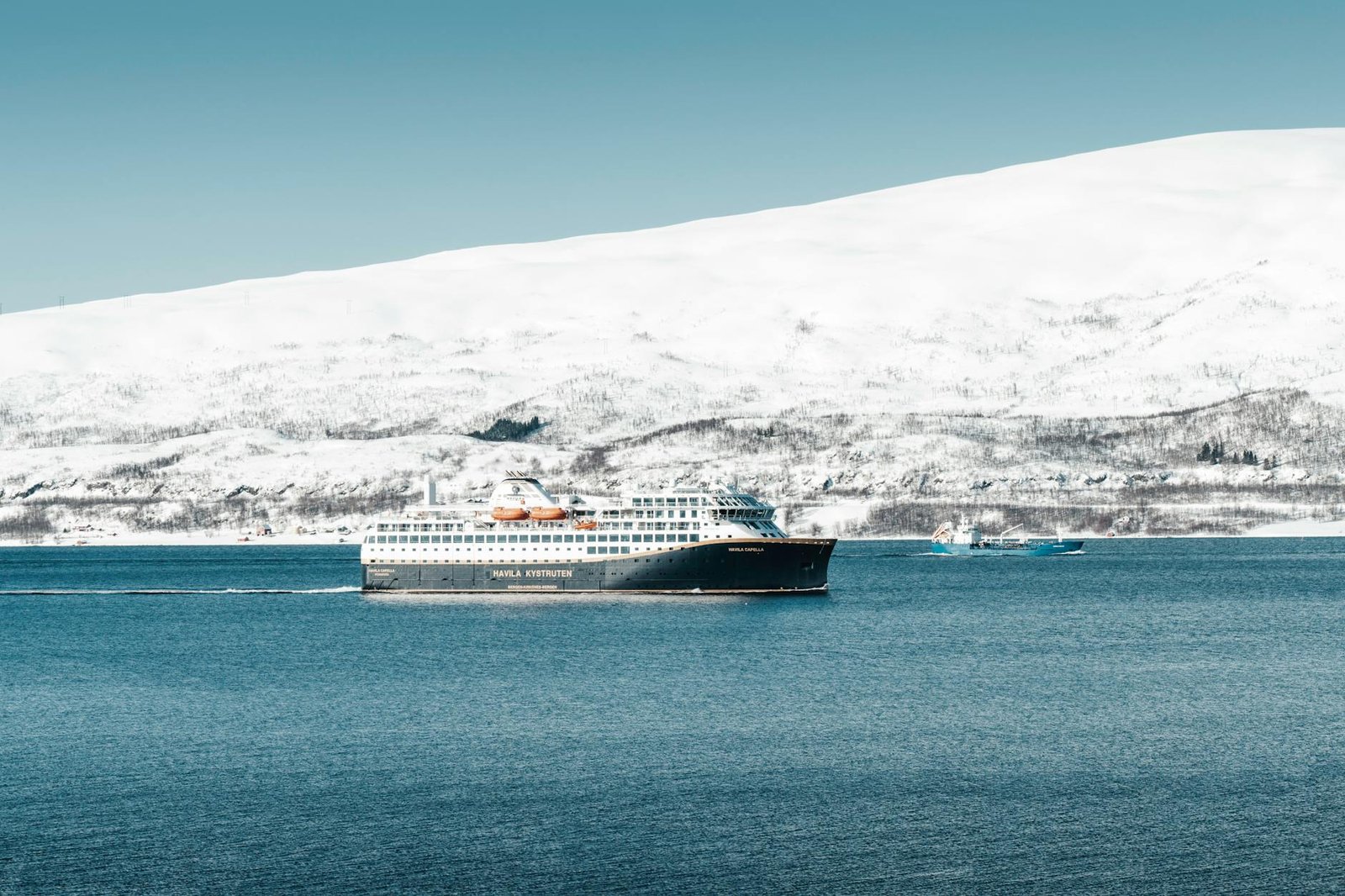
Sorfjord is a deep Arctic fjord in Finnmark, northern Norway, accessed only by expedition cruise. Ships anchor in the fjord and tender passengers ashore via Zodiac; there is no fixed dock or town. The fjord is defined by sheer granite cliffs, cascading waterfalls, glacial meltwater, and minimal human settlement. Most ashore time is organized by the ship—Zodiac cruises, guided hikes, and wildlife watching—rather than independent exploration. This is a scenic and wildlife-rich destination (reindeer, sea eagles, seals), but also one of the harshest in Arctic Norway; weather and sea state dictate what is possible each day. Sorfjord is not a shopping or dining port; it exists for landscape and expedition experience.
Is It Safe?
Sorfjord is a wilderness destination with genuine hazards: unpredictable Arctic weather, rough seas, and remote terrain. Do not leave organized groups; trails are unmarked and rescue is helicopter-based and slow. Wear appropriate cold-weather gear even in summer—Arctic air is 40–50°F (4–10°C). Be prepared for sudden wind, rain, or fog. The fjord's currents and cliffs mean Zodiac operations can be cancelled with little notice; flexibility is essential. All major excursions are led by expedition staff trained in Arctic rescue; follow their guidance strictly.
Accessibility & Walkability
Sorfjord is not wheelchair accessible. Tender transfers involve climbing in and out of Zodiacs in rough water; mobility is difficult and potentially unsafe for those with limited agility. All hiking is off-trail or on unmarked paths with steep terrain, bog, and rock. If you have mobility concerns, confirm with the cruise line before booking whether deck-based viewing or very short, easy walks are viable alternatives.
Outside the Terminal
There is no terminal. Ships anchor in the fjord; you board a Zodiac at the ship's tender platform. The first impression is the raw Arctic landscape—steep cliffs, white water, silence, and often fog or overcast skies. Wind and spray are immediate; the Zodiac ride to shore is wet and cold. Landing sites are rocky beaches or tundra; there are no facilities, no shops, no people except your group and the naturalists.
Local Food & Drink
There is no dining ashore. All meals are aboard ship. Carry water and snacks if hiking; the ship provides packed lunches on some itineraries. Arctic conditions and isolation mean provisioning is entirely ship-based. Some expedition cruises include a traditional Norwegian meal aboard or at a remote settlement visited earlier in the itinerary, but Sorfjord itself has no restaurants or cafés.
Shopping
There is no shopping. Sorfjord has no settlement or infrastructure. Some expedition cruises visit Honningsvåg or other small coastal towns earlier in the itinerary for souvenir shops and local crafts; plan purchases there.
Money & Currency
- Currency
- Norwegian krone (NOK)
- USD Accepted?
- No
- Card Payments
- Not applicable; no vendors ashore
- ATMs
- None
- Tipping
- Not applicable ashore; tip ship staff as per cruise line norms
- Notes
- No money needed ashore. Keep currency aboard for visits to other ports.
Weather & Best Time
- Best months
- June–August (midnight sun, ice-free fjord, slightly warmer)
- Avoid
- September–May (darkness, pack ice, severe cold, limited ship access)
- Temperature
- 40–55°F (4–13°C) in summer; wind chill and ocean spray make it feel colder
- Notes
- Arctic weather is unpredictable; excursions are weather-dependent and may be cancelled or rerouted. Prepare for rain, fog, and wind regardless of season.
Airport Information
- Airport
- Honningsvåg Airport (HVG) or Alta Airport (ALF)
- Distance
- 150–200 km; not typical for Sorfjord cruises
- Getting there
- Most expedition cruises begin or end at Tromsø or Honningsvåg; flights connect to Oslo or international hubs
- Notes
- Sorfjord is a mid-itinerary stop, not an embarkation point. Arrange flights via the cruise line; independent transfers are complex and rarely necessary.
Getting Around from the Port
Zodiac tender
Ship-operated rigid inflatables depart from ship for fjord exploration, wildlife watching, or landing sites. All tender operations coordinated by ship staff.
Guided shore hikes
Naturalists lead small groups on foot trails from landing sites; routes range from easy (1–1.5 hours) to strenuous (2–3 hours). Terrain is steep, boggy, or rocky.
Details last checked April 2026
Planning a cruise here?
Hurtigruten, Ponant, Seabourn & more sail to Sorfjord.
Practical Tips for Cruise Passengers
- Dress in waterproof layers—Arctic wind and sea spray penetrate quickly. Bring a parka, thermal base layers, insulated waterproof boots, a hood, and gloves even in summer.
- Tendering is weather-dependent; excursions may be cancelled or shortened with minimal notice. Remain flexible and respect ship staff decisions; safety comes first.
- Bring a headlamp or high-power flashlight for hiking and nature walks; even in midnight sun, clouds and fog can dim light suddenly.
- Pack motion-sickness medication if prone to seasickness; Zodiac rides in choppy water can be rough, and the fjord is exposed to Atlantic swells.
Frequently Asked Questions
Yes, if you follow ship protocols and naturalist guidance. Hazards are real—weather, remote terrain, cold—but expedition cruise operators (Hurtigruten, Ponant, Quark, etc.) are trained in Arctic safety and rescue. Cancellations and route changes are common and necessary; accept flexibility as part of the experience.
No. All ashore time is via ship-organized Zodiacs and guided excursions. Independent exploration is unsafe and not permitted. If tendering makes you uncomfortable, notify the ship; some deck-based viewing alternatives may be offered.
Late June through early August offers midnight sun, ice-free fjord, and slightly warmer (still cold) temperatures. Earlier or later seasons have longer darkness and ice risk; they are viable only on specialized cruises with ice-strengthened ships.
Find cruises to Sorfjord, Norway
Compare sailings and book with no fees — best price guaranteed.
We may earn a commission when you book through our links, at no extra cost to you — it’s how we keep these guides free.
✉ Sailing to Sorfjord? Get your port-day plan
Tell us your sail date and we’ll email you a short Sorfjord plan about 60 days out — when the good excursions start selling out — plus a final checklist 2 weeks before. Two emails, then done. We’ll send one note to confirm it’s really you — unsubscribe anytime.
Northern Europe
View All
More Northern Europe Ports

Northern Europe

Northern Europe

Northern Europe
