

Northern Europe
Africa & Middle East
Sal Cruise Port Guide: Beaches, Windsurfing & Practical Tips
Cape Verde
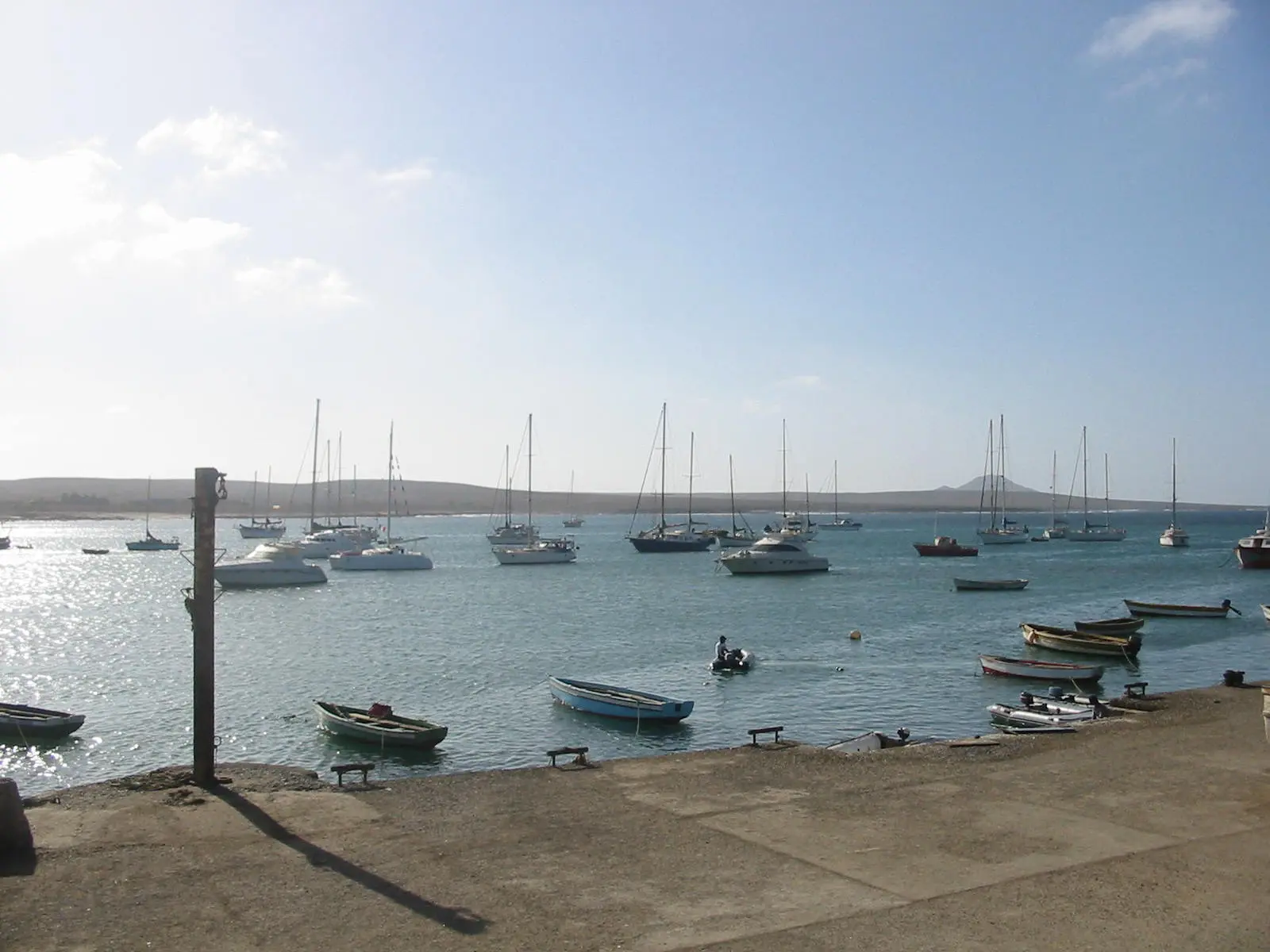
Ships anchor offshore with tender boats ferrying passengers to the main pier.
Choose the Right Port Day
Best Overall
If you windsurf or want guaranteed good conditions: Kite Beach or Ponta Preta and a half-day lesson or rental. If you just want to relax: Ponta Preta, snorkel, and a simple lunch on the sand.
Best Beach
Ponta Preta (closest, calm water, good snorkeling) or Kite Beach (better facilities, windsurfing school on-site, livelier vibe).
With Kids
Ponta Preta or nearby hotel-beach zones are safest; calm, shallow, and low crowds. Avoid remote beaches.
Only 3-4 Hours
Head straight to Kite Beach or Ponta Preta (5–10 min by taxi from the port area) for swimming and snorkeling. Skip Praia town; not worth the round-trip time.
Cheapest Option
Walk or take a cheap taxi to a nearby beach, swim free, grab lunch at a local café (€3–6 for grilled fish). Total spend: €5–15 USD per person.
What To Avoid
Do not spend 2+ hours traveling to/from Praia town for a short port day; the payoff is not worth the taxi cost and lost beach time. Avoid unguarded remote beaches; stick to established spots near resorts or the port.
Quick Take
- Port Type
- Small beach port, anchorage-based.
- Best For
- Beach time, windsurfing, relaxation, budget-conscious independent travelers.
- Avoid If
- You want urban exploration, museums, or nightlife; also avoid if sea conditions are rough (anchorages are exposed).
- Walkability
- Limited. Praia (main town) is ~3 km from typical anchorages and requires transport. Beaches near the port area are walkable but undeveloped.
- Budget Fit
- Good. Local transport is cheap, beach access is free, and casual meals are affordable.
- Good For Short Calls?
- Yes, if beach and windsurfing are your only goal. A full day is better to maximize water time.
Top Things To Do
1
Sal Island Full-Day Tour with Native Certified Guide
Discover the best of Sal Island with a native certified guide who will bring Cape Verde's history, culture and traditions to life through authentic local knowledge…
7h
2
Complete Excursion and Flight on the Zipline Cabo Verde
Zipline Cabo Verde is the most desired activity in Cape Verde. Since 2021, it has offered the exclusive possibility of flying over the Atlantic Ocean in…
2h
Our picks in Sal
3
Windsurfing or kiteboarding lesson at Kite Beach
Sal is famous for consistent Atlantic trade winds. Kite Beach and Ponta Preta are the main spots; several small operators offer rentals and beginner lessons. Equipment and instructors are affordable and professional. Conditions are usually excellent year-round.
4
Snorkeling at Ponta Preta or nearby reefs
Shallow reefs and calm bays offer decent snorkeling with small tropical fish and occasional rays. Visibility is best in calm morning conditions. Bring your own snorkel gear or rent locally (check quality). No formal snorkel shops; ask your taxi driver or beach locals for rentals.
5
Beach day at Ponta Preta or Kite Beach
Sal's main draw: turquoise water, soft sand, consistent wind, and few crowds. Ponta Preta is closer and calmer; Kite Beach has more facilities (bars, water-sports rentals). Both offer basic amenities (beach bars serving grilled fish, drinks).
Show 1 more thing to do in Sal
6
Praia town and local market (optional cultural detour)
The island's main settlement is quiet and modest—a grid of pastel houses, a small market selling fresh produce and cheap goods, and a few restaurants. It's worth a quick visit if you have 4+ hours ashore and want a flavor of local life, but it's not a major draw. Most cruisers skip it.
Book with the ship, or on your own?
Booking independently
- Often noticeably cheaper than the ship’s version of the same tour.
- Smaller groups and local operators, with traveler reviews you can read before you pay.
- Free cancellation on most tours, usually up to 24 hours before.
When the ship’s excursion makes sense
- Short port calls or long transfers where the timing is tight.
- Tender-only stops where getting ashore can run late.
- The ship waits for its own delayed excursions — it won’t wait for independent ones, so leave a buffer before all-aboard.
Going independent? Compare tours in Sal → — the best-reviewed ones sell out first.
We may earn a commission when you book through our links, at no extra cost to you — it’s how we keep these guides free.
Check The Port Traffic
Cruise Ships in Port
Once you have your shore plan, use the schedule to see how busy the harbour will be on your date, plus the ships, lines, and published call windows.
Sun
Mon
Tue
Wed
Thu
Fri
Sat
1
2
3
4
5
6
1 ship
7
8
9
10
11
1 ship
12
13
1 ship
14
15
16
17
18
19
20
21
22
23
24
25
26
27
28
29
30
Quiet (1–2)
Busy (3–4)
Packed (5+)
0 scheduled calls
September 20, 2026
No scheduled cruise ship calls were found for this date selection. Pick a highlighted day on the calendar above, widen the range, or search for a different ship or line.
Port Overview
Sal is a small, dry island in Cape Verde where ships anchor offshore (tenders or tug boats required). The main settlement is Praia, a quiet, modest town 3–5 km inland; most cruisers skip it and head straight to beaches and water-sports zones. The real appeal is the Atlantic's consistent wind, calm turquoise water in sheltered bays, and cheap, laid-back vibe. Do not expect infrastructure, shopping, or nightlife—this is a pure beach-and-wind destination. Ships typically visit as part of West African or Atlantic island itineraries; a port day here is best used for water time, not sightseeing.
Is It Safe?
Sal is generally safe for tourists in populated areas and resort zones. Petty theft and bag-snatching can occur in Praia town, so avoid displaying valuables. Do not wander into dark alleys at night or travel alone to remote areas. Beaches near organized resorts or the port are monitored; stick to these. The sea can be rough and has strong currents in some spots—swim only in calm, designated areas and ask locals about conditions. Medical facilities are basic; serious illness or injury may require evacuation.
Accessibility & Walkability
Terrain is rough and sandy; wheelchair access is very limited. The tender landing is rocky and uneven; mobility-impaired cruisers should notify the ship in advance. Praia town has uneven streets and minimal sidewalks. Beaches nearest the port are accessible by taxi but have no formal accessibility infrastructure. If you require accessibility aids, independent exploration is difficult; a shore excursion with advance notice is more practical.
Outside the Terminal
After tender landing, you'll step onto a rocky or sandy beach in a bare, sun-exposed area. There is no formal cruise terminal—just a beach with a few informal structures, parked taxis, and local vendors. A handful of small beach bars and souvenir stalls may be nearby. The vibe is relaxed and unpolished. Confirm tender times and weather before heading far ashore; if seas worsen, tender service can be interrupted.
Beaches Near the Port
Ponta Preta
Sheltered bay with calm, clear turquoise water and good snorkeling. The closest established beach to the port anchorages, with minimal crowds and a few beach bars. Ideal for families and swimmers.
Kite Beach
The island's windsurf and kiteboard hub, with consistent wind, professional operators, and more facilities (bars, showers, water-sports rentals). Busier than Ponta Preta but still laid-back. Good for all levels, beginners to advanced.
Santa Maria Beach
Long, quieter stretch of sand south of Kite Beach, with resort facilities nearby. Less crowded than Kite Beach, good for swimming and sunset. Some beach-bar and resort options.
Local Food & Drink
Sal's restaurant and food scene is modest and informal. Most casual meals are grilled fish, rice, beans, and fresh fruit. Local cafés near Praia or at the beaches serve cheap, simple fare (€3–8 USD per meal). Fish is fresh and plentiful; ask for 'peixe grelhado' (grilled fish). Beach bars at Kite Beach and Ponta Preta offer cold drinks, snacks, and grilled fish sandwiches. Imported goods (cheese, wine, packaged snacks) are expensive. Tap water is desalinated and drinkable, but stick to bottled water if you have a sensitive stomach. Few formal restaurants exist; most dining happens at beach bars or small family-run eateries in Praia.
Shopping
Shopping on Sal is minimal and unpolished. Praia's central market sells cheap local goods, fresh produce, and a few handicrafts, but nothing curated for tourists. A handful of small shops near the beach sell basic souvenirs (woven goods, shell crafts, dive gear) at inflated prices. Do not expect boutiques or malls. If you need anything beyond a beach snack or souvenir, bring it from the ship or visit a larger port.
Money & Currency
- Currency
- Cape Verdean Escudo (CVE). 1 USD ≈ 100–110 CVE (rates vary; confirm locally).
- USD Accepted?
- Yes
- Card Payments
- Limited. ATMs exist in Praia but are unreliable. Major credit cards may not work at small beach operators or markets. Bring sufficient USD cash before going ashore.
- ATMs
- Praia has a few ATMs (Caixa Geral de Depósitos, Banco Interatlântico); none reliably at the port area.
- Tipping
- Tipping is not expected but is appreciated. Rounding up or leaving 5–10% for good service is customary at formal restaurants; not necessary at beach bars.
- Notes
- Bring USD cash. Card payments are unreliable outside Praia. Inform your bank of travel to avoid card blocks.
Weather & Best Time
- Best months
- November–June (dry, cooler, calm seas, best for beach visits and water sports).
- Avoid
- August–October (hot, occasional rough seas, higher humidity).
- Temperature
- Dec–Mar: 20–26°C (68–79°F); Apr–Jun: 22–28°C (72–82°F). Always windy.
- Notes
- Sal has minimal rainfall and is extremely dry. Trade winds blow year-round, making it ideal for windsurfing. Sun is intense; bring high-SPF sunscreen and a hat. Occasional swell or rough seas can impact beach conditions and tender operations; check with the ship upon arrival.
Airport Information
- Airport
- Amilcar Cabral International Airport (SID).
- Distance
- ~15–20 km from Praia / the main port area.
- Getting there
- Taxi (informal, ~$20–30 USD) or pre-arranged transport through the cruise line or hotel. No public buses to the airport.
- Notes
- Used for embarkation/disembarkation on some itineraries. Confirm flight times and transport arrangements with your cruise line well in advance.
Getting Around from the Port
Tender
Ships anchor and deploy small boats or tugs to the port area (rocky beach landing). Confirm tender schedule and sea conditions upon arrival.
Taxi
Informal but reliable. Meet drivers at the beach after tender landing or ask your ship's tender coordinator to arrange one. Negotiate fare before boarding.
Book a transfer 5% off with code TPO5 at checkoutWalking
Feasible only for nearby beaches and the immediate port area. Praia town is too far for a casual stroll.
Organized shore excursion
Ships often offer half-day or full-day windsurfing, snorkeling, or island tours through tour operators.
Details last checked April 2026
Planning a cruise here?
Avalon Waterways, Uniworld Boutique River Cruise Collection sail to Sal.
Practical Tips for Cruise Passengers
- Bring plenty of USD cash; ATMs in Praia are unreliable, and cards don't work at most beach vendors or small eateries.
- Confirm tender times and sea conditions immediately upon arrival; rough anchorages can delay or cancel tender service.
- Skip Praia town unless you have 4+ hours ashore; beaches are the real draw, and town visits eat travel time.
- Book a windsurfing lesson in advance through your cruise line or a tour operator; walk-up rates are higher and availability is uncertain.
Frequently Asked Questions
Most cruisers do not; many nationalities receive a free landing pass upon arrival. Confirm with your cruise line or check Cape Verde's immigration website for your passport nationality.
Yes, in designated beaches like Ponta Preta and Kite Beach. Avoid remote or unguarded areas. Ask locals about currents and sea conditions before entering the water; Atlantic swell can be strong in some spots.
Yes, taxis are informal and cheap. Negotiate the fare in advance and use USD or euros. A half-day beach trip is typically $10–20 USD per person for transport; alternatively, book a pre-arranged shore excursion through the ship for convenience.
Find cruises to Sal, Cape Verde
Compare sailings and book with no fees — best price guaranteed.
We may earn a commission when you book through our links, at no extra cost to you — it’s how we keep these guides free.
✉ Sailing to Sal? Get your port-day plan
Tell us your sail date and we’ll email you a short Sal plan about 60 days out — when the good excursions start selling out — plus a final checklist 2 weeks before. Two emails, then done. We’ll send one note to confirm it’s really you — unsubscribe anytime.
Same itinerary network
View All
Ports Often Paired With Sal

European River Cruises

European River Cruises

European River Cruises