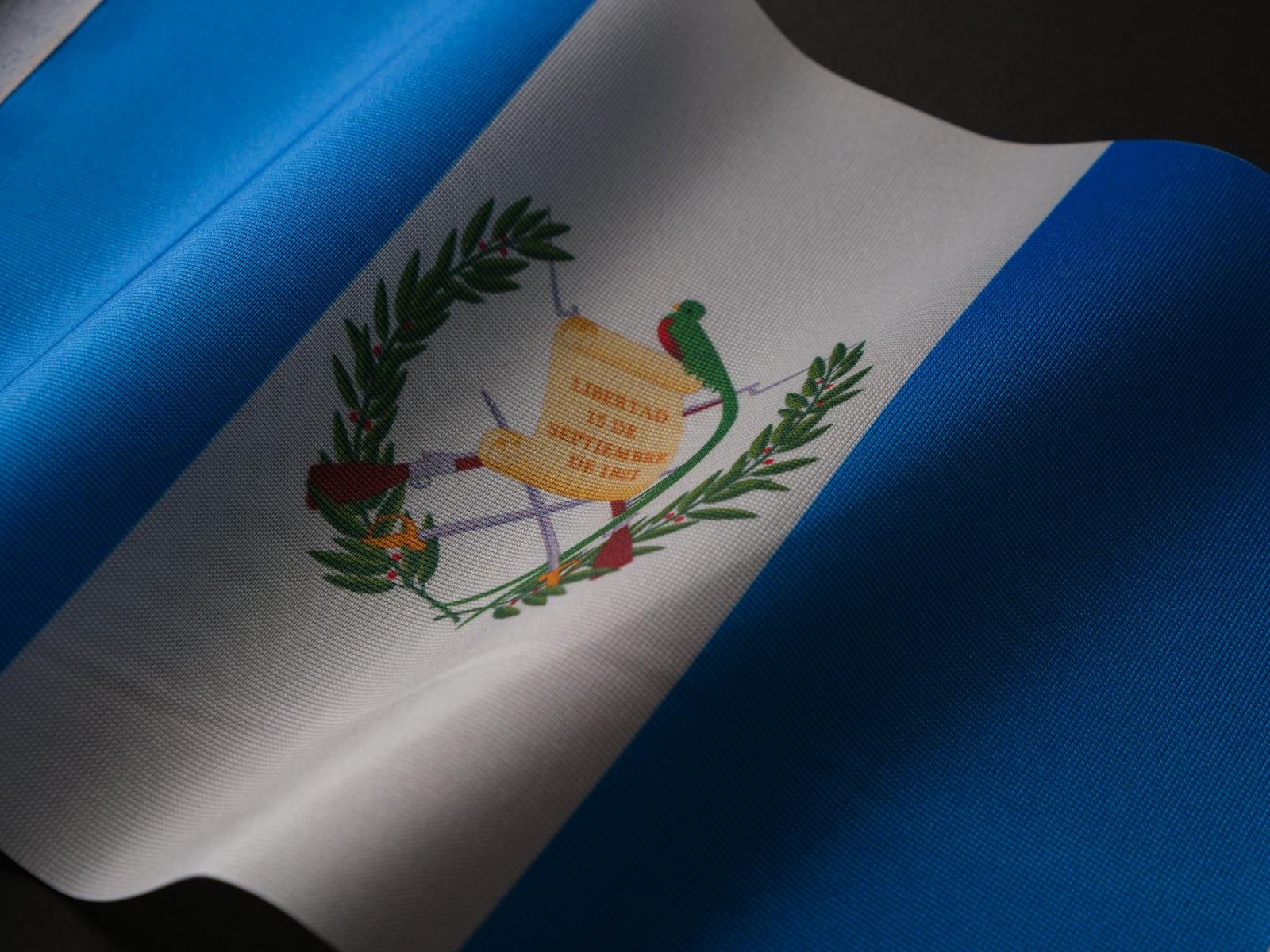
Puerto Quetzal sits on Guatemala’s Pacific coast as a busy commercial port, but don’t let the industrial first impression fool you — step beyond the dock gates and one of Central America’s most culturally rich countries unfolds in every direction.
Arriving by Ship
Cruise ships dock at Puerto Quetzal’s purpose-built terminal, about 75 miles southwest of Guatemala City. The port itself is functional rather than scenic — think container ships, industrial cranes, and a modest welcome area — so lower your expectations for a picturesque harbour stroll. What you will find is an efficient, well-organised terminal with taxi services, tour operators, and shuttle buses ready to whisk you away the moment you clear the gate. Tender operations aren’t required here; ships dock directly, making disembarkation smooth. The real Guatemala doesn’t begin at the port — it begins the moment you start moving inland.
Things to Do

Here’s the honest truth: the port town of San José offers limited sightseeing on its own. The magic of this destination lies in how far a single shore day can take you. Antigua Guatemala, the jewel of the highlands, sits roughly 90 minutes away by road and rewards every minute of the journey. This UNESCO World Heritage city stuns visitors with cobblestone streets, crumbling Spanish colonial churches draped in bougainvillea, and a pace of life that feels genuinely unhurried. The shore excursion from Puerto Quetzal to Antigua is one of the most popular in all of Central American cruising, and rightly so. 🎟 Book: Shore Excursion Antigua Guatemala from Puerto Quetzal
If you’re craving something more visceral, Pacaya Volcano offers a genuinely unforgettable hike. An active stratovolcano just 45 miles from the port, Pacaya lets you walk across hardened lava fields and, on good days, observe flowing lava up close. It’s physical, it’s dramatic, and it’s unlike anything most cruise passengers expect from a Pacific coast port stop. 🎟 Book: Pacaya Volcano Hike! from Puerto Quetzal
Prefer a gentler pace? The town of San José itself has a few black-sand beach areas where locals swim and vendors sell fresh coconut water, giving you a slice of everyday Guatemalan coastal life without the tourist infrastructure.
Local Food
Guatemalan cuisine is earthy, generous, and deeply comforting — and almost nothing about it resembles what most visitors imagine. Forget tacos and burritos; this is the food of the Maya highlands filtered through centuries of Spanish influence. In Antigua, look out for pepián, a rich, seed-based stew often served with chicken or beef that carries a gentle warmth rather than aggressive heat. Jocon is another standout — a green chicken stew made with tomatillos, cilantro, and sesame seeds that tastes unlike anything you’ve encountered before.
Street food in Antigua’s central market includes chuchitos (small tamales stuffed with pork and tomato sauce), fried plantains with black beans, and atol, a warm corn-based drink that’s surprisingly addictive on a cool highland morning. Skip the tourist restaurants facing the main plaza and wander two blocks in any direction — that’s where the locals eat, and where the food is better and cheaper.
Shopping

Guatemala is one of the finest shopping destinations in all of the Americas for handmade textiles, and Puerto Quetzal gives you direct access to that tradition. Mayan weaving here isn’t a souvenir industry — it’s a living cultural practice, with each village producing distinctive patterns and colour combinations that have been passed down through generations. A dedicated textile tour from the port takes you directly to artisan cooperatives where you can watch weavers at their backstrap looms and purchase directly, ensuring your money reaches the makers. 🎟 Book: Textile tour from Puerto Quetzal
In Antigua, the Mercado de Artesanías and the streets surrounding the central park overflow with handwoven huipiles (blouses), hand-painted ceramics, jade jewellery, and leather goods. Bargaining is expected in market settings but always approach it with a smile and respect — these artisans are selling their craft, not playing a game. Coffee is another exceptional buy; Guatemala produces some of the world’s finest arabica beans, and vacuum-sealed bags of fresh-ground Antigua coffee make extraordinary gifts that actually fit in a carry-on.
Practical Tips
Cash is king at most markets and smaller restaurants — bring US dollars or exchange for Guatemalan quetzales at the port or in Antigua. The exchange rate is straightforward, and most vendors are comfortable with either currency. Comfortable walking shoes are non-negotiable; Antigua’s cobblestones are beautiful but uneven, and the Pacaya hike requires proper footwear. Dress in layers if you’re heading to the highlands — the altitude brings noticeably cooler temperatures than the sweltering Pacific coast, and mornings in Antigua can feel genuinely chilly.
If you prefer a private, flexible experience in Antigua rather than a group tour, a private transfer gives you the freedom to linger in the market or grab that extra coffee without watching a clock. 🎟 Book: Private tour to Antigua Guatemala from Quetzal Port Ship time is local time here, so no clock adjustment is needed. Always confirm your return time with any driver before setting off — Puerto Quetzal is not a port where you want to miss your ship.
Puerto Quetzal may look underwhelming from the deck of your cruise ship, but that industrial façade conceals a gateway to one of the Americas’ most extraordinary cultures. Come with curiosity, leave the expectations at the gangway, and Guatemala will give you far more than you came looking for.
🎟️ Things to Book in Advance
These highly-rated experiences fill up fast — book before you arrive to avoid missing out.


This page contains affiliate links. If you book through them, we may earn a small commission at no extra cost to you.
Leave a Reply