
Australia & Pacific
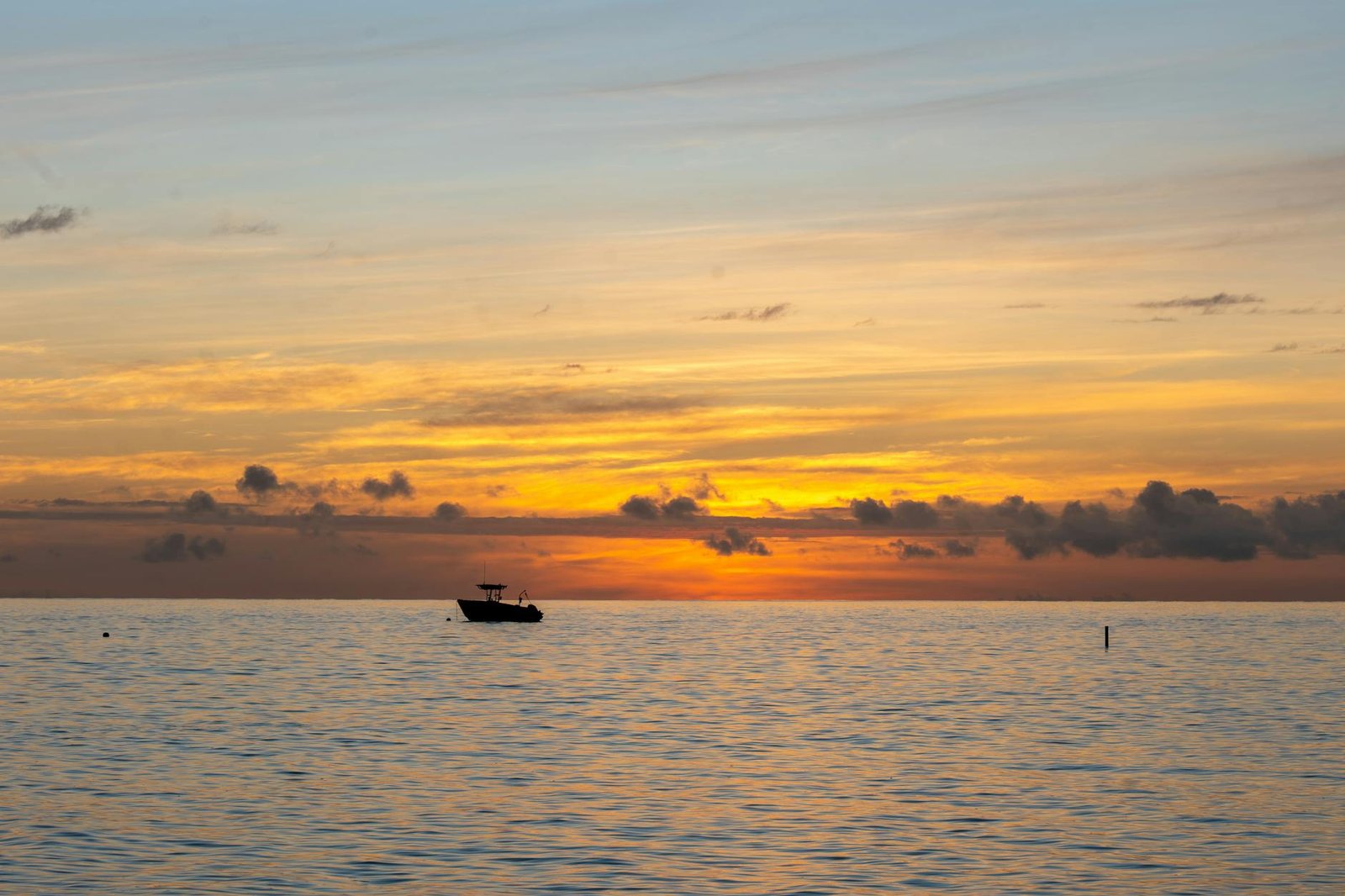
Ships anchor offshore with tender boats required to reach the small village landing.
Choose the Right Port Day
Best Overall
Book a half-day guided snorkel or cultural village tour via the ship. You'll save hassle, get a briefing, and return on time. Cost is $80–150 USD per person, but it's worth the peace of mind.
Best Beach
No developed beach at Kabara itself. Nearby islands like Nanuya Lailai (Blue Lagoon) and small islets offer white sand and clear water but require a boat. Book a beach excursion through the ship.
With Kids
Lagoon snorkel or beach island visit with a guide or ship excursion. Calm waters and shallow reefs are child-friendly. Skip Kabara village—limited facilities for families.
Only 3-4 Hours
Book a half-day guided snorkel or village tour through the ship or local operators. These typically depart within 30 minutes of tendering and return in 3–4 hours. Avoid independent exploration unless you're comfortable navigating boats and timing.
Cheapest Option
Walk the Kabara settlement (free), chat with locals, and skip organized excursions. Alternative: negotiate a direct boat to a nearby island with a local fisherman or water taxi ($30–80 USD for a small group). No guarantees on safety or reliability.
What To Avoid
Attempting independent island exploration without a guide or reliable local contact—timing is unpredictable and boat access is informal. Kabara village itself has minimal commercial appeal; don't expect shops, restaurants, or infrastructure.
Quick Take
- Port Type
- Small island anchorage port
- Best For
- Expedition cruisers seeking off-the-beaten-path Fiji; snorkeling and island-hopping enthusiasts; passengers willing to tender ashore.
- Avoid If
- You want a walkable town, shopping, or don't want to pay for organized excursions. Limited independent exploration.
- Walkability
- Minimal. Kabara is a small settlement with no downtown or pedestrian infrastructure. Most activities require a boat or guide.
- Budget Fit
- Budget-moderate. Excursions are pricey; independent island visits cheaper but require ferry or water taxi coordination.
- Good For Short Calls?
- Yes. Most excursions run 3–4 hours. Enough for a snorkel, swim, or village visit and return.
Top Things To Do
1
Guided snorkel or reef tour
Half-day or full-day guided snorkel to nearby reefs and islets. Professional guides point out marine life, manage safety, and provide snorkel gear. Reefs are healthy and teeming with fish.
2
Village cultural visit
Tour a nearby Fijian village, meet locals, learn about traditional life, share a kava ceremony, and purchase handicrafts. Often combined with a beach picnic.
3
Beach picnic on a private islet
Boat to a nearby uninhabited or semi-inhabited island for swimming, sunbathing, and a picnic lunch. Quieter and less crowded than organized snorkel tours.
Book with the ship, or on your own?
Booking independently
- Often noticeably cheaper than the ship’s version of the same tour.
- Smaller groups and local operators, with traveler reviews you can read before you pay.
- Free cancellation on most tours, usually up to 24 hours before.
When the ship’s excursion makes sense
- Short port calls or long transfers where the timing is tight.
- Tender-only stops where getting ashore can run late.
- The ship waits for its own delayed excursions — it won’t wait for independent ones, so leave a buffer before all-aboard.
We may earn a commission when you book through our links, at no extra cost to you — it’s how we keep these guides free.
Check The Port Traffic
Cruise Ships in Port
Once you have your shore plan, use the schedule to see how busy the harbour will be on your date, plus the ships, lines, and published call windows.
Sun
Mon
Tue
Wed
Thu
Fri
Sat
1
2
3
4
5
6
7
8
9
10
11
12
13
14
15
16
17
18
19
20
21
22
23
24
25
26
27
28
29
30
Quiet (1–2)
Busy (3–4)
Packed (5+)
0 scheduled calls
September 18, 2026
No scheduled cruise ship calls were found for this date selection. Pick a highlighted day on the calendar above, widen the range, or search for a different ship or line.
Port Overview
Kabara is a tiny settlement on a small Fiji island, used mainly by expedition and luxury cruises (Seabourn, Regent, Ponant, Lindblad) as a launch point for regional exploration. Ships anchor offshore; passengers tender to a small dock or beach landing. There is no town infrastructure—no shops, restaurants, or attractions within the settlement itself.
The appeal is access to nearby lagoons, reefs, and villages. Most cruisers book guided snorkels, beach visits, or cultural excursions rather than wander independently. If you're looking for a walkable port town, restaurants, or casual shopping, this is not the place. If you want pristine reef snorkeling, calm lagoons, and a low-key Fiji experience away from cruise-ship crowds, Kabara works well as part of a multi-island itinerary.
Is It Safe?
Kabara settlement itself is safe and welcoming. Locals are accustomed to cruise passengers. No significant crime against tourists reported. However, water safety is the main concern: currents, tides, and boat reliability vary. Always wear a life jacket on tenders and any boat. If snorkeling, use a guide and reef shoes. Be cautious of sun exposure and dehydration—bring water and sunscreen. Avoid traveling alone or at night. Stick to organized excursions if you're unfamiliar with maritime logistics in remote areas.
Accessibility & Walkability
Kabara settlement is not accessible for wheelchairs or mobility-impaired passengers. The tender process itself is challenging (climb in/out of small boats), and there are no paved paths, ramps, or facilities on shore. Beach or island excursions involve water entry and uneven terrain. Guests with mobility concerns should notify the ship in advance and may need to skip Kabara entirely or arrange special assistance.
Outside the Terminal
Upon tendering, you'll step onto a small wooden or sandy dock in a modest tropical settlement. A few basic structures—a shop, small building, maybe a beach—are visible. The settlement is quiet and unhurried; no vendor rush or aggressive touts. The air smells of salt and tropical vegetation. Within minutes you'll realize there's nowhere to casually walk; the focus is on boats departing to other islands or snorkel sites. If you've booked an excursion, a guide meets you immediately. If not, locals may approach you about boat trips or village tours.
Beaches Near the Port
Nanuya Lailai (Blue Lagoon area)
Nearby island with white-sand beaches and excellent snorkeling. Part of a resort area but accessible via boat tours. Calm, clear water and good reef just offshore.
Kabara settlement beach
Small sandy area at the dock. Shallow, safe, and perfect for a quick swim or wading. No real amenities. Mainly used as a staging point for other activities.
Local Food & Drink
Kabara settlement has minimal food infrastructure. A small shop may stock snacks, water, and basic supplies, but do not rely on it. Most excursions include a picnic lunch or return you to the ship for meals. Fiji is known for fresh tropical fruit (papaya, pineapple, coconut), fresh fish, and curries. If you join a village tour, you may be offered coconut water, tropical fruit, or a communal meal. Bring your own snacks and plenty of water if exploring independently. Hydration is critical in the tropical heat.
Shopping
Kabara settlement has a small shop selling basic groceries, water, and a few handicrafts. Prices are higher than elsewhere in Fiji due to remoteness. Organized excursions often include a stop at a village craft market where you can buy woven items, carvings, and jewelry directly from locals—usually cheaper and more authentic than the settlement shop. Haggling is acceptable. Don't expect modern retail; focus on authentic Fijian crafts and souvenirs.
Money & Currency
- Currency
- Fiji Dollar (FJD)
- USD Accepted?
- Yes
- Card Payments
- Limited. Cards accepted at larger shops and some tour operators, but cash is safer. No ATM on Kabara; withdraw cash in advance or at your previous port.
- ATMs
- None at Kabara. Nearest ATM likely in Nadi or a larger island.
- Tipping
- Not expected but appreciated. Small tip (10% or $2–5 FJD) for guides and boat crews is gracious. Cash only.
- Notes
- Carry USD or FJD cash for excursions, drinks, and small purchases. Cards are unreliable. 1 USD ≈ 2.2 FJD (approximate; check current rate).
Weather & Best Time
- Best months
- May–October (dry season, cooler, less rain, best visibility for snorkeling).
- Avoid
- November–April (wet/cyclone season, warm, humid, occasional heavy rain and rough seas).
- Temperature
- Fiji cruises typically run year-round. Dry season: 75–82°F (24–28°C). Wet season: 80–88°F (27–31°C). Water temp: 78–84°F (26–29°C).
- Notes
- Snorkeling visibility best in dry season (May–October). Cyclone risk is real but rare for cruise itineraries. Always wear reef shoes and high-SPF sunscreen. Dehydration and heat exhaustion are common—drink water constantly.
Airport Information
- Airport
- Nadi International Airport (NAN)
- Distance
- Approximately 100+ miles; not practical for same-day access from Kabara.
- Getting there
- Kabara has no direct airport link. Nadi is the main international gateway for Fiji. Most cruise itineraries include Nadi or another major port as an embarkation point.
- Notes
- Kabara is a mid-itinerary port, not typically a turnaround port. Plan arrival/departure through Nadi or another major Fiji port.
Getting Around from the Port
Tender boat
Ships anchor and tender passengers to the settlement dock or beach. Tenders run continuously while in port.
Book ferry ticketsOrganized shore excursion
Ship-offered or pre-booked guided tours (snorkel, village visit, beach trip) typically include boat transport and a guide.
Local water taxi or fisherman
Negotiate directly with locals for boat access to nearby islands or villages. No formal booking system.
Book ferry ticketsDetails last checked April 2026
Planning a cruise here?
Seabourn, Regent Seven Seas, Ponant & more sail to Kabara.
Practical Tips for Cruise Passengers
- Book excursions in advance through the cruise line. Last-minute local booking is risky for timing and quality. Ship excursions cost more but guarantee a return on schedule.
- Bring reef shoes, high-SPF sunscreen (reef-safe), a rashguard, and extra water. The tropical sun is intense, and coral cuts are common.
- Cash is king. Withdraw Fiji Dollars or bring USD before Kabara. Cards rarely work, and there is no ATM.
- Tender schedules are firm. Plan your return time carefully. Missing the tender means an expensive private boat back or a missed ship departure.
Frequently Asked Questions
Yes, if you enjoy snorkeling or cultural experiences and don't mind tendering and organizing excursions. No, if you want a walkable town or casual shopping. Most cruisers rate it highly for reef quality and authentic Fiji vibes.
Technically yes, but not recommended. Kabara has no infrastructure, and boat access is informal. Delays and miscommunications are common. Stick to organized excursions unless you're confident negotiating with local boat operators and comfortable with uncertainty.
Ships drop anchor offshore and launch small tender boats continuously. The process is safe but can be slow and wet in rough seas. Wear comfortable shoes you don't mind getting wet. Arrive at the tender station early if you have a booked excursion.
Find cruises to Kabara, Fiji
Compare sailings and book with no fees — best price guaranteed.
We may earn a commission when you book through our links, at no extra cost to you — it’s how we keep these guides free.
✉ Sailing to Kabara? Get your port-day plan
Tell us your sail date and we’ll email you a short Kabara plan about 60 days out — when the good excursions start selling out — plus a final checklist 2 weeks before. Two emails, then done. We’ll send one note to confirm it’s really you — unsubscribe anytime.
Australia & Pacific
View All
More Australia & Pacific Ports

Australia & Pacific

Australia & Pacific

Australia & Pacific
