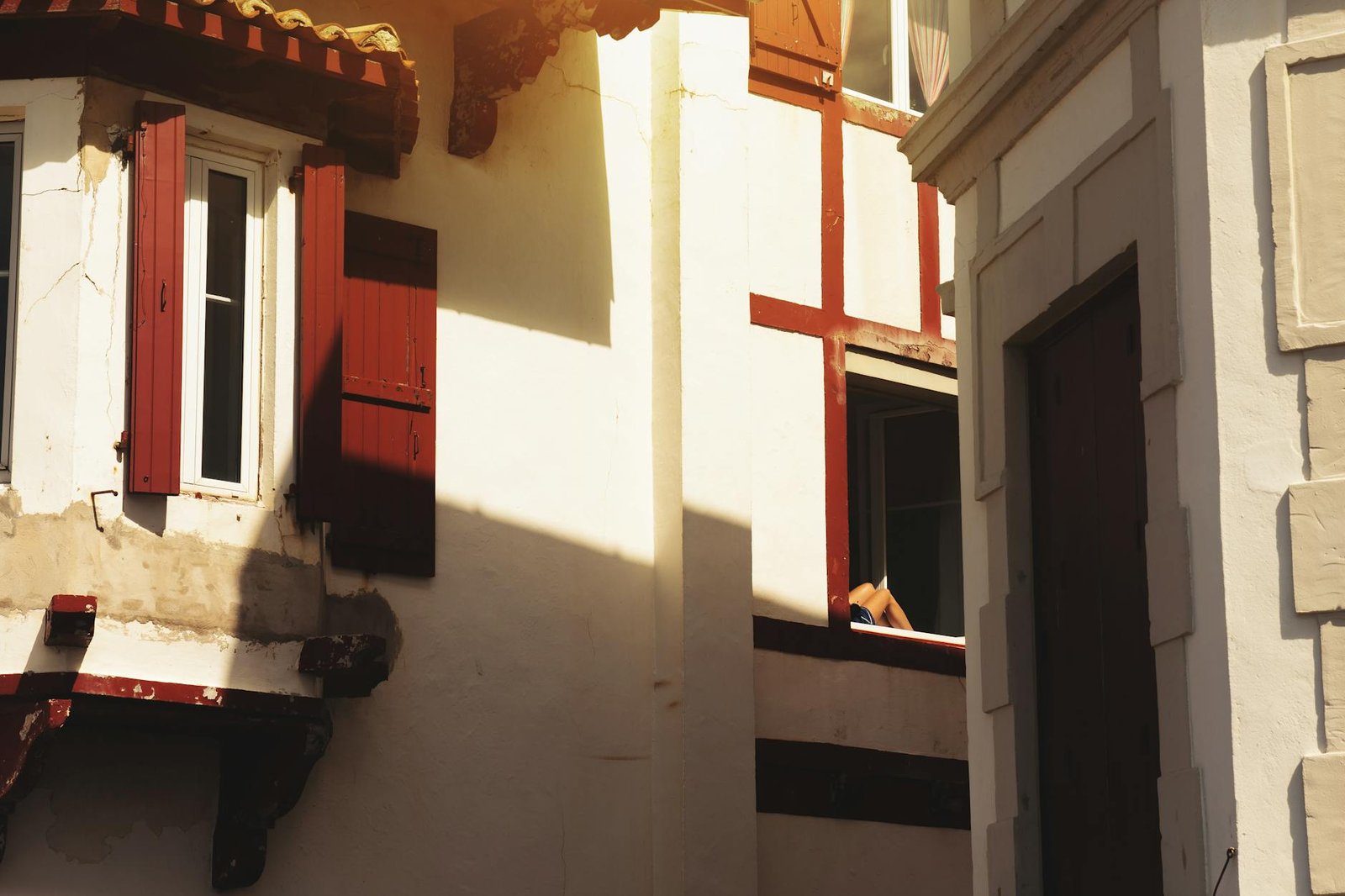
Tucked between the Pyrenees and the Atlantic on France’s southwestern coast, St Jean de Luz is one of the most beguilingly authentic ports you’ll encounter on a Bay of Biscay or Spanish coastal cruise. This compact Basque fishing town is famous among locals but still gloriously under the radar for international travellers — and that’s precisely what makes it special.
Arriving by Ship
St Jean de Luz sits on a sheltered natural bay, and cruise ships anchor offshore, bringing passengers ashore by tender. The process is generally smooth and swift, with tenders depositing you right in the heart of town near the old harbour. From the moment you step onto the quayside you’re surrounded by cherry-red and green Basque shutters, brightly painted fishing boats, and the gentle chaos of a working port. The town centre is entirely walkable, and most major sights are within a short stroll of the tender dock. If you’d rather let someone else do the orientating, a guided city tour is a great way to get your bearings quickly — the Saint Jean de Luz city tour covers the highlights in just 90 minutes and is ideal for those with limited time ashore. 🎟 Book: Saint Jean de Luz city tour For a more interactive experience, the Saint Jean de Luz Scavenger Hunt and Sights Self-Guided Tour lets you explore at your own pace while uncovering the town’s hidden stories. 🎟 Book: Saint Jean de Luz Scavenger Hunt and Sights Self-Guided Tour
Things to Do

Start with the Église Saint-Jean-Baptiste, and you’ll immediately understand why this town carries more historical weight than its size suggests. In 1660, this is where Louis XIV married the Spanish Infanta Maria Theresa — a union that ended a 24-year war between France and Spain. The church door through which the royal couple exited was bricked up immediately afterwards, so no one of lesser status could ever use the same entrance. It’s a wonderfully theatrical piece of history and the church itself is extraordinary, its interior dripping in gold Baroque altarpieces and carved wooden galleries.
From there, wander along the wide sandy beach — Plage de St Jean de Luz — which curves in a gentle arc and remains one of the finest in the Basque Country. The promenade behind it is lined with elegant belle époque villas built during the town’s 19th-century heyday as a fashionable resort. The House of the Infanta, where Maria Theresa stayed before her wedding, and the Maison Louis XIV, where the king himself lodged, both face the harbour and are open to visitors.
If you’re keen to see more of the surrounding region, a day trip combining Biarritz, Bayonne and Saint-Jean-de-Luz makes excellent use of your time and paints a full picture of the Basque coast. 🎟 Book: Biarritz, Bayonne & Saint-Jean-de-Luz day trip
Local Food
The cuisine here is as distinctive as the culture, sitting at the crossroads of French technique and fiercely proud Basque tradition. Start with ttoro, a rich, saffron-tinged fisherman’s stew made with whatever the morning’s catch brought in — this is Basque bouillabaisse, and it’s deeply satisfying. Tuna has been central to the local economy for centuries, and you’ll find it served simply grilled with piperade, the region’s signature sauce of slow-cooked tomatoes, peppers, and onion.
Don’t leave without trying gâteau Basque, a dense, buttery pastry filled with either almond cream or black cherry jam from the nearby village of Itxassou. Pick one up from one of the patisseries along Rue Gambetta — the town’s main shopping street — and eat it on the harbour wall. Pair it with a glass of chilled txakoli, the slightly sparkling, bracingly dry Basque white wine, and you’ll feel like a local within minutes.
Shopping

Rue Gambetta is the main artery for shopping and it’s genuinely good. Linen espadrilles — the flat canvas shoes that originated in this region — are sold here in every colour imaginable, and buying a pair directly from a Basque workshop feels like a far more meaningful souvenir than most cruise port gift shops offer. Look for makhila walking sticks, handcrafted from medlar wood with intricate braided leather handles, which are a traditional Basque artisan product and unique to the region. You’ll also find the distinctive Basque linen fabric — bold red, green and white stripes — woven into tablecloths, tea towels and bags. The covered market, Les Halles, is worth a look for local cheeses, cured meats and preserved tuna if you want edible souvenirs.
Practical Tips
St Jean de Luz operates on French time, meaning shops often close between noon and 2pm for lunch — plan accordingly if shopping is a priority. The euro is the currency, and most places accept cards, though smaller market stalls prefer cash. The town is hilly in parts but the centre is flat and comfortable to walk. Sun can be deceptively strong even in spring and autumn, so bring sunscreen. French is the primary language, but you’ll hear Basque (Euskara) spoken too — a cheerful eskerrik asko (thank you in Basque) will earn you a warm smile from locals.
St Jean de Luz is the kind of cruise port that lingers in the memory long after the ship has sailed — intimate enough to feel like a genuine discovery, yet rich enough in history, food and culture to fill a full day without ever feeling rushed.
🎟️ Things to Book in Advance
These highly-rated experiences fill up fast — book before you arrive to avoid missing out.


This page contains affiliate links. If you book through them, we may earn a small commission at no extra cost to you.
Leave a Reply