

Caribbean
South America
Embarkation Port
Cartagena Cruise Port Guide: Things to Do, Embarkation & Planning Tips.
Colombia
Terminal
Pier / Dock
City centre
About 5-6 km to the Walled City by taxi
Best season
December - April
Best for
History, Old Town walks, Food, Architecture, Embarkation stays
Two ways to use this port
Cartagena at a Glance
This guide is split between a normal port call and an embarkation day. Use the cards below as a quick glossary: port-day sections are for visiting by ship; embarkation sections are for starting or ending your cruise here.
Port Day
Ships dock at the Muelle de Cruceros (Cruise Terminal) in the Manga district, approximately 2 km from the walled Old Town (Ciudad Amurallada).
Choose the Right Port Day
Best Overall
Spend your time in the Walled City and Getsemaní. That is the clearest best use of a Cartagena port day or pre-cruise afternoon.
Book Walk the Walled City from $56Best Beach
Not relevant for most cruisers here. Cartagena is better used for history, food, and old-city wandering than for a beach-focused port day.
With Kids
Use the terminal's small wildlife garden first, then do a short carriage-free Old Town walk and stop for paletas or pastries in the Walled City.
Only 3-4 Hours
Take a taxi from the terminal to the Walled City, walk Plaza Santo Domingo to Plaza Bolívar to Las Bóvedas, then either continue into Getsemaní or head back before traffic builds.
Cheapest Option
Use the free wildlife garden at the terminal, then taxi to the Old Town and explore on foot. Budget roughly $4-15 USD total for simple DIY transport depending on group size and negotiation.
What To Avoid
Do not waste hours lingering in the industrial port area, and be careful with unsolicited guides, street sales pitches, and horse carriage upsells in the historic center.
Quick Take
- Port Type
- Historic city port with embarkation use
- Best For
- Old Town walks, architecture, food, pre-cruise overnight stays, easy city sightseeing
- Avoid If
- You want a walk-off-the-ship beach day or hate heat, traffic, and persistent street sellers
- Walkability
- Poor at the port gate, good once you reach the Walled City or Getsemaní
- Budget Fit
- Good for DIY sightseeing, taxis are usually simpler than long organized tours
- Good For Short Calls?
- Very good if you go straight to the Old Town and skip overplanning
Top Things To Do
1
Cartagena 5 Island Hop Tour: Lunch, Snorkel, Beach Clubs, & More
Out on the water, the Caribbean shifts from green to deep blue as the boat pulls away from the coast, leaving the city skyline behind and the Rosario Islands ahead — the kind of afternoon that makes the history of Cartagena feel like a prequel. The VIP option earns its name with a small-group speedboat and a private beach club that most day-trippers never reach, while the Eco route adds a stop at Pablo Escobar's former island estate for a sharply different story. Either way, this is the excursion for passengers who want open water and white sand rather than cobblestones — just bear in mind the day is spent entirely offshore, so save the Walled City for a later port call or embarkation day.
7hFree cancellation
2
Tour De Palenque, Road to Emancipation.
San Basilio de Palenque was the first free Black settlement in the Americas, and walking its streets while trying ñeque sweets and the local rum tells you more about Colombia's history of resistance than any museum could. What makes this tour the right choice is that it moves through each stop with purpose — dynamic rather than lingering — so you absorb the most important threads of the story without the day dragging. You will be back in Cartagena with time to wander the Walled City if you want it.
5hFree cancellation
Our picks in Cartagena
3
Walk the Walled City
This is the main reason to go ashore. Wander the colonial streets, plazas, churches, balconies, and shaded corners without trying to tick every landmark.
Book Walk the Walled City from $564
Explore Getsemaní
Just outside the old walls, Getsemaní feels more local, more colorful, and less polished. Good for street scenes, murals, cafés, and a looser atmosphere than the historic core.
Book Explore Getsemaní on Viator5
Visit Castillo San Felipe de Barajas
The city's standout fort is worth it if you want one major sight beyond street wandering. It is interesting, but hot and exposed, so go early or skip it if you hate climbing.
Book Visit Castillo San Felipe de Barajas from $160Show 1 more thing to do in Cartagena
6
Do a short food stop in the historic center
A practical way to use limited time: coffee, pastries, ceviche, arepas, or a proper lunch in the Walled City or Getsemaní. Cartagena is better for eating than for rushing between too many attractions.
Book with the ship, or on your own?
Booking independently
- Often noticeably cheaper than the ship’s version of the same tour.
- Smaller groups and local operators, with traveler reviews you can read before you pay.
- Free cancellation on most tours, usually up to 24 hours before.
When the ship’s excursion makes sense
- Short port calls or long transfers where the timing is tight.
- Tender-only stops where getting ashore can run late.
- The ship waits for its own delayed excursions — it won’t wait for independent ones, so leave a buffer before all-aboard.
Going independent? Compare tours in Cartagena → — the best-reviewed ones sell out first.
We may earn a commission when you book through our links, at no extra cost to you — it’s how we keep these guides free.
Port Overview
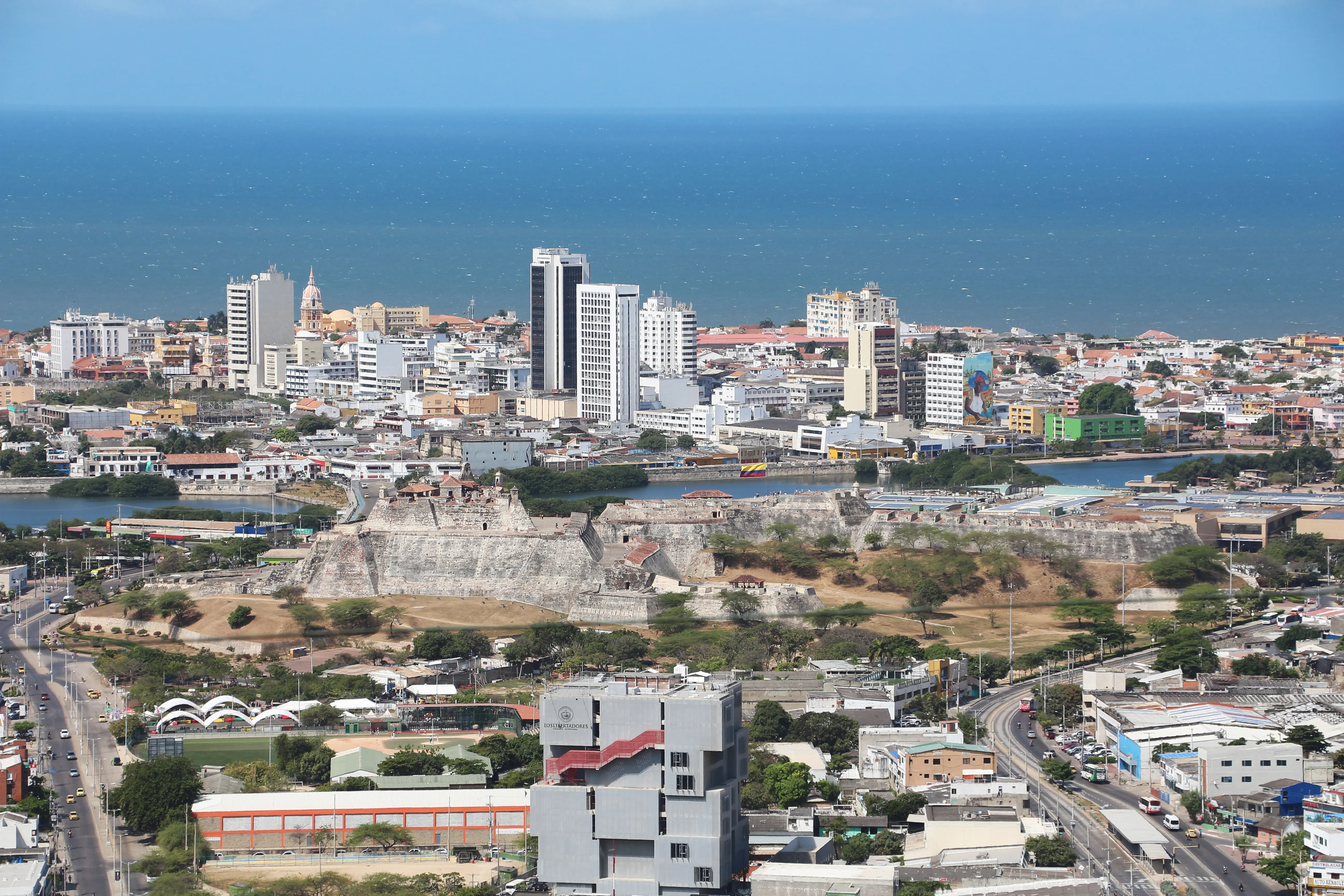
Cartagena's cruise terminal sits in Manga, away from the main tourist core. You do not step straight into the postcard part of town, so most cruisers either take a taxi or join a ship tour into the Walled City and Getsemaní.
That said, Cartagena is absolutely worth going ashore for. The real draw is the compact historic center: colonial streets, plazas, churches, city walls, decent food, and a lot of atmosphere packed into a manageable area.
As an embarkation port, Cartagena is a sensible place to arrive a day early. Major lines including Royal Caribbean, Celebrity, Princess, Holland America, Norwegian, MSC and others call here, and an overnight stay gives you time to handle flight delays, heat, and traffic without starting the cruise stressed.
Is It Safe?
Cartagena is one of the easier Colombian ports for cruise visitors, but it is not a place to switch off completely. The main issues are petty theft, phone snatching, inflated prices, and constant soft-pressure selling in busy tourist zones.
In the Walled City and Getsemaní, keep valuables put away, use official taxis or app rides, and be firm with street vendors and anyone offering unofficial tours. Daytime sightseeing is straightforward; late-night wandering after heavy drinking is a different story and not smart if you do not know the area.
Accessibility & Walkability
The terminal itself is relatively manageable, but Cartagena is only partly easy for wheelchair users or travelers with limited mobility. Historic areas have uneven paving, curbs, narrow sidewalks, and cobblestones in places.
If accessibility matters, use taxis between key points and focus on flatter, shorter routes inside the Walled City rather than trying to cover everything on foot. Heat and shade are practical issues too, not just terrain.
Outside the Terminal
The first impression is not magical Cartagena. You are in a working port zone, with traffic, transport logistics, and a commercial setup rather than the historic center itself.
One nice surprise is the terminal's landscaped area with birds and small animals, which is genuinely pleasant for a short look. After that, most people should move on quickly toward the Old Town instead of lingering near the gate.
Beaches Near the Port
Playa Castillo Grande
A calmer, more residential city beach option than the busiest tourist strips. Fine for a quick dip, not a world-class beach day.
Bocagrande Beach
Closest well-known urban beach area, but expectations should stay modest. Busy, commercial, and often crowded with vendors.
Marbella Beach
Another city beach option north of the center. Better as a quick look or breezy walk than a special beach outing.
Local Food & Drink
Cartagena is a strong food stop by cruise standards. You can eat well in the Walled City and Getsemaní without turning the day into a formal food tour.
Expect Caribbean and Colombian staples, seafood, arepas, tropical fruit, coffee, and plenty of casual cafés. In the most touristy blocks, prices climb fast and quality can be uneven, so it is worth walking one or two streets away from the busiest plazas before sitting down.
Shopping
Shopping is decent if you want souvenirs, coffee, emeralds, fashion, or local crafts, especially around the Walled City and Las Bóvedas. Just keep your guard up with high-pressure sales, especially for jewelry and street-market style pitches.
The port exit area also channels passengers past shops. Fine for a quick browse, but it is not where you will find the best version of Cartagena.
Money & Currency
- Currency
- Colombian peso (COP)
- USD Accepted?
- Yes
- Card Payments
- Cards are widely accepted in hotels, better restaurants, and many shops, but cash is still useful for taxis, tips, and small purchases.
- ATMs
- ATMs are available in the city and commercial areas; use bank-affiliated machines when possible.
- Tipping
- A service charge may appear in restaurants; extra tipping is optional for good service. Small cash tips are common for drivers and porters.
- Notes
- Carry small bills. If paying in USD, expect poor exchange value compared with pesos.
Weather & Best Time
- Best months
- December-April
- Avoid
- September-November for heavier rain and stickier conditions
- Temperature
- Around 80-90°F / 27-32°C
- Notes
- Heat and humidity matter more than the forecast. Short heavy showers are common in wetter periods, but the bigger issue for most cruisers is sun exposure.
Airport Information
- Airport
- Rafael Núñez International Airport (CTG)
- Distance
- ~8-10 km
- Getting there
- Taxi, rideshare, cruise transfer, hotel transfer
- Notes
- This is the obvious airport for Cartagena cruises and is close enough that airport-to-port transfers are usually simple unless traffic is bad.
🏨 Where to Stay Before Your Cruise
Walled City (luxury) — Best for classic Cartagena atmosphere and walkable sightseeing; about 15-20 minutes from the terminal by taxi.
Getsemaní (mid-range) — Lively, character-filled area near the historic center with good dining and easier mid-range choices; about 15-20 minutes from the terminal.
Bocagrande (budget) — Modern hotel zone with practical transport and often better value than the Old Town; about 15-25 minutes from the terminal.
| Budget | Mid-Range | Luxury |
|---|---|---|
| check current rates | check current rates | check current rates |
💡 Pro Tip: If you only have one pre-cruise night, stay where you want to spend the evening rather than closest to the port. The taxi ride on embarkation morning is usually easy enough.
🚕 Getting to Cartagena Cruise Terminal
From the Airport
Rafael Núñez International Airport is the closest and most convenient option by far. Public transit exists but is rarely the best choice with luggage.
- Taxi / Rideshare
- check current rates · ~15-25 min
- Shuttle Bus
- varies by operator · ~20-40 min
- Public Transit
- check current fares · ~45-75 min
🅿️ Port Parking: If parking is offered for cruise departures, check current rates and policies directly with the port or cruise line. Most international cruisers will use taxi, rideshare, or hotel transfers instead.
🚢 Terminal Tips: Have luggage tags attached before you arrive if possible. Porters and check-in staff usually keep things moving, but the terminal exit and taxi flow can feel more chaotic than the actual check-in process.
Planning a cruise here?
AmaWaterways, AIDA Cruises, Royal Caribbean International & more sail to Cartagena.
Getting Around from the Port
Taxi
The simplest option from the port to the Walled City, Getsemaní, Bocagrande, or the airport.
Walking
Useful inside the Walled City and Getsemaní, where most sights are close together.
Ship excursion
Good if you want a bundled transfer and no transport hassle on a short port day.
Private driver or guide
Useful for embarkation day sightseeing with luggage or for a half-day custom city tour.
Details last checked May 2026
Practical Tips for Cruise Passengers
- Cartagena is a practical homeport, but same-day flights are still a gamble. Arriving one day early gives you buffer for delays and lets you board without rushing.
- The cruise terminal is functional, not atmospheric. The real city experience starts once you reach the Walled City or Getsemaní.
- Cartagena's tourist center can be relentless with vendors, unofficial guides, and add-on offers. A polite but direct no works better than engaging in long conversations.
- Cards work in many places, but taxis, tips, snacks, and market buys are easier in local currency. USD may be accepted, but usually at a weak rate.
- On a port day, focus on the Walled City and Getsemaní. Trying to add too many far-flung stops mostly means extra time in traffic.
- Cobblestones, broken paving, and heat can make Cartagena tiring fast. If mobility is an issue, use taxis between short walking sections instead of forcing a long loop.
- For simple city wandering, you usually do not need to carry every travel document. Keep essentials secure and avoid carrying more than you need.
- If you have hours between disembarkation and your flight, sort storage with your cruise line, hotel, or a transfer provider in advance. Dragging bags through the Old Town is miserable.
Frequently Asked Questions
Rafael Núñez International Airport (CTG) is the main airport for Cartagena cruises. It is roughly 8-10 km from the port, usually about 15-25 minutes by taxi depending on traffic.
No, arriving the day before is the smart move. Cartagena is close to the airport, but flight delays and embarkation cutoffs are not worth gambling on.
The Walled City is best for atmosphere and easy sightseeing, while Bocagrande is practical for simpler logistics and often better value. Getsemaní is a good in-between option with character and solid food.
Taxi and rideshare are the easiest options, and some hotels or cruise lines offer transfers. The ride is short in distance, but traffic can stretch travel time.
Cartagena is used by major lines including Royal Caribbean, Carnival, Disney, Celebrity, Princess, Holland America, Norwegian, MSC, Cunard, Windstar, Seabourn, Regent, Oceania, Virgin Voyages, Azamara, Silversea, Crystal, and Lindblad. Not all sail year-round, so check your specific season.
Keep it simple: the Walled City, Getsemaní, and if you have more time, Castillo San Felipe. Those three give you the best return without wasting time in traffic.
Not realistically for most cruisers. The port is outside the main tourist area, so a taxi is the normal way to start your day.
Generally yes for standard daytime sightseeing, but stay alert for pickpocketing, phone theft, and aggressive selling. Use official transport, keep valuables tucked away, and do not flash cash or jewelry.
Find cruises to Cartagena, Colombia
Compare sailings and book with no fees — best price guaranteed.
Also from this port
Embarking a cruise in Cartagena?
Terminal info, hotels, transfers, and which lines sail from here.
Embarkation guide ↓
Pre-Cruise Quick Take
| Best arrival plan | Fly in at least one day before sailing — Cartagena is manageable, but same-day arrival leaves too little margin for flight delays, immigration lines, and city traffic. |
| Main airport | Rafael Núñez International Airport (CTG) |
| Best hotel area | The Walled City is the best area if you want to sightsee on foot and start the trip somewhere memorable, though it is usually pricier and busier. Bocagrande is practical for mid-range stays, easier airport access, and straightforward taxi rides to the port. Getsemaní is a strong middle ground if you want character without full Old Town pricing. |
| Terminal type | Pier |
| Port to city centre | About 5-6 km to the Walled City by taxi |
| Best time to cruise | December - April |
| Cruise lines | AmaWaterways, AIDA Cruises, Royal Caribbean International, TUI Cruises, Holland America Line, Crystal Cruises, Norwegian Cruise Line, Windstar, MSC Cruises, Oceania Cruises, Princess Cruises, Regent Seven Seas Cruises, Azamara, Explora Journeys, Seabourn |
Where to Stay Before Your Cruise
Same-day flights are one of the most common ways cruise trips go wrong. Arriving the night before removes that risk entirely. The The Walled City is the best area if you want to sightsee on foot and start the trip somewhere memorable, though it is usually pricier and busier. Bocagrande is practical for mid-range stays, easier airport access, and straightforward taxi rides to the port. Getsemaní is a strong middle ground if you want character without full Old Town pricing. area gives you easy access to the terminal without the pier-adjacent price premium.
Pre-cruise hotel finder
Compare stays in Cartagena
Priced for one night, checking out the morning your ship sails. Open the map to see how close each hotel is to the terminal.
Want to see how far each one is from the ship? View hotels on a map
We may earn a commission when you book through our links, at no extra cost to you — it’s how we keep these guides free.
Getting from the Airport to the Port
Cartagena is served by Rafael Núñez International Airport (CTG). Here are your transfer options with typical costs and travel times:
-
Rideshare
~15-25 minAvailability can vary around the port and airport, but app-based rides are common in Cartagena.
Check Uber fare -
Taxi
~15-25 minReadily available from Rafael Núñez Airport and the cruise terminal; confirm the fare before starting if no meter is used.
Book a transfer 5% off with code TPO5 at checkout -
Shuttle
~20-40 minSome cruise lines and hotels offer transfer service on embarkation days.
Book a transfer 5% off with code TPO5 at checkout
Details last checked May 2026
Cartagena Cruise Terminal
Cartagena's cruise terminal is a proper pier facility with standard luggage drop and check-in flow for embarkation days. Signage is generally clear, but the terminal complex is not in the tourist center and the exit route often leads through a shopping area before the taxi zone. Outside the gate, expect traffic, drivers, and port logistics rather than a scenic waterfront promenade.
Ships dock at the Muelle de Cruceros (Cruise Terminal) in the Manga district, approximately 2 km from the walled Old Town (Ciudad Amurallada).
Details last checked May 2026
Cruises from Cartagena
Royal Caribbean International
7 Nights Southern Caribbean Cruise
Next: Oct 2026
AmaWaterways
9 Nights South America Cruise
Next: Oct 2026
AmaWaterways
10 Nights South America Cruise
Next: Oct 2026
AmaWaterways
9 Nights South America Cruise
Next: Nov 2026
AmaWaterways
10 Nights South America Cruise
Next: Nov 2026
Royal Caribbean International
6 Nights Southern Caribbean Cruise
Next: Nov 2026
Crystal Cruises
8 Nights Caribbean Cruise
Next: Dec 2026
Crystal Cruises
10 Nights Caribbean Cruise
Next: Dec 2026
Find cruises departing Cartagena
Compare sailings and book with no fees — best price guaranteed.
We may earn a commission when you book through our links, at no extra cost to you — it’s how we keep these guides free.
Check The Date
Cruise Ships in Port
Once you know whether you are visiting or embarking here, use the schedule to see the mix of port calls, embarkations, and disembarkations on your date.
Sun
Mon
Tue
Wed
Thu
Fri
Sat
1
2
3
4
5
6
7
8
1 ship
9
10
11
1 ship
12
1 ship
13
14
15
1 ship
16
1 ship
17
18
1 ship
19
1 ship
20
1 ship
21
22
2 ships
23
1 ship
24
2 ships
25
2 ships
26
27
28
29
30
31
Quiet (1–2)
Busy (3–4)
Packed (5+)
0 scheduled calls
October 17, 2026
No scheduled cruise ship calls were found for this date selection. Pick a highlighted day on the calendar above, widen the range, or search for a different ship or line.
Things to Do Before or After Your Cruise
These are the lower-stress choices for arrival night, embarkation morning, a post-cruise afternoon, or a long layover when luggage, timing, and airport access matter.
1
Walk the city walls at sunset or late afternoon
If you are in town before embarkation or after disembarkation, this is one of the best simple experiences. It is scenic, easy, and does not require a full sightseeing commitment.
2
Use the terminal wildlife garden and shopping area briefly
Not a full excursion, but it is a decent first or last half-hour. Good if mobility is limited or if you are waiting on transfer timing.
3
Take a panoramic drive through Manga and Bocagrande
Useful on arrival or before heading to the airport if you have luggage and a few spare hours. It is more of a practical city overview than a must-do attraction.
4
Spend a full day combining the Walled City, Getsemaní, and San Felipe
This is the best full layover plan if you arrive early or stay after the cruise. It gives you the main historic core plus one headline sight without feeling too fragmented.
Book Spend a full day combining the Walled City, Getsemaní, and San Felipe on Viator5
Have a relaxed arrival-evening dinner in Getsemaní or the Walled City
If you fly in the day before, do not overcomplicate it. A short evening walk and dinner is enough to feel like you actually reached Cartagena instead of just surviving travel day.
Near the Cruise Port
Do not judge Cartagena by the port area
The cruise terminal is functional, not atmospheric. The real city experience starts once you reach the Walled City or Getsemaní.
Safety, Accessibility & Practical Details
Arrive the day before
Cartagena is a practical homeport, but same-day flights are still a gamble. Arriving one day early gives you buffer for delays and lets you board without rushing.
Be firm with street sales pressure
Cartagena's tourist center can be relentless with vendors, unofficial guides, and add-on offers. A polite but direct no works better than engaging in long conversations.
Use pesos for small spending
Cards work in many places, but taxis, tips, snacks, and market buys are easier in local currency. USD may be accepted, but usually at a weak rate.
Keep your sightseeing area tight
On a port day, focus on the Walled City and Getsemaní. Trying to add too many far-flung stops mostly means extra time in traffic.
Historic streets are pretty, not smooth
Cobblestones, broken paving, and heat can make Cartagena tiring fast. If mobility is an issue, use taxis between short walking sections instead of forcing a long loop.
Carry ship ID and a photo ID copy
For simple city wandering, you usually do not need to carry every travel document. Keep essentials secure and avoid carrying more than you need.
Plan luggage storage before a post-cruise tour
If you have hours between disembarkation and your flight, sort storage with your cruise line, hotel, or a transfer provider in advance. Dragging bags through the Old Town is miserable.
Weather & Best Time to Cruise
Best months: December - April
Cartagena is hot and humid year-round. The driest stretch is usually more comfortable for walking, while the wetter months can bring heavy downpours and steam-bath humidity rather than all-day washouts. Peak cruise season is still warm, so plan shade, water, and light clothing.
Frequently Asked Questions
Rafael Núñez International Airport (CTG) is the main airport for Cartagena cruises. It is roughly 8-10 km from the port, usually about 15-25 minutes by taxi depending on traffic.
No, arriving the day before is the smart move. Cartagena is close to the airport, but flight delays and embarkation cutoffs are not worth gambling on.
The Walled City is best for atmosphere and easy sightseeing, while Bocagrande is practical for simpler logistics and often better value. Getsemaní is a good in-between option with character and solid food.
Taxi and rideshare are the easiest options, and some hotels or cruise lines offer transfers. The ride is short in distance, but traffic can stretch travel time.
Cartagena is used by major lines including Royal Caribbean, Carnival, Disney, Celebrity, Princess, Holland America, Norwegian, MSC, Cunard, Windstar, Seabourn, Regent, Oceania, Virgin Voyages, Azamara, Silversea, Crystal, and Lindblad. Not all sail year-round, so check your specific season.
Keep it simple: the Walled City, Getsemaní, and if you have more time, Castillo San Felipe. Those three give you the best return without wasting time in traffic.
Not realistically for most cruisers. The port is outside the main tourist area, so a taxi is the normal way to start your day.
Generally yes for standard daytime sightseeing, but stay alert for pickpocketing, phone theft, and aggressive selling. Use official transport, keep valuables tucked away, and do not flash cash or jewelry.
✉ Sailing to Cartagena? Get your port-day plan
Tell us your sail date and we’ll email you a short Cartagena plan about 60 days out — when the good excursions start selling out — plus a final checklist 2 weeks before. Two emails, then done. We’ll send one note to confirm it’s really you — unsubscribe anytime.
Same itinerary network
View All
Ports Often Paired With Cartagena

Caribbean

US Gulf & Rivers

Caribbean