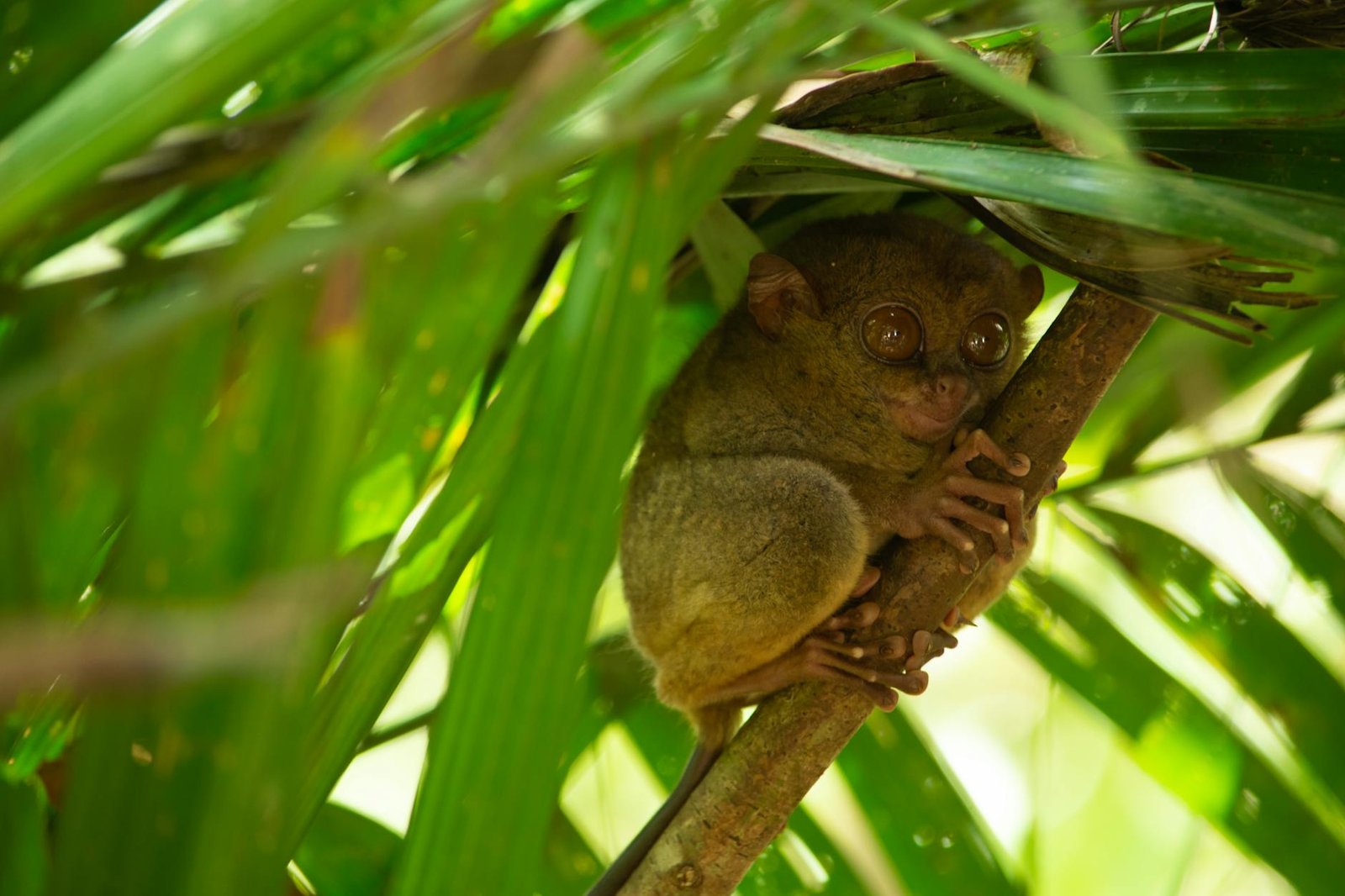
Few cruise stops in Southeast Asia pack as much wonder into a single day as Bohol. This heart-shaped island in the Central Visayas region is home to surreal geological formations, the world’s smallest primate, and a river that doubles as a floating feast. Whether you have six hours or a full day ashore, Bohol delivers the kind of experiences that linger long after the ship has sailed.
Arriving by Ship
Most cruise ships calling at Bohol dock at the Tagbilaran City Pier, the island’s main port and capital. It’s a straightforward arrival — immigration formalities are minimal for cruise passengers, and the pier area is well-organised with taxis, tricycles, and tour operators waiting just outside the gates. Some itineraries also anchor off Panglao Island, requiring a short tender ride ashore. Either way, you’ll find yourself in a friendly, manageable city that’s easy to navigate. English is widely spoken, which makes asking for directions or negotiating fares stress-free. The local currency is the Philippine Peso (PHP), and there are ATMs and money changers near the pier.
Things to Do

The headline act is undeniably the Chocolate Hills — roughly 1,200 perfectly cone-shaped limestone mounds that turn a rich chocolate-brown during the dry season. Seeing them from the viewing deck in Carmen feels genuinely otherworldly, like standing on a different planet. Pair this with a visit to the Philippine Tarsier Sanctuary in Corella, where you’ll come face-to-face with one of the planet’s most ancient and enchanting primates. These enormous-eyed creatures are tiny enough to fit in your palm and are strictly protected — the sanctuary is a model of responsible wildlife tourism. For a seamless combination of both, consider booking a dedicated day tour. 🎟 Book: Exclusive Bohol,Philippines Chocolate Hills-Tarsier Tour For those who prefer to add a natural element to the Chocolate Hills experience, the ecotour option includes a waterfall visit for a fuller immersion in Bohol’s landscape. 🎟 Book: Bohol Chocolate hills and Waterfalls Ecotour
Beyond the hills and tarsiers, the Loboc River Cruise is a beloved highlight — a slow float through thick jungle on a bamboo raft while a local band plays and you eat a buffet lunch. It’s kitschy in the best possible way. History lovers should visit the Baclayon Church, one of the oldest stone churches in the Philippines, built by Jesuit priests in the 16th century. For something more active, the emerald waters around Panglao Island are considered among the Philippines’ best diving and snorkelling spots. A private tour combining the Chocolate Hills, tarsiers, and river cruise is an efficient way to cover the essentials without feeling rushed. 🎟 Book: Private Bohol and Chocolate Hills with Loboc River Cruise
Local Food
Bohol’s food scene is rooted in Visayan flavours — bold, slightly sweet, and deeply satisfying. Lechon (whole roasted pig) is the celebration dish of the Philippines, and Bohol does it exceptionally well, with crackling skin and tender, spiced meat that you’ll find at roadside stalls and local restaurants alike. Don’t leave without trying puso (hanging rice), rice cooked inside woven coconut leaves that locals eat with almost everything — it’s as practical as it is delicious.
The Loboc River area is famous for its floating restaurants, where you’ll eat grilled seafood and rice dishes while drifting through jungle scenery. For something sweet, kalamay — a sticky rice cake made from glutinous rice, coconut milk, and brown sugar — is Bohol’s most iconic pasalubong (souvenir food). You’ll see it sold in bamboo tubes at markets and roadside shops throughout the island. Wash it all down with fresh buko (young coconut), served chilled and straight from the shell.
Shopping

Tagbilaran’s BQ Mall and the Cogon Market are the best spots for picking up souvenirs without overinflated tourist prices. Look for handwoven products made from rattan and bamboo — baskets, placemats, and bags that reflect the island’s strong weaving tradition. Kalamay in its decorative bamboo containers makes an excellent edible gift. Shell crafts, pearl jewellery, and locally made ceramics are also widely available. Along the Chocolate Hills road, small vendors sell t-shirts and novelty items, though for quality and variety, Tagbilaran’s markets are your better bet. Bargaining is acceptable at markets but not in fixed-price shops — a polite, smiling negotiation style goes a long way.
Practical Tips
Bohol’s roads can be slow, especially during festivals or peak season, so prioritise your must-sees and build in buffer time before your all-aboard. Tricycles (motorcycle sidecars) are the cheapest way to cover short distances, while multicabs and jeepneys connect towns affordably. Hiring a private van for the day gives you the most flexibility, especially if your ship time is limited. The sun is intense — pack sunscreen, a hat, and a light layer for air-conditioned venues. Tipping is appreciated at restaurants and for guides; 10% is the informal standard. If your ship’s schedule allows an overnight or you’re considering an island-hopping extension, the ferry to nearby Siquijor is a fascinating option for exploring another enchanting island in the region. 🎟 Book: Ferry Transfer from/to Bohol to Siquijor
Bohol rewards the curious traveller — one who’s willing to peer through jungle foliage at a creature the size of a fist, climb a hill that looks like a giant’s garden, and drift down a river while lunch is handed to them on a banana leaf. It’s one of those rare cruise ports that feels like far more than a stopover.
🎟️ Things to Book in Advance
These highly-rated experiences fill up fast — book before you arrive to avoid missing out.


This page contains affiliate links. If you book through them, we may earn a small commission at no extra cost to you.
Leave a Reply