


Mediterranean
Mediterranean
Sète Cruise Port Guide: Things to Do, Beaches & Transport Tips
France
Ships dock directly at the modern cruise terminal in the heart of Sete's port, within walking distance of the city center.
Choose the Right Port Day
Best Overall
Spend the morning exploring the canal town and market, eat moules or a tielle at a waterfront restaurant, then take a taxi to Plage de la Corniche for a couple of hours before the ship.
Best Beach
Plage de la Corniche is the closest decent beach, about 2 km from the port by taxi or a short bus ride.
With Kids
Take the petit train around the canal network for an easy scenic loop, then grab ice cream on the waterfront.
Only 3-4 Hours
Walk along the Grand Canal to the fish market, stop for a tielle (local seafood pie) and a glass of Picpoul wine, then stroll the covered Marché des Halles before heading back.
Cheapest Option
Walk to the Halles market, eat lunch at a stall, and walk the canal path — under €20 per person including lunch and wine.
What To Avoid
Organised ship excursions to Montpellier can feel rushed for what is essentially a 30-minute bus ride you can do independently. Skip the tourist shops near the dock — they're generic and overpriced.
Quick Take
- Port Type
- Canal Town & Beach Port
- Best For
- Walkers who enjoy authentic French market towns, canal-side dining, and Mediterranean beaches without the crowds of Marseille or Barcelona.
- Avoid If
- You want a big-city buzz or major landmarks — Sète is small and low-key.
- Walkability
- Good. The canal-side centre is compact and flat; the old quarter climbs a hill but is manageable.
- Budget Fit
- Strong. Food, wine, and beaches are all reasonably priced by French Riviera standards.
- Good For Short Calls?
- Yes — the town itself is fully doable in 3–4 hours, leaving time for a beach stop.
Top Things To Do
1
3 Hour of Sea Kayak Trip in the Creeks of Sete
Discover the Sete's cliffs of the corniche, small marine caves, rocks, hidden beaches, with sea-kayaks.
3h
2
SÈTE EXPERIENCE guided miniboat tour on the Royal Canal
A unique guided eco-tour to discover Languedoc Venice from an unusual angle in slow tourism mode, completely carbon-free, silent and respectful of the environment. It's a…
45m
Our picks in Sète
3
Walk the Grand Canal & Les Halles Market
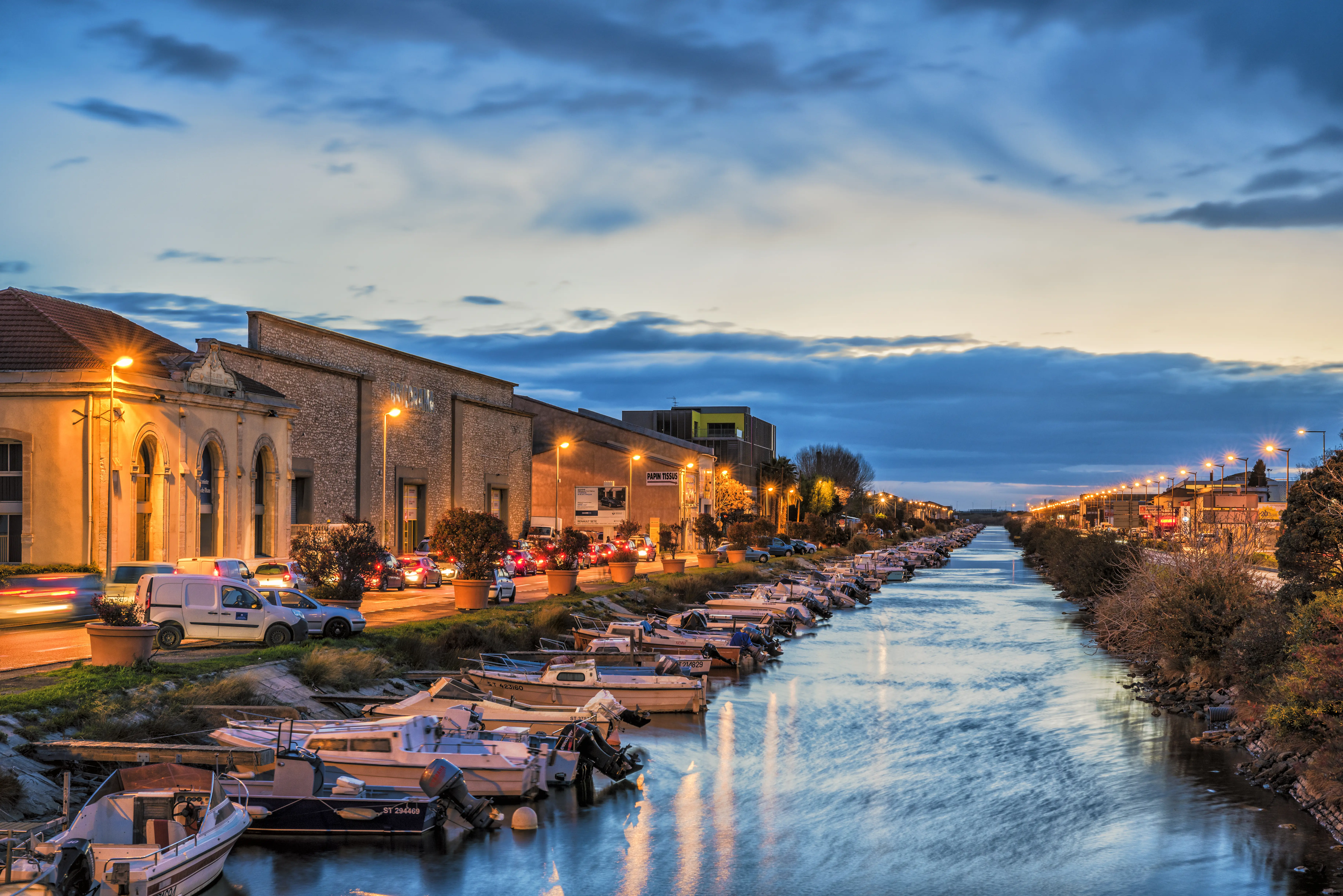
The Grand Canal is the spine of Sète — lined with fishing boats, bistros, and locals going about their day. Les Halles covered market nearby sells excellent cheese, charcuterie, seafood, and local wine. This is genuinely the heart of the Sète experience.
4
Tielle & Picpoul Wine Lunch
Tielle Sétoise is the town's signature dish — a small octopus and tomato pie sold in bakeries and markets. Pair it with a glass of Picpoul de Pinet, the crisp local white wine from just up the road. Cheap, local, and genuinely good.
5
Climb Mont Saint-Clair
The hill above Sète offers panoramic views over the Étang de Thau lagoon on one side and the Mediterranean on the other. Worth the climb on a clear day. The Chapelle Notre-Dame-de-la-Salette is at the top.
Show 2 more things to do in Sète
6
Day Trip to Montpellier
A straightforward 30-minute train ride gets you into one of France's liveliest cities — excellent for architecture, the Place de la Comédie, covered market, and café culture. A smart option if you've already seen Sète or want a bigger urban experience.
7
Étang de Thau Oyster Tasting
The lagoon behind Sète is one of France's main oyster and mussel farming areas. Several producers offer tastings directly from their tables — fresh, local, and very affordable. Check what's operating on your visit day.
Book with the ship, or on your own?
Booking independently
- Often noticeably cheaper than the ship’s version of the same tour.
- Smaller groups and local operators, with traveler reviews you can read before you pay.
- Free cancellation on most tours, usually up to 24 hours before.
When the ship’s excursion makes sense
- Short port calls or long transfers where the timing is tight.
- Tender-only stops where getting ashore can run late.
- The ship waits for its own delayed excursions — it won’t wait for independent ones, so leave a buffer before all-aboard.
Going independent? Compare tours in Sète → — the best-reviewed ones sell out first.
We may earn a commission when you book through our links, at no extra cost to you — it’s how we keep these guides free.
Check The Port Traffic
Cruise Ships in Port
Once you have your shore plan, use the schedule to see how busy the harbour will be on your date, plus the ships, lines, and published call windows.
Sun
Mon
Tue
Wed
Thu
Fri
Sat
1
2
3
4
5
6
7
8
9
10
11
12
13
1 ship
14
15
16
17
1 ship
18
19
20
1 ship
21
22
23
24
25
1 ship
26
27
28
2 ships
29
30
Quiet (1–2)
Busy (3–4)
Packed (5+)
0 scheduled calls
September 21, 2026
No scheduled cruise ship calls were found for this date selection. Pick a highlighted day on the calendar above, widen the range, or search for a different ship or line.
Port Overview
Ships dock at the commercial pier in the Port de Sète, which sits on the western edge of the city near the Étang de Thau lagoon. It's a working industrial port, so the immediate surroundings are functional rather than scenic, but the canal centre is only about 1–1.5 km on foot — an easy 15–20 minute walk or a very short taxi ride.
Sète often gets called the 'Venice of Languedoc,' which is an overstatement, but the canal network is genuinely charming. This is a real working French town — fishermen, local markets, affordable restaurants — not a polished tourist trap. That authenticity is exactly why it's worth going ashore.
The town is small enough to cover in half a day, which makes it a smart stop for cruisers who want a relaxed, genuine French experience without logistics headaches. Montpellier is also reachable by train in around 30 minutes if you want a bigger city fix, though Sète itself is usually the better use of a port day here.
Is It Safe?
Sète is a safe, low-stress port. Normal precautions apply — keep an eye on bags in the market and on busy waterfront areas — but this is not a high-pickpocket zone by Mediterranean standards. The port walking route to town is straightforward in daylight. No areas of particular concern for cruisers during typical shore hours.
Accessibility & Walkability
The canal-side promenade and market area are flat and mostly manageable for wheelchairs and mobility aids. The historic quarter climbing Mont Saint-Clair involves steep streets and steps and is not wheelchair-friendly. The pier itself is a standard flat commercial dock. Taxis are the most practical option for mobility-limited passengers wanting to reach the town centre without the walk.
Outside the Terminal
The immediate port exit is functional port infrastructure — warehouses, gates, freight areas. Don't expect a welcoming promenade right outside the ship. Once you clear the port gate, the character changes quickly and the canal path into town begins within a few minutes on foot. There may be a taxi queue near the exit on busy ship days.
Beaches Near the Port
Plage de la Corniche
The most accessible beach from the port — a long sandy stretch south of the town centre with clear Mediterranean water. It gets busy in summer but is generally clean and well-organised with beach bars and sun lounger rentals.
Plage des Quilles
A quieter alternative further along the coast, less developed and more relaxed. Better if you want to avoid summer crowds.
Local Food & Drink
Sète punches above its weight for food. The local specialities are worth seeking out: tielle Sétoise (that octopus pastry), bourride Sétoise (a local white fish stew), and anything involving oysters or mussels from the Étang de Thau. Canal-side restaurants along the Grand Canal are the obvious choice — pick one with a posted menu in French rather than tourist menus in five languages, which tend to be cheaper and better.
Picpoul de Pinet is the wine to drink here — it's produced just up the road and is crisp, salty, and perfect with seafood. A carafe of house wine at lunch is perfectly normal and inexpensive. Les Halles market is the best quick-lunch stop: grab a tielle, some cheese, and a glass of wine at a market stall.
Shopping
Sète's shopping is mostly local rather than tourist-oriented, which is a good thing. The Halles market is the best stop for food to take back to the ship — local wines, tielles, tapenade, and regional products. There are some independent boutiques in the canal quarter. The souvenir shops near the port entrance are generic and skippable.
Money & Currency
- Currency
- Euro (EUR)
- USD Accepted?
- No
- Card Payments
- Good in most restaurants and shops; some smaller market stalls are cash only
- ATMs
- Several ATMs in the town centre near the market and main streets
- Tipping
- Not obligatory in France; rounding up or leaving 5–10% is appreciated but never expected
- Notes
- Carry some small cash for market purchases and tielle bakeries.
Weather & Best Time
- Best months
- May, June, September, October
- Avoid
- August is very hot and crowded; July is busy but manageable
- Temperature
- 22–30°C (72–86°F) in summer; mild in spring and autumn
- Notes
- The Tramontane wind can be strong and gust-driven — light layers are useful even on warm days.
Airport Information
- Airport
- Montpellier–Méditerranée Airport (MPL)
- Distance
- Approximately 30 km
- Getting there
- Taxi to the airport takes around 30–40 minutes; check locally for current rates. Shuttle buses are available from Montpellier city centre.
- Notes
- If flying in before a cruise, Montpellier offers a better range of accommodation and transport connections than Sète itself.
Getting Around from the Port
Walking
The canal centre, market, and waterfront restaurants are all reachable on foot from the pier.
Taxi
Taxis are usually available near the port entrance and are the easiest option for beach transfers.
Book a transfer 5% off with code TPO5 at checkoutLocal Bus
Hérault Transport buses connect the port area with the town centre and beaches.
Book bus ticketsTrain to Montpellier
Sète train station is about 1.5 km from the pier; direct trains run frequently to Montpellier Saint-Roch.
Book train ticketsPetit Train
A small tourist train runs along the canals and waterfront, useful with kids or if you want a quick orientation.
Book train ticketsDetails last checked April 2026
Planning a cruise here?
Viking Ocean Cruises, Seabourn, Oceania Cruises & more sail to Sète.
Practical Tips for Cruise Passengers
- Get ashore early — the market is at its best before noon and the best produce sells out.
- Download the SNCF app before you arrive if you plan a day trip to Montpellier; you can buy train tickets on your phone without queuing.
- Ask for Picpoul de Pinet specifically when ordering white wine — it's local, excellent, and often cheaper than imported wines on the same menu.
- Tielle Sétoise is sold at bakeries all around the market area — you don't need to buy one at an expensive restaurant; street price is far better value.
- Confirm your ship's all-aboard time carefully and allow at least 30 extra minutes if you've taken the train to Montpellier — Sète station is not right at the pier.
- The canal-side restaurants with handwritten chalkboard menus and a local crowd are almost always better value than the ones with laminated photo menus near tourist areas.
Frequently Asked Questions
Yes, if you enjoy authentic French town life, good food, and a relaxed pace. It's not a bucket-list port, but it's a genuinely pleasant and affordable day ashore with minimal crowds compared to bigger Mediterranean stops.
Yes — it's around 1–1.5 km along a flat route and takes about 15–20 minutes. Taxis are also available at the port gate if you prefer.
It's a good option if you want a bigger city experience — 30 minutes by train and easy to navigate independently. That said, Sète itself usually rewards a slower approach more than rushing to Montpellier and back.
Yes — Plage de la Corniche is about 2–3 km from the port, accessible by taxi in 10 minutes. It's a solid Mediterranean beach, nothing spectacular but clean and enjoyable for a couple of hours.
A tielle Sétoise is a small pastry filled with octopus, tomatoes, and spices — the town's signature snack. Pick one up at any bakery near the Halles market; they cost a few euros and are worth trying.
From the News Hub
The Cheapest Cruise Is Not the Cheapest Holiday The fare looked cheap. Then we priced the part after the gangway: independent activities, port levies and 17,539 sailings.Find cruises to Sète, France
Compare sailings and book with no fees — best price guaranteed.
We may earn a commission when you book through our links, at no extra cost to you — it’s how we keep these guides free.
✉ Sailing to Sète? Get your port-day plan
Tell us your sail date and we’ll email you a short Sète plan about 60 days out — when the good excursions start selling out — plus a final checklist 2 weeks before. Two emails, then done. We’ll send one note to confirm it’s really you — unsubscribe anytime.
Same itinerary network
View All
Ports Often Paired With Sète
Mediterranean

Mediterranean

Mediterranean
