


Africa & Middle East
Africa & Middle East
Jeddah Cruise Port Guide: Things to Do & Practical Tips
Saudi Arabia
Ships dock at King Abdulaziz Port with direct pier access to the terminal.
Choose the Right Port Day
Best Overall
Spend 3–4 hours exploring Al-Balad's narrow alleys, traditional coral architecture, and street life with a local guide or small group tour ($30–50 USD). It's the most authentic and time-efficient use of a Jeddah port day.
Book Al-Balad (Old Town) Guided Walk from $30Best Beach
Jeddah has Red Sea beaches (Al-Nuzha, Al-Sharm) 20–30 km south, but they require half a day and taxi/tour; not practical for short stops. Skip if under 6 hours.
With Kids
Jeddah Corniche waterfront promenade is safe, flat, and family-friendly; walk the shoreline, visit the sculpture gardens, grab ice cream. No cost. Do not let kids out of sight; crowds and traffic pick up midday.
Only 3-4 Hours
Take a taxi to Al-Balad (Jeddah Old Town), walk the traditional streets and coral buildings for 90 minutes, grab lunch at a local café, return to port. Total cost under $20 USD.
Cheapest Option
Walk the Corniche from port (free), visit Al-Balad on foot or via shared taxi ($2–4), eat at a local diner (falafel, shawarma $3–5 USD). Total under $15 USD for 4–5 hours.
What To Avoid
Do not assume you can rent a car or wander solo into residential areas; women should dress conservatively and avoid walking alone at dusk. Avoid expensive resort excursions; local street exploration and guided old-town tours give better value.

Quick Take
- Port Type
- Gateway urban port
- Best For
- Pre-cruise stays, short city walks, Islamic architecture, embarkation/disembarkation hub
- Avoid If
- You want beaches, snorkeling, or all-day shore excursions; port is mainly a transit point
- Walkability
- Downtown Jeddah waterfront is walkable (1–2 km); old town requires guided access; hills and heat limit casual exploration
- Budget Fit
- Moderate; taxis cheap, meals affordable, most sights free or low-cost entry
- Good For Short Calls?
- Yes; port is ideal for 4–6 hour visits if you stay near the waterfront or old town

Top Things To Do
1
Guided Tour in Jeddah by local woman
Experience Jeddah like a native with a female tour guide. The tour starts in Albalad, or "Jeddah old town, we will begin the walking tour from…
3h
2
Historic District Tour in Jeddah By a Local Guide
Discover the heart of Jeddah in Al-Balad, the city's most iconic archaeological and heritage district. Recognized as a UNESCO World Heritage Site since 2014, Al-Balad offers…
3h
Our picks in Jeddah
3
Al-Balad (Old Town) Guided Walk
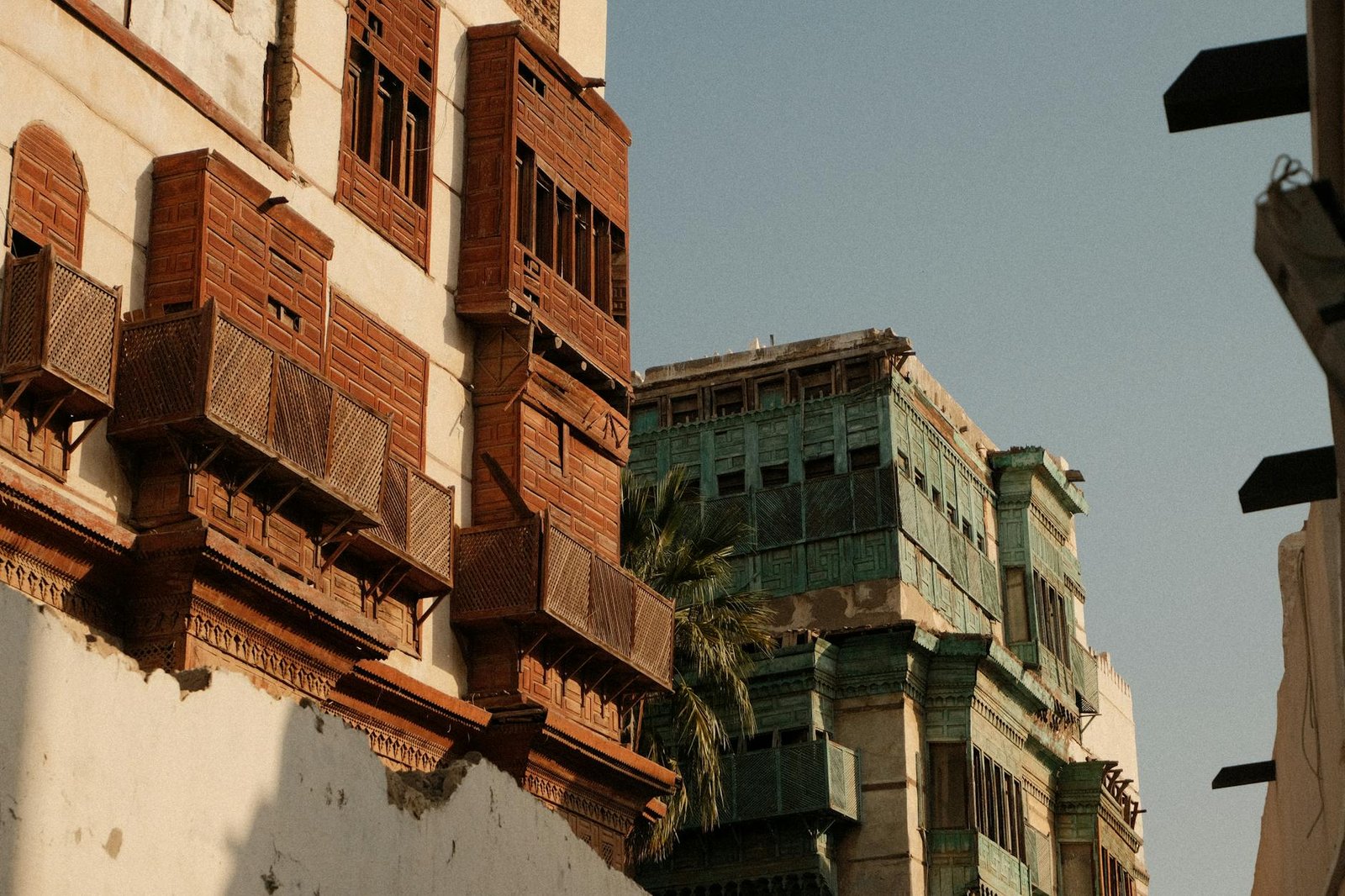
Jeddah's historic core: preserved coral stone buildings, traditional narrow alleys, small souks, and authentic street life. Most buildings date to the 17th–19th centuries. Guides point out former merchants' houses, the old port walls, and cultural landmarks. Photography is possible but respect locals' privacy.
4
Jeddah Corniche Waterfront Walk
A modern, flat promenade along the Red Sea shoreline. Features landscaped parks, public sculpture, traditional sailing boats moored offshore, palm trees, and cafés. Safe, clean, and family-friendly. Good for photos and people-watching. No entry fee.
5
Red Sea Beach Excursion (Half-Day)
Jeddah's Red Sea beaches (Al-Nuzha, Al-Sharm) are 20–30 km south. Modern beach clubs with sun loungers, snorkeling equipment, and changing facilities. Water is warm and clear. Beaches are segregated (specific days/times for families, women-only, men-only sections). Snorkeling is good but not world-class.
Show 1 more thing to do in Jeddah
6
Nasseef House & Port Museum
A preserved 18th-century merchant house in Al-Balad, recently restored and opened as a small cultural museum. Displays period furniture, artifacts, and explains the history of the Jeddah trading port. Modest but worthwhile if in the old town.
Book with the ship, or on your own?
Booking independently
- Often noticeably cheaper than the ship’s version of the same tour.
- Smaller groups and local operators, with traveler reviews you can read before you pay.
- Free cancellation on most tours, usually up to 24 hours before.
When the ship’s excursion makes sense
- Short port calls or long transfers where the timing is tight.
- Tender-only stops where getting ashore can run late.
- The ship waits for its own delayed excursions — it won’t wait for independent ones, so leave a buffer before all-aboard.
Going independent? Compare tours in Jeddah → — the best-reviewed ones sell out first.
We may earn a commission when you book through our links, at no extra cost to you — it’s how we keep these guides free.
Check The Port Traffic
Cruise Ships in Port
Once you have your shore plan, use the schedule to see how busy the harbour will be on your date, plus the ships, lines, and published call windows.
Sun
Mon
Tue
Wed
Thu
Fri
Sat
1
2
3
4
5
6
7
8
9
10
11
12
13
14
15
16
17
18
19
20
21
1 ship
22
23
24
25
26
27
28
29
30
Quiet (1–2)
Busy (3–4)
Packed (5+)
0 scheduled calls
September 8, 2026
No scheduled cruise ship calls were found for this date selection. Pick a highlighted day on the calendar above, widen the range, or search for a different ship or line.
Port Overview
Jeddah is Saudi Arabia's main cruise port and a historic gateway to Mecca. Ships dock at Jeddah Islamic Port (a modern pier facility), just north of the city center. The port itself is functional but not tourist-oriented; the real Jeddah lies 2–5 km inland: a compact, walkable old town (Al-Balad) with preserved coral buildings, a busy Corniche promenade, and a relatively cosmopolitan urban vibe for the region.
Most cruisers use Jeddah for embarkation, pre-cruise overnights, or 4–8 hour port calls. The Red Sea beaches exist but are 20+ km away. The old town is the main draw: narrow streets, souks, traditional architecture, and authentic local life are best experienced on foot or via a short guided tour. Expect heat (40°C+ in summer), conservative dress codes, and limited English outside tourist zones.
Jeddah is not a typical Caribbean-style port; it's a working city with genuine character. If you have only 3–4 hours, the Corniche and Al-Balad walk are worth it. If you have 6+ hours, a guided old-town tour or a Red Sea beach run become options. The port is efficient for transits but lacks resort amenities.

Is It Safe?
Jeddah is one of Saudi Arabia's safest cities for foreign visitors, especially in tourist zones (Corniche, port, Al-Balad). Petty theft is rare; violent crime against tourists is extremely uncommon. However, be aware: traffic is chaotic and drivers unpredictable; use crosswalks and stay alert. Respect local customs strictly—conservative dress is required (women: abaya or long sleeves and long pants; men: long pants, covered shoulders). Public displays of affection are not acceptable. Do not photograph people, military sites, or government buildings without permission. Alcohol is strictly prohibited; do not attempt to bring it onshore. LGBTQ+ travelers should be extremely discreet; same-sex public displays are illegal. Solo female travelers should avoid walking alone at dusk and should not initiate conversations with unfamiliar men; travel with a guide or group if possible. The city is under religious police scrutiny during prayer times; shops close and streets empty—avoid being out during calls to prayer if unfamiliar with the routine.

Accessibility & Walkability
Jeddah port terminal is modern and wheelchair-accessible. The Corniche promenade is flat and wheelchair-friendly for 1–2 km. Al-Balad (old town) is NOT wheelchair-accessible: streets are narrow, uneven, steep in places, and lined with steps and uneven pavement. If mobility is limited, stick to the Corniche, nearby cafés, and port-area shops. Taxis can accommodate wheelchairs but request in advance. Accessible restrooms exist at the port terminal and some modern cafés on the Corniche. Curb cuts are inconsistent in the old town.

Outside the Terminal
Exiting the Jeddah Islamic Port terminal, you emerge into a modern, organized port facility with clear signage. Taxis, car rental desks, and a small café are immediately visible. Outside the gate, the first 100 meters are paved and controlled; you'll see port workers, shipping containers, and commercial traffic. The Corniche waterfront is about 1 km away on foot or 5 minutes by taxi. If walking, follow signs toward the water; the route is safe and relatively flat. If heading to Al-Balad, expect narrow, busier streets with local traffic and small shops—noise and activity rise sharply. The area directly outside the port is not a tourist zone; use a taxi or guided group if unsure of directions.

Beaches Near the Port
Al-Nuzha Beach
Jeddah's main public beach club. Wide sandy shore, clear water, modern facilities (changing rooms, showers, loungers, cafés). Segregated sections for families/women-only/men-only at different times. Snorkeling available. Crowded on weekends.
Al-Sharm Beach
A quieter, smaller beach alternative south of Al-Nuzha. Less crowded, similar facilities, good for a calm swim. Snorkeling is possible. Less developed than Al-Nuzha.

Local Food & Drink
Jeddah's food scene is affordable and authentic. Local specialties include shawarma (seasoned meat in flatbread, $2–4 USD), falafel (deep-fried chickpea paste, $1–3 USD), and kabsa (spiced rice with grilled meat, $4–7 USD). These are best found in small street vendors and local diners in Al-Balad and near the Corniche. Seafood is excellent and cheap at casual waterfront restaurants (grilled fish, shrimp, $6–12 USD per plate). Coffee (Arabic or Turkish) and dates are ubiquitous and inexpensive ($1–2 USD). Women should note that some traditional restaurants have family-only (mixed-gender) and singles (male-only) sections; your guide or hotel can advise. Alcohol is illegal; soft drinks, Arabic coffee, and tea are the norm. Street food is generally safe if busy and freshly prepared; avoid undercooked meat and tap water (drink bottled water, $1 USD per bottle).

Shopping
Jeddah's main shopping is in Al-Balad's traditional souks (spice, textile, jewelry markets) and on the Corniche in modern malls (Red Sea Mall, Jeddah Mall). Old-town souks sell spices, frankincense, dates, fabrics, and souvenirs; haggle is expected and fun. Prices are low compared to Western markets. Modern malls have global brands and local boutiques; no haggling, prices fixed. Women's abayas, prayer rugs, and Islamic art are popular souvenirs. Friday is the Islamic holy day; most shops close midday during prayer times. Bring cash (Saudi Riyals) or use cards; both are widely accepted in shops and malls.
Money & Currency
- Currency
- Saudi Riyal (SAR); 1 USD ≈ 3.75 SAR (rate stable)
- USD Accepted?
- Yes
- Card Payments
- Visa and Mastercard widely accepted in malls, restaurants, and modern shops. American Express less common. Chip/contactless preferred. Cash is king in souks and small eateries.
- ATMs
- ATMs throughout the city, including the port terminal. Withdraw SAR to avoid poor exchange rates at shops.
- Tipping
- Not obligatory. 5–10% is appreciated in upscale restaurants; small change left at street food stalls or cafés is polite but not required. Tour guides typically receive $5–10 USD at the end of the tour.
- Notes
- Port terminal has currency exchange and ATMs. Withdraw cash if planning to explore souks or eat street food. Credit cards work but not everywhere; don't assume.
Weather & Best Time
- Best months
- November to April (mild, 20–30°C, low humidity)
- Avoid
- June to September (45°C+, extremely hot and humid; little shade, dehydration risk)
- Temperature
- November–April: 20–30°C, pleasant, occasional rain. May–June: 35–40°C, hot, minimal rain. July–September: 45°C+, dangerously hot, avoid if possible.
- Notes
- Jeddah is on the Red Sea coast; humidity is high year-round. Always wear sunscreen, a wide-brimmed hat, and carry water. Dress lightly (cotton, loose clothing) but conservatively (long sleeves, long pants required). Summer port calls are brutal; plan indoor activities (malls, museums) and hydrate constantly.
Airport Information
- Airport
- King Abdulaziz International Airport (JED)
- Distance
- 20 km north of port
- Getting there
- Taxi or Uber/Careem app ($15–25 USD), organized cruise-line transfers, rental car. 30–50 minutes depending on traffic.
- Notes
- Many cruisers do pre-cruise stays near the airport or in Jeddah city. Airport has modern facilities, restaurants, hotels. Useful if flying in from Europe or Asia. Arrange transport through your cruise line or book a taxi/Uber in advance.
Getting Around from the Port
Taxi
White taxis with meters; negotiate fare beforehand or use Uber/Careem apps. Drivers generally honest but traffic is heavy. Taxis line up outside the port terminal.
Book a transfer 5% off with code TPO5 at checkoutWalking
The Corniche is directly accessible from port; Al-Balad (old town) is 1–2 km inland and walkable but requires navigation and is hilly in spots.
Guided shore excursion
Cruise lines (MSC, Royal Caribbean, others) offer 4–8 hour old-town tours, Red Sea beach runs, and historical site visits. Usually include transport and English-speaking guide.
Rental car or private driver
Possible but not practical for short port days. Requires international driving permit and comfort with aggressive local traffic; females are legally allowed but often uncomfortable driving.
Book a transfer 5% off with code TPO5 at checkoutDetails last checked April 2026
Planning a cruise here?
Explora Journeys, Oceania Cruises, Regent Seven Seas Cruises & more sail to Jeddah.
Practical Tips for Cruise Passengers
- Book a guided old-town tour onboard your ship before arrival; small-group tours (4–8 people) with English-speaking guides are safer and richer than solo wandering, especially for first-timers.
- Withdraw Saudi Riyals from the ATM at the port terminal before heading into the city; souks and street vendors don't take cards and USD exchange rates at shops are poor.
- Dress conservatively from the moment you leave the ship—long sleeves, long pants, covered shoulders—to avoid unwanted attention and show respect for local culture.
- Avoid the old town during prayer times (5 times daily, announced via loudspeaker); streets empty, shops close, and it feels eerie—plan your walk before or after peak prayer hours.
- If you're female, travel with a guide or group rather than alone; the city is safe but cultural norms are strict, and solo female exploration can draw attention or discomfort.
- The Red Sea beaches are 20–30 km away; only book a beach excursion if you have 6+ hours in port, otherwise stick to the Corniche and old town.
Frequently Asked Questions
Not comfortably; Jeddah has strict cultural norms. Dress conservatively, stay in tourist zones (Corniche, Al-Balad), and consider joining a guide or small group tour. Avoid walking alone at dusk. You won't face physical danger, but attention and stares are common.
20–30 km away, 45–60 minutes by taxi. Only worthwhile if you have 6+ hours; otherwise, the Corniche is closer and easier. Red Sea beaches are nice but not must-do for a 3–4 hour port call.
Yes, it's safe and the highlight of Jeddah. Go with a guide or small group, respect photography rules, dress conservatively, and avoid going alone at dusk. Guides are inexpensive ($30–50 USD for a small group) and well worth it.
Find cruises to Jeddah, Saudi Arabia
Compare sailings and book with no fees — best price guaranteed.
We may earn a commission when you book through our links, at no extra cost to you — it’s how we keep these guides free.
✉ Sailing to Jeddah? Get your port-day plan
Tell us your sail date and we’ll email you a short Jeddah plan about 60 days out — when the good excursions start selling out — plus a final checklist 2 weeks before. Two emails, then done. We’ll send one note to confirm it’s really you — unsubscribe anytime.
Same itinerary network
View All
Ports Often Paired With Jeddah

Africa & Middle East

Africa & Middle East

Africa & Middle East
