


Mediterranean
Mediterranean
Santorini Cruise Port Guide: Tender Tips, Things to Do & What to Expect
Greece
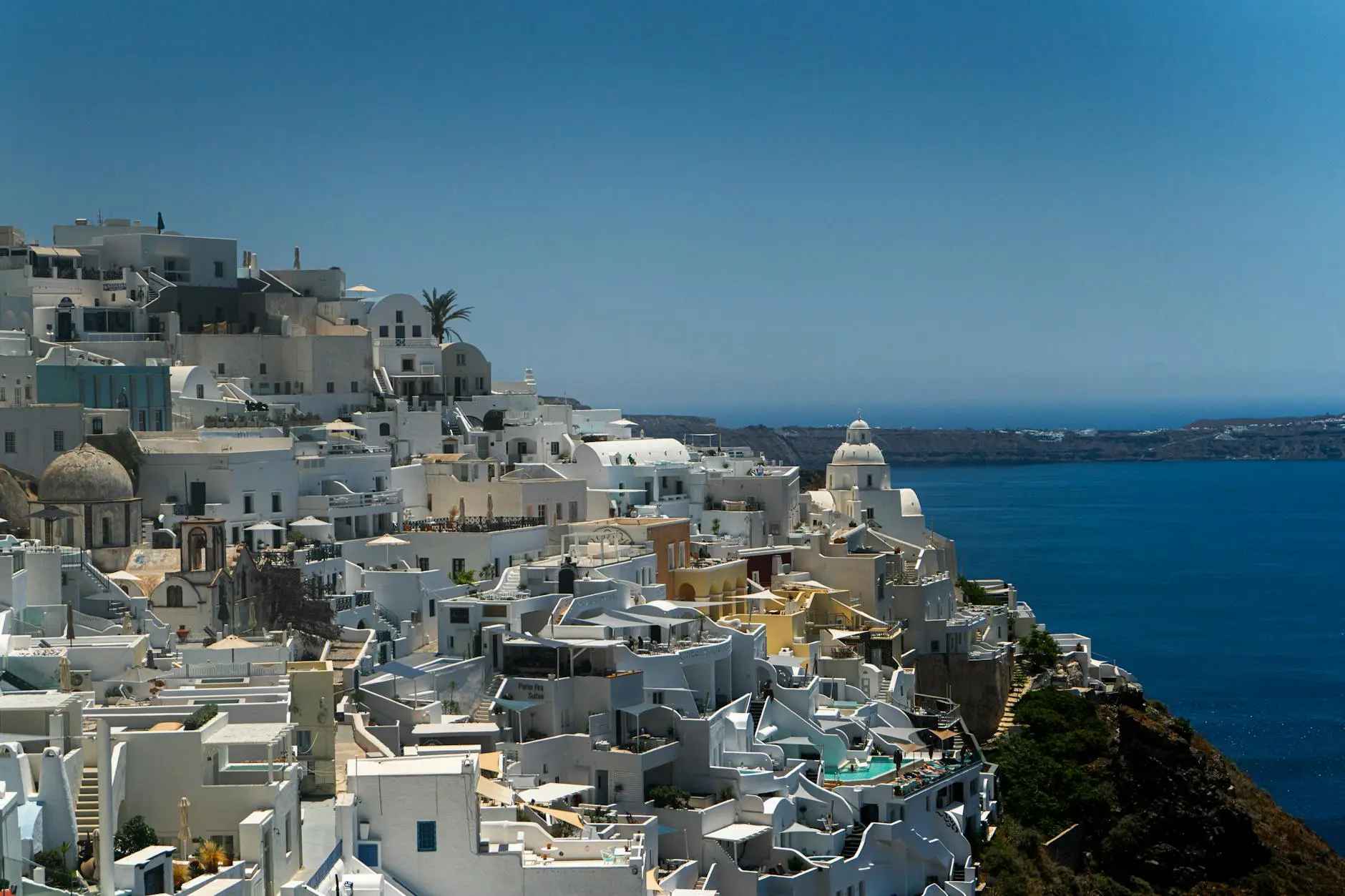
Santorini has no cruise pier capable of berthing large ships; all vessels anchor in the caldera and passengers are tendered ashore to the port of Skala (Fira Port) at the base of the cliff.
Choose the Right Port Day
Best Overall
Fira plus either a caldera walk segment or a pre-booked excursion to Oia. Trying to do everything independently in one short call is how people waste Santorini.
Best Beach
Not relevant for a cruise stop. Santorini is better for views, villages, and food than for trying to force in a beach day.
With Kids
Stay simple: cable car to Fira, gelato and views, short wander, then back. Dragging kids through Fira plus Oia plus long queues is a bad plan.
Only 3-4 Hours
Tender in early, take the cable car up to Fira, spend 2-3 hours walking Fira and the caldera path viewpoints, then get back down well before the last tender crush.
Cheapest Option
Tender to the old port, cable car or donkey-free walk up if you are fit, then self-guided time in Fira. Expect low spend beyond food and local bus; check current rates for cable car.
What To Avoid
Do not leave your return until the final tender window. Also avoid trying to combine Fira, Oia, a winery, and a beach in one port day unless your ship excursion handles the logistics.
Quick Take
- Port Type
- Scenic Tender Port
- Best For
- Caldera views, cliff towns, easy self-guided wandering, photography, food with a view
- Avoid If
- You hate crowds, steep terrain, queues, or wasting port time on tender and cable car lines
- Walkability
- Poor at sea level, good once you reach Fira; terrain is steep and full of steps
- Budget Fit
- Manageable if you self-tour, expensive if you rely on private drivers or premium tours
- Good For Short Calls?
- Possible, but only if you keep it simple and factor in tender delays
Top Things To Do
1
Premium Small-Group Catamaran Cruise with BBQ, Open Bar, Transfer
The moment the catamaran rounds toward the Red Beach — rust-red cliffs dropping straight into turquoise water — you will understand why everyone talks about Santorini from the sea rather than the shore. Departing from Vlychada Marina bypasses the tender queue and the cable-car crowds entirely, putting you on the water while most passengers are still shuffling up to Fira. A BBQ lunch and open bar mean you are not watching the clock, just the caldera.
5h
2
Private Santorini Tailor Made - Choice of the Guest!
Santorini rewards the person who knows which village to stop in and which viewpoint the coaches never find — and that is exactly the local knowledge you are buying here. Because the itinerary is built around your interests rather than a fixed route, you can spend the morning at a winery in Pyrgos and the afternoon on the caldera rim in Oia, or skip both entirely if something else pulls you. For a one-day stop where the difference between a good day and a great one is almost entirely about where you go, having a guide who actually knows the island is the thing that matters most.
3h
Our picks in Santorini
3
Explore Fira on foot
The smartest default plan. Fira is directly above the tender port, packed with caldera viewpoints, lanes, cafes, and enough atmosphere for a satisfying port day without overcomplicating things.
4
Visit Oia if you really want the classic Santorini look
Oia is the postcard village with better village scenery than Fira, but getting there and back takes time. Worth it if this is a bucket-list stop, but not if your call is short or the island is packed with cruise visitors.
5
Walk part of the Fira to Oia caldera path
You do not need to complete the full route to enjoy it. Even a shorter out-and-back section from Fira gives you dramatic views without committing your entire day.
Show 6 more things to do in Santorini
6
Do a ship tour to Oia and Fira
Not glamorous, but practical. If your main goal is seeing both towns without gambling on transport delays, a cruise-organized option is the least risky way to do it.
7
Have lunch with a caldera view
This sounds obvious because it is. Santorini is one of the few ports where simply sitting down for a good meal with a cliff view can be the right use of limited time.
8
Visit a winery
A good non-shopping, non-rush option if you have been to Santorini before or want a quieter angle on the island. Best done by pre-booked tour or driver, not improvised on a crowded day.
9
See Pyrgos instead of fighting Oia crowds
Pyrgos is inland, smaller, and often calmer than the headline villages. Good choice if you want traditional lanes and views without committing to Santorini's busiest photo zones.
10
Visit Akrotiri only if ancient ruins are your priority
The archaeological site is genuinely important, but for many cruise passengers it is not the best use of a first Santorini visit unless you care specifically about history.
11
Stay local and keep it easy
Tender in, cable car up, coffee, viewpoint stops, a bit of shopping, lunch, and back down early. It is not lazy. It is often the smartest Santorini plan.
Book with the ship, or on your own?
Booking independently
- Often noticeably cheaper than the ship’s version of the same tour.
- Smaller groups and local operators, with traveler reviews you can read before you pay.
- Free cancellation on most tours, usually up to 24 hours before.
When the ship’s excursion makes sense
- Short port calls or long transfers where the timing is tight.
- Tender-only stops where getting ashore can run late.
- The ship waits for its own delayed excursions — it won’t wait for independent ones, so leave a buffer before all-aboard.
Going independent? Compare tours in Santorini → — the best-reviewed ones sell out first.
We may earn a commission when you book through our links, at no extra cost to you — it’s how we keep these guides free.
Check The Port Traffic
Cruise Ships in Port
Once you have your shore plan, use the schedule to see how busy the harbour will be on your date, plus the ships, lines, and published call windows.
Sun
Mon
Tue
Wed
Thu
Fri
Sat
1
2
3
4
1 ship
5
1 ship
6
7
8
9
1 ship
10
1 ship
11
1 ship
12
13
14
3 ships
15
1 ship
16
2 ships
17
4 ships
18
1 ship
19
20
1 ship
21
2 ships
22
4 ships
23
1 ship
24
1 ship
25
26
3 ships
27
3 ships
28
2 ships
29
30
1 ship
Quiet (1–2)
Busy (3–4)
Packed (5+)
0 scheduled calls
September 19, 2026
No scheduled cruise ship calls were found for this date selection. Pick a highlighted day on the calendar above, widen the range, or search for a different ship or line.
Port Overview
Santorini is one of the Mediterranean's big postcard stops, but cruise logistics matter more here than in most ports. Large ships anchor offshore and tender passengers to the old port below Fira. From there, you still need to get up the cliff by cable car, on foot, or by donkey. That extra step eats time both ways.
Is It Safe?
Santorini is generally safe, but the main risks are practical rather than criminal: heat, slippery stone, steep drops, and missing your tender because you underestimated queue time. If several ships are in port, the cable car line can get ugly fast.
Accessibility & Walkability
This is not an easy port for limited mobility. The tender landing is below the cliff, and reaching Fira usually means relying on the cable car. Even once you are up top, much of Santorini involves slopes, steps, narrow lanes, and uneven paving.
Outside the Terminal
There is no conventional cruise terminal experience here. You step off the tender into the old port area, which feels busy, cramped, and transitional rather than charming. The real destination is up the cliff, not where you land.
Beaches Near the Port
Kamari Beach
The most developed black sand beach, with a long promenade, beach bars, restaurants, and water sports. Easy bus access from Fira. Better infrastructure than any other Santorini beach.
Perissa Beach
Similar black sand setup to Kamari but slightly less commercial and with views of the dramatic Mesa Vouno cliff. Good tavernas on the beach road.
Red Beach
Tiny, dramatic, volcanic red cliffs. More of a photo stop than a swimming destination — it's often too crowded for comfortable beach time. Combine with Akrotiri next door.
Local Food & Drink
Santorini is an easy port for a meal stop rather than a rushed snack. Fira has plenty of restaurants and cafes, though many trade heavily on the view and location. Some are good, some are just expensive seats with scenery. Check menus before sitting down.
Shopping
Fira is full of boutiques, jewelry, souvenirs, and tourist retail. Fine if you want a few small items, but it is not a port where shopping should drive your day unless that is genuinely your thing.
Money & Currency
- Currency
- Euro (EUR)
- USD Accepted?
- No
- Card Payments
- Cards are widely accepted in Fira and tourist businesses, but carry some cash for buses, small purchases, or outages.
- ATMs
- ATMs are available in Fira and other main villages.
- Tipping
- Not mandatory, but rounding up or leaving a small tip for good service is normal.
- Notes
- Have a bit of cash before leaving the ship. Do not count on paying in USD.
Weather & Best Time
- Best months
- May-June, September-October
- Avoid
- July-August if you dislike heat and peak crowds
- Temperature
- About 68-90°F / 20-32°C
- Notes
- Heat and sun exposure are serious on the cliff paths and in queue lines. Wind can also affect tender operations.
Airport Information
- Airport
- Santorini International Airport (JTR)
- Distance
- Roughly 6-8 km from Fira, but cruise guests do not dock there directly because ships tender offshore
- Getting there
- Taxi, private transfer, and local bus from Fira; check current rates
- Notes
- Useful for land stays, not especially relevant for same-day cruise calls unless you are starting or ending a rare turnaround arrangement.
Getting Around from the Port
Tender
Ships anchor offshore and run tenders to the old port below Fira. This is your first bottleneck of the day and often your last one too.
Cable car
Fastest practical way between the old port and Fira. Expect long lines, especially late morning and near all-aboard time.
Book a transfer 5% off with code TPO5 at checkoutWalking
The cliff path between the old port and Fira is steep, uneven, and not pleasant in heat or crowding.
Taxi/private driver
Useful once you are up in Fira if heading to Oia, Pyrgos, or wineries.
Book a transfer 5% off with code TPO5 at checkoutDetails last checked May 2026
Planning a cruise here?
Princess Cruises, Celebrity Cruises, Costa Cruises & more sail to Santorini.
Practical Tips for Cruise Passengers
- Book any must-do island tour early and choose cruise-line transport if your schedule is tight.
- Assume you will lose more time to tenders and cable car queues than you expect.
- Go ashore early if possible. Santorini gets worse, not better, as the day fills up.
- If you want Oia, decide that before you leave the ship and commit to a transport plan.
- For short calls, Fira alone is enough. Trying to cram in the whole island is how people end up stressed and late.
- Wear real walking shoes, not flimsy sandals. The surfaces are uneven and often slick.
- Leave plenty of buffer to get back down the cliff and onto a tender. Last-minute returns are asking for trouble.
Frequently Asked Questions
No. Large ships anchor offshore and tender passengers to the old port below Fira. You still need to get up to town after that.
For most cruisers, the cable car is the practical choice. It is quick when moving, but lines can be long in both directions.
Yes, but it is steep, uneven, and hot in summer. It is realistic only if you are fit and do not mind a rough climb.
Only if you have enough time and are comfortable managing buses or taxis. On busy cruise days, independent plans can unravel fast.
Not really at sea level. Once you reach Fira, walking is easy enough for sightseeing, but the initial climb is the issue.
Yes, if you keep it simple and focus on Fira. No, if you expect to see the whole island without stress.
Most cruisers should skip that idea. The route is crowded and messy, and the cable car is the more sensible choice when operating.
Underestimating return logistics. The tender plus cable car combination means you need a real time buffer, not a hopeful one.
From the News Hub
The Cheapest Cruise Is Not the Cheapest Holiday The fare looked cheap. Then we priced the part after the gangway: independent activities, port levies and 17,539 sailings.Find cruises to Santorini, Greece
Compare sailings and book with no fees — best price guaranteed.
We may earn a commission when you book through our links, at no extra cost to you — it’s how we keep these guides free.
✉ Sailing to Santorini? Get your port-day plan
Tell us your sail date and we’ll email you a short Santorini plan about 60 days out — when the good excursions start selling out — plus a final checklist 2 weeks before. Two emails, then done. We’ll send one note to confirm it’s really you — unsubscribe anytime.
Same itinerary network
View All
Ports Often Paired With Santorini
Mediterranean

Mediterranean

Mediterranean
