Asia
Asia
Sumba Cruise Port Guide: Things to Do & Practical Tips
Indonesia
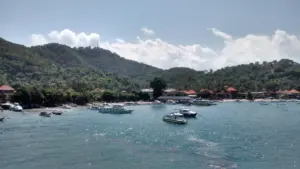
Ships anchor offshore; tender boats required to reach shore at Pelabuhan Също or beach landings.
Choose the Right Port Day
Best Overall
Ship-organized snorkeling excursion (3–4 hours). Sumba's reefs are healthy and uncrowded; this is the main reason to stop here.
Best Beach
Pantai Kecil (Small Beach) near Waikabubak village—calm, protected, good for swimming and short snorkel. Alternatively, Tangka Beach if offered by your ship.
With Kids
Book a guided village walk + beach time combo through your ship. Keeps pace manageable, provides cultural context, and children enjoy the novelty of tender landing.
Only 3-4 Hours
Book the ship's organized snorkeling or beach excursion (typically 3–4 hours all-in). Avoids logistics hassle and guarantees tender timing.
Cheapest Option
Skip organized tours; hire a local guide at the tender dock (negotiate ~$30–50 USD for 2–3 hours). Walk to nearby beach or village. Bring cash only; no cards work.
What To Avoid
Do not expect to rent a car or scooter independently—rental infrastructure does not exist at the port. Do not assume ATMs or card readers are working; bring USD cash.
Quick Take
- Port Type
- Expedition/Tender Anchorage
- Best For
- Luxury cruise lines (Seabourn, Windstar, Ponant, Silversea, Regent, Lindblad, Hurtigruten, Aurora); passengers seeking remote island experience and organized excursions.
- Avoid If
- You need independent exploration, reliable taxi service, or shops/restaurants beyond basics. Port infrastructure is minimal.
- Walkability
- Very limited. No real downtown. Small anchorages require tender rides; once ashore, most activity is by arranged excursion.
- Budget Fit
- Most activities are ship-organized or privately guided. Budget $60–150 USD for a guided half-day excursion; independent options cheaper but logistics challenging.
- Good For Short Calls?
- Yes. Tender ride (20–40 min), 2–3 hours ashore, return. Plan one activity: beach, snorkeling, or village visit.
Top Things To Do
1
Snorkeling (ship excursion or independent)
Sumba's reefs are healthy and lightly touristed. Visibility is typically 15–25 meters in dry season. Expect to see reef fish, coral gardens, and occasional larger pelagics. Ship-organized trips include guide, equipment, and safety briefing.
2
Beach and village walk
Walk from tender landing to a nearby village (typically 15–30 min). Observe traditional Sumbanese houses, meet locals, photograph daily life. Return via beach. Low-key cultural immersion.
3
Beach relaxation and swimming
Spend 1–2 hours on a quiet, protected beach (Pantai Kecil or similar). Bring reef shoes; coral patches common in shallows. No resorts or facilities; bring water.
Book with the ship, or on your own?
Booking independently
- Often noticeably cheaper than the ship’s version of the same tour.
- Smaller groups and local operators, with traveler reviews you can read before you pay.
- Free cancellation on most tours, usually up to 24 hours before.
When the ship’s excursion makes sense
- Short port calls or long transfers where the timing is tight.
- Tender-only stops where getting ashore can run late.
- The ship waits for its own delayed excursions — it won’t wait for independent ones, so leave a buffer before all-aboard.
Going independent? Compare tours in Sumba → — the best-reviewed ones sell out first.
We may earn a commission when you book through our links, at no extra cost to you — it’s how we keep these guides free.
Check The Port Traffic
Cruise Ships in Port
Once you have your shore plan, use the schedule to see how busy the harbour will be on your date, plus the ships, lines, and published call windows.
Sun
Mon
Tue
Wed
Thu
Fri
Sat
1
2
3
4
5
6
7
8
9
10
11
12
13
14
15
16
17
18
19
20
21
22
23
24
25
26
27
28
29
30
31
Quiet (1–2)
Busy (3–4)
Packed (5+)
0 scheduled calls
October 13, 2026
No scheduled cruise ship calls were found for this date selection. Pick a highlighted day on the calendar above, widen the range, or search for a different ship or line.
Port Overview
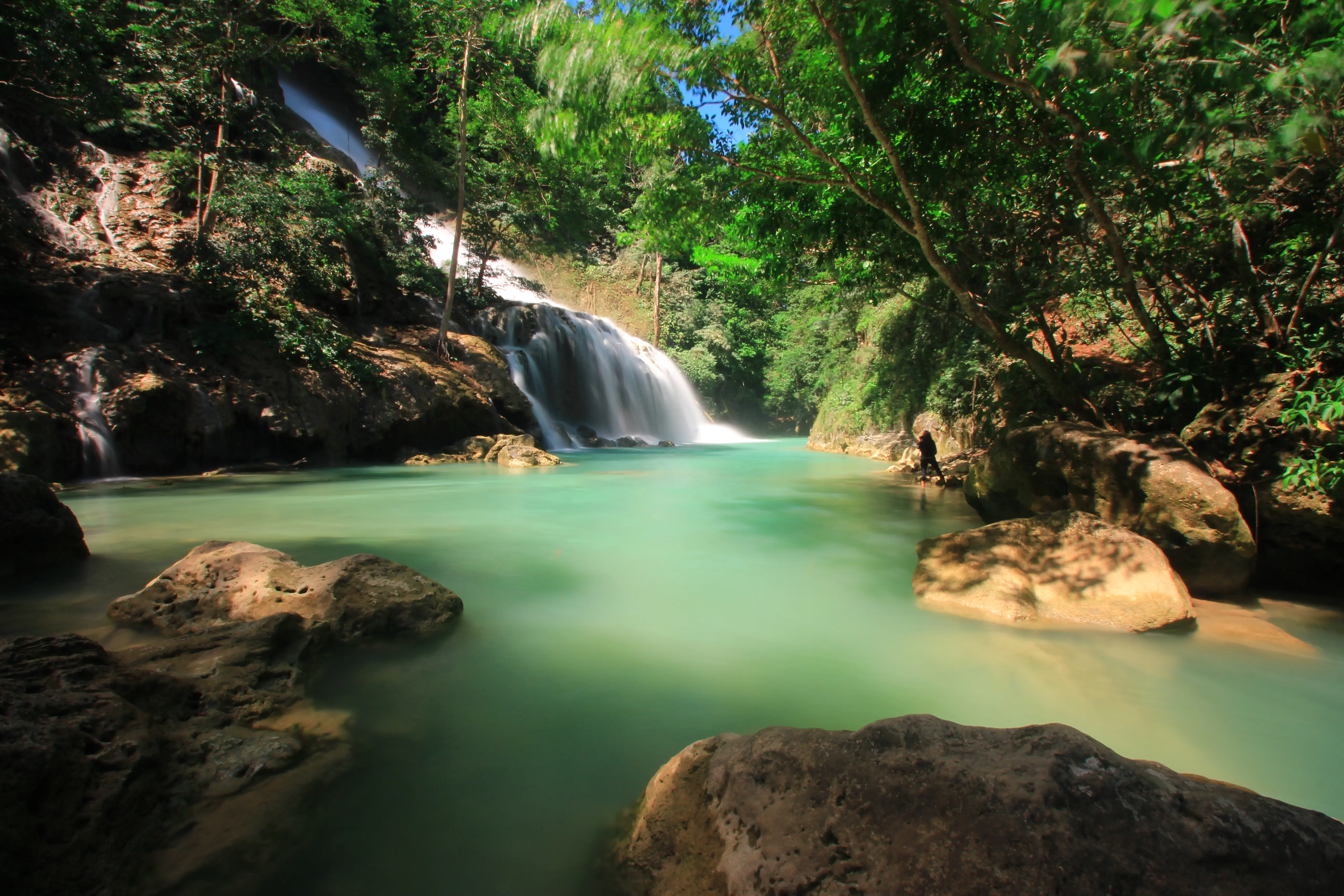
Sumba is a small, remote Indonesian island served by most luxury expedition cruise lines as an anchorage call. Ships tender passengers ashore at one of a few small dock areas or beaches. There is no cruise terminal, no organized port infrastructure, and minimal town presence—this is the point. The island is known for unspoiled reefs, quiet beaches, and traditional Sumbanese culture. Most organized activities are offered by the cruise line: snorkeling, beach days, village visits, or guided walks. Independent exploration is possible but requires patience, cash, and willingness to negotiate with local guides or drivers on the spot.
Is It Safe?
Sumba is generally safe for cruise passengers. Petty theft is rare; violent crime against tourists virtually nonexistent. The main concerns are logistical: weak medical facilities, unreliable communications, and no reliable emergency services. Do not venture far into remote areas alone; stick to established tender drop-off points, beaches, and village paths. Respect local customs: dress modestly in villages, ask before photographing people, and follow guide instructions. Sea conditions can be rough; tender landings may be bumpy or canceled. Ensure travel insurance covers medical evacuation if needed.
Accessibility & Walkability
Tender landings can be physically challenging. Most are via small boats with high steps or beach landings that require wading. Wheelchair access is not realistic. Once ashore, terrain is sandy beach, dirt paths, or village streets—uneven and not paved. Mobility-limited passengers should speak to the ship's excursion staff before booking to assess feasibility on the day.
Outside the Terminal
There is no formal terminal. Passengers land on one of a few beaches or simple dock areas, typically near a small cluster of buildings (restaurant, basic shop, or village meeting point). The first impression is quiet, undeveloped, and peaceful. No hawkers or heavy commercialism; locals are low-key and welcoming. You will immediately see guides or tour operators available for hire. Collect your wits, confirm the tender return time with the escort, and orient yourself to the beach or path ahead.
Beaches Near the Port
Pantai Kecil (Small Beach)
Protected, sandy beach near Waikabubak village. Calm water good for swimming. Light reef near shore; bring reef shoes. No facilities; peaceful and undeveloped.
Tangka Beach
Longer, more open beach offered on some ship itineraries. Good snorkeling nearby; softer sand. May be rougher depending on season. Less visited than Pantai Kecil.
Local Food & Drink
There are no restaurants at the port itself. Bring snacks and water from your ship. Some organized excursions may include a simple beach picnic or stop at a local café in a village. Options ashore are extremely basic: fried rice, noodles, fresh fruit, or drinks at a small warung (shop). Do not expect variety, menus, or vegetarian options beyond rice. If you have dietary requirements, carry your own food. Tap water is not reliably safe; stick to bottled water.
Shopping
Shopping is minimal. A few small shops near tender landings may sell basic souvenirs (woven textiles, shells, local crafts), but selection and quality are limited. Prices are low but not negotiable. No supermarkets, no malls, no pharmacies. If you need anything beyond essentials or gifts, buy it onboard before arriving. Cash only.
Money & Currency
- Currency
- Indonesian Rupiah (IDR)
- USD Accepted?
- Yes
- Card Payments
- Very limited. No card readers at port. Ship-organized excursions are charged to your cruise account; local guides and purchases require cash.
- ATMs
- No ATMs at the port. Withdraw cash in a larger port (e.g., Lombok, Bali) before Sumba.
- Tipping
- Not expected for guides or locals, but small tips (10–20k IDR, ~$0.70–1.40 USD) are appreciated if satisfied. Never mandatory.
- Notes
- Bring enough USD or IDR cash for the full port visit. Exchange rates at port are poor; exchange before arrival if possible.
Weather & Best Time
- Best months
- April–October (dry season). Calmest seas, best visibility for snorkeling, least rain.
- Avoid
- November–March (wet/monsoon season). Higher chance of rough seas, tender cancellations, and rain.
- Temperature
- 25–30°C (77–86°F) year-round. Humidity high.
- Notes
- Most cruises call during dry season. Sea state is the main wildcard for tender operations; check ship notices the night before.
Airport Information
- Airport
- Tambolaka Airport (TBG) — nearest functional airport, ~100 km away on same island; no regular commercial flights. Ngurah Rai International Airport (DPS, Denpasar Bali) is the main air gateway, ~300 km away.
- Distance
- 100+ km to Tambolaka; 300 km to Bali.
- Getting there
- No direct transport from cruise port to airport. Pre-cruise or post-cruise flights are not practical. Book flights into/out of Bali and arrange ship positioning or separate transfers.
- Notes
- Sumba is not a practical disembarkation port. All cruise itineraries are closed loops with main bases in Bali or Lombok.
Getting Around from the Port
Tender boats
All passengers disembark via tender. Ships coordinate timing; multiple rotations normal. Allow 20–40 min each way depending on sea state and distance to anchorage.
Book ferry ticketsOrganized ship excursions
Snorkeling, beach, village, or cultural tours arranged by cruise line. Guide included; all transport handled. Typical duration 3–4 hours.
Local guides/drivers
Find a guide at the tender dock or village landing. Negotiate rate for 2–4 hour local transport and walking tour.
Walking
Most ashore time is spent walking to nearby beaches or villages on foot. Paths are basic but passable.
Details last checked April 2026
Planning a cruise here?
Seabourn, Windstar Cruises, Ponant & more sail to Sumba.
Practical Tips for Cruise Passengers
- Book your ship excursion the moment you board; spaces fill quickly and independent logistics are difficult.
- Bring USD cash in small bills ($1, $5, $10). Local change-making is limited, and prices are quoted in rupiah or USD.
- Pack reef shoes, snorkel gear (or rent on-ship), sun protection, and a waterproof bag. Medical facilities are very basic; bring any personal medications.
- Confirm tender timing and return procedure the night before. Sea state can shift quickly; be ready for possible cancellations or delays.
Frequently Asked Questions
No. There is no vehicle rental infrastructure at the port. Hire a local guide with transport (~$30–60 USD) or book a ship excursion. Do not expect taxis.
Yes. Sumba's reefs are less visited and healthier than Bali or the Gili Islands. Visibility and fish life are excellent, especially in dry season. It is a highlight for reef enthusiasts.
Not easily. There are no hotels at the port and no reliable transport infrastructure. Pre/post-cruise stays are better arranged in Bali or Lombok, then transferred to your ship.
Find cruises to Sumba, Indonesia
Compare sailings and book with no fees — best price guaranteed.
We may earn a commission when you book through our links, at no extra cost to you — it’s how we keep these guides free.
✉ Sailing to Sumba? Get your port-day plan
Tell us your sail date and we’ll email you a short Sumba plan about 60 days out — when the good excursions start selling out — plus a final checklist 2 weeks before. Two emails, then done. We’ll send one note to confirm it’s really you — unsubscribe anytime.
Asia
View All