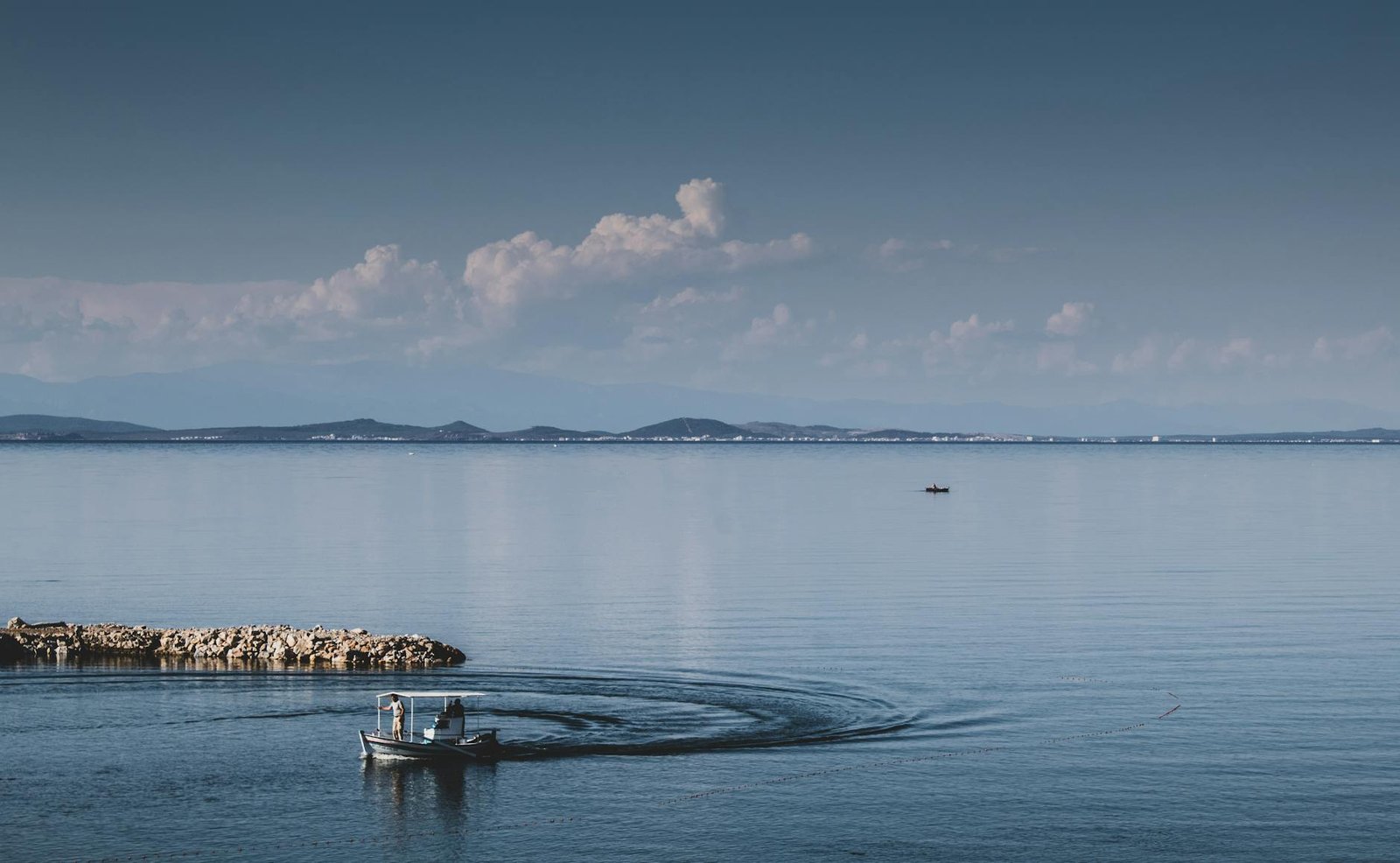
Most cruise passengers arrive in Lemnos expecting another sun-scorched, tourist-trampled Greek island. What they find instead is wildflower meadows, volcanic beaches in a dozen shades of black and rust, and a port town so unhurried it feels like Greece quietly kept it for itself.
Arriving by Ship
Myrina, the island’s capital, has a proper deep-water port, so you’ll step straight off the gangway onto the quay — no tender required. The harbour sits at the foot of a dramatic Byzantine castle, and the old town is a five-minute walk from the dock along the waterfront promenade.
The port itself is small and unfussy, with a handful of taxis and occasionally a local bus waiting. Don’t expect a polished cruise terminal with rows of tour operators; Lemnos wears its low-key nature as a badge of honour.
Things to Do

Lemnos rewards slow exploration — a walk through Myrina’s alleyways, a drive across volcanic plains, a swim in a sheltered bay that shares your beach with no one. Here’s where to focus your time ashore.
History & Culture
- Myrina Castle: Climb the cobbled path above the harbour for staggering views over the Aegean and back into the town — it takes about 20 minutes to reach the top and entry is free.
- Lemnos Archaeological Museum: Housed in a neoclassical mansion near the waterfront, this compact museum holds finds from prehistoric Poliochni, one of Europe’s oldest cities; admission is around €4.
- Poliochni Archaeological Site: A 45-minute drive east brings you to this Bronze Age settlement, older than Troy, with remarkably preserved ruins and almost no other visitors.
- Hephaestia (Ifestia): The ancient capital of Lemnos, sacred to the god of fire, sits on the northern coast with a theatre and acropolis overlooking the sea — budget around an hour and bring water.
Beaches
- Riha Nera Beach: Just 10 minutes south of Myrina, this shallow, sandy beach is ideal for a quick swim and backed by a few low-key tavernas.
- Gomati Beach: On the island’s north coast, this wild stretch of sand dunes and turquoise water feels more Saharan than Greek — genuinely unlike anywhere else on the island.
- Keros Beach: A long, wind-swept bay popular with kitesurfers, about 35 kilometres from Myrina; it’s worth the drive for the scenery alone.
Food & Wine
- Lemnos Sunset Wine Tasting: End your afternoon with a private wine and cheese pairing at sunset, sampling the island’s exceptional Muscat and Limnio grapes with local cheeses. 🎟 Book: Lemnos wine and cheese pairing at sunset – private wine tasting This two-hour experience costs from USD 70 and is one of the most memorable things you can do here.
What to Eat
Lemnian food is deeply tied to its land — saffron grows here, the olives are exceptional, and the local cheese, kalathaki, is unlike anything you’ll find on a supermarket shelf. Eat at a waterfront taverna in Myrina and you’ll be paying for the real thing, not a tourist facsimile.
- Kalathaki Limnou: Soft, tangy sheep’s-milk cheese shaped in a small basket — try it at any local restaurant or buy it from the market for around €6–8 per portion.
- Octopus grilled over charcoal: A staple at waterfront tavernas like To Limanaki in Myrina; expect to pay €12–15 for a generous plate.
- Taramosalata with local bread: Made from Lemnian fish roe and served as a meze; most restaurants include it as a starter for €4–6.
- Lemnian saffron honey: Drizzled over fresh yoghurt and served as dessert, this combination is extraordinary — found at bakeries and cafés near the main square.
- Fresh grilled fish: Buy it by the kilo at the portside restaurants; red mullet (barbuni) runs around €18–22 per kilo depending on the season.
Shopping

Myrina’s main shopping street, Kyda, is a ten-minute walk from the port and lined with small independent shops rather than chain stores. The local produce is where your euros are best spent — bottles of Muscat wine, packets of saffron, aged kalathaki cheese, and cold-pressed olive oil all travel well and make genuinely special gifts.
Avoid mass-produced ceramic “Greek” souvenirs that could have been made anywhere in the Aegean. Lemnos’s identity is specific and agricultural — buy what was grown or made here.
Practical Tips
- Currency: Greece uses the Euro; ATMs are available near the port, but carry some cash as smaller shops and beaches rarely accept cards.
- Transport: Taxis are the most practical option for reaching beaches or archaeological sites — agree a price before you get in; expect €15–25 for most island runs.
- Tipping: Round up restaurant bills or leave 10% for table service; it’s appreciated but not aggressively expected.
- Best time ashore: Go early — by 10am the light is gorgeous, temperatures are manageable, and you’ll have the castle and beaches largely to yourself.
- Time needed: Plan for at least six hours ashore to do the castle, one beach, and lunch properly; eight hours lets you reach Poliochni or Gomati.
- Dress code: Carry a light layer for archaeological sites, and bring shoes with grip for the castle climb.
- Safety: Lemnos is exceptionally safe with virtually no tourist-related crime; the main risk is underestimating summer heat on exposed ruins.
Lemnos is proof that the Aegean still has secrets — leave the ship, put your phone away, and let this quiet, extraordinary island surprise you completely.
🎟️ Things to Book in Advance
These highly-rated experiences fill up fast — book before you arrive to avoid missing out.


This page contains affiliate links. If you book through them, we may earn a small commission at no extra cost to you.
📍 Getting to Lemnos Island, Myrina, Greece
Use the interactive map below to explore the port area and plan your route from the terminal.
Leave a Reply