Northern Europe
Northern Europe
Akulleq Island Cruise Port Guide: What to Expect, Logistics & Tips
Greenland
Ships anchor offshore; tender boats required to reach the small settlement.
Choose the Right Port Day
Best Overall
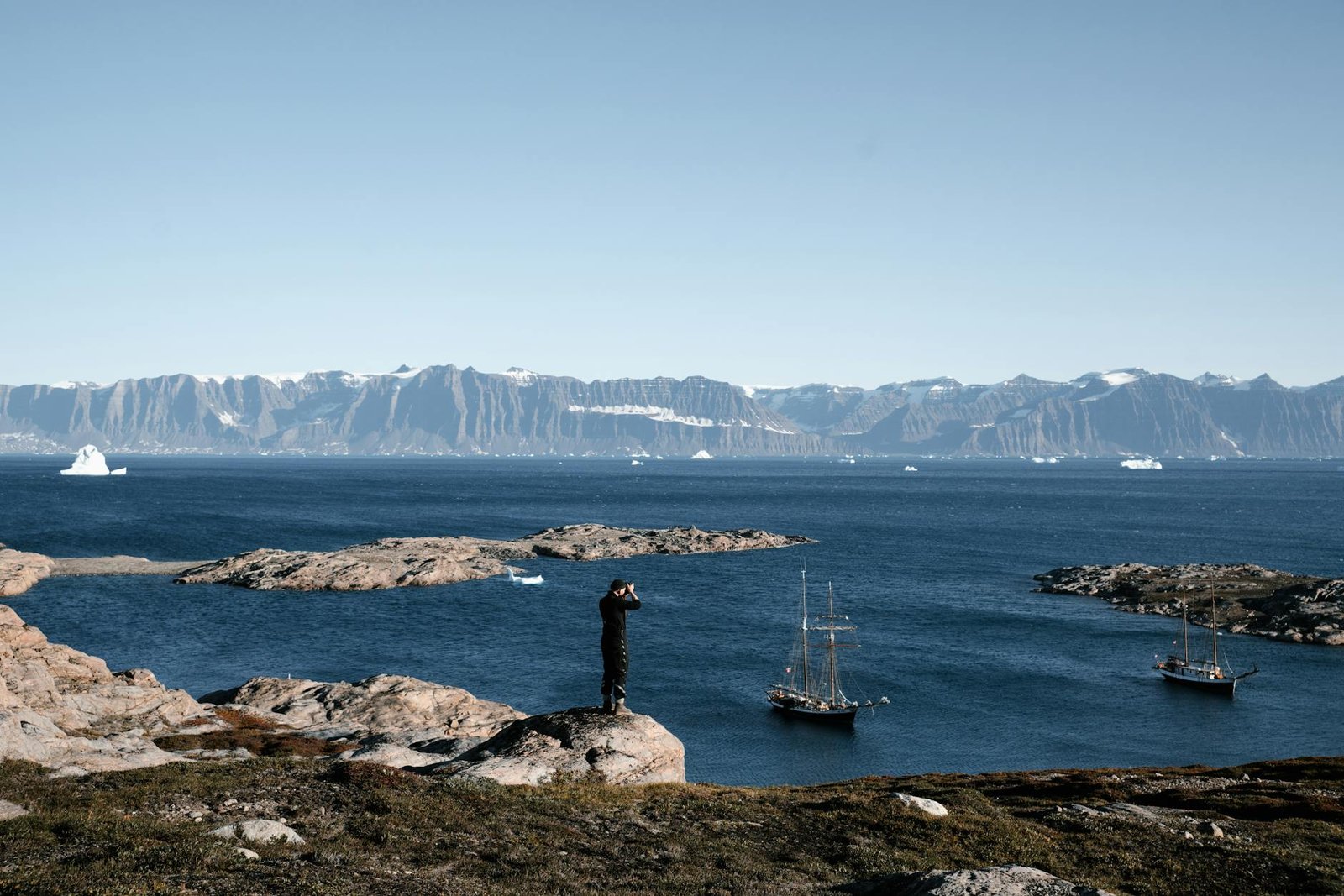
Guided zodiac landing with a naturalist, then a moderate hike to a vantage point overlooking ice, water, and tundra. Most cruisers find this the authentic Greenland experience.
Best Beach
Not relevant. There are rocky shorelines; water is Arctic and unsafe for swimming.
With Kids
Family hikes on tundra are possible if children are hardy and comfortable in cold, wet conditions. Most expedition operators offer kid-friendly zodiac tours; check with your cruise line.
Only 3-4 Hours
Zodiac landing to a glacier face or tundra viewpoint, 1–2 hour guided hike, return to ship. Realistic and weather-dependent.
Cheapest Option
Ship-organized landing is included or ~$50–100 USD. Independent exploration is not practical or recommended.
What To Avoid
Do not assume easy terrain or warm conditions. Do not plan activities that require local taxi or restaurant access—they do not exist. Avoid missing the zodiac window because schedules shift fast.
Quick Take
- Port Type
- Expedition/Remote Island
- Best For
- Cold-weather adventurers, hikers, wildlife photographers, expedition-cruise veterans comfortable with unpredictability.
- Avoid If
- You dislike tendering, cold water, unpredictable schedules, minimal infrastructure, or need restaurants and shops.
- Walkability
- Varies by landing zone; mostly rocky, tundra terrain with no maintained trails or infrastructure.
- Budget Fit
- High—most activities are ship-inclusive or free; local services almost nonexistent.
- Good For Short Calls?
- Good; most landings and hikes work within 3–5 hours.
Top Things To Do
1
Zodiac landing & naturalist-guided hike
Most common activity. Tender ashore, then hike 1–3 hours across tundra or moraine toward a ridge, glacier face, or coastal viewpoint. Naturalists explain geology, ecology, and wildlife sightings (seabirds, seals, Arctic foxes). Group size typically 15–20.
2
Glacier or iceberg observation
Zodiac cruises may approach glacier calving zones or floating icebergs. Naturalist narrates formation, melt, and climate context. Safer and less physical than landing hikes.
3
Wildlife photography & bird watching
Akulleq is home to nesting seabirds, ringed seals, and occasional Arctic foxes. Naturalists point out species and behavior. Bring binoculars and a decent camera with zoom.
Book with the ship, or on your own?
Booking independently
- Often noticeably cheaper than the ship’s version of the same tour.
- Smaller groups and local operators, with traveler reviews you can read before you pay.
- Free cancellation on most tours, usually up to 24 hours before.
When the ship’s excursion makes sense
- Short port calls or long transfers where the timing is tight.
- Tender-only stops where getting ashore can run late.
- The ship waits for its own delayed excursions — it won’t wait for independent ones, so leave a buffer before all-aboard.
We may earn a commission when you book through our links, at no extra cost to you — it’s how we keep these guides free.
Check The Port Traffic
Cruise Ships in Port
Once you have your shore plan, use the schedule to see how busy the harbour will be on your date, plus the ships, lines, and published call windows.
Sun
Mon
Tue
Wed
Thu
Fri
Sat
1
2
3
4
5
6
7
8
9
10
11
12
13
14
15
16
17
18
19
20
21
22
23
24
25
26
27
28
29
30
Quiet (1–2)
Busy (3–4)
Packed (5+)
0 scheduled calls
September 22, 2026
No scheduled cruise ship calls were found for this date selection. Pick a highlighted day on the calendar above, widen the range, or search for a different ship or line.
Port Overview
Akulleq Island sits in West Greenland, accessible only by zodiac tender from anchored ships. There is no settlement, port infrastructure, or services ashore. Expedition cruise lines (Hurtigruten, Lindblad, Quark, Silversea, Ponant) use it as a landing point for wildlife viewing, glacier study, and tundra hiking. Akulleq is a working example of what Arctic cruising actually is: weather-dependent, physical, and genuinely remote. Most visits are ship-led zodiac tours with naturalists; independent exploration is not practical or safe. The real attraction is the landscape, wildlife (seabirds, seals, Arctic fox), and the experience of being in one of Earth's least-visited regions.
Is It Safe?
Weather is the dominant safety factor. Arctic conditions change rapidly—fog, wind, swell, and visibility can cancel or delay landings within hours. Always check the pre-dawn briefing from your cruise director. Once ashore, stay with your designated naturalist guide and group. The terrain is unforgiving: loose rock, hidden water, sudden slopes. Hypothermia is a real threat if you get wet or exhausted; dress in proper expedition layers and bring backup gloves/hat. There are no rescue services, hospitals, or emergency infrastructure on the island. Wildlife (seals, Arctic foxes, seabirds) are generally not aggressive but keep distance—do not approach or photograph within arm's reach. Mobile phone service does not exist; do not rely on communication once you land.
Accessibility & Walkability
Akulleq is not wheelchair accessible. Zodiac tendering requires physical ability to board and exit small boats in rough conditions. Once ashore, terrain is rocky, boggy, and steep in places—no paths, no railings. Mobility aids are not practical. If you have mobility limitations, be honest with your cruise director at embarkation; they can assess whether safe participation is possible. Most passengers with significant mobility constraints are better served waiting aboard ship.
Outside the Terminal
There is no terminal. Your first experience is the morning zodiac briefing in the ship's main lounge—crew explain weather, gear, landing zones, and timing. You then collect your life jacket, line up at the tender platform, board a zodiac with 15–20 others, and speed toward a rocky or glacial shore. When you reach the zodiac beach, you wade or hop ashore onto uneven ground. No dock, no buildings, no services. Just Arctic landscape, your guide, and the sound of water and wind.
Local Food & Drink
There are no restaurants, cafes, or food vendors on Akulleq. All meals occur aboard ship. Bring a packed snack (energy bar, nuts, chocolate) if you plan a long hike—no supply on island. Dehydration is a risk in cold air; drink water before and after activities. The ship's dining typically includes Greenlandic specialties (musk ox, Arctic char, local seafood) at dinner, reflecting the region's food culture.
Shopping
There is no shopping on Akulleq. No gift shops, no souvenirs sold ashore. The ship's onboard shop carries expedition-themed merchandise and Greenlandic crafts. If you want to buy locally made items (tupilaks, sealskin goods, traditional clothing), plan visits to larger towns like Sisimiut or Ilulissat on your itinerary, not Akulleq.
Money & Currency
- Currency
- Danish Krone (DKK)
- USD Accepted?
- No
- Card Payments
- Not relevant; no vendors ashore.
- ATMs
- Not relevant; no ATM on island.
- Tipping
- Not applicable.
- Notes
- All payments occur aboard ship. You do not need cash for Akulleq visits. If the itinerary includes larger Greenlandic towns, bring USD or euros for local guide tips and gift purchases.
Weather & Best Time
- Best months
- July–August. Midnight sun, warmest water (still ~2–4°C), lowest ice hazard, best visibility.
- Avoid
- October–April. Darkness, extreme cold, heavy ice, frequent fog, high cancellation risk.
- Temperature
- July–August: 5–12°C (41–54°F) daytime; September: 0–8°C (32–46°F). Wind-chill is significant.
- Notes
- All cruises to Akulleq are summer/early autumn. Expeditions often advertise best conditions as late June–early August, but unpredictable fog and swell can strike any time. Pack thermal layers, waterproof outer shell, and warm gloves/hat. Sunscreen and UV-blocking sunglasses are essential due to ice reflection.
Getting Around from the Port
Zodiac tender (ship-organized)
Only way ashore. Ships anchor offshore and lower tenders for groups of 10–20. Landings are subject to weather, ice, and swell. Typically 1–2 opportunities per day depending on conditions.
On-foot hiking/exploration
Once ashore, all movement is walking across tundra, rocks, or loose scree. No trails, no marked paths. Guides lead group hikes typically 1–3 hours.
Details last checked April 2026
Planning a cruise here?
Hurtigruten, Lindblad Expeditions, Ponant & more sail to Akulleq Island.
Practical Tips for Cruise Passengers
- Wear proper expedition gear: insulated, wind-proof jacket; waterproof pants; thermal base layers; sturdy hiking boots (not sneakers); warm hat and gloves; sunglasses. You will get wet and cold; moisture-wicking synthetics and wool are better than cotton.
- Take your seasickness medication before the morning zodiac briefing if you are prone to motion sickness. Rough seas can spike nausea during the tender ride.
- Carry a backup camera battery, memory card, and waterproof bag. Cold temperatures drain batteries faster, and zodiac spray destroys electronics.
- Do not wander away from your guide or group once ashore. Terrain is disorienting, fog descends fast, and rescue is not immediately available. Stick together.
Frequently Asked Questions
No. Arctic landings are weather-dependent. Wind, swell, ice, and visibility can cancel or delay a scheduled Akulleq visit within hours. Cruise lines build flexibility into itineraries and may substitute alternative landings. Assume 60–80% landing probability; do not bank on it for critical plans or photos.
No. There are no accommodations, emergency services, or resupply on Akulleq. All activity is organized by the ship within strict time windows, and you must return via zodiac on schedule. Wandering alone is dangerous and against operator policy.
Expedition-grade cold-weather clothing (waterproof jacket, thermal layers, warm hat, gloves), sturdy waterproof hiking boots, sunglasses, sunscreen, and seasickness medication. Leave valuables, fancy shoes, and light jackets aboard ship. Bring a small backpack with water, snacks, and a camera.
Find cruises to Akulleq Island, Greenland
Compare sailings and book with no fees — best price guaranteed.
We may earn a commission when you book through our links, at no extra cost to you — it’s how we keep these guides free.
✉ Sailing to Akulleq Island? Get your port-day plan
Tell us your sail date and we’ll email you a short Akulleq Island plan about 60 days out — when the good excursions start selling out — plus a final checklist 2 weeks before. Two emails, then done. We’ll send one note to confirm it’s really you — unsubscribe anytime.
Northern Europe
View All
More Northern Europe Ports

Northern Europe

Northern Europe

Northern Europe