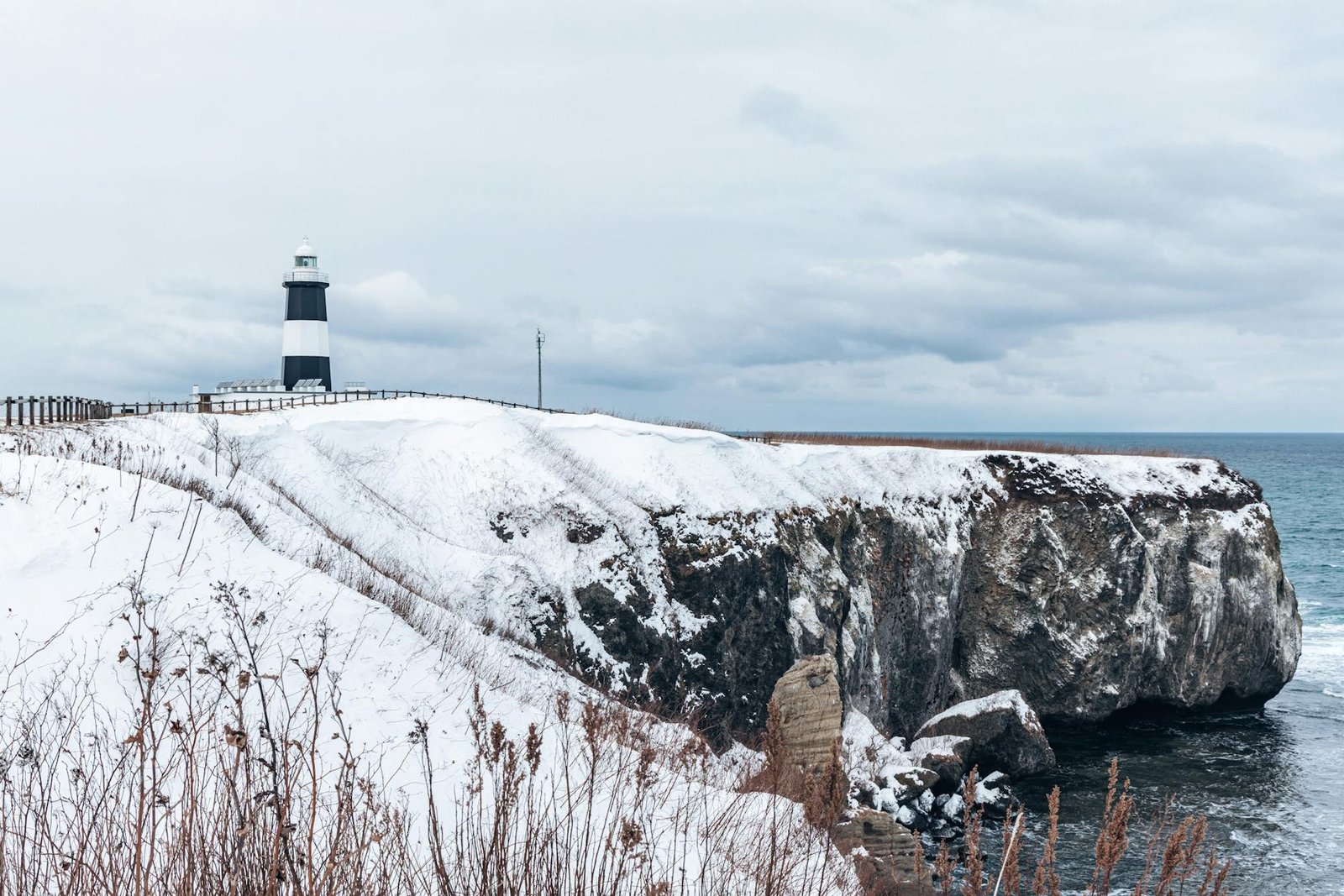
Abashiri is one of Japan’s most remote and dramatic port stops — a small city on Hokkaido’s northeastern coast where drift ice from the Sea of Okhotsk transforms winter into something otherworldly. This isn’t a polished tourist trap; it’s raw, real, and wildly rewarding. Come here for the ice, stay for the crab.
Arriving by Ship
Abashiri doesn’t have a large cruise terminal, so ships typically anchor offshore and tender passengers into the small port area. The process is smooth and relatively quick, with the town centre sitting just a short walk or taxi ride from where you’ll come ashore. Don’t expect grand port infrastructure — the charm starts the moment you step onto the dock.
The surrounding landscape greets you immediately: flat tundra, sea fog, and the distant hum of fishing boats. This is working Hokkaido, and it feels nothing like Tokyo.
Things to Do

Abashiri punches well above its weight for a small city — you’ll find world-class museums, unique seasonal experiences, and stunning natural scenery packed into a compact area.
History & Culture
- Abashiri Prison Museum (博物館 網走監獄) is one of Hokkaido’s most visited attractions — an open-air museum preserving the original Meiji-era prison buildings, open daily 9am–5pm, around ¥1,100 entry. The stories of convicts who built Hokkaido’s roads are genuinely gripping.
- Okhotsk Ryuhyo Museum lets you step into a –15°C room and touch real drift ice — open year-round, entry around ¥770, and a surreal experience in any season.
- Abashiri City Museum covers the region’s indigenous Ainu history and Arctic wildlife — small but thoughtful, entry around ¥300.
Nature & Ice
- Drift ice walking (ryuhyo walk) on the Sea of Okhotsk is available January to March — guided tours take you across frozen sea ice in a dry suit, one of Japan’s most extraordinary experiences.
- Aurora icebreaker cruise runs from late January to late March, smashing through sea ice on a sightseeing vessel — book ahead as it sells out fast, around ¥3,300 per adult.
- Lake Abashiri is a short drive from town and makes for a serene walk or cycle, especially in autumn when the reeds turn gold.
Food & Craft Experiences
- Sushi-making class with a local chef is a hands-on way to spend four hours learning proper Japanese technique using Okhotsk seafood. 🎟 Book: Learn the artisan skills from a sushi chef in Abashiri, Okhotsk
- Dried fish workshop teaches a centuries-old Abashiri preservation tradition — you’ll leave with your own handmade product and a deeper appreciation for the fishing culture. 🎟 Book: Experience making dried fish in Abashiri the town of drifting ice
- Northern Japanese cuisine class with expert local cooks covers five hours of seasonal cooking using mountain and sea ingredients unique to this latitude. 🎟 Book: Learn the art of Japanese cuisine from northern culinary experts
What to Eat
Abashiri’s food scene is defined by cold-water seafood of extraordinary quality — the nutrient-rich Okhotsk Sea produces some of Japan’s finest crab, scallops, and salmon. Don’t leave without eating something caught that morning.
- Ke-gani (horsehair crab) — a local delicacy, best eaten simply steamed at Abashiri Fisherman’s Wharf restaurants; expect to pay ¥2,500–¥4,000 per crab.
- Okhotsk scallops — plump, sweet, and served grilled or raw at almost every restaurant in town; around ¥800–¥1,200 for a generous plate.
- Salmon roe (ikura) don — a bowl of rice buried under glistening salmon roe, available at local izakayas and seafood restaurants from around ¥1,500.
- Drift ice soft cream — a blue-tinted, lightly salted soft serve sold at the Okhotsk Ryuhyo Museum gift shop for ¥400; bizarre but brilliant. 🎟 Book: Enjoy the bounty of the mountains and sea brought by drifting ice
- Hokkaido ramen — Abashiri’s local version uses miso broth and locally sourced toppings; try Ramen Bankara near the station for around ¥900 a bowl.
- Zangi — Hokkaido’s beloved fried chicken, crunchier and more heavily seasoned than standard karaage; found in izakayas across town for ¥600–¥900.
Shopping

Abashiri’s best souvenirs are edible — vacuum-packed crab, dried scallops, and salmon products travel well and make genuinely impressive gifts. The Okhotsk Ryuhyo Museum gift shop and Abashiri Fisherman’s Wharf market both stock quality local produce at reasonable prices.
For crafts, look for items made by local Ainu artisans — embroidered textiles and carved woodwork are authentic and meaningful. Avoid generic “Hokkaido” souvenirs that you’ll find cheaper in Sapporo airport.
Practical Tips
- Currency — Japan is still heavily cash-based; carry yen as many small restaurants and shops don’t accept cards.
- Tipping — never tip in Japan; it can cause offence.
- Transport — taxis are reliable and inexpensive; rent a bicycle near the port for ¥1,000–¥1,500 per day to cover more ground independently.
- Best time ashore — go early to beat any tender queues and reach the prison museum before tour groups arrive.
- How long you need — four to six hours covers the main sights comfortably; a full day lets you add a lake visit or cooking class.
- Winter dress — if visiting January to March, dress in serious layers; temperatures regularly drop to –15°C with wind chill.
- Language — English signage is limited outside major attractions; download Google Translate with Japanese offline before you dock.
Abashiri will surprise you at every turn — pack your curiosity alongside your thermals and prepare for one of Japan’s most unforgettable port days.
🎟️ Things to Book in Advance
These highly-rated experiences fill up fast — book before you arrive to avoid missing out.


This page contains affiliate links. If you book through them, we may earn a small commission at no extra cost to you.
📍 Getting to Abashiri, Japan Okhotsk
Use the interactive map below to explore the port area and plan your route from the terminal.
Leave a Reply