


South America
South America
Iquitos Cruise Port Guide: Things to Do & Practical Tips
Peru
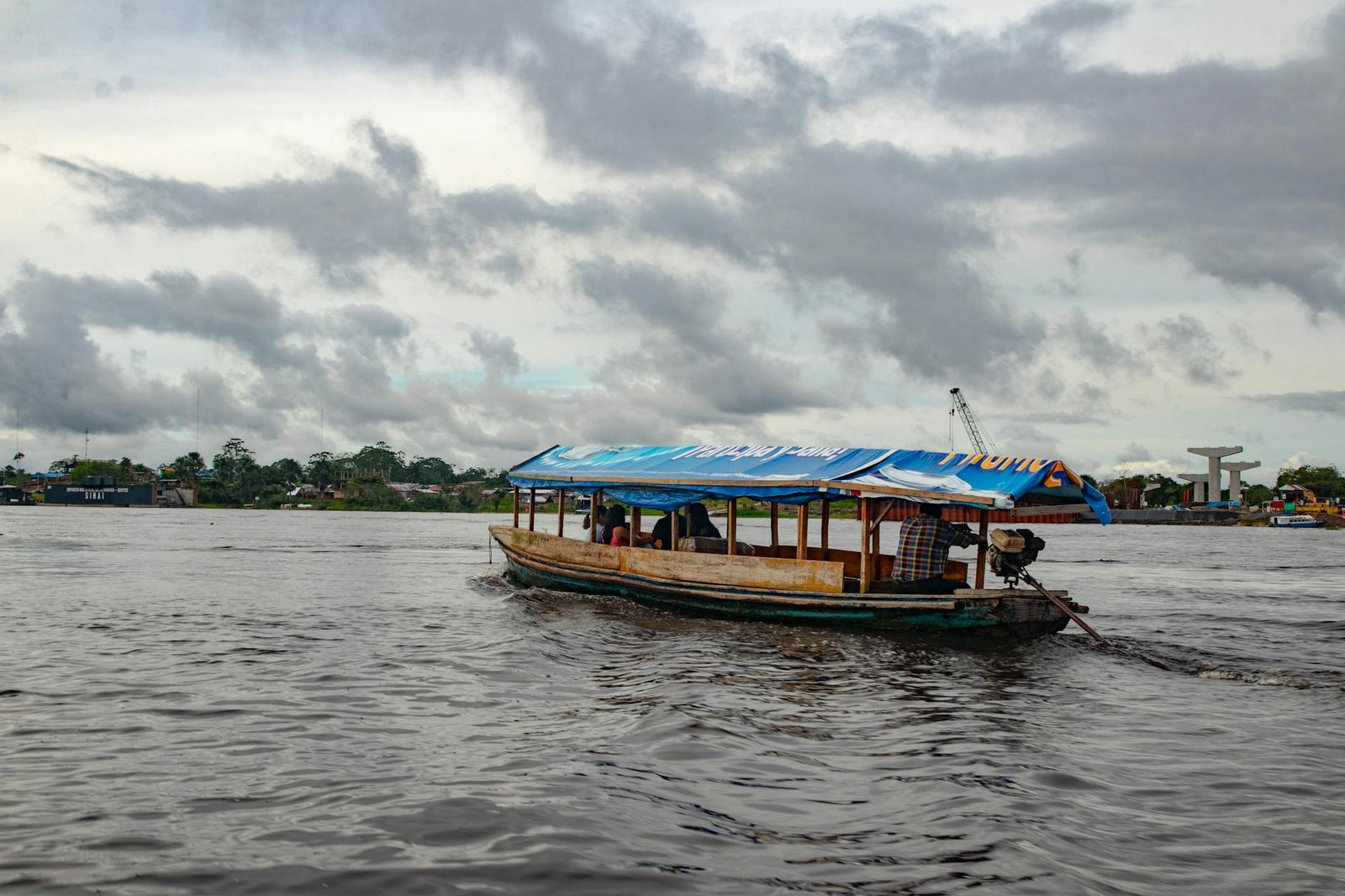
Ships anchor in the Amazon River; tender boats required to reach the city dock.
Choose the Right Port Day
Best Overall
Book a guided half-day jungle/river tour (pink river dolphin or wildlife spotting) through your cruise line or a reputable local operator in advance. This is why you're in Iquitos; the city itself is secondary.
Best Beach
Not applicable. Iquitos is in the rainforest; there are no beaches. River swimming (with guide) is possible but risky due to caimans and currents.
With Kids
River dolphin spotting tour (2–3 hours, $50–70 USD per family) from a local operator; calmer and shorter than lodge-based options. Or visit the Belén animal market for a chaotic, kid-friendly cultural experience.
Book Belén Neighborhood & Floating Market on ViatorOnly 3-4 Hours
Skip the jungle lodge tours (require 6+ hours). Instead: tender ashore, walk to the Belén neighborhood or riverfront market, grab lunch at a local café, and return. Budget $20–40 USD total.
Cheapest Option
Walk from the plaza to Belén market, eat a set lunch ($5–8 USD), and return. Total cost under $15 USD per person excluding tender fees.
What To Avoid
Do not wander alone into side streets at night; petty theft is common. Avoid unguided 'jungle trips' from street hustlers—use established tour operators. Overland excursions (jungle lodges) are almost never worth a single port day.
Quick Take
- Port Type
- Remote Amazonian expedition hub
- Best For
- Nature and wildlife enthusiasts; river cruise passengers; those comfortable with frontier logistics
- Avoid If
- You want beach, nightlife, shopping, or polished infrastructure
- Walkability
- Downtown Iquitos is walkable for 1–2 km in either direction from the plaza, but streets are unpaved/uneven and humid. Not ideal for mobility issues.
- Budget Fit
- Budget-friendly for activities (jungle tours $40–80 USD); food is cheap; transport is pay-per-use
- Good For Short Calls?
- Yes, but barely. 3–4 hours is tight for meaningful jungle time; better as embarkation/disembarkation point than short port call
Top Things To Do
1
Narowé the Taste of the Amazon: Iquitos Foodie Adventure
"Experience the first-of-its-kind Food Walking Tour of Peruvian Amazonian cuisine, where flavors meet culture in downtown Iquitos!" Discover the vibrant tapestry of Peruvian Amazonian gastronomy guided…
3h
2
2-Day Amazon Jungle Tour at Avatar Amazon Lodge
Avatar Amazon Lodge offers trips to nearby native communities. Guests can also explore the eco trails, relax in the hammocks or go on kayaking trips. In…
24h
Our picks in Iquitos
3
Pink River Dolphin Tour
Guided motorboat excursion to spot pink river dolphins (boto) in their natural habitat. Tours focus on early morning or late afternoon when dolphins are most active. Usually 2–4 hours, depending on sightings. Includes local naturalist guide.
4
Belén Neighborhood & Floating Market
Walk or mototaxi to Belén, a riverside shantytown of wooden stilt houses and informal market. Chaotic, colorful, smelly, and very real. See local life, dried jungle products, and informal vendors. Can be combined with lunch at a local café. Most cruisers spend 1–2 hours here.
5
Plaza de Armas & Downtown Walk
Central plaza with colonial-era Cathedral, surrounding cafés, and shops. Pleasant for a brief stroll, people-watching, and a snack or coffee. Low-key and accessible. Good for those with limited mobility or short port time.
Show 1 more thing to do in Iquitos
6
Rainforest Lodge or Multi-Day Jungle Excursion
Stay overnight at a jungle lodge (Delfin, Rainforest Cruises, Posada Amazonica) for immersive wildlife experience—jungle walks, river exploration, nocturnal animal spotting. Usually 3+ days, not practical as a port call add-on; book if your cruise includes embarkation/disembarkation time.
Book with the ship, or on your own?
Booking independently
- Often noticeably cheaper than the ship’s version of the same tour.
- Smaller groups and local operators, with traveler reviews you can read before you pay.
- Free cancellation on most tours, usually up to 24 hours before.
When the ship’s excursion makes sense
- Short port calls or long transfers where the timing is tight.
- Tender-only stops where getting ashore can run late.
- The ship waits for its own delayed excursions — it won’t wait for independent ones, so leave a buffer before all-aboard.
Going independent? Compare tours in Iquitos → — the best-reviewed ones sell out first.
We may earn a commission when you book through our links, at no extra cost to you — it’s how we keep these guides free.
Check The Port Traffic
Cruise Ships in Port
Once you have your shore plan, use the schedule to see how busy the harbour will be on your date, plus the ships, lines, and published call windows.
Sun
Mon
Tue
Wed
Thu
Fri
Sat
1
2
3
4
5
6
7
8
9
10
11
12
13
14
15
16
17
18
19
20
21
22
23
24
25
26
27
28
29
30
Quiet (1–2)
Busy (3–4)
Packed (5+)
0 scheduled calls
September 9, 2026
No scheduled cruise ship calls were found for this date selection. Pick a highlighted day on the calendar above, widen the range, or search for a different ship or line.
Port Overview
Iquitos is Peru's main port into the Amazon, reachable only by air or river—there are no roads in or out. Ships anchor offshore and tender passengers to the dock. The city of ~400,000 sits on the confluence of the Amazon, Ucayali, and Marañón rivers and serves as the launch point for jungle expeditions, not a destination in its own right.
The port call is brief and typically geared toward embarkation or disembarkation for multi-day river cruises. A few hours ashore will show you a frontier town: humid, chaotic, colorful, with ramshackle wooden buildings, informal markets, and a palpable sense of remoteness. Most cruise passengers spend the day on organized tours (dolphin spotting, wildlife lodge visits) rather than exploring the town.
If you have a short port day, expect logistics friction. Tendering takes time, taxis are chaotic, and planning a meaningful excursion requires advance booking. Iquitos is not a leisure beach port; it rewards preparation and realistic expectations about infrastructure.
Is It Safe?
Iquitos is a frontier town with petty theft, street-level crime, and economic hardship visible everywhere. Violent crime against tourists is rare but does occur, particularly at night or in isolated areas. During daylight and in groups, the risk is manageable; solo wandering, especially after dusk, is unwise.
Pickpocketing is common in crowded markets and on mototaxis. Keep valuables hidden, use crossbody bags, and avoid large cash displays. Do not accept offers of "jungle tours" or drugs from street touts. Unguided jungle excursions are risky both for safety and logistics.
Stay in populated, well-lit areas near the dock and plaza. If taking a mototaxi at night, use your ship's organized transport or ask your hotel/tour operator to arrange it. Water quality in the Amazon carries parasites and caimans; do not swim without a guide.
Accessibility & Walkability
Walkability is poor for those with mobility issues. Streets are unpaved, potholed, and uneven; sidewalks are narrow or nonexistent. Humidity and heat are intense, making long walks exhausting. Mototaxis lack seat belts and suspension; jolty rides are uncomfortable for those with joint or spinal issues.
Ramps, elevators, and accessible facilities are rare. The dock and tender process may be challenging for wheelchair users; contact your cruise line in advance. Jungle tours involve uneven terrain, humidity, and long hours sitting in boats or walking trails. If you have mobility limitations, consider staying onboard or taking a brief, accessible city walk near the dock with assistance.
Outside the Terminal
Exiting the tender dock puts you into controlled chaos. A small fenced terminal area is staffed by port authorities and tour operators; mototaxis, local guides, and informal merchants cluster outside. The air is thick, humid, and smells of diesel, river water, and street food. You'll see wooden shacks, tarps, loose animals, and crowds, especially at embark times.
If you're not on an organized tour, you'll see street touts offering jungle trips, local guides, and souvenirs immediately. The walk toward downtown is flat but messy—unpaved streets, open sewage gutters in places, and ramshackle vendor stalls. The energy is raw and unfamiliar; take a moment to orient yourself before moving away from the dock.
Local Food & Drink
Iquitos cuisine is jungle-based: fish (paiche, piranha, catfish), rice, plantains, and tropical fruit. Local restaurants near the plaza serve set lunch menus (menú del día) for $5–10 USD—usually fish, rice, beans, and a drink. Quality and hygiene vary; stick to busy, popular places.
Cafés around Plaza de Armas serve coffee, juice, and snacks. Street food (grilled fish on sticks, empanadas, fresh fruit) is cheap ($2–5 USD) but carry a small risk; use judgment and observe if locals are eating from the same vendor. Avoid tap water; drink bottled water and skip ice. If you're not adventurous, eat onboard and use port time for exploration.
Shopping
Iquitos markets and shops sell jungle crafts (ayahuasca vine items, shamanic art, woven baskets), wood carvings, rainforest medicines, and souvenirs. Quality and authenticity are mixed; haggle if you buy. Belén market is chaotic but authentic; plaza shops are touristy and pricier. Avoid purchasing anything made from protected wildlife (feathers, animal parts). Most cruisers find shopping here underwhelming compared to other ports.
Money & Currency
- Currency
- Peruvian sol (PEN)
- USD Accepted?
- Yes
- Card Payments
- Limited. ATMs exist near the plaza but are unreliable; withdraw cash before your port day or use your cruise line's exchange. Visa/Mastercard accepted at some hotels and restaurants, but small vendors and mototaxis expect cash (soles or USD).
- ATMs
- BCP and Interbank ATMs near Plaza de Armas; expect occasional outages or empty machines during cruise season
- Tipping
- Tipping is not customary but appreciated for guides and drivers (10% for good service). Tour operators may include a gratuity.
- Notes
- Exchange rates are slightly better in town than onboard. Bring small USD bills for mototaxis and market vendors. Traveler's checks are not useful here.
Weather & Best Time
- Best months
- July–September (dry season); June–August (warmest, driest, least humid)
- Avoid
- January–May (wet season; flooding, highest humidity, dense clouds)
- Temperature
- 80–90°F (27–32°C) year-round; humidity 80–90% always. Slight cooling June–August.
- Notes
- Iquitos is equatorial rainforest—expect heat and humidity regardless of season. Afternoon rain is common. Pack lightweight, breathable clothes, strong sunscreen, and insect repellent (mosquitoes carry dengue and malaria). Antimalarial medication may be recommended; consult your doctor.
Airport Information
- Airport
- Coronel Francisco Secada Vignetta International Airport (IQT)
- Distance
- ~8 km; 15–20 min by taxi
- Getting there
- Mototaxi (~$15–25 USD), official airport taxi (book at info desk), or private driver through your hotel/tour operator
- Notes
- Airport is served by LATAM, Avianca, and regional carriers from Lima (2 hours). Most river cruisers arrive/depart here. Flights are expensive and often overbooked during peak season. Book in advance.
Getting Around from the Port
Tender (ship to shore)
Ships anchor 5–10 km offshore. Tenders run continuously; expect 15–30 min wait each way, especially at embark/disembark.
Mototaxi (motor tricycle)
The primary local transport. Yellow three-wheeled taxis with drivers; informal, cheap, and available at the dock.
Book a transfer 5% off with code TPO5 at checkoutWalking
Downtown Iquitos is walkable from the dock (Plaza de Armas is ~1.5 km). Streets are unpaved, potholed, and humid.
Organized shore excursion (tour operator)
Pre-booked jungle or river tours (dolphin spotting, wildlife lodge, rainforest walk). Usually pickup/dropoff from dock.
Details last checked April 2026
Planning a cruise here?
Avalon Waterways, Scenic Cruises sail to Iquitos.
Practical Tips for Cruise Passengers
- Book jungle or dolphin tours in advance through your cruise line or a reputable operator (Delfin, Rainforest Cruises) before your port day; street vendors are unreliable and may overcharge or underdeliver.
- Bring plenty of cash (USD or soles), strong insect repellent (DEET 30%+), sunscreen, and a hat; the sun and mosquitoes are relentless.
- If disembarking for a multi-day lodge trip, pack a dry bag and waterproof phone case; you'll be on boats in heavy humidity and occasional rain.
- Iquitos is best used as an embarkation/disembarkation hub for a full Amazon cruise; a single short port call rarely justifies the effort and logistics.
Frequently Asked Questions
Yes, during daylight in populated areas (dock, plaza, Belén) and with a guide. Avoid walking alone at night, displaying valuables, or accepting street offers. Stick to organized tours for jungle excursions.
Take a pre-booked 2–3 hour dolphin or wildlife tour, or walk to the plaza and Belén neighborhood, grab lunch, and return. Do not attempt multi-day lodge excursions or overland jungle trips.
Consult your doctor 6–8 weeks before travel. Yellow fever vaccine is strongly recommended; malaria prophylaxis is advised for Amazon regions. Dengue and Zika are also present, so insect repellent is essential.
Find cruises to Iquitos, Peru
Compare sailings and book with no fees — best price guaranteed.
We may earn a commission when you book through our links, at no extra cost to you — it’s how we keep these guides free.
✉ Sailing to Iquitos? Get your port-day plan
Tell us your sail date and we’ll email you a short Iquitos plan about 60 days out — when the good excursions start selling out — plus a final checklist 2 weeks before. Two emails, then done. We’ll send one note to confirm it’s really you — unsubscribe anytime.
Same itinerary network
View All
Ports Often Paired With Iquitos
South America

South America

South America
