
Northern Europe
Northern Europe
Paramushir Island Cruise Port Guide: Things to Do & Logistics
Russia
Remote volcanic island with anchorage only; tenders required for all passengers.
Choose the Right Port Day
Best Overall
Join the ship's naturalist-led hiking excursion to a volcano rim, hot spring, or wildlife viewing area. These are expertly timed, geologically rich, and the safest way to explore.
Best Beach
Not a beach destination. Rocky shorelines are common; landings are for exploration, not swimming.
With Kids
Zodiac sightseeing with wildlife spotting (puffins, sea eagles, bears from safe distance). Most expedition lines have naturalists aboard to explain geology and ecology.
Only 3-4 Hours
Zodiac tender ride to a volcanic beach or tundra meadow for a guided 2–3 hour nature walk (bears, seabirds, hot springs depending on landing site). Return to ship for lunch.
Cheapest Option
No local shops or independent tours; all activities priced into cruise. Bring snacks and water from ship if exploring on your own time after a guided walk.
What To Avoid
Do not wander inland alone; terrain is remote, weather changes fast, and bears are present. Avoid expecting a town or port facilities—this is a wilderness landing.
Quick Take
- Port Type
- Expedition landing
- Best For
- Wildlife enthusiasts, hikers, geology buffs. Not a traditional beach or shopping port.
- Avoid If
- You need amenities, shops, restaurants, or paved infrastructure.
- Walkability
- Varies by landing site; expect rocky terrain, tundra, no town center.
- Budget Fit
- Nearly all costs are pre-paid via cruise operator (Zodiac landings, guides, excursions).
- Good For Short Calls?
- Yes; most operators plan 4–6 hour landings with guided walks and wildlife spotting.
Top Things To Do
1
Volcano and hot-spring hike (Ebeko or Chikurachki area)
Guided walk to an active or dormant volcanic peak, often with geothermal features (hot springs, steam vents, warm ground). Naturalists explain geology and tectonic history. Vistas of the Kuril arc and sea.
2
Wildlife spotting and nature walk (tundra meadows, coast)
Guided walk through tundra in search of seabirds (puffins, sea eagles, gulls), foxes, and sometimes bears (viewed from safe distance). Botanists or ornithologists often accompany groups.
3
Independent tundra exploration (after or outside guided walk)
If permitted by ship, explore tundra on your own after a structured walk. Pick berries, photograph, sit quietly. Must stay within designated safe zone and carry whistle for bear awareness.
Show 1 more thing to do in Paramushir Island
4
Zodiac sightseeing cruise (coastal geology and wildlife)
Remain in Zodiac while guide narrates coastal features—columnar lava formations, cliffs, seabird colonies, potential marine mammal sightings. Lower physical demand than hiking.
Book with the ship, or on your own?
Booking independently
- Often noticeably cheaper than the ship’s version of the same tour.
- Smaller groups and local operators, with traveler reviews you can read before you pay.
- Free cancellation on most tours, usually up to 24 hours before.
When the ship’s excursion makes sense
- Short port calls or long transfers where the timing is tight.
- Tender-only stops where getting ashore can run late.
- The ship waits for its own delayed excursions — it won’t wait for independent ones, so leave a buffer before all-aboard.
We may earn a commission when you book through our links, at no extra cost to you — it’s how we keep these guides free.
Check The Port Traffic
Cruise Ships in Port
Once you have your shore plan, use the schedule to see how busy the harbour will be on your date, plus the ships, lines, and published call windows.
Sun
Mon
Tue
Wed
Thu
Fri
Sat
1
2
3
4
5
6
7
8
9
10
11
12
13
14
15
16
17
18
19
20
21
22
23
24
25
26
27
28
29
30
Quiet (1–2)
Busy (3–4)
Packed (5+)
0 scheduled calls
September 13, 2026
No scheduled cruise ship calls were found for this date selection. Pick a highlighted day on the calendar above, widen the range, or search for a different ship or line.
Port Overview
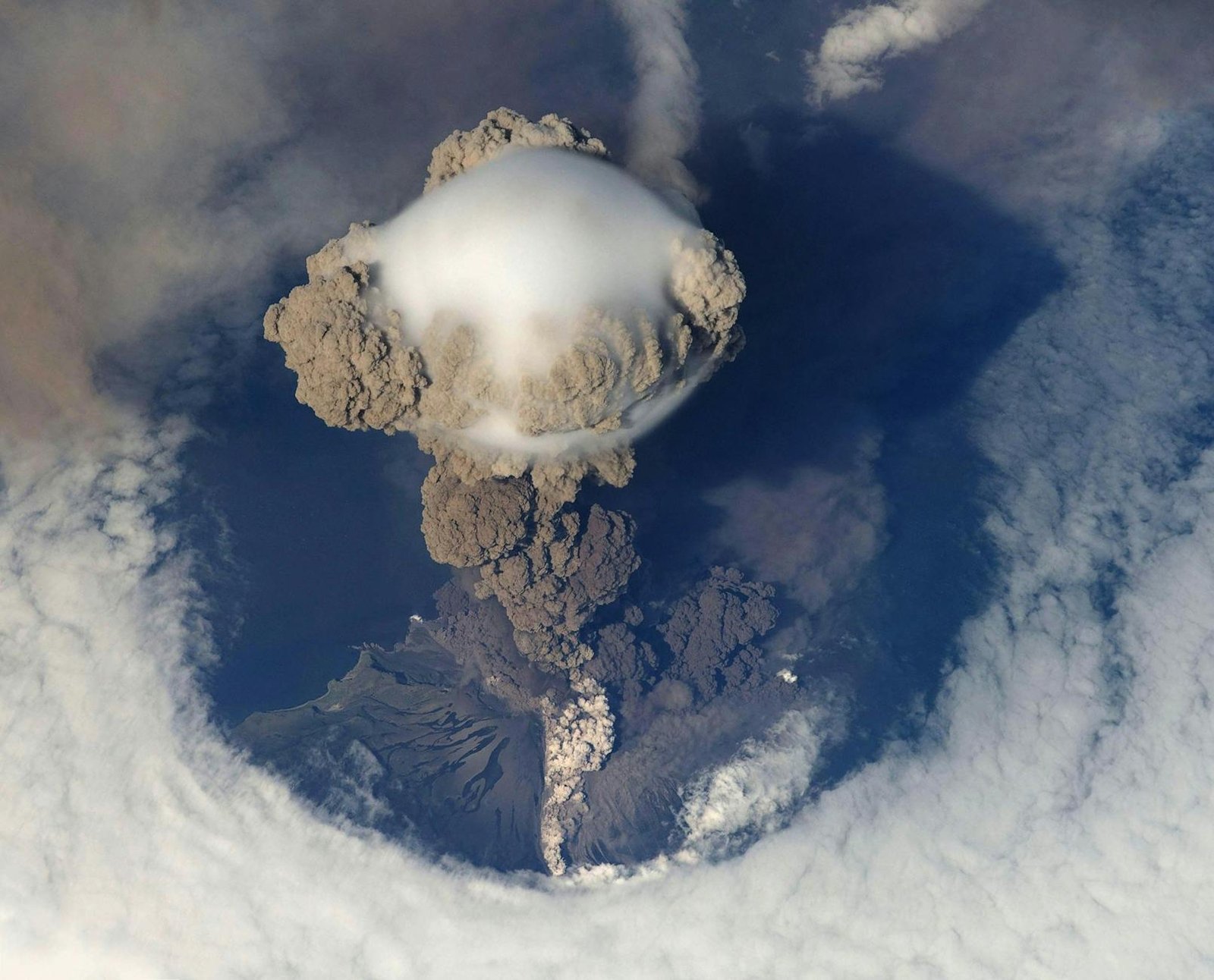
Paramushir Island, in Russia's remote Kuril Islands, is a wilderness anchorage served only by specialist expedition cruises (Quark, Hurtigruten, Ponant, Lindblad, Aurora). Ships anchor offshore; Zodiac tenders ferry passengers to rocky beaches and tundra landing sites.
There is no town, no port terminal, no shops, and minimal infrastructure. Ashore time is structured around guided nature walks, wildlife spotting, and geological exploration led by onboard naturalists. This is pure expedition cruising—expect raw subarctic scenery, volcanic peaks, resident brown bears, and seabirds, not comfort or convenience.
Why go ashore? For hikers and nature lovers, Paramushir is extraordinary—pristine tundra, geological drama, and wildlife encounters in one of Earth's least-visited corners. Why skip it? If you need amenities, solitude on a beach, or low physical exertion, this is not your port. Most passengers are outdoors-focused and expect to work for their views.
Is It Safe?
Paramushir is remote and genuinely wild. Weather is unpredictable; fog, wind, and cold rain are common even in brief windows. Sea conditions can shift fast, grounding Zodiac operations.
Brown bears inhabit the island. Your cruise operator will brief you on bear protocol; always follow guide instructions and never stray from group. Avoid dawn/dusk and be alert near streams and berry patches.
There is no medical facility ashore. The ship's clinic is your only resource. Ensure pre-cruise insurance covers evacuation. Solid footwear, waterproof jacket, and layers are essential—not optional. Hypothermia is a real risk if you fall in water or are stranded due to weather.
Accessibility & Walkability
This is not an accessible port. Landings are via Zodiac onto rocky beaches; no ramps, paved surfaces, or level ground. Tender embarkation involves climbing a rope or metal ladder from the ship. Uneven tundra and volcanic scree make wheeled mobility impossible. If mobility is limited, inform your cruise line at booking; some itineraries include easier viewing from ship or Zodiac without landing.
Outside the Terminal
No terminal. Ships anchor 1–3 km offshore. Your first experience is boarding a Zodiac in the ship's tender bay, riding to a raw, rockstrewn beach, and stepping onto tundra or volcanic shale. Expect wind, cold, mist, and silence. No infrastructure, no people, no commerce—just landscape.
Beaches Near the Port
Zodiac landing beaches (various unnamed coves)
Rocky, volcanic-sand shores used as tender landing points. Not swimming beaches. Water is Arctic (near freezing year-round). Used for disembarkation only; typical dwell time 4–6 hours for guided excursions.
Local Food & Drink
No restaurants, cafes, or shops ashore. All meals are aboard the ship. Bring snacks and water with you if you plan extended independent exploration (though this is not recommended). Expedition vessels typically serve high-quality cuisine suited to the rigorous days ashore; take advantage and eat well before and after landings.
Shopping
No shops on Paramushir. A few expedition vessels carry a small onboard gift shop (books, maps, wildlife guides, local crafts); availability varies. If you want a souvenir, buy it on the ship or at a prior port. There is no local market or artisan selling.
Money & Currency
- Currency
- Russian ruble (RUB)
- USD Accepted?
- No
- Card Payments
- No cards accepted ashore (no businesses ashore)
- ATMs
- None
- Tipping
- Not applicable ashore; tip onboard crew if desired
- Notes
- Paramushir is uninhabited wilderness. No transactions possible. All shore activities are pre-paid via cruise.
Weather & Best Time
- Best months
- July–September (brief subarctic summer; 8–14°C, midnight sun approaching)
- Avoid
- October–May (extreme cold, ice, minimal daylight, sea conditions hazardous)
- Temperature
- 8–12°C (46–54°F) in peak season; wind and rain common
- Notes
- Weather is unpredictable. Fog, wind, and rough seas can cancel Zodiac operations. Bring waterproof jacket, insulating layers, sturdy boots, and hat. Hypothermia is a real risk.
Airport Information
- Airport
- Petropavlovsk-Kamchatsky International (PK, Elizovo)
- Distance
- ~400 km northwest
- Getting there
- Cruise lines often arrange chartered flights or multi-day itineraries combining Kamchatka ports and Paramushir. No regular commercial transport between port and airport.
- Notes
- Most expedition cruises depart from or transit through Petropavlovsk. Flights are specialist and included or pre-booked with operator.
Getting Around from the Port
Zodiac tender
Ship-operated small boats ferry passengers from anchored vessel to landing beaches and coves. Non-negotiable mode of transport.
Walking / hiking
Once ashore, explore on foot. Guided walks are organized; independent exploration is possible but not recommended without local knowledge.
Details last checked April 2026
Planning a cruise here?
Quark Expeditions, Hurtigruten, Ponant & more sail to Paramushir Island.
Practical Tips for Cruise Passengers
- Bring your own snacks, water, and any medications you need; nothing is available ashore and the ship's stores may not stock everything.
- Wear multiple thin layers, waterproof outer jacket, sturdy hiking boots, and gaiters—temperature swings and muddy tundra are relentless.
- Follow all guide and crew instructions regarding bears and weather; conditions change rapidly and safety depends on discipline.
- Charge camera batteries and fill memory cards before tendering ashore; there is no power or service on the island.
Frequently Asked Questions
Operators typically require passengers to join structured excursions for safety (bears, terrain, weather). Independent exploration may be permitted within a designated safe zone near the landing beach, but you must be briefed and carry bear awareness gear.
Weather can prevent landings; this is not uncommon. The ship will attempt alternative landing sites or reschedule. No refunds are given, but cruise lines build in buffer days and alternative ports. Check your cruise terms and consider expedition-grade cancellation insurance.
No cellular, no Wi-Fi, no infrastructure. You are completely offline. The ship has satellite communication; check with your operator if you need emergency contact protocols.
Find cruises to Paramushir Island, Russia
Compare sailings and book with no fees — best price guaranteed.
We may earn a commission when you book through our links, at no extra cost to you — it’s how we keep these guides free.
✉ Sailing to Paramushir Island? Get your port-day plan
Tell us your sail date and we’ll email you a short Paramushir Island plan about 60 days out — when the good excursions start selling out — plus a final checklist 2 weeks before. Two emails, then done. We’ll send one note to confirm it’s really you — unsubscribe anytime.
Northern Europe
View All
More Northern Europe Ports

Northern Europe

Northern Europe

Northern Europe
