
Canada & New England
Canada & New England
Lady Franklin Island Cruise Port Guide: What to Expect & How to Explore
Canada
Ships anchor offshore; tender boats required for all passengers.
Choose the Right Port Day
Best Overall
Join the ship's guided walk or naturalist tour to learn Franklin expedition history and see the cemetery and monument; bring heavy layers and a good camera.
Best Beach
Not relevant. No beach amenities; rocky/tundra coastline only.
With Kids
Only if kids are 10+ and comfortable with cold, remote landscape and slow-paced history walk. Not a kid-oriented stop.
Only 3-4 Hours
Tender ashore, guided cemetery/memorial walk with interpreter, explore Franklin Monument site, return to ship. Expect cold, wind, and rugged Arctic terrain.
Cheapest Option
Everything is functionally free—you're going ashore via tender (often included) and walking/exploring on your own or with a ship naturalist. No shops or restaurants to drain money.
What To Avoid
Don't expect Wi-Fi, facilities, shops, or hot food ashore. Weather can cancel or curtail visits without notice; respect tender schedules strictly.
Quick Take
- Port Type
- Historic expedition port
- Best For
- History buffs, Arctic/polar explorers, photographers, small-ship cruisers
- Avoid If
- You want beaches, nightlife, shopping, or multiple dining options
- Walkability
- Very limited; small developed area, remote terrain beyond it
- Budget Fit
- Low-cost ashore (most activities free or guide-included); no infrastructure for spending
- Good For Short Calls?
- Good—most visit is 2-4 hours via tender and guided walk
Top Things To Do
1
Franklin Expedition Cemetery & Memorial
Visit the burial ground where Jane Franklin's husband Sir John Franklin and others from his final Arctic expedition are remembered. Simple headstones and a cairn mark the site. It is a quiet, poignant place with profound historical weight.
2
Tundra walk & Arctic wildlife observation
Wander the tundra on marked paths. Look for musk oxen, Arctic foxes, migratory birds, and unique low-growing plants adapted to extreme climate. Bring binoculars and a camera.
3
Ship-led naturalist or historian tour
Join a guided walk offered by your cruise line. Experts explain Franklin's legacy, Arctic ecology, Inuit history, and geology. Often the best way to make sense of the landscape and maximize limited time.
Book with the ship, or on your own?
Booking independently
- Often noticeably cheaper than the ship’s version of the same tour.
- Smaller groups and local operators, with traveler reviews you can read before you pay.
- Free cancellation on most tours, usually up to 24 hours before.
When the ship’s excursion makes sense
- Short port calls or long transfers where the timing is tight.
- Tender-only stops where getting ashore can run late.
- The ship waits for its own delayed excursions — it won’t wait for independent ones, so leave a buffer before all-aboard.
We may earn a commission when you book through our links, at no extra cost to you — it’s how we keep these guides free.
Check The Port Traffic
Cruise Ships in Port
Once you have your shore plan, use the schedule to see how busy the harbour will be on your date, plus the ships, lines, and published call windows.
Sun
Mon
Tue
Wed
Thu
Fri
Sat
1
2
3
4
5
6
7
8
1 ship
9
10
11
12
13
14
15
16
17
18
19
20
21
22
23
24
25
1 ship
26
27
28
1 ship
29
30
Quiet (1–2)
Busy (3–4)
Packed (5+)
0 scheduled calls
September 10, 2026
No scheduled cruise ship calls were found for this date selection. Pick a highlighted day on the calendar above, widen the range, or search for a different ship or line.
Port Overview
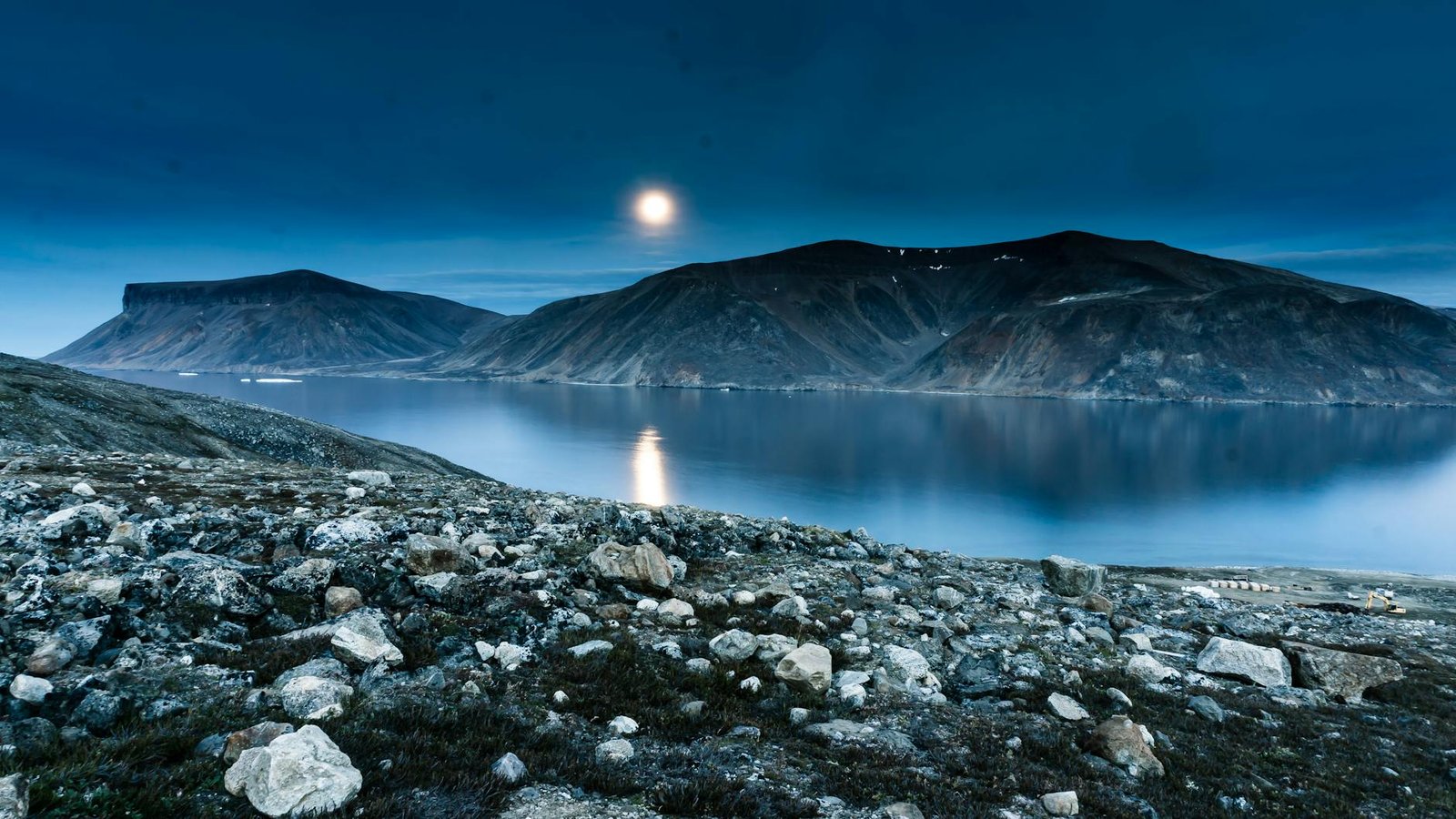
Lady Franklin Island lies in the Northwest Territories in Canada's High Arctic, roughly 300 km northeast of Yellowknife. Ships anchor offshore; passengers tender ashore to a small developed area around a historic cemetery and Franklin expedition memorial. The site marks where explorer Jane Franklin's husband, Sir John Franklin, died on his final Arctic exploration mission. This is not a traditional port with shops or restaurants—it is a historic archaeological and memorial site visited primarily by Hurtigruten, Lindblad, Ponant, and Quark expedition cruises. Most visits are 2–4 hours, timed around weather and tide. There is no infrastructure ashore beyond marked walking paths. Go ashore for history, Arctic scenery, and the solitude of one of Earth's remotest inhabited sites; skip it if you need comfort, amenities, or a full day of activity.
Is It Safe?
Lady Franklin Island is safe in the sense that crime is zero and locals are hospitable. Risk is environmental: extreme cold, sudden fog, high wind, and rapidly changing weather can curtail or cancel visits. The Arctic is unforgiving; hypothermia and injury are real hazards if you wander unprepared. Tender operations may be suspended if seas are rough. Stay with the group, obey crew direction, and do not stray beyond marked areas or the ship's designated time window. Mobile phone coverage is absent. The site has no medical facilities; evacuation would be by helicopter to a regional center.
Accessibility & Walkability
Lady Franklin Island is not wheelchair- or mobility-accessible. The terrain is rough tundra with bog, uneven rocks, and no paving or boardwalks. Tender boarding itself requires agility. If you have mobility concerns, check with your cruise line before booking; some may offer tender assistance or alternative onboard programming. The best option is to stay on the ship and enjoy views from deck.
Outside the Terminal
There is no terminal building. You'll disembark from a tender onto a rocky or gravelly beach and step immediately onto Arctic tundra. The first impression is cold, wind, emptiness, and low vegetation. A few markers or stone cairns may be visible, pointing to the cemetery or monument. The air smells fresh and clean. Expect sounds of wind, water, and—if you're lucky—Arctic wildlife calls. There are no crowds, shops, or amenities within sight.
Beaches Near the Port
Not applicable
Lady Franklin Island has no sandy beaches. The coast is rocky and gravelly, with tundra behind. Water is Arctic cold (near freezing) year-round. Swimming is neither practical nor safe.
Local Food & Drink
There are no restaurants, cafes, or food vendors ashore. Bring snacks or a light meal from the ship before tendering. Many cruisers eat a hearty breakfast on board before visiting. Some expedition ships offer a thermos of hot soup or coffee for passengers returning from the visit. If you have dietary needs, plan ahead with your ship's galley. The Arctic is not a place to get hungry.
Shopping
There are no shops on Lady Franklin Island. No groceries, souvenirs, crafts, or supply stores exist. If you want Arctic or Inuit-made goods, buy them on board or in larger ports (Yellowknife, Inuvik, or Hay River if your itinerary includes them). Bring any personal items you may need from the ship.
Money & Currency
- Currency
- Canadian Dollar (CAD)
- USD Accepted?
- No
- Card Payments
- No merchants or ATMs ashore
- ATMs
- None
- Tipping
- Not applicable—no services ashore
- Notes
- Bring cash or cards for on-ship purchases only. All expenses ashore are zero.
Weather & Best Time
- Best months
- July–August (peak Arctic summer; temps 10–15°C / 50–59°F, longest daylight)
- Avoid
- October–April (extreme cold, darkness, ice, unsafe seas)
- Temperature
- 5–15°C (40–59°F) in summer months
- Notes
- Always bring heavy waterproof layers, gloves, a warm hat, and windproof jacket even in July. Weather can change rapidly and cancel visits with little notice. Wind is constant.
Airport Information
- Airport
- Yellowknife International Airport (YZF)
- Distance
- ~300 km southwest; no direct road to Lady Franklin Island
- Getting there
- Flight from Yellowknife to regional airstrip (e.g., Hay River, Inuvik) required; pre-cruise itinerary varies by cruise line
- Notes
- Most cruisers fly into Yellowknife or another gateway 1–2 days before sailing. No same-day airport access. Expedition cruise itineraries typically begin in a larger town; check your cruise documents for embarkation logistics.
Getting Around from the Port
Tender
Ships anchor offshore; zodiacs or tenders ferry passengers to a small landing area. Process is weather-dependent and strictly time-controlled.
Walking
Once ashore, all exploration is on foot via informal trails and marked paths around the cemetery, monument, and tundra.
Guided naturalist or historian tour
Many ships offer a ship-led walk with an expert explaining Franklin history and Arctic ecology. Check your cruise documents.
Details last checked April 2026
Planning a cruise here?
Seabourn, Silversea Cruises, Atlas Ocean Voyages & more sail to Lady Franklin Island.
Practical Tips for Cruise Passengers
- Check your ship's weather policy before booking. Arctic visits are frequently curtailed or cancelled due to fog, wind, or sea state; flexibility is essential.
- Bring a quality waterproof camera or phone case. Light and scenery are exceptional for photography, but moisture and cold are hard on electronics.
- Wear multiple thin layers rather than one thick layer; you can adjust as you move and your body temperature changes. Gloves, hat, and windproof jacket are non-negotiable.
- Do not stray beyond marked paths or your ship's designated time window. The Arctic is vast and unforgiving; disorientation happens fast, and rescue requires helicopter evacuation.
Frequently Asked Questions
No. Arctic weather can cancel or shorten visits with minimal notice. Ice, fog, wind, and sea state take priority. Have a backup plan (reading, movies, galley time on board) and do not plan your entire day around it.
Yes, very. Even in summer (July–August), expect 5–15°C (40–59°F) with wind. Waterproof jacket, insulated layers, gloves, and warm hat are essential. Most cruise lines provide a packing list; follow it strictly.
Walk to the Franklin cemetery and monument, observe tundra and wildlife, take photos, listen to a ship guide if available, and absorb the historic and Arctic atmosphere. It is a quiet, reflective experience, not an action-packed port. Expect slow-paced exploration.
Find cruises to Lady Franklin Island, Canada
Compare sailings and book with no fees — best price guaranteed.
We may earn a commission when you book through our links, at no extra cost to you — it’s how we keep these guides free.
✉ Sailing to Lady Franklin Island? Get your port-day plan
Tell us your sail date and we’ll email you a short Lady Franklin Island plan about 60 days out — when the good excursions start selling out — plus a final checklist 2 weeks before. Two emails, then done. We’ll send one note to confirm it’s really you — unsubscribe anytime.
Same itinerary network
View All
Ports Often Paired With Lady Franklin Island

Northern Europe
Northern Europe

Canada & New England
