


Asia
Asia
Ningbo Zhoushan Cruise Port Guide: Things to Do & Practical Tips
China
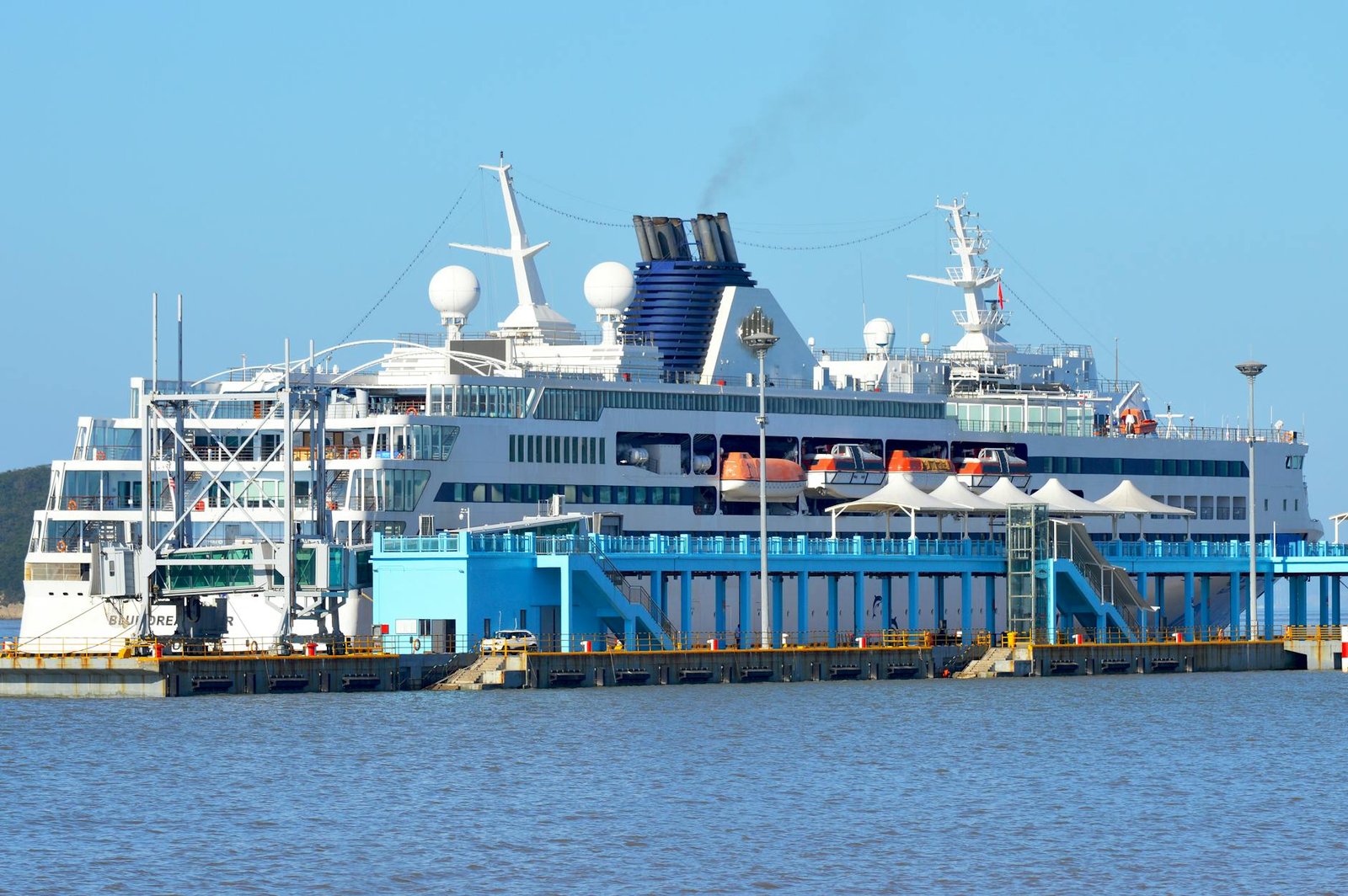
Modern container port with cruise facilities; ships dock directly at terminal.
Choose the Right Port Day
Best Overall
Take a taxi to Ningbo city center, spend 2–3 hours walking Zhongshan Road, visiting Tianyi Pavilion or the museum, and eating authentic local food. Most cruisers find this realistic and satisfying.
Best Beach
Not a beach port. Nearest option is Dongqian Lake (~45 min by taxi), a freshwater scenic lake with parks, but not a swimming destination. Skip unless you have 6+ hours.
With Kids
Tianyi Square pedestrian zone has shops, restaurants, and city vibe; Ningbo Museum (free) is family-friendly if you have time. Otherwise, stay in or near terminal; port area is industrial.
Only 3-4 Hours
Taxi or bus to Ningbo city center (30–45 min), walk through Tianyi Pavilion area and Zhongshan Road shopping street, eat local lunch, return to port. Budget: $25–40 total.
Cheapest Option
Taxi to city center (~$8–12 USD) and explore on foot. Eat at street stalls or small restaurants (meals $2–5 USD). Return via taxi or bus.
What To Avoid
The port terminal area itself is industrial and grey—there is nothing worth exploring nearby. Organized shore excursions are often slow; independent taxi or bus is faster. Expect a working port, not a polished cruise destination.
Quick Take
- Port Type
- Industrial gateway / regional hub
- Best For
- Cruisers interested in authentic East China city life, local food, and quick city exploration; pre- or post-cruise stays.
- Avoid If
- You want pristine beaches, Western resort amenities, or a full day of curated attractions. This is a working port.
- Walkability
- City center is walkable (1.5–2 km); terminal area is industrial and uninviting on foot.
- Budget Fit
- Moderate. Transport is cheap; food and activities are affordable by Western standards.
- Good For Short Calls?
- Yes. 4–5 hours is enough for a quick city walk, lunch, and local browsing.
Top Things To Do
1
The Best of Ningbo Walking Tour
Together with the professional guide, you will visit the most charming places in the city. Old streets, beautiful temples, museums, and lakes, among others, combine to…
2h
2
Romantic Tour in Ningbo
An exclusive tour for all the romantics of the world! Together with the local professional guide, you will visit the most romantic places in the city.…
2h
Our picks in Ningbo Zhoushan
3
Ningbo City Center & Zhongshan Road
The commercial and cultural heart of Ningbo. Zhongshan Road is a lively pedestrian shopping street with department stores, local boutiques, street food vendors, and restaurants. Tianyi Square nearby has shops, parks, and people-watching. Real, unvarnished urban China—not touristy, but alive.
4
Tianyi Pavilion & Ningbo Museum
Tianyi Pavilion is a historic library and temple complex dating to the 16th century; modest in scale but culturally significant. The Ningbo Museum (nearby, free entry) offers exhibits on local history, art, and cultural artifacts. Both are in central Ningbo.
5
Local Food & Street Dining
Ningbo has excellent street food: stir-fried snacks, soup dumplings (xiaolongbao-style), noodles, and fish dishes. No fancy restaurants needed—small stalls and casual eateries around Zhongshan Road and side streets offer authentic cuisine at rock-bottom prices.
Book with the ship, or on your own?
Booking independently
- Often noticeably cheaper than the ship’s version of the same tour.
- Smaller groups and local operators, with traveler reviews you can read before you pay.
- Free cancellation on most tours, usually up to 24 hours before.
When the ship’s excursion makes sense
- Short port calls or long transfers where the timing is tight.
- Tender-only stops where getting ashore can run late.
- The ship waits for its own delayed excursions — it won’t wait for independent ones, so leave a buffer before all-aboard.
Going independent? Compare tours in Ningbo Zhoushan → — the best-reviewed ones sell out first.
We may earn a commission when you book through our links, at no extra cost to you — it’s how we keep these guides free.
Check The Port Traffic
Cruise Ships in Port
Once you have your shore plan, use the schedule to see how busy the harbour will be on your date, plus the ships, lines, and published call windows.
Sun
Mon
Tue
Wed
Thu
Fri
Sat
1
2
3
4
5
6
7
8
9
10
11
12
13
14
15
16
17
18
19
20
21
22
23
24
25
26
27
28
29
30
31
Quiet (1–2)
Busy (3–4)
Packed (5+)
0 scheduled calls
October 3, 2026
No scheduled cruise ship calls were found for this date selection. Pick a highlighted day on the calendar above, widen the range, or search for a different ship or line.
Port Overview
Ningbo Zhoushan Port is a large, modern industrial port serving the Yangtze River Delta region. Ships typically dock at modern container or cruise-dedicated piers; the terminal area is functional but lacks charm. The port is not a destination in itself—the appeal is accessing Ningbo city, a lively East China metropolis with local food, history, and authentic urban energy.
Ningbo (about 30–45 min by taxi from the port) is worth a few hours. The city has temples, museums, shopping streets, and excellent street food. Zhoushan, the broader municipal area, is less compelling for a short port day unless you book a specific excursion. Most independent cruisers head straight to Ningbo city center.
This is a practical, no-frills port. It is not glamorous, but it is a genuine window into modern China and reasonable value for a half-day shore visit.
Is It Safe?
Ningbo and the surrounding region are generally safe for tourists. Petty theft occurs as in any port city, but violent crime against visitors is uncommon. The port terminal and immediate dock area are secure and patrolled.
Be aware that English signage is limited outside the city center. Carry a physical address or phone number of your destination in Chinese. Do not venture into very remote industrial zones at the port perimeter.
Health-wise, tap water is not reliably drinkable; bottled water is ubiquitous and cheap. Air quality can vary; check forecasts if you have respiratory concerns. Standard travel insurance is advisable.
Accessibility & Walkability
Ningbo city center streets are mostly paved, but sidewalks can be uneven and crowded. Wheelchair accessibility in the city is inconsistent—curb cuts and ramps exist but are not universal. The port terminal itself has standard accessibility features (elevators, accessible restrooms).
If you use a mobility device, taxis can be tight, and many historical sites (temples, pavilions) involve stairs. Consider organized excursions if you need guaranteed accessibility, or plan to explore the modern shopping and dining areas (Tianyi Square, Zhongshan Road) which are flatter and more accessible.
Outside the Terminal
When you exit the cruise terminal, you are in an industrial working port: cargo containers, trucks, warehouses. There is no pleasant waterfront to stroll; no souvenir stalls or cafes in the immediate vicinity. The terminal will have a taxi rank (organized queue) and possibly a minibus stand. Signage is minimal. Within 5–10 minutes, you should be in a taxi heading to the city. Attempting to walk into Ningbo from the port is not practical—it is a 2+ km trek through industrial roads with minimal pedestrian infrastructure.
Beaches Near the Port
Not applicable
Ningbo Zhoushan is not a beach port. The nearest recreational water is Dongqian Lake, a freshwater lake 45 min away with scenic parks and walking paths, but it is not a beach swimming destination.
Local Food & Drink
Ningbo is a foodie's delight, especially if you embrace local street vendors and casual eateries. The city is famous for fish and seafood, as well as Zhoushan-style dishes. Signature items include shrimp toasts (炸虾), noodle soups, and various dumpling preparations. Do not expect fine dining; instead, head to bustling small restaurants or street stalls around Zhongshan Road and residential neighborhoods—that is where the best food and lowest prices are.
English menus are rare outside tourist hotels. Point-and-order works fine, or use your phone camera to show the vendor what nearby diners are eating. Meals cost $2–6 USD per person at casual spots. Tap water is not potable; order bottled water or tea. Most stalls accept cash (RMB); growing adoption of WeChat Pay and Alipay.
Shopping
Zhongshan Road is the main shopping drag with department stores, clothing boutiques, electronics shops, and local brands. It is not a luxury shopping district—expect Chinese mainstream retail, not designer outlets. Prices are lower than Western equivalents. Haggling is not typical in shops, only at street markets (if you find one).
Souvenirs are limited. Ningbo does not specialize in handicrafts like some other Chinese cities. Skip shopping here unless you want everyday items or casual apparel. Most cruisers find shopping elsewhere more rewarding.
Money & Currency
- Currency
- Chinese Yuan (RMB, CNY)
- USD Accepted?
- No
- Card Payments
- Visa and Mastercard accepted in larger hotels, restaurants, and malls; unreliable at small vendors and street food stalls.
- ATMs
- ATMs widespread in city center; many accept foreign cards. Airport and main commercial areas are reliably equipped.
- Tipping
- Tipping is not expected in China. Service charges are rarely added. Rounding up or leaving small coins is courteous but uncommon.
- Notes
- Carry RMB cash ($50–100 USD equivalent) for street food, taxis, and small venues. Alipay and WeChat Pay dominate mobile payments but require a linked Chinese bank account or setup in advance. Inform your bank of travel dates to avoid card blocks.
Weather & Best Time
- Best months
- April–May and September–October (spring and autumn). Mild temperatures, lower humidity, clearer skies.
- Avoid
- June–August (hot, humid, typhoon risk); December–February (cold, damp, occasional freezing).
- Temperature
- Summer cruises 28–32°C (82–90°F), humid. Spring/autumn 15–22°C (59–72°F), pleasant. Winter 2–8°C (36–46°F), occasional rain.
- Notes
- Typhoons can affect the region July–September; cruise schedules may be disrupted. Humidity is high in summer. Bring layers and sun protection year-round.
Airport Information
- Airport
- Ningbo Lishe International Airport (NGB)
- Distance
- ~40 km (25 miles)
- Getting there
- Taxi (~$30–50 USD, 45–60 min); airport shuttle bus if available; ride-share (DiDi). No direct rail to port.
- Notes
- Most cruisers with pre- or post-cruise stays arrange hotel pickup. Cruise lines sometimes offer airport transfer packages. Confirm with your cruise company in advance.
Getting Around from the Port
Taxi
Taxis are abundant and regulated. Meters are used; fares are inexpensive. Drivers rarely speak English, but the port location is known to all drivers. Have your destination written in Chinese characters.
Book a transfer 5% off with code TPO5 at checkoutPublic bus
Local buses connect port to city, but routes are complex and signage is in Chinese. Cost is very cheap (~$0.50–2 USD), but requires planning.
Book bus ticketsOrganized shore excursion
Cruise lines offer guided tours to Ningbo sites, temples, gardens, and lunch. Typically 4–6 hours.
App-based ride (DiDi)
DiDi is China's Uber equivalent, widely available in Ningbo and at the port. Requires Chinese phone number or WeChat account.
Details last checked April 2026
Planning a cruise here?
Costa Cruises, MSC Cruises, Royal Caribbean & more sail to Ningbo Zhoushan.
Practical Tips for Cruise Passengers
- Download offline maps (Google Maps works with VPN; Baidu Maps works without) before arrival, as cellular data and WiFi coverage can be spotty outside the city center.
- Have your destination written in Chinese characters or use a screenshot of the address on your phone to show taxi drivers—English is not widely spoken.
- Carry small notes (10 or 20 RMB) for taxis and street vendors; change-giving is common, but smaller bills are convenient.
- Visit the port before departure to locate the taxi rank and confirm last tender time; industrial port layout is disorienting.
Frequently Asked Questions
Yes. Ningbo is a safe, modern Chinese city with low violent crime. Standard urban precautions (watch valuables, avoid very late-night wandering) apply. The port terminal itself is secure and well-patrolled.
No cruise line will wait. If you miss the tender, you are stranded. Always return 30+ minutes before the stated departure time. The port is industrial and not pedestrian-friendly at night; plan accordingly.
Taxi is fastest and most reliable (30–45 min, $8–15 USD). Have the address written in Chinese, or show a screenshot. Avoid organized excursions if you have only 3–4 hours; they include pickup/dropoff time and move slowly.
Find cruises to Ningbo Zhoushan, China
Compare sailings and book with no fees — best price guaranteed.
We may earn a commission when you book through our links, at no extra cost to you — it’s how we keep these guides free.
✉ Sailing to Ningbo Zhoushan? Get your port-day plan
Tell us your sail date and we’ll email you a short Ningbo Zhoushan plan about 60 days out — when the good excursions start selling out — plus a final checklist 2 weeks before. Two emails, then done. We’ll send one note to confirm it’s really you — unsubscribe anytime.
Asia
View All


