
European River Cruises
European River Cruises
Perm Cruise Port Guide: Getting Around & What to Do
Russia
Ships dock at the river terminal on the Kama River with direct access to the city.
Choose the Right Port Day
Best Overall
Visit the Perm State Art Gallery (20 min walk or quick taxi) for world-class Russian avant-garde art and local culture, then stroll the Kama embankment for city views.
Best Beach
Not relevant. Perm is inland on the Kama River. River swimming exists but is not a cruise priority.
With Kids
Perm State Circus (5 min walk from dock if docked centrally) or Perm Zoo; both are short visits. The embankment walk and ice cream are free/cheap entertainment.
Only 3-4 Hours
Walk the Kama embankment (20 min from dock), grab a coffee or lunch at a local café, then visit the Perm State Art Gallery if queues are short. Skip anything requiring a taxi.
Cheapest Option
Walk downtown free, buy a coffee (€1–2), explore street markets on ul. Lenina, or browse the Lenin Museum (€2–4). Total: under €10.
What To Avoid
Tourist 'cultural excursions' sold on board often waste time with lengthy bus rides for short museum visits. Skip them and self-guide instead. Do not expect Western-style shopping or English signage everywhere; navigation takes patience.
Quick Take
- Port Type
- Inland river city port (Volga-Kama)
- Best For
- Art and history buffs; river cruise passengers (AmaWaterways, Uniworld, Viking); those interested in non-touristy Russian cities.
- Avoid If
- You need beach time, high street shopping, or a resorts-and-nightlife vibe. Perm is a working city, not a leisure destination.
- Walkability
- Downtown Perm is walkable (15–20 min to main museums and embankment from dock), but streets are long and winters are brutal. Summer is ideal.
- Budget Fit
- Low to mid. Museum entry €3–6 USD. Taxis are cheap. No major price gouging.
- Good For Short Calls?
- Yes. A 4-hour port works if you skip queues and pick one museum or a waterfront walk.
Top Things To Do
1
Perm State Art Gallery (Permskaya Khudozhestvennaya Galereya)
World-class collection of Russian avant-garde art, including works by Malevich, Kandinsky, and Goncharova. Also Russian icons and Soviet-era pieces. Housed in a grand 19th-century mansion. A must for art lovers and a solid cultural anchor for any port day.
2
Kama River Embankment & City Center Walk
Free, self-guided stroll along the river promenade (Pribrezhnyy Park). Views of the Kama, park benches, cafés, and sculptures. Then walk inland to ul. Lenina (main shopping street) and ul. Sibirskaya for Soviet-era architecture and street-level Russian life. No entry fees.
3
Perm State Circus (Permskiy Gosudarstvenniy Tsirk)
One of Russia's oldest circuses (founded 1927). Small, intimate performances of acrobatics, animal acts, and traditional circus entertainment. Check the schedule board at the dock or ask staff if shows align with your port time.
Show 1 more thing to do in Perm
4
Perm Locales Market & Street Food
Browse local food markets and street stalls for Russian pastries, smoked fish, pickled vegetables, and Soviet-style snacks. Cheap, authentic, and a real slice of daily Perm life. No museum fatigue, just flavor and immersion.
Book with the ship, or on your own?
Booking independently
- Often noticeably cheaper than the ship’s version of the same tour.
- Smaller groups and local operators, with traveler reviews you can read before you pay.
- Free cancellation on most tours, usually up to 24 hours before.
When the ship’s excursion makes sense
- Short port calls or long transfers where the timing is tight.
- Tender-only stops where getting ashore can run late.
- The ship waits for its own delayed excursions — it won’t wait for independent ones, so leave a buffer before all-aboard.
We may earn a commission when you book through our links, at no extra cost to you — it’s how we keep these guides free.
Check The Port Traffic
Cruise Ships in Port
Once you have your shore plan, use the schedule to see how busy the harbour will be on your date, plus the ships, lines, and published call windows.
Sun
Mon
Tue
Wed
Thu
Fri
Sat
1
2
3
4
5
6
7
8
9
10
11
12
13
14
15
16
17
18
19
20
21
22
23
24
25
26
27
28
29
30
31
Quiet (1–2)
Busy (3–4)
Packed (5+)
0 scheduled calls
October 2, 2026
No scheduled cruise ship calls were found for this date selection. Pick a highlighted day on the calendar above, widen the range, or search for a different ship or line.
Port Overview
Perm sits on the Kama River in Russia's Urals region, about 1,800 km east of Moscow. It's a major stop for Uniworld, AmaWaterways, and other luxury river cruise lines. Ships dock at a central pier within walking distance of downtown. Unlike Black Sea ports, Perm is a working Russian city with genuine museums, cultural institutions, and no resort infrastructure—expect authenticity, not polish. Most cruisers spend 1–2 days here as part of a longer river itinerary; it's rarely a solo port call. The city's main appeal is Russian art (especially avant-garde), Soviet history, and a glimpse of everyday life in provincial Russia. Winter cruises are rare; May–September is the season.
Is It Safe?
Perm is a safe city by Russian standards; petty theft and street crime are low. English is rarely spoken outside hotels and the dock area, so communication can be frustrating. Police presence is visible; do not photograph government buildings or military sites. ATMs and banks work fine. Tourist scams are rare because tourism is minimal. The main risk is disorientation due to Cyrillic signage and long walks in hot or cold weather—stay hydrated and dress appropriately. Be respectful of local customs (no loud behavior, avoid political discussions). The embankment and main streets are well-lit and busy during the day.
Accessibility & Walkability
Downtown is flat and walkable for wheelchair users if you stick to main avenues. Curbs are present but not extreme. Older buildings lack elevators; many museums are on multiple floors. The dock area is flat and straightforward. Taxis are accessible if you can transfer; ask the cruise line for a prearranged accessible taxi. Public transport is not wheelchair-friendly. Museums do not always have modern ADA-style access, so call ahead or ask shore excursion staff.
Outside the Terminal
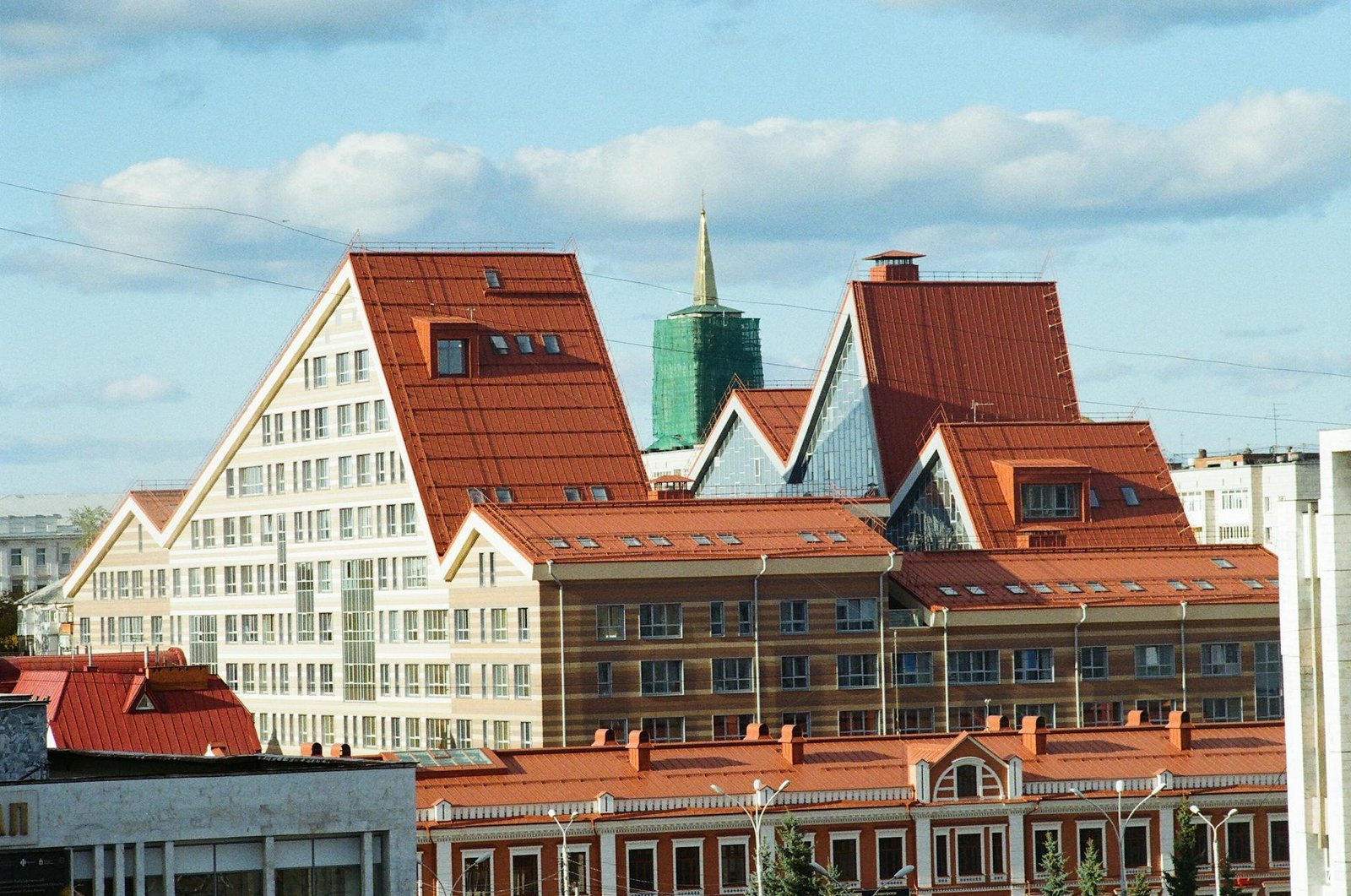
Exiting the cruise dock, you'll see a mix of Soviet-era apartment blocks, shipping infrastructure, and pedestrian pathways. The dock area is functional and a bit utilitarian; no welcoming plaza or immediate shops. After a 5–10 min walk, you reach the main embankment (Kama River promenade) with parks, cafés, and views. Heading inland toward ul. Lenina (the main thoroughfare), you enter a typical Russian city: wide streets, Soviet buildings, some newer shops, and locals going about their day. English signage is rare. The atmosphere is calm, not touristy, and can feel a bit stark compared to Western ports.
Beaches Near the Port
Not applicable
Perm is an inland river port on the Kama River. There are no sea beaches. Summer river swimming exists at locals-only spots but is not a cruise priority and carries water-quality risks.
Local Food & Drink
Perm's food scene is Soviet-influenced and authentic. Local specialties include pelmeni (dumplings), blini (pancakes), and smoked Urals fish. Street food is cheap (€1–3) and includes pastries, piroshki (filled buns), and kvass (fermented rye drink). Cafés and small restaurants cluster on ul. Lenina and near the embankment; expect Russian menus with few English translations. Wine is limited (Russia favors vodka and beer). For a sit-down meal, budget €5–12 USD per person for decent local fare. Avoid overly touristy 'cruise excursion' dinners; stick to neighborhood spots where locals eat. Peppermint House Café and smaller 'stolovaya' (canteen-style) places are reliable and cheap. Tap water is drinkable but mineral water is safer.
Shopping
Perm is not a shopping destination. Ul. Lenina has Soviet-era department stores, clothing shops, and small boutiques, but inventory is limited and prices are not bargain-level. No major malls or luxury brands. Best souvenir options are matryoshka dolls, nesting eggs, postcards, and Soviet memorabilia from local market stalls or small antique shops. Do not expect Western-style retail; plan shopping for Moscow or another major hub. Currency exchange is available but bring USD or EUR cash if possible.
Money & Currency
- Currency
- Russian Ruble (RUB)
- USD Accepted?
- No
- Card Payments
- Limited. Visa/Mastercard work at major shops and hotels but not everywhere. Smaller cafés and markets are cash-only.
- ATMs
- ATMs widespread downtown and near the dock; withdrawal fees $2–4 USD per transaction.
- Tipping
- Not customary in Russia. Small rounding-up (5–10%) is appreciated but not expected. Tipping is rare in casual eateries.
- Notes
- Bring cash (RUB or USD). Notify your bank before travel. ATMs can be temperamental; withdraw enough for the day. No dynamic currency conversion; avoid it if ATMs offer it.
Weather & Best Time
- Best months
- May–September (18–22°C / 64–72°F, long daylight, low rain).
- Avoid
- November–March (heavy snow, –5 to –15°C / 23–5°F, short daylight, harsh conditions).
- Temperature
- May–June ~18°C (64°F); July–August ~22°C (72°F); September ~15°C (59°F). Spring and fall can be wet.
- Notes
- Summer is ideal for port visits. Perm is far north (58°N latitude); winter darkness and cold are extreme. Summer means long daylight (near 17 hours in June). Pack layers and waterproof jacket year-round.
Airport Information
- Airport
- Perm International Airport (Bolshoe Savino, PEE)
- Distance
- ~40 km east of city center
- Getting there
- Taxi (~$15–25 USD), airport shuttle (check with cruise line), or infrequent public buses. Driving time ~45 min.
- Notes
- Used mainly for pre-cruise embarkation and post-cruise departures. Not a typical port-day destination. Cruise lines often arrange transfers; confirm with your travel agent.
Getting Around from the Port
Walking
Downtown (museums, shops, embankment) is 10–20 min walk from the cruise dock. Flat terrain, wide Soviet-era streets.
Taxi
Yandex Taxi app (if your phone works) or street hail. Cheap and reliable. Drivers rarely speak English; have hotel name or landmark ready in Cyrillic.
Book a transfer 5% off with code TPO5 at checkoutPublic buses/trams
Extensive network but no English signs. Useful for longer distances but slow and confusing for first-timers.
Routes & timesDetails last checked April 2026
Planning a cruise here?
AmaWaterways, Uniworld, Viking River Cruises & more sail to Perm.
Practical Tips for Cruise Passengers
- Download Yandex Map (Russian equivalent of Google Maps) and Yandex Taxi to your phone before arrival; ship WiFi may be slow. Both work offline for basic navigation.
- Carry small bills and coins; many small shops and markets do not accept cards. ATMs are common but bring cash backup.
- Wear comfortable walking shoes; Perm's streets are long and can feel monotonous. The embankment walk is the most scenic option if time is tight.
- Learn a few Russian phrases (spasibo = thank you, pozhaluysta = please, gde…? = where is…?); English is rare outside the dock and major hotels.
- If you book a shore excursion, confirm timing and meeting point the night before; communication gaps are common.
Frequently Asked Questions
The cruise dock is within 10–20 min walk of downtown attractions. For the Perm State Art Gallery, it's 20 min walk or a short €4–5 taxi ride.
Yes, most non-Russian passengers need a Russian visa. Cruise lines usually arrange simplified 'transit visas' for port days; confirm with your cruise line at least 60 days before departure. Visa rules change frequently; check the Russian consulate website.
Worth a half to full day if you like art, Russian culture, or urban exploration. Skip it if you need beaches, nightlife, or worry about visa hassle. The Perm State Art Gallery and embankment walk justify the effort for most.
Find cruises to Perm, Russia
Compare sailings and book with no fees — best price guaranteed.
We may earn a commission when you book through our links, at no extra cost to you — it’s how we keep these guides free.
✉ Sailing to Perm? Get your port-day plan
Tell us your sail date and we’ll email you a short Perm plan about 60 days out — when the good excursions start selling out — plus a final checklist 2 weeks before. Two emails, then done. We’ll send one note to confirm it’s really you — unsubscribe anytime.
European River Cruises
View All
More European River Cruises Ports

European River Cruises

European River Cruises

European River Cruises
