


Northern Europe
Northern Europe
Aran Islands Cruise Port Guide: Things to Do, Walkability & Local Tips
Ireland
Ships anchor offshore; tenders ferry passengers to Kilronan pier on Inishmore.
Choose the Right Port Day
Best Overall
Land on Inis Mór, visit Dún Aengus (cliff fort with panoramic views), stroll the main village, and eat at a local pub—captures island character, history, and authentic Irish hospitality in one day.
Best Beach
Not relevant—Aran Islands are rocky, cliff-heavy terrain. Small stone and shingle coves exist but are not a primary reason to visit.
With Kids
Walk the flat village lanes on Inis Mór, visit the small beaches near the pier for rock-hopping and sea-watching, or climb to Dún Aengus if children are fit walkers (1.5–2 km uphill).
Only 3-4 Hours
Land on Inis Mór, walk uphill directly to Dún Aengus fort (main archaeology draw), enjoy sweeping cliff views, then stroll back through the village and grab lunch in a local café. Skip the visitor center if time is tight.
Cheapest Option
Stay in the village, drink water from your ship, explore village streets and local archaeology free of charge. Only cost is a café lunch (€8–15) or optional fort entrance (€5–7).
What To Avoid
Do not overestimate energy for long hikes if your tender window is short; Inis Mór main site (Dún Aengus) takes 1.5–2 km uphill walk. Avoid the smaller islands (Inis Meáin, Inis Oírr) if you have fewer than 6 hours ashore due to inter-island ferry delays.
Quick Take
- Port Type
- Historic small port / island tender destination
- Best For
- Walkers, archaeology enthusiasts, travelers seeking authentic Irish island life without commercial infrastructure
- Avoid If
- You want beaches, quick shopping, or organized tour convenience—this is slow-paced, remote, and entirely self-directed
- Walkability
- Excellent within village centers; villages are small and compact, but terrain is hilly and roads narrow; no formal sidewalks
- Budget Fit
- Budget-friendly—most attractions are free or very cheap; pubs and cafes modest; no expensive theme parks or resorts
- Good For Short Calls?
- Realistic only if tender waits are short; account for 30–60 min round-trip tender time and tidal schedules that may cut your ashore window
Top Things To Do
1
Private cultural tour of Inisheer, Aran Islands with lunch, horse and trap tour
Be guided by an islander on the smallest of the Aran Islands and learn first hand about her story as a local on this island steeped…
3h 30mFree cancellation
2
Cycling on Inisheer Island, Aran Islands. Self Guided. Full Day.
Inis Oirr (Inisheer) is the smallest of the islands is characterized by its distinctive charm. A bike is the perfect way to explore this microcosm of…
8hFree cancellation
Our picks in Aran Islands
3
Dún Aengus (Fort)
Iron Age stone fort perched 100 m above cliffs on the western edge of Inis Mór. Three concentric dry-stone walls enclose a central space. Views of the Atlantic and neighboring islands are dramatic. Free entry; an optional visitor center (€5–7) provides context but is not essential.
4
Kilronan Village Walk & Local Pubs
Stroll the narrow lanes of Kilronan, the only town on Inis Mór. Visit local pubs like Tigh Ned or Tigh Fitz for a pint, conversation, and traditional Irish music (often live in evening, rare in daytime). Pub culture is genuine and welcoming. Small grocery stores and craft shops line the main street.
5
Teampall Éinne (Church Ruins) & Early Christian Heritage
Small ruined 7th-century church in the village. Relatively obscure but reflective of the islands' monastic history. Free to visit. Context is limited; no interpretive signage. Best visited with a guide or after reading up beforehand.
Show 1 more thing to do in Aran Islands
6
O'Brien Visitor Center
Small museum and café covering island history, weaving, and archaeology. Not essential but useful if weather is poor or you have limited time. Café serves soup, sandwiches, and tea. Admission €5–7.
Book with the ship, or on your own?
Booking independently
- Often noticeably cheaper than the ship’s version of the same tour.
- Smaller groups and local operators, with traveler reviews you can read before you pay.
- Free cancellation on most tours, usually up to 24 hours before.
When the ship’s excursion makes sense
- Short port calls or long transfers where the timing is tight.
- Tender-only stops where getting ashore can run late.
- The ship waits for its own delayed excursions — it won’t wait for independent ones, so leave a buffer before all-aboard.
Going independent? Compare tours in Aran Islands → — the best-reviewed ones sell out first.
We may earn a commission when you book through our links, at no extra cost to you — it’s how we keep these guides free.
Check The Port Traffic
Cruise Ships in Port
Once you have your shore plan, use the schedule to see how busy the harbour will be on your date, plus the ships, lines, and published call windows.
Sun
Mon
Tue
Wed
Thu
Fri
Sat
1
2
3
4
5
6
7
8
9
10
11
12
13
14
15
16
17
18
19
20
21
22
23
24
25
26
27
28
29
30
31
Quiet (1–2)
Busy (3–4)
Packed (5+)
0 scheduled calls
October 21, 2026
No scheduled cruise ship calls were found for this date selection. Pick a highlighted day on the calendar above, widen the range, or search for a different ship or line.
Port Overview
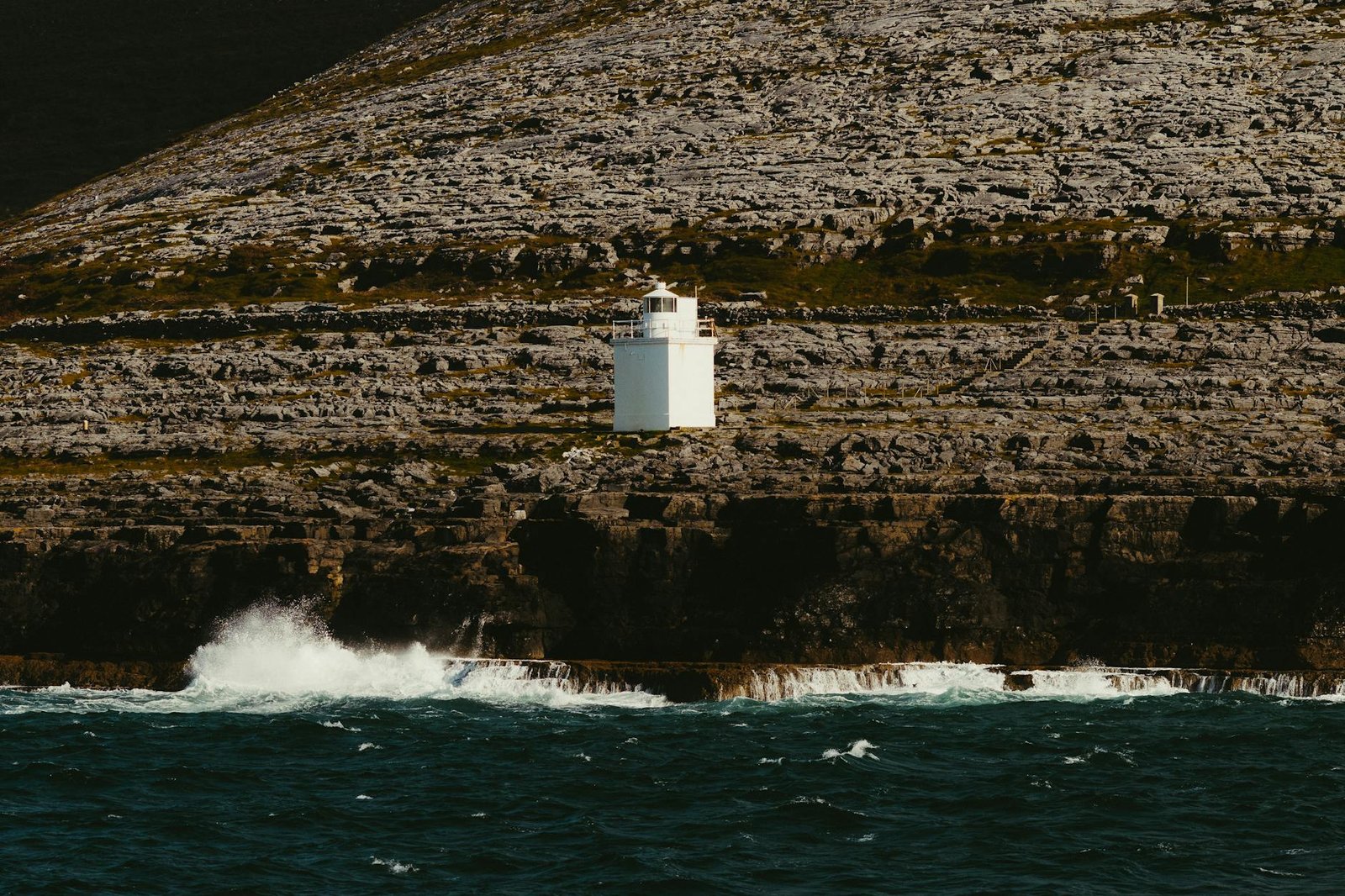
The Aran Islands (Inis Mór, Inis Meáin, Inis Oírr) lie 12 km off the Connemara coast in Galway Bay, Ireland. Ships anchor offshore and tender passengers to the pier at Kilronan on Inis Mór (the largest island). There are no purpose-built cruise terminals, car rentals, or commercial tour operators—you arrive in a working fishing village with basic hospitality.
The islands are known for Iron Age stone forts, traditional Irish language, weaving heritage, and raw Atlantic scenery. Dún Aengus, a prehistoric fort perched 100 m above cliffs, is the main draw. The villages are walkable, quiet, and largely car-free; locals speak Irish and English. This is not a beach or resort port—it is an archaeology and cultural detour suited to independent travelers and slow explorers.
Port days are challenging due to tender schedules and weather; tidal conditions and rough seas often delay or limit sailings. Plan conservatively and confirm tender operation before committing to a full day ashore. Most cruisers spend 4–6 hours max.
Is It Safe?
The Aran Islands are very safe. Violent crime is virtually non-existent. Petty theft is rare. The main hazard is weather and sea conditions: cliffs are unguarded, wind is strong, and fog rolls in suddenly. Stay back from cliff edges, especially at Dún Aengus. Paths can be muddy and slippery. There is one small medical clinic on Inis Mór but no hospital; serious injuries require helicopter evacuation to Galway. Tenders operate only in reasonable sea conditions; rough weather may strand you ashore or prevent departure. Always confirm tender schedules with crew before making plans.
Accessibility & Walkability
Villages are walkable but not wheelchair-accessible in a formal sense. Streets are narrow, cobbled, and potholed. Curbs are high and sidewalks are nonexistent. The main pier at Kilronan has no accessible facilities. Dún Aengus is not accessible; the uphill walk is steep and the site has no ramps or paved paths. If you have mobility challenges, plan for village walks only and skip forts. Accessible bathrooms are limited; ask at pubs or the small visitor center.
Outside the Terminal
You tender to a working fishing pier with no terminal building, just a small pier shed and weathered mooring posts. The pier opens directly onto Kilronan village—a tight cluster of low stone cottages, a few pubs, a small shop, and a visitor center (O'Brien's). The air smells of salt and seaweed. Roads are narrow and cobbled. Tourist infrastructure is minimal; no large shops, no cafes, no ATM in immediate view. If the pier is crowded, locals carry on; this is a working village, not a cruise destination.
Local Food & Drink
Dining on the Aran Islands is simple and modest. Tigh Ned, Tigh Fitz, and other traditional pubs serve hearty Irish stew, seafood chowder, and sandwiches (€8–15). Meals are filling but basic—expect slow service and a local crowd. The O'Brien Visitor Center café offers soup and tea in a quieter setting. A few small shops stock packaged food and drinks; prices are higher than mainland due to supply costs. No restaurant reservations are necessary or possible; walk in and ask. Most cruisers eat lunch in a pub or bring snacks from the ship.
Shopping
Kilronan village has a few small shops selling wool knitwear, crafts, and basic groceries. Aran sweaters (traditional hand-knit wool pulleovers) are the main souvenir, but prices are €40–80 and availability is limited. Avoid expecting boutique variety or credit card acceptance everywhere; bring cash (EUR). Shops close by 17:00 and may have limited stock in low season.
Money & Currency
- Currency
- Euro (EUR)
- USD Accepted?
- No
- Card Payments
- Limited; pubs and shops may accept cards, but cash (EUR) is safer. No card readers at every location.
- ATMs
- No ATM on Inis Mór; bring cash from the ship or mainland. One ATM may exist on the pier area (confirm locally).
- Tipping
- Not customary in pubs; rounding up to the nearest euro is appreciated but not expected.
- Notes
- Bring sufficient EUR cash before tendering. Some pubs and shops are cash-only. Prices are higher than mainland Ireland due to supply costs.
Weather & Best Time
- Best months
- May–September (warmest, driest, most reliable tender service)
- Avoid
- October–April (rough seas, frequent tender cancellations, cold, wet)
- Temperature
- May–September: 12–16°C (54–61°F); frequent wind and rain even in summer
- Notes
- Atlantic weather is changeable; bring waterproof jacket and sturdy shoes year-round. Tender service is weather-dependent; rough seas often delay or cancel sailings. Plan for the possibility of limited ashore time.
Airport Information
- Airport
- Shannon Airport (SNN) or Cork Airport (ORK); Galway has no major airport
- Distance
- Galway city (ferry gateway) is ~40 km southeast; Shannon ~80 km south
- Getting there
- Cruise ships typically dock in Galway or nearby ports. From Galway, ferries to Aran Islands depart from Ros an Oileán pier (ferry companies: Aran Ferries, O'Brien Ferries). Journey time ~40–60 min. No direct airport-to-island transport; arrange via Galway.
- Notes
- Pre- or post-cruise stays in Galway are common. Ferry schedules are frequent in summer, sparse in winter. Book ferries in advance during peak season.
Getting Around from the Port
Tender to Kilronan Pier
Ships anchor offshore. Tenders run from the main pier to Kilronan village on Inis Mór. Tenders may be delayed or cancelled if seas are rough or tide is unfavorable. Expect 15–30 min in tender lines depending on passenger count.
Walking
Villages are compact and foot-friendly. Kilronan village is walkable in 10–15 min end-to-end. Dún Aengus is a 1.5–2 km uphill walk (20–30 min). Roads are narrow, potholed, and shared with rare cars and minibuses; no formal sidewalks.
Minibus/Taxi
A few local operators run informal minibus services or shared taxis from the pier. No fixed schedules; negotiate fare or ask at the pier. Typical trip to Dún Aengus viewpoint: €5–8 per person return.
Book a transfer 5% off with code TPO5 at checkoutBicycle rental
A few shops near the pier rent bicycles (€10–15/day). Useful for covering more ground, but roads are steep, narrow, and shared with cars; not recommended for inexperienced cyclists.
Details last checked April 2026
Planning a cruise here?
Windstar, Azamara, Silversea Cruises & more sail to Aran Islands.
Practical Tips for Cruise Passengers
- Confirm tender schedules with your cruise director before planning a full day ashore; rough Atlantic weather often delays or cancels sailings, and you may have only 3–4 hours on the islands.
- Bring EUR cash and a waterproof jacket; ATMs are nonexistent, card readers are unreliable, and weather changes fast.
- If visiting Dún Aengus, wear sturdy hiking boots and leave time for the uphill 2 km walk; it is steeper and muddier than it looks from the pier.
- Skip the visitor center if you have fewer than 5 hours ashore; prioritize the village walk and Dún Aengus fort for maximum impact.
- Do not plan to visit all three islands in one port day; inter-island ferries add time and are infrequent; Inis Mór alone is more realistic for a tender port.
Frequently Asked Questions
Unlikely if you have fewer than 6 hours ashore. Inter-island ferries (Inis Meáin, Inis Oírr) run infrequently and add 1–2 hours of travel time. Focus on Inis Mór (where your tender arrives) and one main site like Dún Aengus.
You stay onboard. Aran Islands are weather-dependent; rough seas or strong wind often prevent tender operation. No alternative excursion or refund is guaranteed; check with your cruise line's policy beforehand.
Limited. Some pubs and the visitor center offer wifi; phone signal (EU roaming) is usually available. No public charging stations; ask at a café or pub if you need to charge a device.
Find cruises to Aran Islands, Ireland
Compare sailings and book with no fees — best price guaranteed.
We may earn a commission when you book through our links, at no extra cost to you — it’s how we keep these guides free.
✉ Sailing to Aran Islands? Get your port-day plan
Tell us your sail date and we’ll email you a short Aran Islands plan about 60 days out — when the good excursions start selling out — plus a final checklist 2 weeks before. Two emails, then done. We’ll send one note to confirm it’s really you — unsubscribe anytime.
Same itinerary network
View All
Ports Often Paired With Aran Islands

Northern Europe
Northern Ireland
Belfast Cruise Port Guide: Things to Do, Walkability & Local Tips
Northern Europe

Northern Europe
