


AmaCerto
Depart Depart
Itinerary: 7 Nights Europe Cruise (7 nights)
Tours that fit this port day →Luxembourg
Luxembourg City is inland; Moselle river ships moor at Remich or Grevenmacher and passengers go on by coach..
"No tour agencies/groups allowed" IMPORTANT: This tour is 3€ and tips are welcome at the end of the tour so please bring cash. Join us on…
With this guided tour, we invite you to discover the main points of interest of the capital by e-bike. The tour includes some very steep inclines,…
Our picks in Luxembourg
Walk Luxembourg City's UNESCO-listed old town and stroll the Chemin de la Corniche — dubbed 'Europe's most beautiful balcony' — for sweeping views over the Alzette gorge and lower city. This is the essential Luxembourg experience and completely free.
A network of underground tunnels and galleries carved into the cliff below the old town, dating to the 17th century. Genuinely interesting, not a gimmick — they once sheltered thousands of people and extend for kilometres under the city.
The working palace of the Grand Duke sits in the heart of the old town. You cannot enter freely, but the façade and surrounding streets are worth a slow walk — the neighbourhood feels genuinely lived-in for a capital city.
The main square in the old town is lined with café terraces. On a port day with limited time, using this as your base for a quick lunch or coffee before heading back makes practical sense — central, pleasant, and surrounded by everything worth seeing.
The lower town at the bottom of the gorge is a quieter, more local alternative to the tourist-heavy plateau. A steep walk or lift descent takes you down to a neighbourhood of old stone buildings, a river path, and far fewer crowds.
Book with the ship, or on your own?
Booking independently
When the ship’s excursion makes sense
Going independent? Compare tours in Luxembourg → — the best-reviewed ones sell out first.
We may earn a commission when you book through our links, at no extra cost to you — it’s how we keep these guides free.
Check The Port Traffic
Once you have your shore plan, use the schedule to see how busy the harbour will be on your date, plus the ships, lines, and published call windows.
Depart Depart
Itinerary: 7 Nights Europe Cruise (7 nights)
Tours that fit this port day →Luxembourg does not have a traditional cruise port in the maritime sense. River cruise ships — operated by lines such as Viking, AmaWaterways, Uniworld, and their peers — typically dock along the Moselle River at Schengen or Remich, small towns on Luxembourg's southern border with Germany and France. From there, Luxembourg City is roughly 25–40 kilometres away, meaning a port day here always starts with a transfer rather than a walk off the gangway into the action.
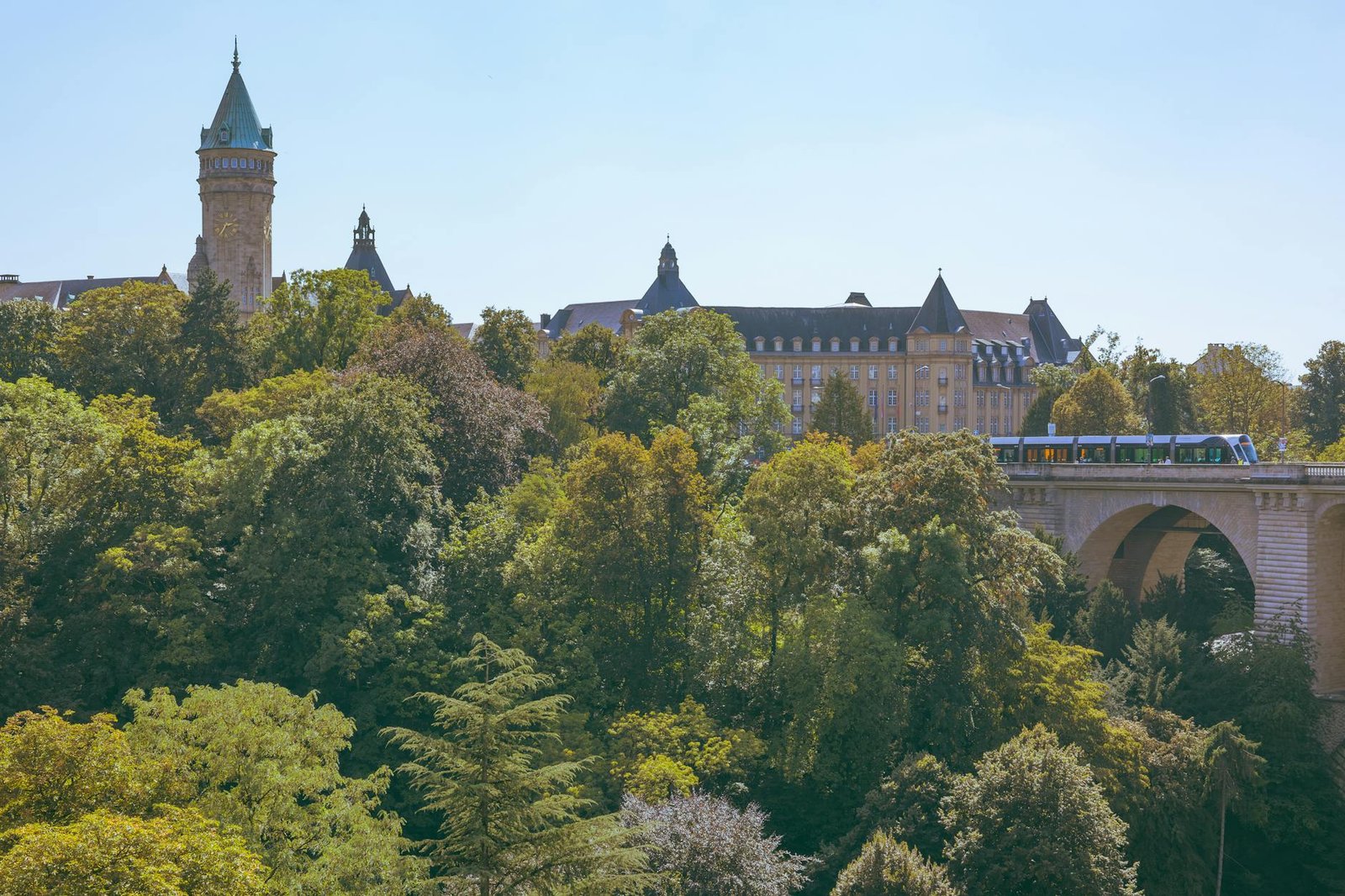
The city itself is worth the effort. Luxembourg City's fortified old town is a UNESCO World Heritage Site, and it is one of the most visually dramatic small capitals in Europe — a plateau ringed by deep river gorges, with centuries of defensive architecture carved into the cliffs below. You can cover the highlights in two to three focused hours on foot.
Be realistic about time. Factor in 45–60 minutes each way for transfers, and your effective sightseeing window on a standard port call shrinks fast. Ships will typically arrange group coaches; if yours does not, private taxis or pre-booked transfers are essential. Do not assume you can figure it out on the dock.
If your cruise begins or ends in Luxembourg, arrive a day early or stay a night after — the city rewards a full day far more than a rushed half-day sprint from Schengen.
Luxembourg City is one of the safest capitals in Europe. Petty crime exists but is rare by regional standards. Keep an eye on bags in busy tourist areas like Place d'Armes, but there is no need for heightened vigilance.
The main practical risk is time, not crime. Missing your ship's transfer back to the dock is a real concern if you underestimate distances or linger too long. Set a firm turnaround time and stick to it.
Luxembourg City's old town is compact but hilly, and accessibility is mixed. The main plateau level — Place d'Armes, Grand-Rue, Grand Ducal Palace — is manageable for most mobility levels and has smooth paving. However, the Chemin de la Corniche and paths into the gorge involve steps and uneven terrain that are not wheelchair-friendly without assistance.
The Casemates du Bock involve stairs and tight passages and are not suitable for wheelchairs. If mobility is a concern, confirm accessibility details with your cruise line before booking any transfer, and focus on the plateau-level old town, which is more accommodating.
There is no traditional terminal at Schengen or Remich. When you step off the gangway, you are on a riverside quay in a quiet small town. There is little infrastructure — no tourist kiosks, no obvious taxi rank, and limited amenities. If your ship has arranged coaches, they will be parked nearby and crew will direct you. If you are on your own, you need a pre-booked transfer waiting for you. The surrounding village is pleasant but there is minimal reason to linger here if Luxembourg City is your goal.
Luxembourg City eats well but does not come cheap — it is consistently among the most expensive cities in Europe for dining. Place d'Armes and the streets around it have the highest concentration of cafés and restaurants convenient for a short port day. Expect $15–25 USD for a sit-down lunch with a drink.
Local staples worth trying include Judd mat Gaardebounen (smoked pork collar with broad beans), gromperekichelcher (potato fritters sold at street stalls), and Moselle Riesling if you want to try the local wine. The wine comes from the same valley where your ship is docked.
For a quick, cheaper option, grab a sandwich or pastry from a boulangerie on the Grand-Rue and eat on the Chemin de la Corniche — better value and arguably a better setting.
The Grand-Rue is Luxembourg City's main shopping street — chain stores mixed with independent boutiques. Chocolate shops and local wine make the most practical souvenirs given bag space constraints on a river cruise. Prices are high across the board; do not expect bargains.
If you are not interested in shopping, skip it entirely — there is nothing unique enough to justify using your limited port time in a shop over the Casemates or old town streets.
Most river cruise lines arrange a group transfer coach from the dock to Luxembourg City. This is the simplest option and often included or low-cost.
Book bus ticketsPre-book a taxi or private minivan from Schengen or Remich to Luxembourg City and arrange a pick-up time for the return. This gives you full flexibility.
Book a transfer 5% off with code TPO5 at checkoutBuses run from Schengen and Remich toward Luxembourg City, but schedules are limited and connections are not designed around cruise ship arrivals.
Book bus ticketsOnce in the city, the old town is very walkable. The Chemin de la Corniche, Place d'Armes, Grand Ducal Palace, and Casemates du Bock are all within easy walking distance of each other.
Details last checked April 2026
Planning a cruise here?
CroisiEurope, AmaWaterways, Avalon Waterways sail to Luxembourg.
Most river cruise ships dock at Schengen or Remich on the Moselle River, roughly 30–40 km south of Luxembourg City. There is no dock in the city itself. A coach, taxi, or pre-booked transfer is required to reach the capital.
Yes, if your call lasts at least six hours and transfers are pre-arranged. The UNESCO old town is compact and genuinely impressive. If your port call is four hours or less, you may spend more time in transit than ashore.
Technically yes — Luxembourg's public transport is free — but bus frequency from Schengen and Remich is limited. Unless you have confirmed timetables in hand, it is too risky on a port day with a fixed ship departure.
It is one of the priciest countries in Europe. Budget around $30–50 USD per person for a basic lunch, one paid attraction, and incidentals. Staying on foot and eating simply keeps costs manageable.
Skip the Mudam contemporary art museum and the MNHA national history museum unless those are genuine priorities — they each need an hour you probably do not have. Focus on the old town, Corniche, and Casemates for maximum impact in minimum time.
Find cruises to Luxembourg, Luxembourg
Compare sailings and book with no fees — best price guaranteed.
We may earn a commission when you book through our links, at no extra cost to you — it’s how we keep these guides free.
Tell us your sail date and we’ll email you a short Luxembourg plan about 60 days out — when the good excursions start selling out — plus a final checklist 2 weeks before. Two emails, then done. We’ll send one note to confirm it’s really you — unsubscribe anytime.


