
Northern Europe
Canada & New England
Baffin Island Cruise Port Guide: Things to Do, Walkability & Local Tips
Canada
Ships anchor offshore; tender boats transport passengers to shore.
Choose the Right Port Day
Best Overall
Book a ship Zodiac wildlife excursion (included or modest fee) to maximize Arctic wildlife viewing and landscape experience.
Best Beach
Not relevant. Arctic tundra and rocky coastline, not swimming beaches.
With Kids
Zodiac tours to see belugas, narwhals, or Arctic birds are memorable for older children (8+); settlement walks are short and weather-dependent.
Only 3-4 Hours
Join a ship-led Zodiac wildlife tour (whale, seal, or bird watching) or walk the settlement and visit the local Inuit co-op or cultural center if available. Weather permitting.
Cheapest Option
Walk the settlement free and visit any open community center or store. Most enrichment comes via ship programs already paid.
What To Avoid
Don't expect self-guided exploration beyond the immediate settlement; infrastructure is minimal. Weather can cancel plans with little notice.
Quick Take
- Port Type
- Expedition & Cultural Stop
- Best For
- Wildlife enthusiasts, Arctic explorers, cultural immersion; not typical beach or resort cruisers.
- Avoid If
- You need restaurants, shops, nightlife, or conventional tourism infrastructure.
- Walkability
- Very limited. Settlements are tiny; most activity is organized excursions by ship or tender.
- Budget Fit
- Most activities are ship-included. Local purchases minimal and expensive.
- Good For Short Calls?
- Yes, but plan around ship-organized excursions and weather windows.
Top Things To Do
1
Zodiac Wildlife Tour
Ship-led boat excursions to spot beluga whales, narwhals, seals, Arctic birds, and occasionally polar bears or musk oxen. The Arctic landscape and ice floes are as stunning as the wildlife.
2
Settlement Walk & Inuit Cultural Center
Guided or self-guided stroll through the settlement. If available, visit the community center or local co-op to see Inuit art, crafts, and traditional goods. Talk to locals if opportunity arises.
3
Photography & Landscape Exploration
Arctic tundra, ice floes, midnight sun (summer), and Northern Lights (autumn/winter) are unparalleled. Bring quality cold-weather camera gear.
Book with the ship, or on your own?
Booking independently
- Often noticeably cheaper than the ship’s version of the same tour.
- Smaller groups and local operators, with traveler reviews you can read before you pay.
- Free cancellation on most tours, usually up to 24 hours before.
When the ship’s excursion makes sense
- Short port calls or long transfers where the timing is tight.
- Tender-only stops where getting ashore can run late.
- The ship waits for its own delayed excursions — it won’t wait for independent ones, so leave a buffer before all-aboard.
We may earn a commission when you book through our links, at no extra cost to you — it’s how we keep these guides free.
Check The Port Traffic
Cruise Ships in Port
Once you have your shore plan, use the schedule to see how busy the harbour will be on your date, plus the ships, lines, and published call windows.
Sun
Mon
Tue
Wed
Thu
Fri
Sat
1
2
3
4
5
6
7
8
9
10
11
12
13
14
15
16
17
18
19
20
21
22
23
24
25
26
27
28
29
30
31
Quiet (1–2)
Busy (3–4)
Packed (5+)
0 scheduled calls
October 19, 2026
No scheduled cruise ship calls were found for this date selection. Pick a highlighted day on the calendar above, widen the range, or search for a different ship or line.
Port Overview
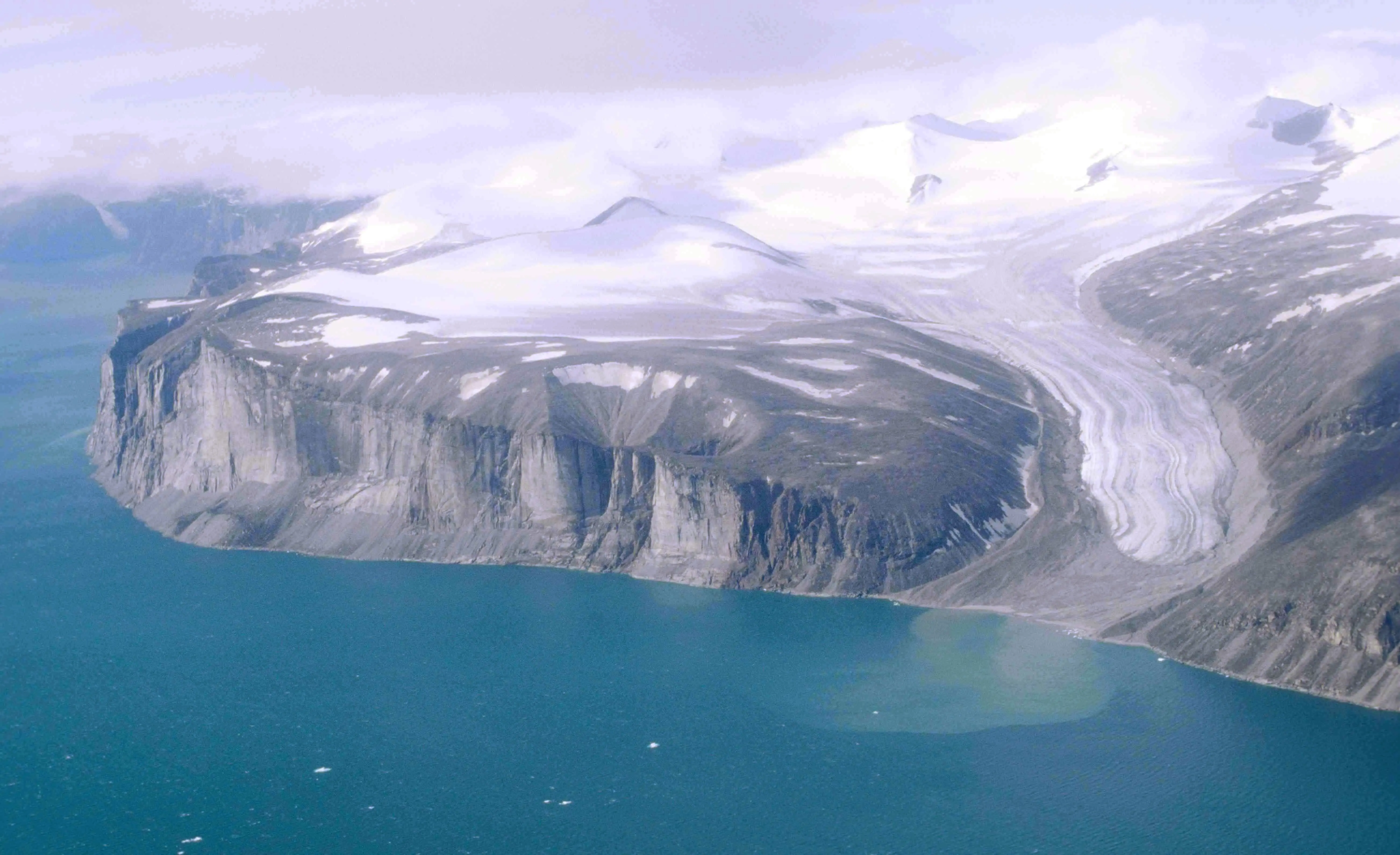
Baffin Island ports (commonly Iqaluit, Qikiqtarjuaq, Nunavut, or other remote settlements) are accessed by tender or small-ship docking. This is no conventional cruise destination—it's an expedition port where the attraction is Arctic wilderness, Inuit culture, and wildlife (whales, seals, birds, polar bears).
These settlements are extremely small (populations under 2,000) with almost no tourism infrastructure, restaurants, or shops beyond co-ops and a few local stores. Your ship is your base; most organized activity happens via Zodiac tours, cultural briefings, and guided walks arranged by expedition operators.
Why go ashore: unfiltered Arctic experience, wildlife encounters, and connection to Inuit communities. Why not: if you want comfort, choice, shopping, dining options, or independence. This is a serious Arctic expedition, not a leisure port.
Is It Safe?
Baffin Island settlements are safe for tourists and locals; crime is rare. The real risk is environmental: extreme cold, sudden weather shifts, and isolation. Always carry wind/waterproof layers and follow crew guidance closely. Polar bears are possible in remote areas but very uncommon near inhabited settlements; your ship and guides manage this risk.
Tender landings can be rough if seas are choppy; motion sickness medication may help. Medical facilities are minimal; serious injury requires evacuation by helicopter. Trust your expedition crew's judgment on excursion cancellation due to weather.
Accessibility & Walkability
Settlements have unpaved or gravel terrain; wheelchair access is poor to nonexistent. Zodiac boarding requires mobility and balance; not suitable for limited mobility. Walking tours are slow-paced but terrain is uneven. Discuss accessibility needs with crew before the port; some accommodations may be possible but should not be assumed.
Outside the Terminal
You'll step onto a rocky or gravel beach, often by Zodiac. The settlement spreads low and sparse on the tundra behind; colorful houses and a few larger community buildings are visible. Wind is constant and cold, even in summer. The smell of Arctic air and sea spray is immediate. People may wave or watch from homes. Everything feels remote and quiet—no traffic, no commercial bustle.
Beaches Near the Port
Arctic Tundra Shoreline
Rocky, pebbly coastline with ice floes. Not a swimming beach. The raw Arctic landscape and views are the appeal.
Local Food & Drink
There are no tourist restaurants in Baffin settlements. Your ship is your dining option. If you venture out, the local co-op may have snacks, dried goods, or canned items. Prices are extremely high (double or triple mainland Canada) due to remote supply chains. Some settlements have a small café or community kitchen serving locals; ask your guide. Traditional Inuit foods (Arctic char, seal, whale) are rarely available to tourists but may be featured in ship-based presentations or cultural meals.
Shopping
Shopping is minimal and expensive. The main option is the local Inuit co-op, where you can buy traditional crafts, art, jewelry, and clothing made by community members. Quality is high; prices reflect the remote location and artisanal value. No souvenir shops, chains, or convenience stores in the American sense. Bring cash if buying from locals, though card payment may work at the co-op.
Money & Currency
- Currency
- Canadian Dollar (CAD)
- USD Accepted?
- No
- Card Payments
- Limited; co-op may accept cards; bring cash.
- ATMs
- Rare or none; do not rely on it.
- Tipping
- Not customary; if you hire a local guide, $10–20 CAD is appreciated.
- Notes
- Prepare cash before boarding. Prices for anything purchased ashore are very high.
Weather & Best Time
- Best months
- July–August (midnight sun, warmest, best visibility for wildlife)
- Avoid
- November–April (extreme cold, limited daylight, harsh conditions)
- Temperature
- Summer (Jul–Aug): 5–15°C (41–59°F); shoulder (May–Jun, Sep–Oct): –5 to 5°C (23–41°F). Wind chill is significant.
- Notes
- Arctic weather is unpredictable and can cancel excursions. Dress in layers and prepare for wind, rain, and cold. Northern Lights possible in fall/winter/early spring. Midnight sun in summer.
Airport Information
- Airport
- Iqaluit International Airport (YFB) or regional settlements (Qikiqtarjuaq area airports limited)
- Distance
- Varies; Iqaluit is ~15 km from settlement; charter flights to other Baffin settlements.
- Getting there
- No direct road access between settlements. Flights via regional carriers (Canadian North, Kivalliq Air) or helicopter charters.
- Notes
- Baffin Island has no road system. All inter-settlement travel is by air or sea. Cruise lines typically arrange embarkation/disembarkation; pre-cruise stays are uncommon and complicated.
Getting Around from the Port
Ship-organized Zodiac excursions
Mandatory for wildlife and landscape access. Ship staff lead tours for whales, birds, seals, and coastal exploration.
Walking from settlement
The dock/tender landing is in or near the settlement center. Walks are short and flat but offer limited sightseeing.
Local guide or charter
Some settlements have community members available for informal tours or stories.
Details last checked April 2026
Planning a cruise here?
Seabourn, Atlas Ocean Voyages sail to Baffin Island.
Practical Tips for Cruise Passengers
- Most activity on Baffin is ship-organized and weather-dependent; flexibility is essential. Don't plan independent exploration beyond a 15-minute walk from the landing.
- Bring high-quality cold-weather gear, even in summer: windproof jacket, thermal layers, hat, gloves, waterproof boots. Arctic conditions are harsh and unpredictable.
- Cash is valuable for supporting local artists and craftspeople at the co-op. Prices are steep but funds stay in the community.
- Hire a local guide if available; they offer unfiltered stories about Inuit life, wildlife, and climate change on Baffin Island.
Frequently Asked Questions
Polar bears exist on Baffin Island but are uncommon near inhabited settlements. Your ship's guides manage wildlife safety. Beluga whales and seals are far more reliable sightings. If polar bears are spotted, the crew will manage the situation and ensure safety.
Yes, settlements are safe and small enough to explore briefly on foot, but infrastructure beyond a few blocks is minimal. Stay within sight of the landing and return well before tender closure. Weather can change quickly; don't wander far.
No restaurants or cafés. The co-op may sell snacks and drinks at inflated prices. Your ship is your dining base. Plan to eat on board before and after your ashore time.
Find cruises to Baffin Island, Canada
Compare sailings and book with no fees — best price guaranteed.
We may earn a commission when you book through our links, at no extra cost to you — it’s how we keep these guides free.
✉ Sailing to Baffin Island? Get your port-day plan
Tell us your sail date and we’ll email you a short Baffin Island plan about 60 days out — when the good excursions start selling out — plus a final checklist 2 weeks before. Two emails, then done. We’ll send one note to confirm it’s really you — unsubscribe anytime.
Same itinerary network
View All
Ports Often Paired With Baffin Island
Canada & New England
Northern Europe

Northern Europe
