
Northern Europe
Northern Europe
Boulogne-sur-Mer Cruise Port Guide: Things to Do & Practical Tips
France
Ships dock directly at the modern Gare Maritime terminal with easy access to the city center.
Choose the Right Port Day
Best Overall
The Haute Ville walk plus lunch at the harbour is the most satisfying combination for the majority of cruisers — authentic, free to explore, and genuinely French.
Best Beach
Boulogne-Plage is a flat sandy beach about a 15-minute walk north of the port — fine for a stretch but not a destination beach. Wimereux, a more attractive seaside village, is about 6 km north if you want a prettier setting.
With Kids
Nausicaá National Sea Centre is one of the largest aquariums in Europe and genuinely impressive for families — easily a 2-3 hour visit and within walking distance of the port.
Only 3-4 Hours
Walk straight from the pier into the lower town, grab a coffee and a pain au chocolat, then climb up to the walled Haute Ville. Walk the ramparts, peek into the Basilica of Notre-Dame, and head back down for a plate of moules-frites at a harbour-side brasserie before returning.
Cheapest Option
Walk the ramparts of the Haute Ville for free, browse the covered market if it's open, and eat moules-frites at a local brasserie for €12-18 per person. Total day cost under €25.
What To Avoid
Don't waste time in the lower town's chain stores along the main shopping street — it looks like any other French retail strip. Also skip the drive to Paris: it's 2.5 hours each way, which eats your entire port day.
Quick Take
- Port Type
- Historic Small Port
- Best For
- History lovers, walkers, seafood fans, and anyone wanting a genuinely French town without the tourist crowds
- Avoid If
- You need a full beach day or want a major city experience — this is a quiet, compact port
- Walkability
- High — the old town, harbour, and most sights are reachable on foot from the pier
- Budget Fit
- Very good — a rewarding day is possible for under €30 per person
- Good For Short Calls?
- Ideal — four hours covers the essentials comfortably
Top Things To Do
1
Haute Ville (Walled Upper Town)
The highlight of Boulogne. Walk the 13th-century ramparts for views over the Channel and the lower town, explore the quiet cobbled streets inside, and visit the Basilica of Notre-Dame with its atmospheric crypt. Almost entirely free and genuinely impressive.
2
Nausicaá National Sea Centre
One of Europe's largest aquariums, right on the waterfront near the port. Well presented, genuinely world-class for an aquarium, and an easy full morning or afternoon activity. Strong on conservation messaging without being preachy.
3
Boulogne Covered Market (Marché de Boulogne)
A real working French market in the lower town selling local cheese, charcuterie, seafood, and produce. Best on Wednesday and Saturday mornings. Not a tourist market — actual locals shop here.
Show 2 more things to do in Boulogne-sur-Mer
4
Harbour Waterfront Walk
A flat, easy walk along the fishing harbour where you can watch the working boats, browse a few fish stalls, and settle into a harbourside brasserie for lunch. Low effort, pleasant atmosphere, and the easiest way to decompress after a sea day.
5
Cap Gris-Nez & Coastal Drive
The dramatic chalk headland of Cap Gris-Nez, about 20 km south-west of Boulogne, offers striking views across the Channel towards England. Best done by taxi or rental car — not feasible on foot. A good option for a full-day port call with transport sorted in advance.
Book with the ship, or on your own?
Booking independently
- Often noticeably cheaper than the ship’s version of the same tour.
- Smaller groups and local operators, with traveler reviews you can read before you pay.
- Free cancellation on most tours, usually up to 24 hours before.
When the ship’s excursion makes sense
- Short port calls or long transfers where the timing is tight.
- Tender-only stops where getting ashore can run late.
- The ship waits for its own delayed excursions — it won’t wait for independent ones, so leave a buffer before all-aboard.
We may earn a commission when you book through our links, at no extra cost to you — it’s how we keep these guides free.
Check The Port Traffic
Cruise Ships in Port
Once you have your shore plan, use the schedule to see how busy the harbour will be on your date, plus the ships, lines, and published call windows.
Sun
Mon
Tue
Wed
Thu
Fri
Sat
1
2
3
4
5
6
7
8
9
10
11
12
13
14
15
16
17
18
19
20
21
22
23
24
25
26
27
28
29
30
Quiet (1–2)
Busy (3–4)
Packed (5+)
0 scheduled calls
September 16, 2026
No scheduled cruise ship calls were found for this date selection. Pick a highlighted day on the calendar above, widen the range, or search for a different ship or line.
Port Overview
Ships dock at Boulogne-sur-Mer's commercial pier in the port area, roughly a 10-15 minute walk from the town centre. The port itself is functional and industrial-looking, but the town improves quickly once you're past the dock gates. This is a real working French town — fishing fleet, covered market, proper brasseries — not a sanitised tourist trap.
The town splits into two levels: the lower town around the harbour with shops, restaurants, and Nausicaá aquarium, and the upper walled Haute Ville perched on the hill above. The Haute Ville is the main reason to bother coming ashore — it's one of the best-preserved medieval walled towns in northern France and almost always quiet.
Boulogne is genuinely underrated as a cruise stop. It's close to home for British passengers (especially on P&O and Cunard), easy to navigate independently, and compact enough to cover the highlights in half a day. It's not a bucket-list destination, but it's a pleasant, honest French port day.
Is It Safe?
Boulogne-sur-Mer is a safe, low-risk port. Petty theft is not a notable problem here compared to larger Mediterranean ports. Exercise the usual common sense — keep your bag in front of you in the market, don't leave valuables visible. The Haute Ville and harbour area are both very relaxed.
The pier-to-town walk passes through a light industrial port zone — it's not dangerous but it's not scenic either. Some ships provide a shuttle bus to the town gate; check with your cruise line before disembarking if you'd prefer not to walk that stretch.
Accessibility & Walkability
The lower town and harbour area are flat and manageable for wheelchair users and those with limited mobility. The Haute Ville presents a real challenge — the approach involves steep ramps and cobbled streets inside the walls, making it difficult for wheelchairs and hard work for anyone with mobility issues. Nausicaá aquarium is fully accessible and a good alternative main attraction for those who can't manage the hill. The pier itself is a standard pier dock with a reasonable walking surface to the gate.
Outside the Terminal
Past the port gates you'll find yourself on a riverside road with the lower town a short walk ahead. There's no immediate tourist welcome zone — just a normal French port street. Within five minutes you'll reach the main lower-town streets with cafés, boulangeries, and the entrance to Nausicaá. Signs to the Haute Ville are posted. It's low-key and pleasant — just start walking towards the hill and you'll orientate quickly.
Beaches Near the Port
Boulogne-Plage
A flat, wide sandy beach immediately north of the port area. Perfectly decent for a walk or a sit, but the setting isn't particularly pretty — it's an urban beach backed by roads and buildings. Good for a quick stretch rather than a dedicated beach day.
Wimereux Beach
A more attractive option about 6 km north of Boulogne. The village has a charming Belle Époque seafront, better sand, and good seafood restaurants. Worth the short taxi or bus ride if a beach visit is a priority.
Local Food & Drink
Boulogne is France's biggest fishing port by volume, which means the seafood is fresh and the moules-frites are excellent. Stick to the harbour-area brasseries for reliable, honest French cooking — mussels, sole, herring, and good bread. Budget roughly €12-20 per person for a proper sit-down lunch with a glass of wine.
The covered market is the place for cheese, charcuterie, and fresh-baked items if you want a self-assembled picnic. There are also good boulangeries in the lower town and a few crêperies near the Haute Ville entrance.
Avoid anywhere with menus translated into six languages and photos of the food on the signage — these are tourist traps that exist but are easy to skip.
Shopping
Shopping is modest and unhurried. The lower town has a pedestrianised high street with French chains and a few independent shops selling regional food products — good for picking up a jar of local mustard, a bottle of Normandy cider, or vacuum-packed cheeses to take home. The market is the best place for edible souvenirs.
There's no designer shopping or major retail draw here. If that's what you're after, this isn't the port for it.
Money & Currency
- Currency
- Euro (EUR)
- USD Accepted?
- No
- Card Payments
- Good in most restaurants, shops, and Nausicaá. Contactless widely accepted. A few market stalls are cash-only.
- ATMs
- Several ATMs in the lower town, easy to find within 10-15 minutes of the pier
- Tipping
- Not expected in France, but rounding up or leaving 5-10% is appreciated in restaurants
- Notes
- Notify your bank before travelling to avoid card blocks. Cash is useful for market purchases.
Weather & Best Time
- Best months
- May, June, July, August, September
- Avoid
- November through February — cold, often wet, and short daylight hours
- Temperature
- 14-22°C (57-72°F) in summer months
- Notes
- Northern France weather is unpredictable. Bring a light waterproof layer even in summer. Wind off the Channel can make it feel cooler than the temperature suggests.
Airport Information
- Airport
- Boulogne-sur-Mer does not have a commercial airport. Closest options are Lille Airport (80 km) or Paris Charles de Gaulle (250 km).
- Distance
- Lille: ~1 hour by car; Paris CDG: ~2.5 hours by car
- Getting there
- Car hire, private transfer, or train from Boulogne-Ville station
- Notes
- Pre/post-cruise stays are better positioned around Lille or Paris given airport proximity. Eurostar at Calais-Frethun (30 km) is an option for UK passengers.
Getting Around from the Port
Walking
Most of the town is walkable from the pier. Lower town is flat; the Haute Ville involves a steady uphill climb of about 10 minutes.
Taxi
Taxis available at or near the port for trips to Wimereux or further villages along the coast.
Book a transfer 5% off with code TPO5 at checkoutLocal bus
Town buses run from near the port to surrounding areas including Wimereux and the beach zone.
Book bus ticketsRental car / pre-booked transfer
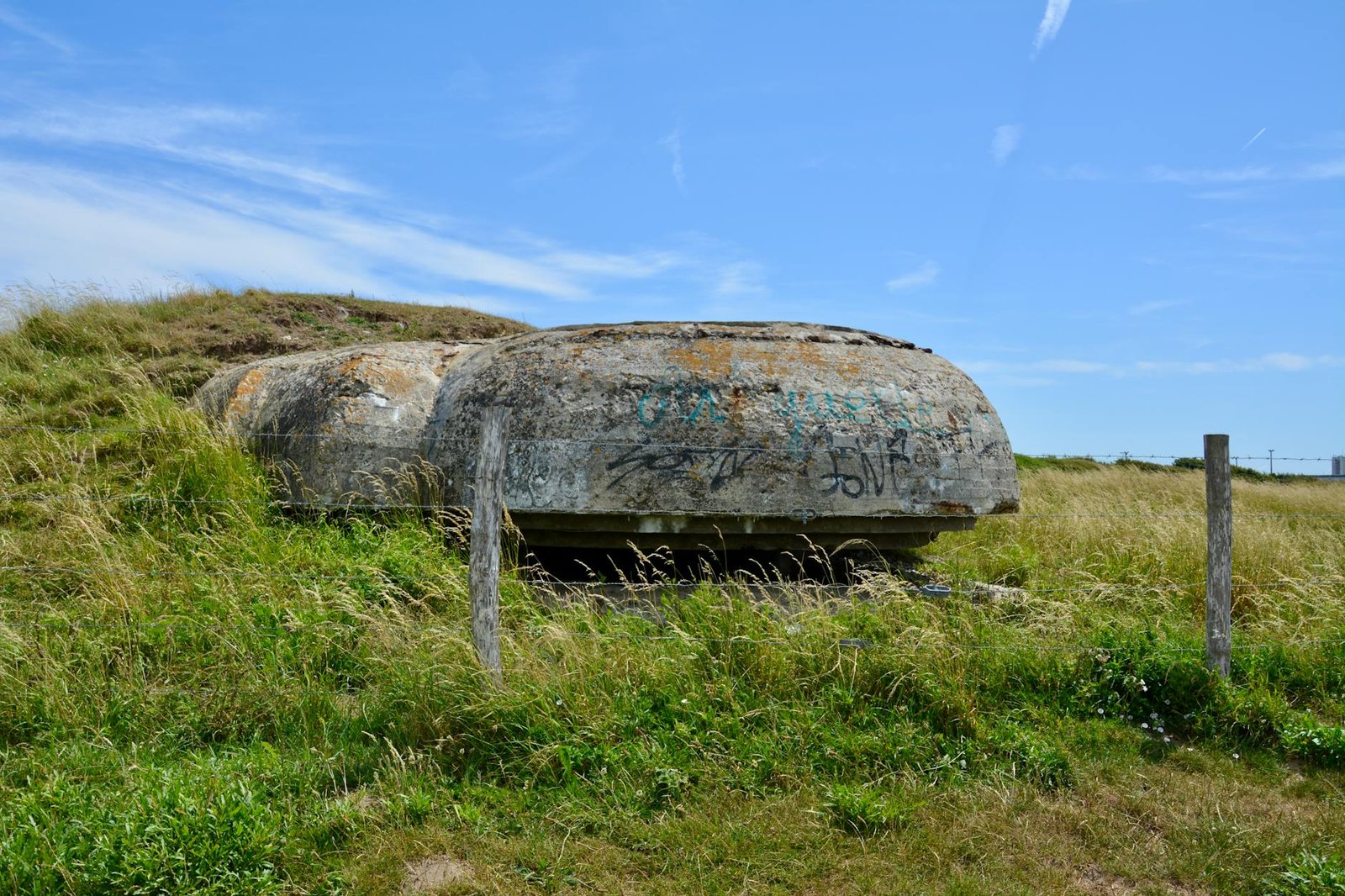
For those wanting to explore Cap Gris-Nez, the 39-45 memorial sites, or the Channel coastline more broadly.
Book a transfer 5% off with code TPO5 at checkoutDetails last checked April 2026
Planning a cruise here?
Atlas Ocean Voyages sail to Boulogne-sur-Mer.
Practical Tips for Cruise Passengers
- The Haute Ville is the main reason to come ashore — don't skip it even if time is tight; the rampart walk takes 30 minutes and is free.
- Check whether your ship offers a shuttle from the pier to the town gate — the pier walk is fine but the shuttle saves time and effort if available.
- Nausicaá sells timed entry tickets online in advance — worth booking if you're travelling with children in peak summer.
- The covered market runs Wednesday and Saturday mornings; if your ship is in port on those days, build your visit around it.
- If you want a coastal excursion to Cap Gris-Nez or Wimereux, pre-arrange a taxi or tour in advance — options at the pier are limited.
- Boulogne is a genuine half-day port — a full day works if you explore the coast, but don't feel pressured to fill every hour.
Frequently Asked Questions
About a 10-15 minute walk from the pier gate to the lower town. Some ships run a shuttle — check with your cruise line. The walk itself passes through a working port area but is manageable.
Yes, especially for P&O and Cunard passengers who may have been here before — but the Haute Ville is genuinely underrated and most cruisers haven't seen it properly. It's a solid half-day port with good food and no crowds.
Not practically. Paris is 2.5 hours each way by car or train, which would leave you almost no time in Paris itself. Stick to Boulogne or the local coastal area.
The lower town and harbour are flat and accessible. The Haute Ville is not — it involves steep ramps and cobblestones. Nausicaá is a fully accessible alternative main attraction for those unable to manage the hill.
Euros only — no USD. Cards are widely accepted in shops and restaurants, but carry some cash for the market and smaller food stalls. ATMs are easy to find in the lower town.
Find cruises to Boulogne-sur-Mer, France
Compare sailings and book with no fees — best price guaranteed.
We may earn a commission when you book through our links, at no extra cost to you — it’s how we keep these guides free.
✉ Sailing to Boulogne-sur-Mer? Get your port-day plan
Tell us your sail date and we’ll email you a short Boulogne-sur-Mer plan about 60 days out — when the good excursions start selling out — plus a final checklist 2 weeks before. Two emails, then done. We’ll send one note to confirm it’s really you — unsubscribe anytime.
Same itinerary network
View All
Ports Often Paired With Boulogne-sur-Mer

Northern Europe

Northern Europe

Northern Europe
