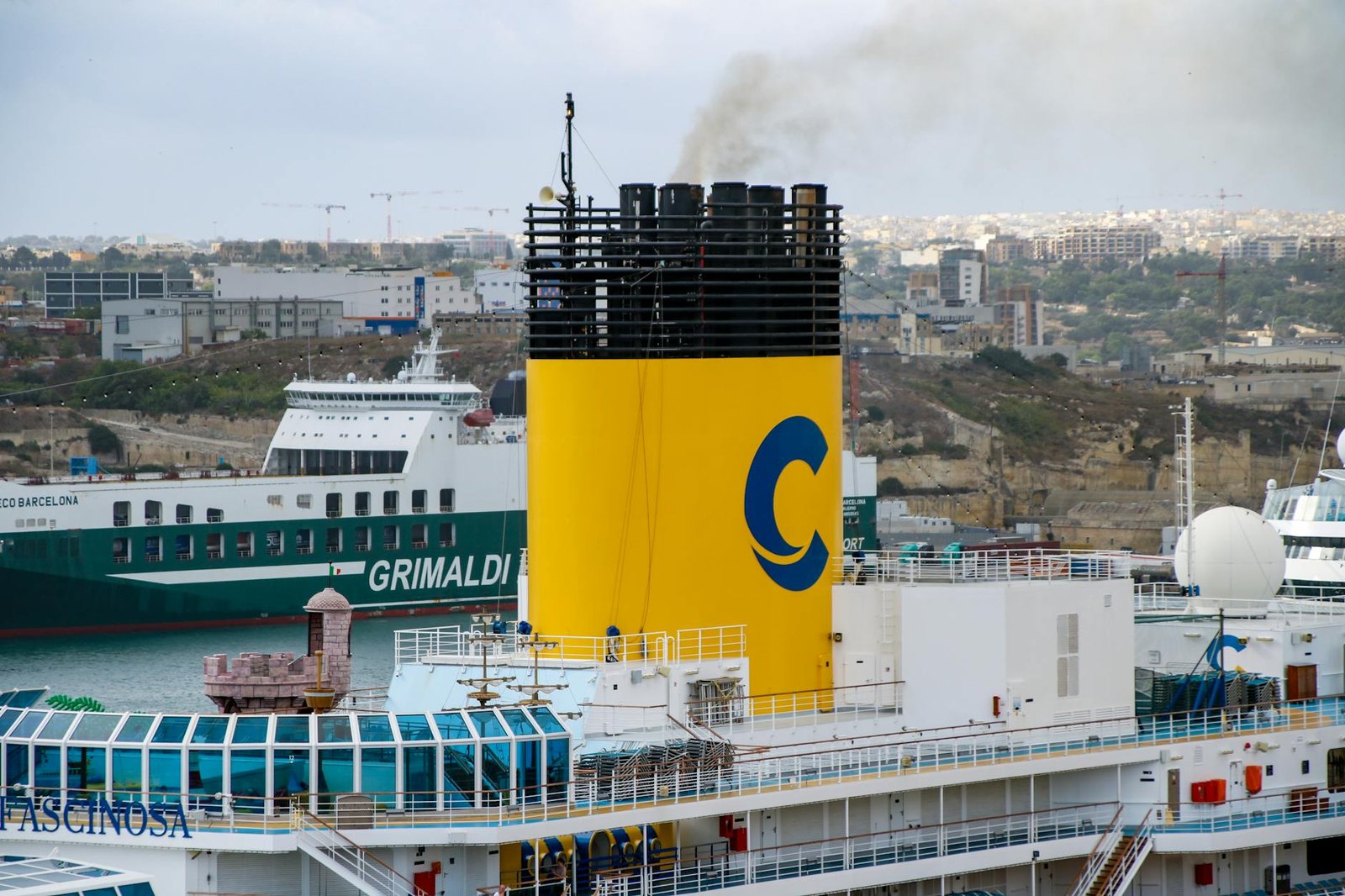
Valletta punches well above its weight. As one of the smallest capital cities in the world, this sun-drenched Baroque masterpiece packed onto a limestone peninsula manages to feel epic — grand fortifications, gilded churches, and a harbour that has witnessed millennia of Mediterranean drama. Cruise passengers often wonder whether a few hours ashore is enough, and the honest answer is: it’s a start, and it will leave you wanting more.
Arriving by Ship
Your cruise ship docks at Valletta’s Grand Harbour, one of the most spectacular natural harbours in the world. The approach alone — flanked by honey-coloured fortifications, church domes, and the dramatic silhouette of the Three Cities across the water — is worth the trip on its own. From the Valletta Waterfront (Pinto Wharf), you can walk into the city centre via a lift or escalator that climbs the steep bastions, or hop into a traditional dghajsa water taxi for a scenic crossing. The city’s compact layout means that once you’re up top, most major sights are within comfortable walking distance. Ships typically arrive in the morning and depart by early evening, giving you a solid six to eight hours ashore.
Things to Do

Start at St. John’s Co-Cathedral, a relatively plain exterior hiding one of the most jaw-dropping Baroque interiors you’ll ever encounter — including Caravaggio’s largest painting. From there, wander along Republic Street, the city’s spine, past Grandmaster’s Palace toward the Upper and Lower Barrakka Gardens, where panoramic views of the Grand Harbour will stop you in your tracks. The noon cannon fires daily — don’t miss it.
If you want to venture beyond the city walls, the Three Cities of Vittoriosa, Senglea, and Cospicua sit directly across the harbour and are a wonderful half-day adventure combining ancient Knights’ fortifications with authentically un-touristy Maltese streets. A guided tour combining the Three Cities with a harbour boat ride and some local wine is a particularly rewarding way to spend your time. 🎟 Book: Three Cities guided tour including harbour boat tour For something even more immersive, you can combine the Three Cities with a proper wine tasting session. 🎟 Book: Malta: The Three Cities and Wine Tasting Tour
Prefer to cover more ground? A private half-day tour can whisk you out to the Blue Grotto sea caves, the prehistoric Ħaġar Qim temples, or the medieval hilltop town of Mdina — Malta’s original capital, entirely car-free and utterly enchanting. 🎟 Book: Blue Grotto and Sunday Market at Marsaxlokk Fishing Village Tour
Local Food
Maltese cuisine is a satisfying blend of Mediterranean influences — think Sicilian richness, North African spice, and British practicality all folded together. Don’t leave without trying pastizzi, flaky pastry parcels filled with ricotta or mushy peas that cost pennies and taste extraordinary. Ftira, a ring-shaped Maltese bread sandwich loaded with tuna, capers, and sundried tomatoes, makes the perfect portable lunch for sightseeing. For a sit-down meal, head to one of the trattorias along Merchants Street or down in the Valletta Waterfront area and order braġjoli (beef olives) or fresh grilled lampuki (dolphin fish, in season during autumn). Wash it all down with Cisk lager, Malta’s national beer, or a glass of Maltese Marsovin wine.
Shopping

Valletta isn’t a duty-free shopping destination, but it offers genuinely interesting things to bring home. Look for hand-crafted Maltese lace (bizzilla), glasswork from the island of Gozo, and locally made silver filigree jewellery — a craft with centuries of tradition. Republic Street and the surrounding side streets have a mix of independent craft shops and well-known souvenir sellers. For something more upmarket, the boutiques around the Baroque palazzos stock ceramics, olive oils, and artisanal food products that are far more luggage-worthy than a fridge magnet. The Merchant’s Street Market is also worth a browse for second-hand finds and local character.
Practical Tips
Malta uses the euro (€), and ATMs are readily available near the Waterfront. English is an official language alongside Maltese, so communication is effortless. The city is hilly and paved with uneven limestone, so wear comfortable shoes — heels are genuinely inadvisable. Summer in Malta (June–September) is intensely hot and busy; spring and autumn visits offer gentler temperatures ideal for walking. Most major sights charge modest entry fees, and St. John’s Co-Cathedral in particular sells out of timed slots quickly, so book ahead where possible. Taxis from the port are metered; Bolt and eCabs apps also work well if you prefer to pre-book.
Valletta rewards curiosity. Every narrow side street reveals a carved saint in a niche, a crumbling palazzo hiding a secret garden, or a view of harbour water that shimmers impossibly blue. One day won’t be enough — but it will be unforgettable.
🎟️ Things to Book in Advance
These highly-rated experiences fill up fast — book before you arrive to avoid missing out.


This page contains affiliate links. If you book through them, we may earn a small commission at no extra cost to you.
📍 Getting to La Valletta Malta
Use the interactive map below to explore the port area and plan your route from the terminal.
Leave a Reply