
Asia
Asia
Shwe Pyi Thar Cruise Port Guide: Getting Around & What to Know
Myanmar
Ships anchor offshore; tenders required to reach port facilities.
Choose the Right Port Day
Best Overall
If you have 6+ hours, take a taxi to Yangon and spend time at Shwedagon Pagoda and the old colonial downtown. If only 3–4 hours, use it to settle into your ship or arrange a short city tour via the cruise line.
Best Beach
Not relevant; this is a river port. No beaches nearby.
With Kids
Pre-arrange a half-day Yangon trip via your cruise line (often easier than DIY). Kids enjoy the Shwedagon Pagoda and local markets, though be prepared for crowds and heat.
Only 3-4 Hours
Skip exploring the port itself. Take a shared taxi or arrange a driver ($20–30 USD) for a quick spin through Yangon's Shwedagon Pagoda area and downtown, or stay dock-side if embarkation day is rushed.
Cheapest Option
Shared taxi to central Yangon (~$2–4 USD per person) and walk the downtown colonial district, teashops, and Sule Pagoda area. Budget $10–20 USD total per person.
What To Avoid
Do not expect a self-guided afternoon ashore on your own; distances are deceptive and navigation outside Yangon city center requires local knowledge. Skip random street food stalls if you have a sensitive stomach.
Quick Take
- Port Type
- River embarkation/disembarkation hub
- Best For
- River cruise embarkation, connections to Yangon, river-focused itineraries
- Avoid If
- You want independent beach time or a full-day walkable city port
- Walkability
- Port area itself is minimal; Yangon (20–25 km away) is walkable downtown but requires transport
- Budget Fit
- Budget-conscious travelers can reach Yangon via shared taxi or ferry for $2–5 USD
- Good For Short Calls?
- Not ideal; most cruisers use this port to board/disembark or make a day trip to Yangon
Top Things To Do
1
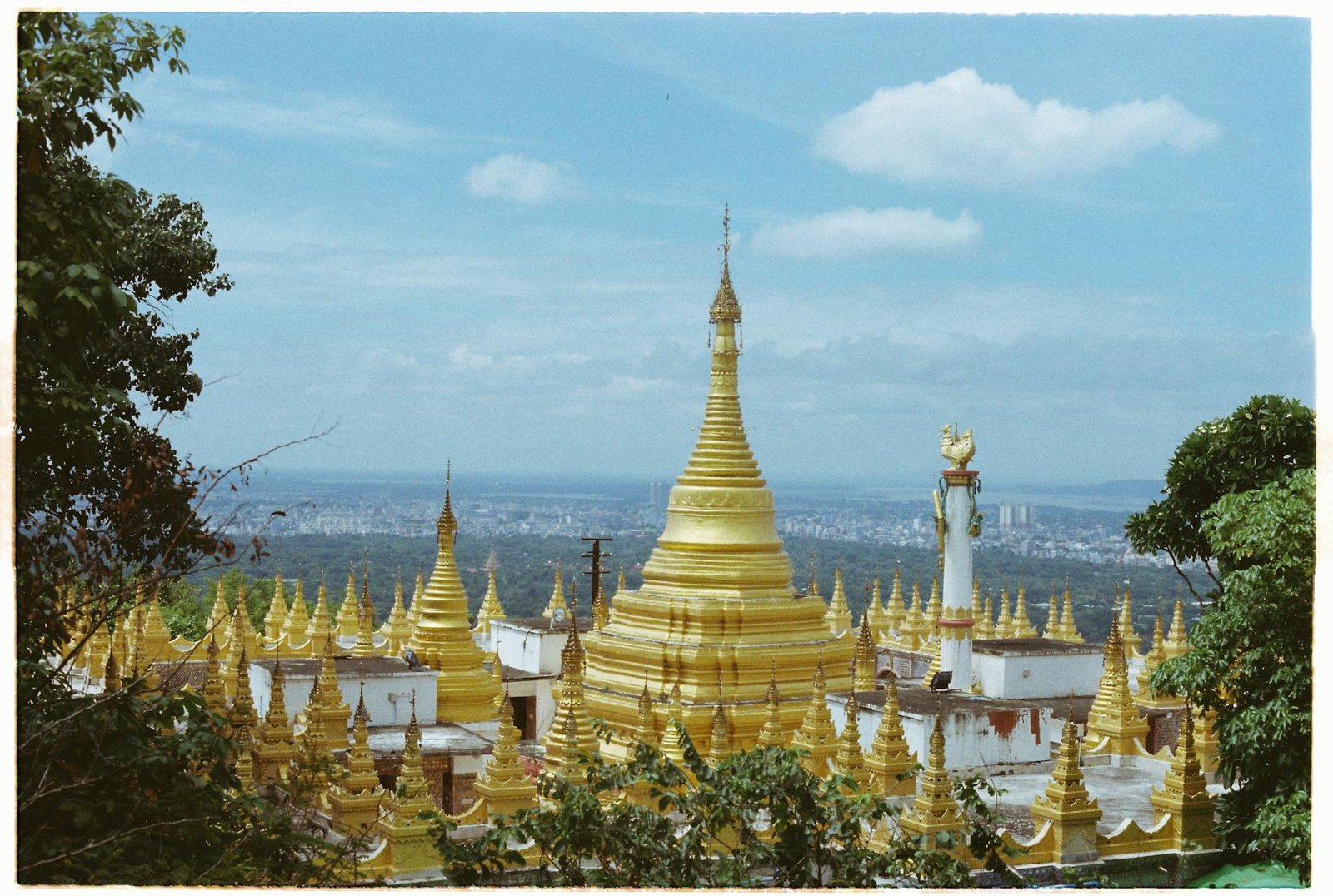
Shwedagon Pagoda, Yangon
Myanmar's most sacred Buddhist site; a stunning golden stupa set on a hilltop. Shoes off, modest dress required (sarongs available at entrance). Busy with pilgrims and tourists but worth the time. Entrance includes donations (suggested ~$8 USD).
2
Colonial downtown Yangon walk
Historic buildings from the British colonial era, including the High Court, old bank facades, and narrow alleyways with teashops. Streets around Sule Pagoda and Bogyoke Aung San Road are most walkable. Atmosphere is atmospheric but gritty; allow time for tea and people-watching.
3
Bogyoke Aung San Market
Large covered market selling textiles, lacquerware, jade, gems, and souvenirs. Chaotic, crowded, and bargaining-focused. Authentic but not for those with sensitive stomachs (food smells) or anxiety in crowds. Good for gifts and handicrafts.
Book with the ship, or on your own?
Booking independently
- Often noticeably cheaper than the ship’s version of the same tour.
- Smaller groups and local operators, with traveler reviews you can read before you pay.
- Free cancellation on most tours, usually up to 24 hours before.
When the ship’s excursion makes sense
- Short port calls or long transfers where the timing is tight.
- Tender-only stops where getting ashore can run late.
- The ship waits for its own delayed excursions — it won’t wait for independent ones, so leave a buffer before all-aboard.
We may earn a commission when you book through our links, at no extra cost to you — it’s how we keep these guides free.
Port Overview
Shwe Pyi Thar is a river port located on the outskirts of Yangon (Rangoon), serving as the primary embarkation and disembarkation point for river cruises operated by Uniworld, AmaWaterways, Viking River Cruises, and other expedition lines. Ships dock at an anchorage; passengers tender to shore. The port itself is minimal—little more than a landing jetty and a small terminal building—so there is no independent walkable port area.
Yangon sits 20–25 km away and is accessible by taxi, car hire, or ferry in 30–60 minutes depending on traffic. Most cruisers either board/disembark quickly or arrange a pre-cruise or post-cruise day in Yangon itself. The city is worth a visit if you have time, but Shwe Pyi Thar port is not a traditional shore-excursion destination in the sense of having attractions within walking distance.
Is It Safe?
Shwe Pyi Thar port area itself is safe and low-key. Yangon is generally safe for tourists in main districts (downtown, Sule Pagoda, Shwedagon Pagoda), though petty theft and pickpocketing do occur in crowded markets and on public transport. Avoid large crowds if possible, keep valuables secure, and do not wander into unfamiliar neighborhoods after dark. Political tensions have cooled since 2021, but remain aware of local news. Tap water is not safe; drink bottled water only. The roads are congested and driving standards are chaotic; sit back and let your driver handle it.
Accessibility & Walkability
The port terminal has basic facilities but limited wheelchair accessibility; the landing jetty is narrow and may involve steps. Getting to central Yangon requires a taxi ride (vehicles vary in accessibility). Downtown Yangon has uneven sidewalks, no curb cuts, and crowded streets; wheelchair users will find navigation difficult. Accessible toilets at the port are minimal; ask your cruise line in advance. Pre-arrange accessible transport if needed.
Outside the Terminal
Exiting the port, you'll find a modest terminal building with basic amenities (toilet, small shop). A cluster of taxis waits outside, and a few street vendors may offer drinks or snacks. The atmosphere is unhurried and informal. No signs point to attractions; signage is in Burmese and English is patchy. Within 100 meters you'll see the river, local houses, and small shops catering to port workers. The area feels provincial and workmanlike, not touristy.
Local Food & Drink
Yangon's food scene is excellent and cheap. Shan noodles, mohinga (fish soup), and curry rice are staples at street stalls and teashops ($1–3 USD per meal). Teahouse culture is central to local life; sit down for tea and snacks at any teashop and observe daily life. Restaurants catering to tourists are clustered around downtown and the Sule Pagoda area. Fresh fruit (mangoes, papaya) is abundant and safe if you peel it yourself. Avoid tap water and ice; drink bottled water, tea (boiled), or soft drinks. Street food hygiene varies; eat at busy stalls where turnover is high.
Shopping
Bogyoke Aung San Market (covered) is the main shopping destination in Yangon, about 25 km away. Expect jade, gems, textiles, and carved lacquerware at negotiable prices; haggling is expected and necessary. Souvenir shops near the Shwedagon Pagoda sell knockoff tourist items at inflated prices; avoid unless desperate. Downtown Yangon has small colonial-era shops selling longyis (traditional skirts), sandals, and handicrafts. Prices are far lower than Western equivalents, but quality varies. Import restrictions apply to certain items (jade, religious artifacts); check customs rules before buying.
Money & Currency
- Currency
- Myanmar Kyat (MMK)
- USD Accepted?
- Yes
- Card Payments
- Limited; only major hotels and restaurants in Yangon accept cards. ATMs exist in Yangon but are unreliable; assume cash-only at port.
- ATMs
- ATMs are present in central Yangon but not at the port. Withdraw cash in Yangon if possible.
- Tipping
- Tipping is not customary but small amounts are appreciated. Round up bills or add 5–10% at restaurants if service is good.
- Notes
- Bring USD cash and exchange at your hotel or a money changer in Yangon. Exchange rates are often better than at airport. The Kyat is not freely convertible; change back to USD before leaving.
Weather & Best Time
- Best months
- October to March (cool, dry; 68–82°F / 20–28°C)
- Avoid
- May to September (hot, humid, monsoon rains; 86–95°F / 30–35°C)
- Temperature
- Most river cruises operate October–March; expect warm days and cool mornings (70–85°F / 21–29°C)
- Notes
- Dress in layers; mornings are cool, afternoons warm. Rainy season (May–Sep) makes roads muddy and logistics harder; cruises are rare then.
Airport Information
- Airport
- Yangon International Airport (RGN)
- Distance
- ~40 km from port; ~15 km from central Yangon
- Getting there
- Shared shuttle (~$3–5 USD), private car ($20–30 USD), or taxi (~$5–10 USD). Allow 1–1.5 hours in normal traffic.
- Notes
- Most river cruisers fly in a day or two early and spend time in Yangon. Arrange transport in advance via your cruise line or hotel.
Getting Around from the Port
Shared taxi or metered cab
Taxis gather near the port terminal. Negotiate fare before boarding or use a meter (uncommon but possible). Drivers often know limited English; ask your cruise staff to write your destination in Burmese.
Book a transfer 5% off with code TPO5 at checkoutPrivate car/driver arranged via cruise line
Most efficient option. Cruise lines typically pre-arrange drivers or can recommend reliable services. Driver meets you at port.
Book a transfer 5% off with code TPO5 at checkoutFerry (Yangon to nearby towns)
Limited ferry service to towns along the Irrawaddy; not practical for most shore-day plans.
Book ferry ticketsWalking port area
The port itself is small and not walkable as a destination. The landing area is basic, with little to see.
Details last checked April 2026
Check The Port Traffic
Cruise Ships in Port
Once you have your shore plan, use the schedule to see how busy the harbour will be on your date, plus the ships, lines, and published call windows.
Sun
Mon
Tue
Wed
Thu
Fri
Sat
1
2
3
4
5
6
7
8
9
10
11
12
13
14
15
16
17
18
19
20
21
22
23
24
25
26
27
28
29
30
31
Quiet (1–2)
Busy (3–4)
Packed (5+)
0 scheduled calls
August 31, 2026
No scheduled cruise ship calls were found for this date selection. Pick a highlighted day on the calendar above, widen the range, or search for a different ship or line.
Planning a cruise here?
Uniworld, AmaWaterways, Viking River Cruises & more sail to Shwe Pyi Thar.
Practical Tips for Cruise Passengers
- Shwe Pyi Thar itself is not a destination; use your port time to either settle into your ship or pre-arrange a half-day Yangon tour. Do not expect to wander the port area.
- Hire a driver via your cruise line rather than DIY taxi navigation if you have limited time or unfamiliar with Yangon.
- Bring small USD bills (ones and fives) for taxis and small purchases; kyat exchange rates are worse at the port than in the city.
- If you have pre- or post-cruise days, spend them in Yangon proper (downtown, Shwedagon, teahouses) rather than trying to squeeze activities into your port day.
Frequently Asked Questions
Yes, you can stay on board during embarkation/disembarkation days. The port itself has nothing to see; use the day to rest, explore the ship, or arrange an optional tour to Yangon through your cruise line.
Generally yes, but risks include language barriers, meter manipulation, and long traffic. Safer to arrange a driver through your cruise line or share a taxi with other passengers and agree on a fare beforehand.
Feasible but tight: 30–45 min taxi each way, plus 60–90 min at the pagoda leaves little buffer for traffic delays. Plan for 4+ hours if possible; dress modestly and expect crowds, especially in the morning.
Find cruises to Shwe Pyi Thar, Myanmar
Compare sailings and book with no fees — best price guaranteed.
We may earn a commission when you book through our links, at no extra cost to you — it’s how we keep these guides free.
✉ Sailing to Shwe Pyi Thar? Get your port-day plan
Tell us your sail date and we’ll email you a short Shwe Pyi Thar plan about 60 days out — when the good excursions start selling out — plus a final checklist 2 weeks before. Two emails, then done. We’ll send one note to confirm it’s really you — unsubscribe anytime.
Asia
View All


