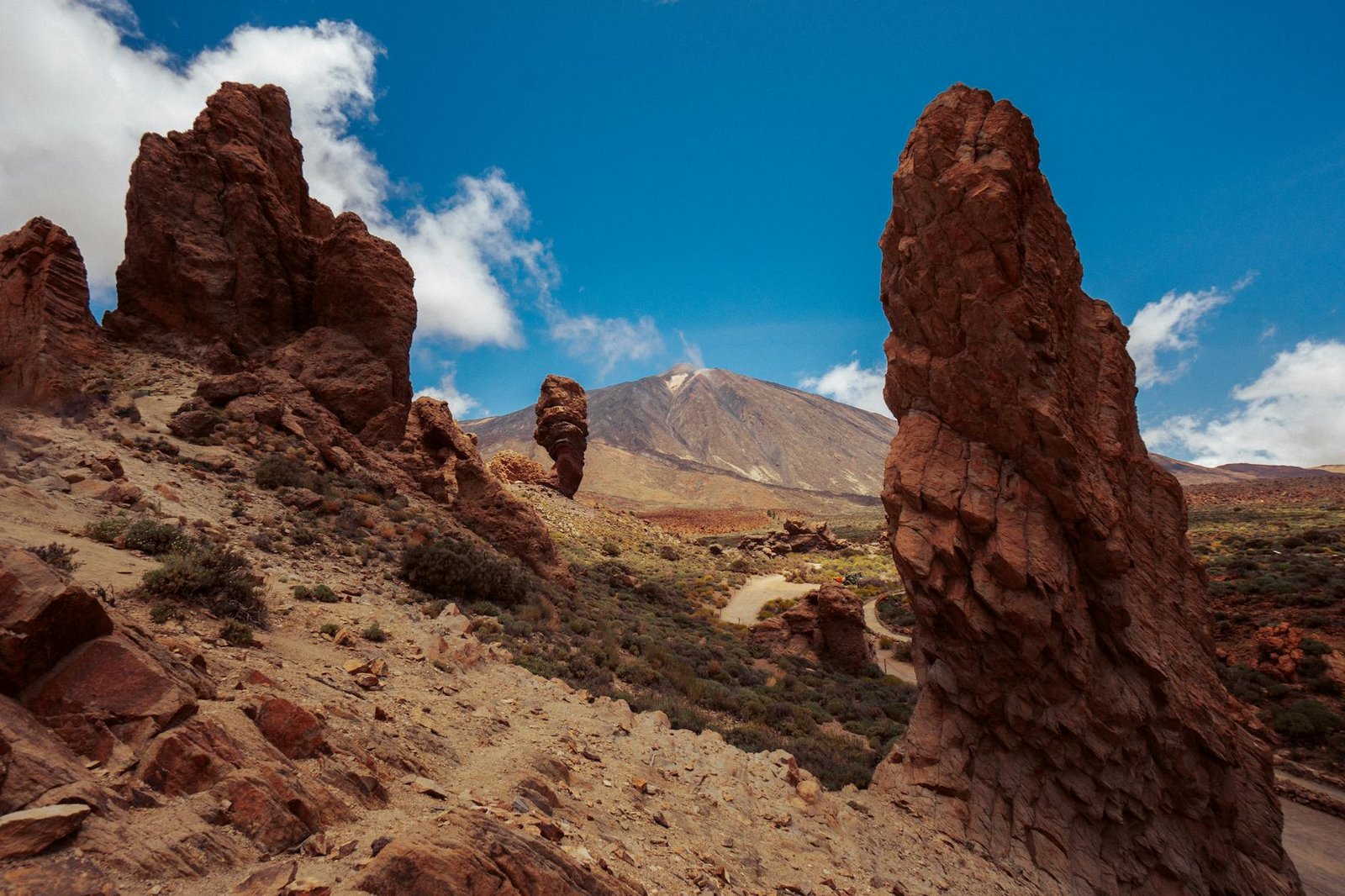
One of the most remote and visually arresting stops on any Chilean coastal cruise, Pan de Azucar Island rises from the Atacama Desert’s edge like a mirage made solid. This is raw, elemental Chile — dramatic cliffs, turquoise water, and one of South America’s most biodiverse coastal ecosystems. Come prepared to be genuinely surprised.
Arriving by Ship
There is no dock at Pan de Azucar — ships anchor offshore and passengers are brought ashore by tender, a short but scenically rewarding transfer that gives you your first close-up view of the island’s ochre cliffs and nesting seabird colonies. The landing point sits within Pan de Azucar National Park, meaning you step directly from the boat into protected wilderness with essentially no buffer zone of shops or tourist infrastructure.
The nearest settlement is the tiny fishing village of Pan de Azucar, a handful of colourful houses a short walk from the landing area. This is not a port with taxis waiting or a town centre to orient yourself — it’s beautifully, deliberately wild.
Things to Do

Pan de Azucar rewards those who slow down. The island and its surrounding national park are the main attraction, and nearly every activity here connects you directly to the landscape or its wildlife.
Wildlife & Nature
- Humboldt penguin colony on Pan de Azucar Island — Around 2,000 Humboldt penguins nest here year-round; local fishermen offer short boat trips around the island (approximately USD 5–8 per person) for close-up views.
- Birdwatching along the coastal trail — Over 70 bird species have been recorded here, including Peruvian pelicans, cormorants, and Inca terns; bring binoculars and allow at least 90 minutes.
- Sea lion watching from the shoreline — A resident colony hauls out on the rocks near the island’s south end and is easily visible from the beach at no cost.
Hiking & Beaches
- Mirador trail to the clifftop lookout — A 45-minute round-trip walk from the village rewards you with sweeping views over the Atacama Desert meeting the Pacific; wear sturdy shoes as the path is rocky.
- Playa Pan de Azucar — The main beach is sheltered, with striking contrasts of white sand against the barren desert hillside; swimming is cold (16–18°C) but possible in summer.
- Desert-coast hike through Pan de Azucar National Park — The park covers 43,000 hectares of coastal Atacama Desert; short self-guided trails start from the ranger station near the landing area.
Culture & History
- CONAF Ranger Station and visitor information point — Free entry to the national park; rangers can orient you on trail conditions and wildlife sightings for the day.
- Fishing village of Pan de Azucar — Wander the small settlement of wooden houses painted in fishing-village colours; it’s one of the most photogenic and authentic coastal communities in northern Chile.
What to Eat
Dining options are extremely limited at Pan de Azucar — this is one port where you should eat well on board before going ashore. That said, the fishing village has a small number of informal eateries where the seafood is caught the same morning.
- Fresh ceviche — Made with locally caught fish and lime, available from a couple of informal spots near the village landing; expect to pay around USD 4–6.
- Grilled corvina (sea bass) — The signature catch of the local fishermen, often served simply with rice and salad at village eateries for around USD 8–10.
- Machas a la parmesana — Chilean razor clams baked with parmesan cheese; a beloved national classic you may find on offer for approximately USD 6–8.
- Empanadas de mariscos — Seafood-filled pastry parcels, ideal as a quick, cheap snack at around USD 2–3 each.
- Mate or instant coffee — The village has no café culture; bring your own snacks or accept a simple hot drink from whoever is selling them.
Shopping

There is virtually no formal shopping at Pan de Azucar — and that’s honestly part of its appeal. You may find one or two local women selling small handmade crafts, woven textiles, or dried specimens near the landing area, and buying directly from them is a meaningful way to leave a few pesos in the community.
Avoid purchasing anything involving shells, feathers, or animal products, as many species here are protected and removal of any natural material from the national park is illegal. Pack light and treat this as a day to spend money on experiences, not souvenirs.
Practical Tips
- Currency — Chilean pesos (CLP) are essential; no ATMs exist here, so withdraw cash on board or in a previous port.
- Tipping — Small tips in pesos are greatly appreciated by local fishermen and guides who offer informal boat tours.
- Transport — There are no taxis or organised transfers; all movement is on foot once ashore.
- Time ashore — Three to four hours is sufficient to hike, see the penguins, and explore the village comfortably.
- Sun protection — The Atacama Desert sun is intense even near the coast; sunscreen, a hat, and sunglasses are non-negotiable.
- Layering — Sea breeze makes temperatures feel cooler than they look; bring a windproof layer even in summer.
- Park rules — Stay on marked trails, do not approach wildlife closer than five metres, and carry out all rubbish.
Pan de Azucar Island is the kind of place that stays with you long after the ship has sailed — pack your curiosity, leave your schedule behind, and let the desert coast do the rest.
🎟️ Things to Book in Advance
These highly-rated experiences fill up fast — book before you arrive to avoid missing out.


This page contains affiliate links. If you book through them, we may earn a small commission at no extra cost to you.
📍 Getting to Pan de Azucar Island, Chile
Use the interactive map below to explore the port area and plan your route from the terminal.
Leave a Reply