


European River Cruises
European River Cruises
Sfantu Gheorghe Cruise Port Guide: Things to Do & Practical Tips
Romania
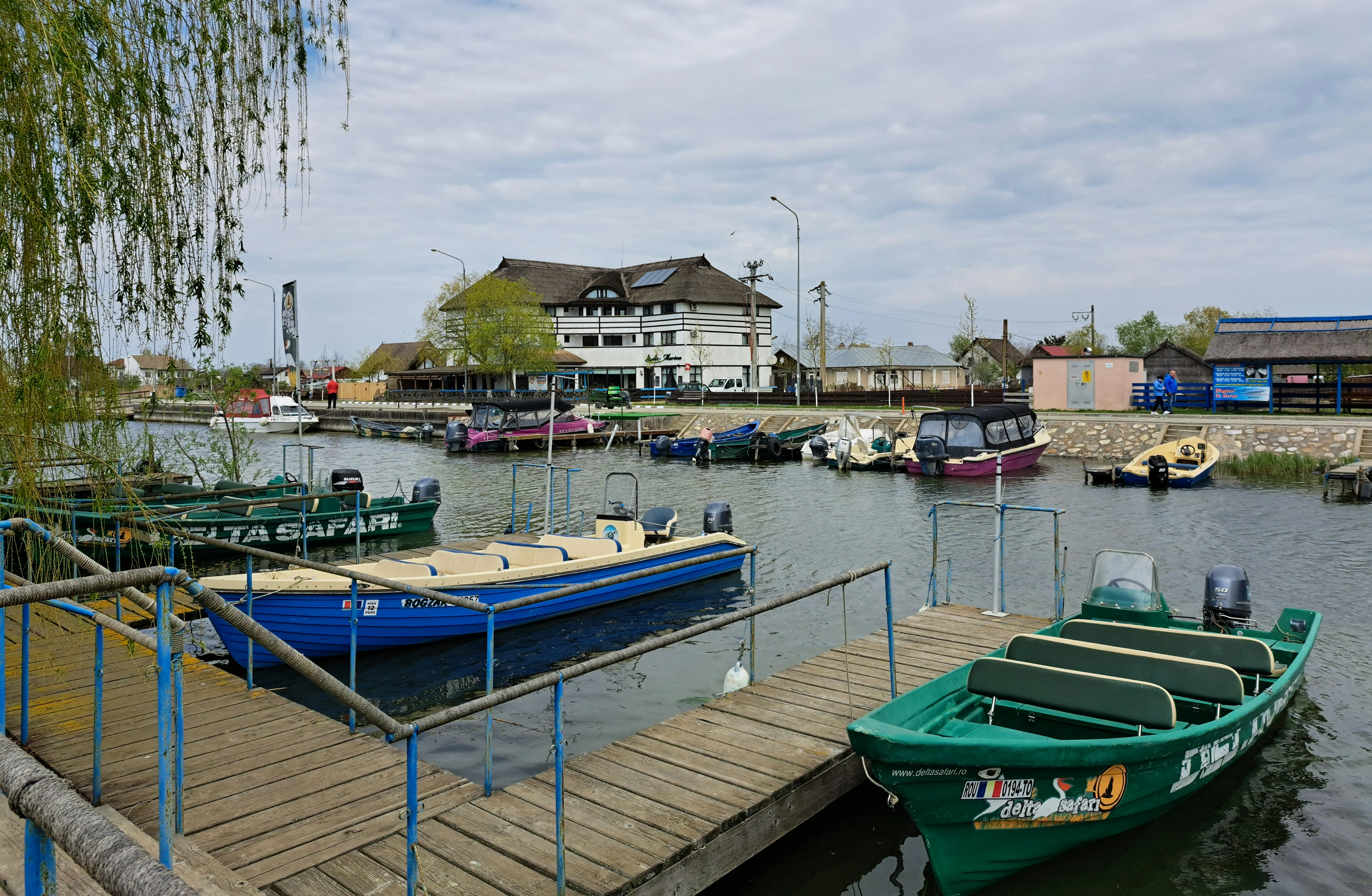
Ships anchor offshore; passengers are tendered to a small landing area in this remote Danube Delta village.
Choose the Right Port Day
Best Overall
A short delta boat excursion combined with an hour on the beach. Your ship or a local operator can arrange a small boat through the channels – birdwatching and isolation in one shot.
Book Delta Channel Boat Tour on ViatorBest Beach
The Black Sea beach at Sfantu Gheorghe is wild, undeveloped, and often nearly empty – one of the most untouched stretches of coastline in the Mediterranean/Black Sea region.
With Kids
The beach is the obvious choice – shallow entry, clean water, and zero crowds. The boat ride through the delta channels to reach the area is itself an adventure kids enjoy.
Only 3-4 Hours
Walk the village, follow the sandy track to the Black Sea beach (around 2km on foot or a short boat ride), swim or walk the shoreline, and return. Simple, free, and genuinely memorable.
Cheapest Option
Walk from the village dock to the Black Sea beach yourself – it's free, flat terrain, around 2km through sandy paths. Bring water and sunscreen.
What To Avoid
Don't expect any tourist infrastructure. There are one or two basic guesthouses that serve food, but supply is limited and unreliable on cruise days. Don't plan a shopping stop – there is nothing to buy.
Quick Take
- Port Type
- Remote Delta Village – Tender/Small Boat Access
- Best For
- Nature lovers, birdwatchers, travelers wanting off-grid solitude and a wild Black Sea beach with zero crowds
- Avoid If
- You need shops, restaurants, ATMs, or a structured half-day itinerary with reliable services
- Walkability
- Low – the village is tiny and walkable in 20 minutes, but the beach and delta channels require boat transfers or a solid walk
- Budget Fit
- Very budget-friendly once ashore; almost nothing to spend money on
- Good For Short Calls?
- Yes, well-suited to a half-day; a full day is enough for most unless you book a dedicated birdwatching tour
Top Things To Do
1
GROUP Guided Day Trip to the Danube Delta, Tulcea - Letea
Discover in the company of our guides the wildness of the Danube Delta, beautifully outlined by canals and lakes, the simplicity and naturalness of the Letea…
9h
2
PRIVATE 4-5h speedboat tour to the village Mila23
Speedboat tour to the village Mila23. 5 hours with a 12 people speedboat. Your group will be the only one on the boat.
5h
Our picks in Sfantu Gheorghe
3
Black Sea Wild Beach
Walk or take a short boat ride to the Black Sea beach – one of the least developed stretches of coastline in the entire region. No sunbeds, no vendors, no crowds. Just wide open sand, clear water, and silence.
4
Delta Channel Boat Tour
A small boat ride through the labyrinth of Danube Delta channels is the defining experience of this stop. Reed beds, pelicans, cormorants, herons, and near-total quiet. Either book through your ship or hire locally at the dock.
5
Birdwatching in the Biosphere Reserve
The Danube Delta holds over 300 bird species and is one of Europe's premier birding sites. The area around Sfantu Gheorghe is particularly good for pelicans and waders. Bring or borrow binoculars.
Show 2 more things to do in Sfantu Gheorghe
6
Village Walk and Local Fishing Culture
A slow walk through Sfantu Gheorghe itself gives a genuine window into traditional Romanian delta life – fishermen mending nets, wooden houses, vegetable gardens, very few outsiders. Respectful curiosity is welcome here.
7
Sunset or Late Afternoon at the River Mouth
If your ship allows late afternoon time ashore, walk to where the Danube meets the Black Sea. The light in the late afternoon is exceptional for photography and the landscape is unlike anywhere else in Europe.
Book with the ship, or on your own?
Booking independently
- Often noticeably cheaper than the ship’s version of the same tour.
- Smaller groups and local operators, with traveler reviews you can read before you pay.
- Free cancellation on most tours, usually up to 24 hours before.
When the ship’s excursion makes sense
- Short port calls or long transfers where the timing is tight.
- Tender-only stops where getting ashore can run late.
- The ship waits for its own delayed excursions — it won’t wait for independent ones, so leave a buffer before all-aboard.
Going independent? Compare tours in Sfantu Gheorghe → — the best-reviewed ones sell out first.
We may earn a commission when you book through our links, at no extra cost to you — it’s how we keep these guides free.
Check The Port Traffic
Cruise Ships in Port
Once you have your shore plan, use the schedule to see how busy the harbour will be on your date, plus the ships, lines, and published call windows.
Sun
Mon
Tue
Wed
Thu
Fri
Sat
1
2
3
4
5
6
7
8
9
10
11
12
13
14
15
16
17
18
19
20
21
22
23
24
25
26
27
28
29
30
Quiet (1–2)
Busy (3–4)
Packed (5+)
0 scheduled calls
September 21, 2026
No scheduled cruise ship calls were found for this date selection. Pick a highlighted day on the calendar above, widen the range, or search for a different ship or line.
Port Overview
Sfantu Gheorghe sits at the southernmost arm of the Danube Delta, right where the river meets the Black Sea. It is one of the most isolated communities in Romania – a fishing village of a few hundred people connected to the outside world primarily by boat. There is no cruise terminal. River cruise ships anchor offshore and passengers are brought in by tender or the ship's small boats.
This is not a port for sightseeing in any conventional sense. There are no museums, no shopping districts, no tour buses. What it offers instead is rare: a genuinely untouched delta environment, serious birdwatching (the Danube Delta is a UNESCO Biosphere Reserve and one of Europe's top birding destinations), and a wild Black Sea beach that sees almost no tourists.
If your river cruise calls here, treat it as a nature day. Cruisers who lean into that mindset – slow walk, beach time, delta boat ride – consistently rate it as one of the most authentic stops on a Danube itinerary. Those expecting a structured port experience will be underwhelmed.
Is It Safe?
Sfantu Gheorghe is extremely safe by any standard. Crime is essentially non-existent in this small fishing community. The main practical risks are environmental: sun exposure on the open beach with no shade, uneven sandy terrain, and unpredictable weather off the Black Sea. Bring sunscreen, water, and a light layer.
The delta channels can look deceptively calm but currents exist near the river mouth – don't swim in the delta itself. The Black Sea beach has calmer, safer swimming conditions. If you hire a private boat, make sure someone on your ship knows your plan and expected return time.
Accessibility & Walkability
Sfantu Gheorghe is difficult for anyone with limited mobility. The tender or small boat transfer from the ship is the first obstacle – boarding requires stepping between boats with some movement. Once ashore, the village paths are sandy and uneven with no paved footpaths suitable for wheelchairs. The beach access track is soft sand throughout. Boat excursions involve low-sided wooden vessels with no accessibility modifications. Passengers with significant mobility limitations should consider staying aboard or discussing options with the cruise director before port day.
Outside the Terminal
There is no terminal. The tender brings you to a small wooden dock or a beach landing point at the edge of the village. Within the first few minutes you're standing in a quiet fishing community – dirt lanes, wooden houses, boats in the water. There are no vendors at the dock, no touts, no taxi rank. It may feel disorienting if you're used to conventional cruise ports. Orient yourself toward the center of the village and the signs or locals pointing toward the beach path. That's essentially your only decision.
Beaches Near the Port
Sfantu Gheorghe Black Sea Beach
A long, wide, natural beach with no development whatsoever – no bars, no sunbed rental, no facilities. The sand is fine and the water is clean. This is the real draw of this port stop and one of the most genuinely wild beaches accessible from any cruise itinerary in the region.
Local Food & Drink
Eating options in Sfantu Gheorghe are extremely limited. There are one or two guesthouses (pensiuni) in the village that serve simple local food – fish soup, grilled carp or pike-perch, basic salads. These are not set up for large cruise groups arriving simultaneously, so service can be slow and supply limited. If your ship does not organize a group meal, go with low expectations and treat it as a local experience rather than a reliable meal stop.
Bring snacks and water from your ship. This is genuinely important advice – there are no convenience stores, no cafes, and no reliable food vendors near the beach or dock. The ship's galley is your best meal option on a Sfantu Gheorghe port day.
Shopping
There is effectively nothing to buy in Sfantu Gheorghe. Occasionally a local may sell smoked fish or honey near the dock. Do not come ashore expecting souvenirs, craft markets, or any retail. If you want Romanian souvenirs, buy them at earlier ports on your itinerary.
Money & Currency
- Currency
- Romanian Leu (RON)
- USD Accepted?
- No
- Card Payments
- Cards are not accepted in Sfantu Gheorghe. Cash only, and even cash has limited use given the near absence of services.
- ATMs
- No ATMs in the village. Withdraw cash at a prior port stop.
- Tipping
- If you hire a local boat operator, a tip of 20-40 RON is appropriate and genuinely appreciated.
- Notes
- Bring a small amount of RON from a previous port. You likely won't spend much, but having local cash is useful for boat hires or a basic meal.
Weather & Best Time
- Best months
- June, July, August for beach and delta visits; May and September are good for birdwatching with smaller crowds
- Avoid
- November through March – cold, often windy, and most river cruise lines don't operate here in winter
- Temperature
- 20-32°C (68-90°F) in peak summer months; can feel hotter in the open delta with no shade
- Notes
- The Black Sea coast generates its own microclimate. Wind off the sea can make it feel cooler than inland temperatures, which is actually pleasant. Sun protection is essential – no shade on the beach.
Airport Information
- Airport
- Tulcea Airport (nearest) or Constanta Mihail Kogalniceanu International Airport
- Distance
- Tulcea is approximately 70km by road and water; Constanta is approximately 130km
- Getting there
- Sfantu Gheorghe has no direct road connection. Access is by boat via Tulcea. Most cruisers board or disembark in Tulcea or further upriver. Flying into Bucharest Henri Coanda International and transferring to the ship at Tulcea is the most practical option.
- Notes
- Sfantu Gheorghe is not a practical embarkation or disembarkation point. All major river cruise lines using this stop board and end their itineraries elsewhere.
Getting Around from the Port
On foot
The village itself is walkable in under 20 minutes end to end. The path to the Black Sea beach is a flat 2km sandy track – manageable for most people in decent footwear.
Local fishing boat / small boat hire
Local fishermen offer short delta channel tours. Your cruise line may also organize small group boat excursions through the reed channels, which is the best way to see delta wildlife.
Book ferry ticketsShip-organized excursion
Lines like Viking, Emerald, AmaWaterways, and Scenic typically offer guided birdwatching or delta boat tours from the ship. These are the most reliable option given the lack of local infrastructure.
Details last checked April 2026
Planning a cruise here?
Viking River Cruises, Uniworld, AmaWaterways & more sail to Sfantu Gheorghe.
Practical Tips for Cruise Passengers
- Bring everything you need from the ship: water, snacks, sunscreen, insect repellent, and cash. The village cannot supply any of these reliably.
- Wear shoes you don't mind getting sandy or muddy – the paths to the beach and through the delta edge are soft and uneven.
- Book any ship-organized delta boat excursion as early as possible; capacity on small vessels is limited and these sell out on most departure days.
- Binoculars are worth bringing even if you're not a dedicated birdwatcher – the pelicans and cormorants in the delta channels are impressive up close.
- The beach walk is doable for most reasonably fit people but takes 25-35 minutes each way through soft sand. Factor that into your time ashore.
- Mobile signal is weak to non-existent in parts of the delta. Download offline maps before going ashore and let someone on the ship know your rough plan.
Frequently Asked Questions
Yes, if you appreciate nature, wild beaches, and genuine off-grid experiences. It's one of the most unusual stops on any European river cruise itinerary. If you need shops, restaurants, or structured sightseeing, stay on the ship.
Ships anchor offshore and use tenders or small boats to bring passengers to the village dock. Your cruise line will manage the logistics and give you a time slot. The transfer typically takes 10-20 minutes.
Yes. The beach is open, clean, and generally safe for swimming. There are no lifeguards, facilities, or shade, so come prepared and be aware of your own comfort in the conditions.
No. There are no ATMs and card payment is not accepted anywhere in Sfantu Gheorghe. Bring a small amount of Romanian Leu in cash from a previous port if you plan to hire a boat or eat ashore.
Viking River Cruises, AmaWaterways, Emerald Waterways, Scenic, Avalon Waterways, Uniworld, Tauck, APT, and Riviera Travel all include Sfantu Gheorghe on select lower-Danube and Danube Delta itineraries. Not every sailing on these lines stops here, so check your specific itinerary.
Find cruises to Sfantu Gheorghe, Romania
Compare sailings and book with no fees — best price guaranteed.
We may earn a commission when you book through our links, at no extra cost to you — it’s how we keep these guides free.
✉ Sailing to Sfantu Gheorghe? Get your port-day plan
Tell us your sail date and we’ll email you a short Sfantu Gheorghe plan about 60 days out — when the good excursions start selling out — plus a final checklist 2 weeks before. Two emails, then done. We’ll send one note to confirm it’s really you — unsubscribe anytime.
European River Cruises
View All
More European River Cruises Ports
European River Cruises

European River Cruises
European River Cruises
