

Seabourn Quest
Arrive 08:00 AM | Depart 06:00 PM
Itinerary: 14 Nights Eastern Europe Cruise (14 nights)
Tours that fit this port day →Croatia
Ships anchor offshore; tenders ferry passengers to the small town pier.
Join us on our tour that starts at 10:15 in the morning from Hvar town. Enthusiastic crew full of knowledge about the local archipelago will take…
Our picks in Vis Island
Stroll the quay, explore narrow streets radiating uphill, sit at a waterside café, observe local life. This is the primary activity; the charm is in slowness.
A sea cave on the island's south coast with luminous blue water. Reached only by boat (20–30 min). Requires a ship excursion or local boat booking. Worthwhile if you have 6+ hours; skip if rushed.
Shallow, sandy beach closest to port; calm, suitable for swimming and sunbathing. Amenities sparse (a few beach bars). No organized activities.
Eat at a family-run konoba (tavern) or waterfront restaurant. Simple, fresh seafood and local wine. Not fine dining, but authentic and inexpensive.
Book with the ship, or on your own?
Booking independently
When the ship’s excursion makes sense
Going independent? Compare tours in Vis Island → — the best-reviewed ones sell out first.
We may earn a commission when you book through our links, at no extra cost to you — it’s how we keep these guides free.
Check The Port Traffic
Once you have your shore plan, use the schedule to see how busy the harbour will be on your date, plus the ships, lines, and published call windows.
Arrive 08:00 AM | Depart 06:00 PM
Itinerary: 14 Nights Eastern Europe Cruise (14 nights)
Tours that fit this port day →Vis is a small, quiet Croatian island 120 km southwest of Split, used as a tender port by luxury cruise lines. Ships anchor offshore; tenders bring passengers to the small town quay. The island has minimal tourism infrastructure—no major museums, few chain restaurants, and limited organized activities. This is intentional: Vis is one of Croatia's least developed islands and attracts cruisers seeking genuine Mediterranean peace rather than activities. Most passengers spend 4–5 hours walking the harbor, beach time, and eating locally. It is not a day-full port; plan accordingly.
Vis is safe for solo travelers and families. Petty theft is uncommon. The island has minimal evening entertainment or nightlife, so most cruisers depart by evening. If you stay late, streets are quiet but well-lit near the harbor. No specific hazards or areas to avoid. Local people are friendly and accustomed to cruise visitors, though English proficiency is lower than on busier Croatian ports (e.g., Dubrovnik). Basic respect for a quiet island community is appreciated.
The town center has cobblestone and steep streets; wheelchair users will find this challenging. Stonceva Beach has no formal accessibility but is accessible if you can manage the walk and sandy entry. There are no wheelchair-accessible hotels, formal tourism amenities, or adapted public transport. Accessibility infrastructure on Vis is minimal overall; travelers with mobility concerns should factor in taxis or skip the port.
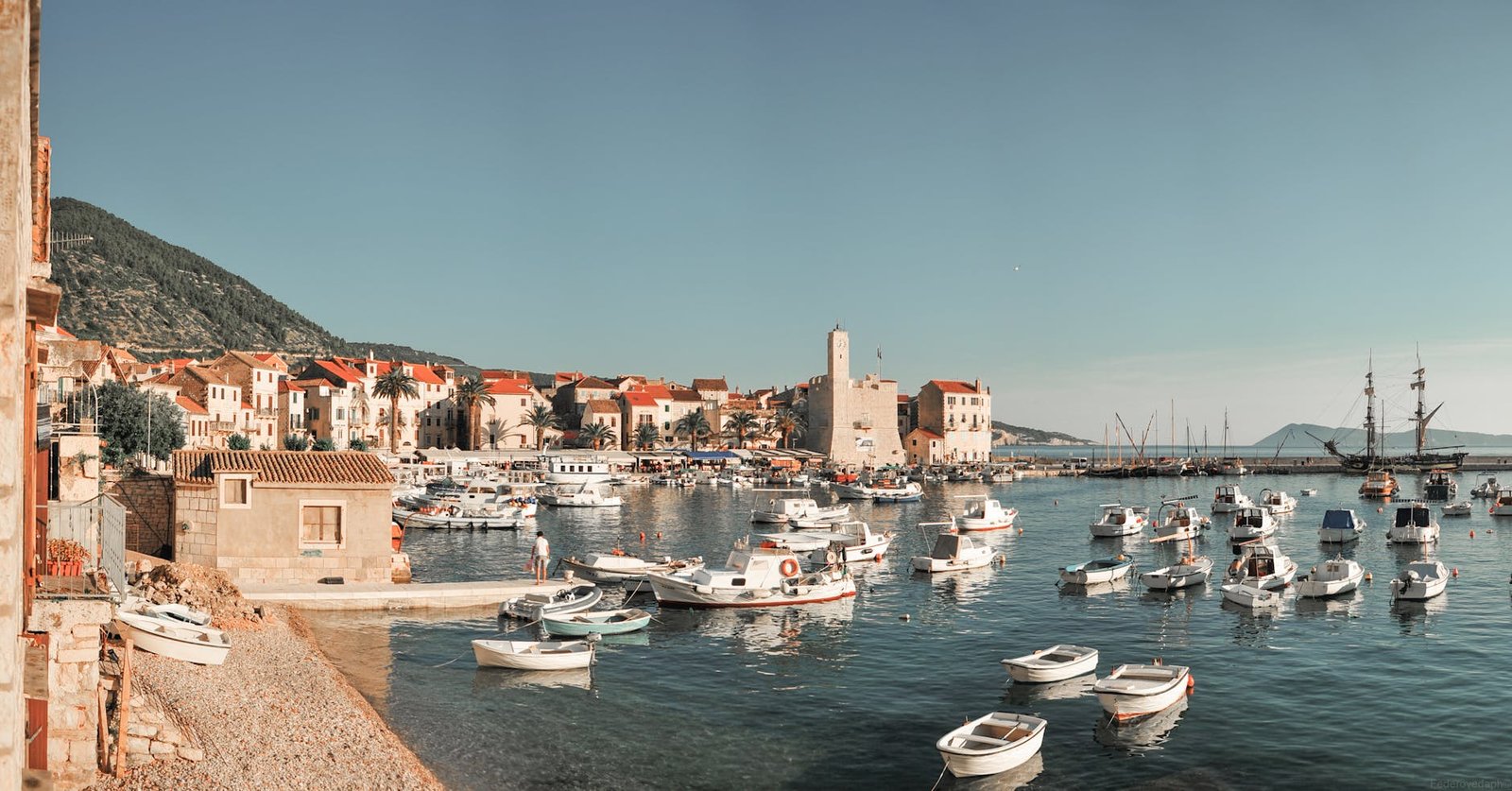
Exiting the tender quay, you step directly into the small town. There are a few souvenir shops, cafés, and restaurants immediately visible. The harbor front is charming—lined with small boats, shuttered houses, and a leisurely atmosphere. No aggressive vendors or tourist traps. The scene is Mediterranean quiet, not bustling. Within 1 min of the quay, you can access the main town or turn right toward Stonceva Beach.
Sandy, shallow beach closest to port. Calm, clear water, suitable for swimming. Minimal facilities; a couple of small bars. Relaxed, not crowded.
Remote southern coast. Modra Špilja is a sea cave with luminous blue water; Stiniva is a dramatic cliff-ringed beach. Both scenic but require boat access.
Vis has no chain restaurants or fine dining. Expect simple konotas (family taverns) and waterside restaurants serving fresh fish, squid, local wine, and Dalmatian specialties. Meals are inexpensive (12–20 USD for a main course) and good quality. Most restaurants cluster around the harbor; choose by sight. English menus are rare; pointing or basic Italian helps. Supermarkets and bakeries sell bread, cheese, and snacks for quick meals. Coffee culture is strong; a cappuccino or espresso costs 2–3 USD and is a pleasant port ritual.
Souvenir shops near the quay sell Croatian crafts, local wine, and t-shirts. Prices are fair but unexciting. A small supermarket stocks basics. No fashion, electronics, or large-format shopping. Most cruisers skip shopping entirely on Vis. Wine is a reasonable take-home (Croatian wine, 8–15 USD per bottle). Do not expect to spend money; the port is not commercial.
Town center and harbor are entirely walkable. Stonceva Beach is 10 min on foot. Beyond town (Modra Špilja, other beaches) requires taxi or organized boat tour.
Available at port; negotiate fare in advance. A few operators offer half-day island tours (30–50 EUR for 2–3 people).
Book a transfer 5% off with code TPO5 at checkoutMost lines offer guided tours, snorkeling, or boat trips to Modra Špilja. These are pricier but eliminate logistics.
Details last checked April 2026
Planning a cruise here?
Seabourn, Atlas Ocean Voyages, Scenic Cruises sail to Vis Island.
Worth it if you like quiet, authentic Mediterranean towns and are not seeking major attractions or activities. Skip if you want organized experiences or nightlife. Plan 4–5 hours ashore maximum.
No—ferries take 1–2 hours each way, and most cruisers have only 6–8 hours in port. Not practical for a day excursion. Stay on or near Vis.
Less than on busier Croatian ports. Restaurant staff understand basic English; locals vary. Learn a few words or use a translation app. It adds charm and locals appreciate effort.
Find cruises to Vis Island, Croatia
Compare sailings and book with no fees — best price guaranteed.
We may earn a commission when you book through our links, at no extra cost to you — it’s how we keep these guides free.
Tell us your sail date and we’ll email you a short Vis Island plan about 60 days out — when the good excursions start selling out — plus a final checklist 2 weeks before. Two emails, then done. We’ll send one note to confirm it’s really you — unsubscribe anytime.


