Canada & New England

Manitoba, Canada
Newfoundland, Canada
Ships anchor offshore with tender boats transporting passengers to the small community dock.
A 2–3 hour excursion (usually organized by the ship) that explores the Hamilton Inlet fjord, nearby coves, and the open Labrador coast. Goals include spotting icebergs (seasonal), seals, eagles, and whales. The boat is small and captain-led; itinerary depends on wildlife sightings and weather.
Stroll the village's few streets, observe fishing boats, chat with locals if they are willing, and enjoy the raw Labrador coastline. Stop at the small community center or church if open. The experience is low-key and authentic—no museums or organized sites.
Book with the ship, or on your own?
Booking independently
When the ship’s excursion makes sense
We may earn a commission when you book through our links, at no extra cost to you — it’s how we keep these guides free.
Check The Port Traffic
Once you have your shore plan, use the schedule to see how busy the harbour will be on your date, plus the ships, lines, and published call windows.
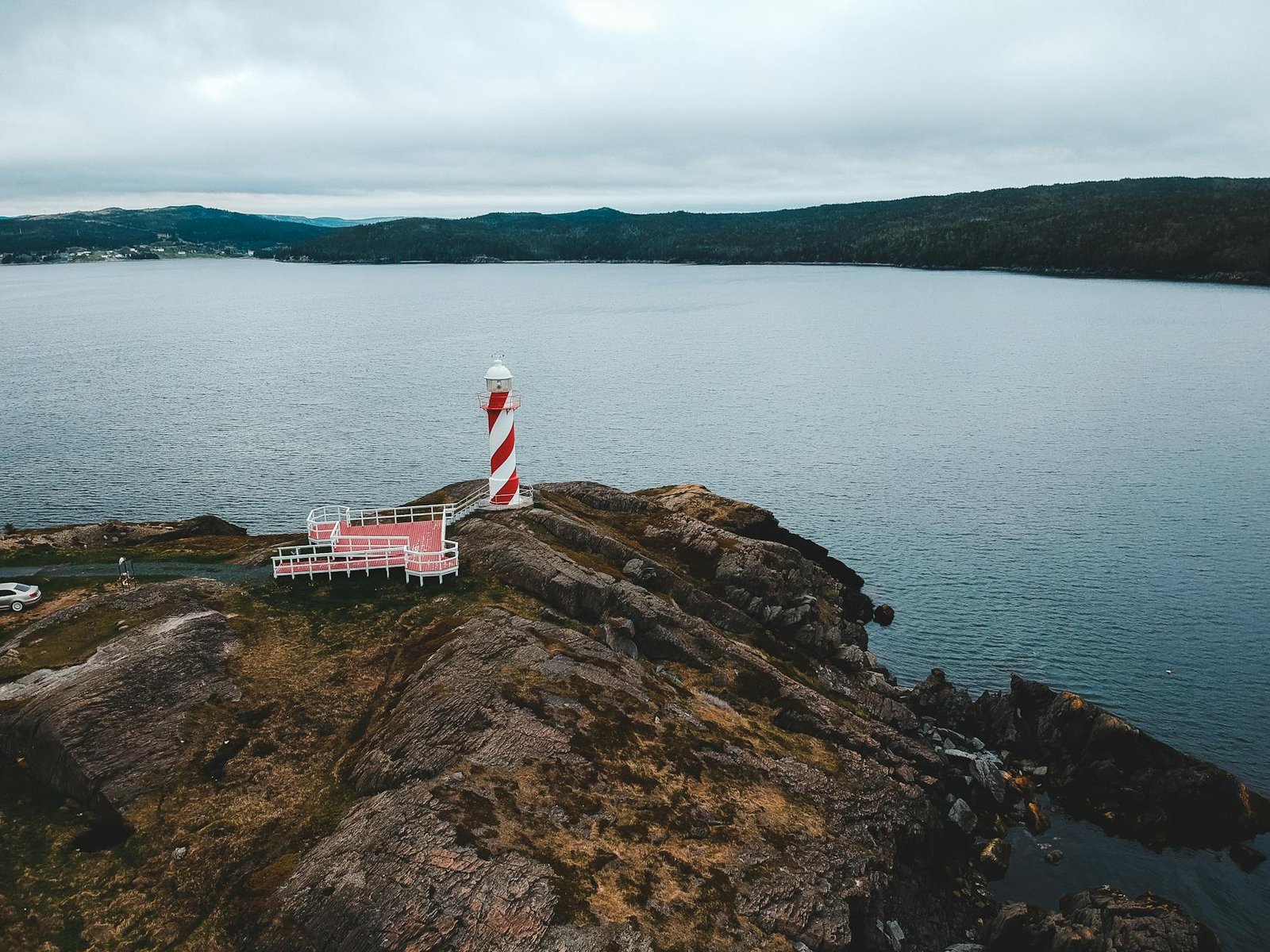
Rigolet is a remote, working fishing village of roughly 300 people on the north shore of the Hamilton Inlet in coastal Labrador. Ships anchor offshore and tender passengers to a small wharf in the village center. The settlement has minimal tourist infrastructure—no developed attractions, limited shops, and few restaurants. Cruisers visit primarily for the wild Labrador landscape, potential icebergs and wildlife sightings, and the authentic experience of a northern Canadian fishing community.
This is an expedition-style stop suited to small ships (Lindblad, Hurtigruten, Quark, Ponant, Silversea) that market cultural and nature immersion. A half-day port is enough to walk the village and enjoy the scenery; most value comes from a guided boat excursion, often organized by the ship. Do not expect a "port day" with shops and restaurants—expect a glimpse of real northern life.
Rigolet is a safe, tight-knit community. Petty crime is virtually nonexistent. Standard precautions apply: keep valuables secure and stay aware of tidal currents and weather if venturing near water. The main safety concern is weather and sea state, which can affect tender operations and visibility. The coastline is rugged and tidal; do not stray from known paths or near water's edge without local guidance. Emergency services are limited; serious incidents may require helicopter evacuation to a larger town.
Rigolet is not wheelchair-accessible. The wharf and village are at grade, but paths are unpaved, uneven gravel, and terrain is hilly. There are no accessible restrooms, elevators, or facilities designed for mobility aids. Tender boarding from a ship to the wharf can be challenging in rough seas. Travelers with limited mobility should discuss options with the ship's accessibility team before arrival.
Tendering to the wharf puts you directly in the village center, with a few houses, a small community building, and working fishing boats visible immediately. The air is crisp and marine; the atmosphere is quiet and authentic. You will see locals but few other tourists outside of your ship's group. The first impression is of a genuine, unglamorous working community—not a polished port. There are no terminal facilities, shops, or information booths; rely on the ship's briefing and your own initiative.
The village's rocky coastline offers no sandy beach. However, the waterfront is scenic and worth photos. Cold water and rough conditions make swimming impractical and unsafe.
Rigolet has no restaurants or cafés in the traditional sense. A small community center or local home may sell coffee, tea, or sandwiches on a casual basis during cruise season, but this is unreliable. Prices are high due to the remote location and import costs. Your best option is to eat on the ship before tendering ashore or pack snacks. If a café is open, expect to pay $8–15 CAD for a light meal. Alcohol is not openly sold; bring any beverages you need from the ship.
Rigolet has no shops. There is no gift store, grocery, or souvenir stand. A local may sell handmade crafts or fish-related items informally, but do not count on it. Bring any toiletries, snacks, or souvenirs you may need from the ship or before arrival.
Ships anchor offshore and use tenders to ferry passengers to the village wharf. Tendering can take 15–30 minutes depending on sea state.
The village is small and walkable. Main attractions (dock, houses, waterfront) are within a 5–10 minute walk.
Most cruisers book a ship excursion: a 2–3 hour boat tour of the fjord, inlets, and nearby coast to see icebergs, seals, or eagles.
Book ferry ticketsIndependent boat rental or guided fishing trips are theoretically available but unreliable and best booked in advance via the ship.
Book ferry ticketsDetails last checked April 2026
Planning a cruise here?
Scenic Cruises, Silversea Cruises sail to Rigolet.
Yes, if you are on an expedition cruise and want authentic northern Labrador scenery, wildlife, and culture. No, if you expect shops, restaurants, or developed attractions. The value is in the boat tour and the raw landscape, not the village itself.
You can walk the village independently for free, but the ship-organized boat tour is essential for the full experience and is the only safe way to see icebergs, seals, and the wider coastline. Book it onboard.
Warm, waterproof layers; a windproof jacket; sturdy walking boots; and a hat and gloves even in summer. Bring snacks and water. Sun protection and binoculars are useful for wildlife and iceberg spotting on the boat tour.
Find cruises to Rigolet, Newfoundland, Canada
Compare sailings and book with no fees — best price guaranteed.
We may earn a commission when you book through our links, at no extra cost to you — it’s how we keep these guides free.
Tell us your sail date and we’ll email you a short Rigolet plan about 60 days out — when the good excursions start selling out — plus a final checklist 2 weeks before. Two emails, then done. We’ll send one note to confirm it’s really you — unsubscribe anytime.