


Africa & Middle East
Africa & Middle East
Beirut Cruise Port Guide: Things to Do & Practical Tips
Lebanon
Modern cruise terminal at Beirut Port with direct pier access to city center.
Choose the Right Port Day
Best Overall
Hire a local guide or join a small group tour covering downtown Beirut, Martyr's Square, and Hamra. You'll navigate safely, understand context, and see the city effectively in 6–8 hours.
Best Beach
Beaches are rocky or industrial near the port. St. George Bay (north, taxi-only, ~4 km) is cleaner but not worth a port day; better to explore the city instead.
With Kids
Corniche walk with ice cream stops and casual seaside snacks; skip intense museums. Visit Beirut Souk (Seaside Market) for local energy and street food.
Only 3-4 Hours
Stick to Corniche (waterfront walk, 2 km), grab lunch at a casual café, and browse the nearby Hamra district. Skip museums—not enough time.
Cheapest Option
Self-guided walk of Hamra and downtown (free); lunch at a shawarma stand or falafel shop ($3–5); return to ship. Minimal taxi use.
What To Avoid
Avoid wandering unfamiliar neighborhoods alone or traveling south of downtown after dark. Don't expect smooth ATM networks; carry USD or withdraw cash near the port early. Ignore vendors pushing unsolicited tours or exchange deals.
Quick Take
- Port Type
- Urban Mediterranean port; tier C frequency
- Best For
- Cruisers interested in Middle Eastern culture, history, and city exploration; tolerant of infrastructure gaps and travel uncertainty.
- Avoid If
- You prioritize beach days, predictable infrastructure, or prefer low-risk shore experiences.
- Walkability
- Downtown Beirut is walkable in patches; Hamra district and Corniche are pedestrian-friendly. Wider exploration needs taxi or rideshare.
- Budget Fit
- Budget-friendly; meals, taxis, and entry fees are affordable. Guided tours recommended for first-timers.
- Good For Short Calls?
- Possible but rushed. 4–5 hours allows downtown walk or one museum; full day better for meaningful immersion.
Top Things To Do
1
Guided Small-Group Tour to Baalbek, Anjar and Ksara with Lunch
Enjoy personalized attention from your guide and an intimate atmosphere on this small-group tour of Baalbek, Anjar, and Ksara. Travel from Beirut in a comfortable minivan…
9h
2
Guided Small-Group Tour to Jeita, Harissa, Byblos with Lunch
Take a day trip from Beirut to the spectacular Jeita Grotto, Harissa and Byblos leaving the navigation and transportation to someone else. Soak in the Beautifull…
8h
Our picks in Beirut
3
Corniche Walk & Waterfront
The seaside promenade is Beirut's main public space: palm trees, restored facades, seafront cafés, and views of the Mediterranean. Restored sections show the city's reconstruction; quieter early morning, busier afternoon/evening. Stop for coffee or fresh juice.
4
Hamra District & Downtown
The city's cultural hub: restored alleyways, galleries, independent bookstores, upscale cafés, and Martyr's Square (Sahat al-Shahada) with its iconic Mohammad al-Amin Mosque. Energy is young and cosmopolitan; street art and graffiti reflect contemporary politics. Busy weekdays; busier weekends.
5
Beirut Museum (or National Museum)
The National Museum reopened in 2024 after 14-year closure; houses Phoenician artifacts, mosaics, and medieval finds. An understaffed but historically significant collection. Plan for 1–2 hours; guide or audioguide recommended for context.
Show 1 more thing to do in Beirut
6
Souk al-Ahad (Sunday Market) & Seaside Markets
Open-air markets selling antiques, crafts, local goods, and street food. Seaside Market (Beirut Souk) near the port is touristy but lively; less crowded weekday mornings. Haggling expected; prices range from cheap (local crafts) to inflated (tourist trap).
Book with the ship, or on your own?
Booking independently
- Often noticeably cheaper than the ship’s version of the same tour.
- Smaller groups and local operators, with traveler reviews you can read before you pay.
- Free cancellation on most tours, usually up to 24 hours before.
When the ship’s excursion makes sense
- Short port calls or long transfers where the timing is tight.
- Tender-only stops where getting ashore can run late.
- The ship waits for its own delayed excursions — it won’t wait for independent ones, so leave a buffer before all-aboard.
Going independent? Compare tours in Beirut → — the best-reviewed ones sell out first.
We may earn a commission when you book through our links, at no extra cost to you — it’s how we keep these guides free.
Check The Port Traffic
Cruise Ships in Port
Once you have your shore plan, use the schedule to see how busy the harbour will be on your date, plus the ships, lines, and published call windows.
Sun
Mon
Tue
Wed
Thu
Fri
Sat
1
2
3
4
5
6
7
8
9
10
11
12
13
14
15
16
17
18
19
20
21
22
23
24
25
26
27
28
29
30
31
Quiet (1–2)
Busy (3–4)
Packed (5+)
0 scheduled calls
October 4, 2026
No scheduled cruise ship calls were found for this date selection. Pick a highlighted day on the calendar above, widen the range, or search for a different ship or line.
Port Overview
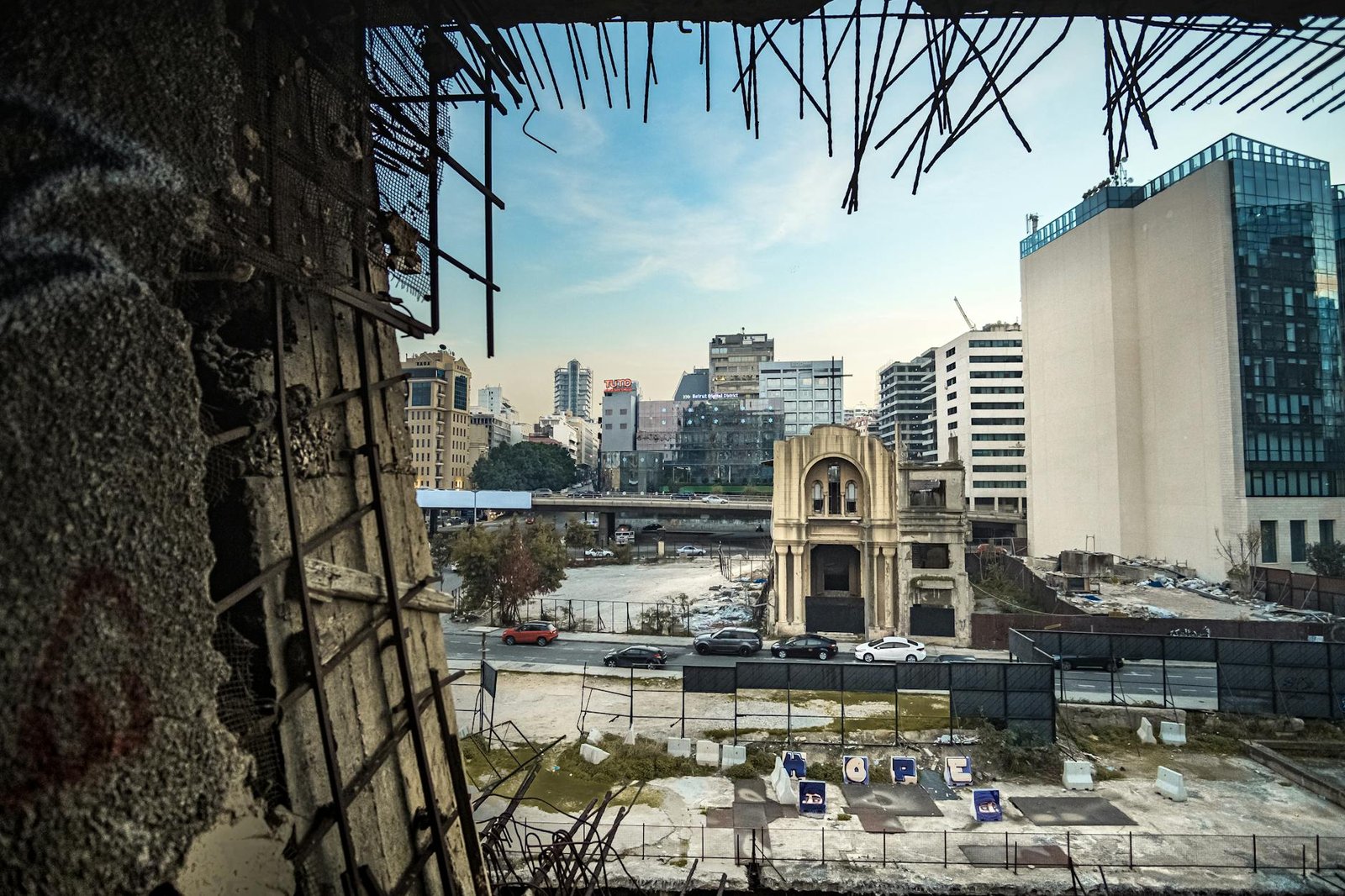
Beirut's cruise port is a single pier facility in the heart of the capital, just minutes from downtown. The city is a complex blend of restored historic quarters, modern reconstruction, and Mediterranean charm—a genuine Middle Eastern experience, not a polished resort destination. Cruises to Beirut are infrequent due to regional politics and port capacity, making visits rare and valuable for culture-focused travelers.
The port character is utilitarian: no dedicated cruise terminal, no nearby beach resort infrastructure, and limited organized shore excursions onboard. Downtown is close and walkable, but safety and transport logistics require honest planning. Most cruisers either book guided tours or stick to a tight downtown loop. If you're arriving as a solo cruiser or small group, expect to improvise more than at typical Mediterranean ports.
Is It Safe?
Beirut has a reputation for instability rooted in real political tension, but the downtown port area and Hamra district are routine civilian spaces with active daytime foot traffic, restaurants, and shops. The financial crisis (2019–present) means ATM networks are unreliable and some businesses may not accept cards; USD cash is safer. Avoid large cash displays, travel alone at night, or venture into unfamiliar neighborhoods without a guide.
The southern suburbs (Hezbollah stronghold) and Palestinian refugee camps are off-limits. Petty theft and opportunistic scams do occur, especially near the port. Stick to main streets, travel in daylight, and use official taxis or ride-hail apps when possible. Check current travel advisories (US State Dept, etc.) before your cruise; port calls are rare partly because of these conditions, so operators screen itineraries carefully.
Accessibility & Walkability
Beirut port is not wheelchair-friendly by modern standards. The pier itself is accessible, but downtown streets are narrow, uneven, and lack universal ramps. Hamra district is relatively flat and pedestrian-friendly, but the Corniche has steps and uneven pavement. Taxis are plentiful but vehicles lack lifts or ramps. Travelers with mobility challenges should book a private car with driver (via hotel or tour operator) for any excursion beyond the immediate waterfront.
Outside the Terminal
Exiting the cruise terminal, you face a busy port road with taxi queues, port workers, and informal vendors. There is no landscaped walk or welcome signage. The immediate area is industrial and unremarkable. Within 10–15 minutes on foot heading north/west, you'll reach the Corniche (waterfront promenade with palm trees, views, and cafés). Downtown Hamra district is further inland (walk east for ~20 min, or taxi 5 min). Do not linger in the port parking area; move toward the Corniche or arrange a taxi quickly.
Beaches Near the Port
St. George Bay / Raouche Beach
Rocky coastline (not sand) with clear water, favored by locals for swimming and sunbathing. More scenic than the industrial port area but no amenities. Raouche (north) has dramatic Pigeon Rocks and restaurants.
Beirut Public Beach (near port)
Small, basic sandy beach within 1 km of the port. Crowded, not particularly clean, and hemmed in by urban development. Only convenient if you have <1 hour.
Local Food & Drink
Beirut's food is a major draw: Lebanese mezze (small plates), grilled meats, fresh seafood, and pastries are world-class and cheap. Hamra district has upscale cafés and restaurants; casual shawarma and falafel stands ($2–5) dot downtown. The Corniche has seaside restaurants ranging from casual to pricey. Breakfast of labneh, za'atar bread, and strong coffee is essential.
Eat where you see locals eating. Avoid tourist-trap menus near the port; walk 10 minutes inland for authentic prices. Water quality is safe in restaurants; tap water in the port area is risky—stick to bottled. Many restaurants are cash-only or prefer Lebanese pounds; have USD as backup.
Shopping
Souk al-Ahad (Sunday market) and Seaside Market offer crafts, antiques, and souvenirs; prices are inflated for tourists so haggle. Hamra district has independent bookstores, galleries, and design boutiques catering to young Beirutis. The Gold Souk near Martyr's Square sells jewelry—quality varies widely and pricing is opaque for non-experts. Avoid inflated 'tourist' shops near the port; the real market is inland. Lebanese wine, arak, and olive oil are good souvenirs and available at smaller shops and supermarkets.
Money & Currency
- Currency
- Lebanese Pound (LBP); USD widely used
- USD Accepted?
- Yes
- Card Payments
- Visa/Mastercard accepted at restaurants, hotels, and some shops, but card networks are unstable. ATMs near the port exist but may be out of service or have withdrawal limits; withdraw cash early if possible.
- ATMs
- Limited and unreliable; USD cash is safer.
- Tipping
- 10% is customary at restaurants and cafés; not mandatory. Taxis, 5% or round up.
- Notes
- Lebanon's financial crisis (2019–present) means banks restrict withdrawals and exchange rates are volatile. Carry USD cash as primary payment method. Some vendors quote prices in USD; confirm rates. ATMs may offer poor exchange rates or fail to function.
Weather & Best Time
- Best months
- May–June, September–October (mild, dry, low humidity)
- Avoid
- August (very hot, crowded), November–February (rain, cooler)
- Temperature
- Spring/fall: 65–75°F (18–24°C). Summer: 80–90°F (27–32°C) with high humidity.
- Notes
- Most cruise calls are spring/fall. Summer is hot and oppressive; winter is rainy. Dress in layers; sunscreen essential year-round due to strong Mediterranean sun.
Airport Information
- Airport
- Rafic Hariri International Airport (BEY)
- Distance
- ~9 km south
- Getting there
- Taxi ~$8–12 USD (20–30 min); Uber/Careem if available. No shuttle buses or public transit link.
- Notes
- Airport is functional but busy and sometimes chaotic. Allow extra time for check-in if pre-cruising. Beirut's political situation means flight delays and route changes are possible.
Getting Around from the Port
Taxi (white cabs, metered)
Most reliable and direct. Taxis queue outside the port gate. Negotiate fare beforehand or use ride-hail apps (Uber, Careem) if available.
Book a transfer 5% off with code TPO5 at checkoutWalking
Corniche is walkable directly from port (2 km, ~30 min). Downtown Hamra district and Martyr's Square are also pedestrian-accessible if you move deliberately and stay on main streets.
Shared minibus (service)
Cheap and local but confusing for first-timers. Minibuses run set routes and stop on demand; fares are negotiated or fixed by route.
Book a transfer 5% off with code TPO5 at checkoutGuided tour (private or group)
Hotels, travel agencies, or Viator offer half-day and full-day city tours. Typically include driver, guide, and entry fees. Most reliable option for port-day cruisers.
Book a transfer 5% off with code TPO5 at checkoutDetails last checked April 2026
Planning a cruise here?
MSC Cruises, Celebrity Cruises, Princess Cruises & more sail to Beirut.
Practical Tips for Cruise Passengers
- Book a guided tour (half-day, $60–120) through your cruise line or Viator if you're unfamiliar with Middle East travel; it eliminates logistics stress and provides context.
- Withdraw USD cash at your home bank before arriving; Lebanese ATMs are unreliable and may refuse cards. Carry small bills for taxis and street food.
- Arrive at the port early (8 am) if you plan to take a taxi; queues build up mid-morning and afternoon.
- Stick to daylight hours (return by 5–6 pm) and avoid walking alone at night or into unfamiliar neighborhoods without a guide or taxi driver.
Frequently Asked Questions
The downtown and Corniche areas are frequented by locals and used by cruise lines for port calls. Exercise normal urban caution: stay on main streets, use taxis or ride-hail for unfamiliar areas, and avoid walking alone at night. Check travel advisories before booking.
Yes, the Corniche is ~20 min walk away and Hamra is ~15–20 min further. However, the port area itself is industrial and unremarkable; the walk improves once you reach the waterfront. A taxi ($3–5) saves time if you're on a limited schedule.
Bring USD cash as primary payment; Lebanese Pounds are acceptable but exchange rates are unstable. ATMs are unreliable, so withdraw cash before arrival or at the port exchange if available. Cards work at some restaurants but backup cash is essential.
Find cruises to Beirut, Lebanon
Compare sailings and book with no fees — best price guaranteed.
We may earn a commission when you book through our links, at no extra cost to you — it’s how we keep these guides free.
✉ Sailing to Beirut? Get your port-day plan
Tell us your sail date and we’ll email you a short Beirut plan about 60 days out — when the good excursions start selling out — plus a final checklist 2 weeks before. Two emails, then done. We’ll send one note to confirm it’s really you — unsubscribe anytime.
Africa & Middle East
View All
More Africa & Middle East Ports

Africa & Middle East

Africa & Middle East

Africa & Middle East
