Asia
Asia
Uelen Chukotka Cruise Port Guide: Arctic Explorer’s Quick Start
Russia
Ships anchor offshore; tender boats required to reach the small settlement.
Choose the Right Port Day
Best Overall
Book a ship-organized cultural tour or hire a local guide to visit the village, meet residents, and observe Arctic wildlife (birds, marine mammals). Most cruisers do this; it justifies the long voyage.
Best Beach
Not relevant. Rocky Arctic coastline and tundra; no swimming. Bring sturdy boots and waterproof layers.
With Kids
Short village walk with guide and wildlife observation from safe distance. Cold, remote environment; suitable for older kids only (10+); all movement must be supervised.
Only 3-4 Hours
Tender ashore, walk village center (30 min), visit local community center or museum if open (1 hour), wildlife/coastal viewing with guide (1.5 hours). Stick close to tender dock.
Cheapest Option
Tender ashore is free or minimal cruise charge; explore village independently (~$0–20 for guide if available locally). No commercial tours or shops.
What To Avoid
Wandering inland alone—terrain is featureless and disorienting; weather can shift fast. Don't expect restaurants, shops, or services; bring snacks and water aboard.
Quick Take
- Port Type
- Expedition port, far-eastern Russia Arctic.
- Best For
- Polar explorers, indigenous culture enthusiasts, wildlife watchers, photographers seeking remote landscapes.
- Avoid If
- You expect shopping, dining, or developed infrastructure. Language barrier is significant.
- Walkability
- Very limited; only village core is walkable; terrain is tundra and coastal rocky ground.
- Budget Fit
- Low. Few services; most activities bundled with cruise operator or require guide hire.
- Good For Short Calls?
- Yes. Village visit and wildlife spotting fit a 4–6 hour tender window.
Top Things To Do
1
Village cultural walk with local guide
Walk Uelen's residential core, visit the community center or school if open, meet residents, learn about Yupik history and traditional hunting. Most enriching option and strongly recommended.
2
Arctic wildlife and bird observation
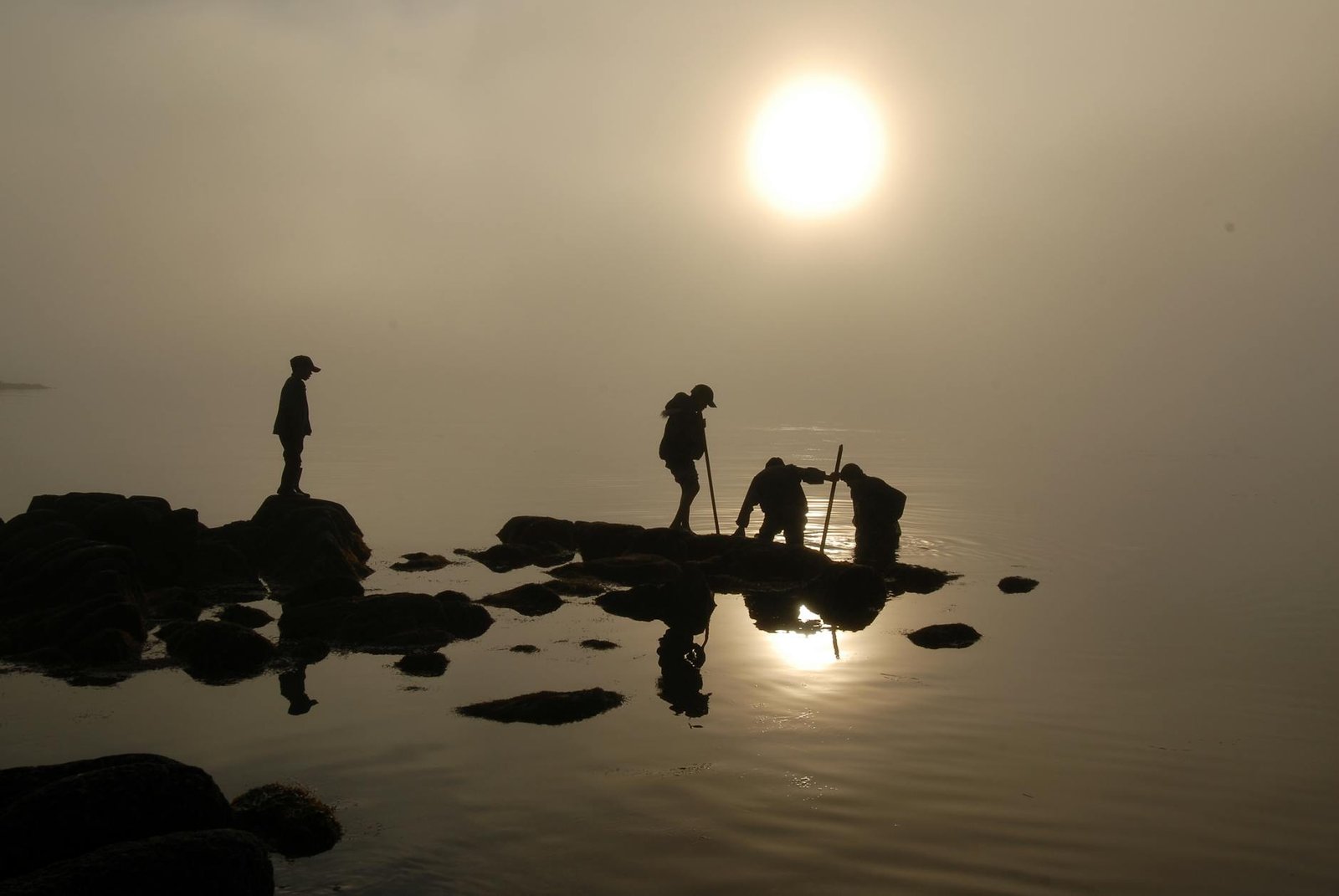
Spot Arctic foxes, ptarmigan, seals, walrus, and seabirds from shoreline or elevated vantage points. Bring binoculars and telephoto lens. Often combined with village tour.
3
Photography and landscape exploration
Capture tundra, coastline, and settlement. Photogenic in overcast Arctic light. Hire guide to access safe viewpoints and respectfully photograph residents.
Show 1 more thing to do in Uelen Chukotka
4
Coastal beachcombing and natural history
Walk the shoreline, observe glacial erratic boulders, driftwood, and kelp. No commercial appeal; mostly a quiet solo activity.
Book with the ship, or on your own?
Booking independently
- Often noticeably cheaper than the ship’s version of the same tour.
- Smaller groups and local operators, with traveler reviews you can read before you pay.
- Free cancellation on most tours, usually up to 24 hours before.
When the ship’s excursion makes sense
- Short port calls or long transfers where the timing is tight.
- Tender-only stops where getting ashore can run late.
- The ship waits for its own delayed excursions — it won’t wait for independent ones, so leave a buffer before all-aboard.
We may earn a commission when you book through our links, at no extra cost to you — it’s how we keep these guides free.
Check The Port Traffic
Cruise Ships in Port
Once you have your shore plan, use the schedule to see how busy the harbour will be on your date, plus the ships, lines, and published call windows.
Sun
Mon
Tue
Wed
Thu
Fri
Sat
1
2
3
4
5
6
7
8
9
10
11
12
13
14
15
16
17
18
19
20
21
22
23
24
25
26
27
28
29
30
31
Quiet (1–2)
Busy (3–4)
Packed (5+)
0 scheduled calls
October 23, 2026
No scheduled cruise ship calls were found for this date selection. Pick a highlighted day on the calendar above, widen the range, or search for a different ship or line.
Port Overview
Uelen is a small Yupik Eskimo settlement of roughly 700 people on the Chukchi Peninsula, the easternmost point of Russia. Ships anchor offshore and tender passengers to a basic beach landing. There are no piers, markets, or restaurants—this is a research and indigenous community, not a tourist port. Most cruisers come via Hurtigruten, Lindblad, Ponant, or Quark Expeditions polar routes exploring the Bering Strait and Arctic. Why go ashore? Cultural immersion, tundra landscape photography, and the chance to witness a vanishing Yupik culture. Why not? No facilities, unpredictable weather, extreme cold, and language barriers make independent exploration risky. Plan on a guided walk only.
Is It Safe?
Uelen is generally safe for visitors, but the Arctic environment poses real hazards. Sudden weather changes, extreme cold, and tundra terrain require caution. Do not wander inland or away from guides; the landscape is featureless and disorienting. The community is welcoming but isolated; police and medical services are minimal. Petty theft is rare but not impossible. Alcohol is prohibited in many settlements—respect local rules. Most safety concerns stem from environmental exposure, not crime. Stay in groups, inform someone ashore of your route, and return to tender well before departure.
Accessibility & Walkability
Uelen is extremely challenging for mobility-impaired visitors. There are no paved paths, ramps, or accessible facilities. The beach landing is rough and wet; tender boarding requires physical agility. Terrain is muddy tundra with no infrastructure. Wheelchair users should not attempt to go ashore. Those with limited mobility should discuss tender safety with ship medical staff before port.
Outside the Terminal
You exit the tender onto a rocky, sometimes muddy beach littered with kelp and driftwood. The village rises gently inland: a scatter of small wooden houses, some corrugated-metal storage sheds, a fuel depot, and a few larger community buildings. The air smells of sea and tundra. No visible commerce, traffic, or crowds—just locals moving about their day. The light is dim even in summer (midnight sun in June–July); in shoulder seasons (May, September), twilight dominates. Wind is common and cold. Immediately turn to your guide or group; do not wander.
Beaches Near the Port
Uelen village beach (rocky/pebbly landing)
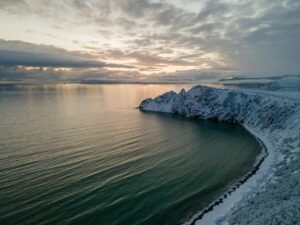
Small rocky and pebbly beach at village center. Landing point for tenders; not a recreational beach. Cold water (~0–5 °C); swimming not realistic. Scenic for photography and wildlife observation.
Local Food & Drink
There are no restaurants, cafés, or commercial food services in Uelen. Bring snacks and water from your ship. Locals rely on hunting (seal, whale, fish) and imported goods; no public dining. If invited to a home or community event, you may be offered traditional foods (seal meat, fish, berries). Accept respectfully; it is a cultural honor. Dietary restrictions are not accommodated ashore—eat before tendering.
Shopping
There is no retail shopping in Uelen. No souvenir stores, markets, or shops. Locals may informally sell handcrafted items (seal skin items, artwork, clothing) near the village center or through guides; negotiate privately and respectfully. Bringing gifts (tea, chocolate, school supplies) to share is appreciated. Do not photograph people or homes without permission.
Money & Currency
- Currency
- Russian Ruble (RUB)
- USD Accepted?
- No
- Card Payments
- Minimal. No card terminals. Cash only if trading informally.
- ATMs
- None. Withdraw rubles before arrival or at previous ports.
- Tipping
- Not customary in Russia; gratuity to guides may be offered in USD or rubles (10–15% appreciated).
- Notes
- Uelen is a cash-only settlement with no banking infrastructure. Budget for guide hire in advance via your cruise operator. Small gifts are more valued than cash tips.
Weather & Best Time
- Best months
- June–September (midnight sun, relatively mild tundra, 5–15 °C, calmer seas).
- Avoid
- October–April (near-total darkness, extreme cold −20 to −40 °C, ice hazards, tender cancellations likely).
- Temperature
- June–September: 5–15 °C (41–59 °F). Dress in multiple waterproof layers, insulated boots, hat, gloves, and windproof outer jacket even in summer.
- Notes
- Wind and fog common year-round. Sea state unpredictable; tender operations cancelled if waves exceed safe thresholds. Expect sudden weather changes.
Airport Information
- Airport
- None. Nearest commercial airport: Pevek (Chukchi Peninsula, ~200 km south); very limited service.
- Distance
- ~200 km
- Getting there
- Helicopter charter only (cruise operator arranges if needed). Regular air links are infrequent and weather-dependent.
- Notes
- Uelen has no airstrip. All access is by sea. Most cruisers arrive and depart by ship.
Getting Around from the Port
Tender boat
Ships anchor and launch small tenders to rocky beach. Expect a wet-boot landing and rough swells.
Book ferry ticketsOn foot (village core)
Once ashore, walk the village center on dirt/gravel paths. Maximum useful range: 1 km from landing.
Local guide hire
Arrange through ship, lodge, or approach community contact ashore. Essential for safe wildlife and cultural excursions.
Details last checked April 2026
Planning a cruise here?
Hurtigruten, Lindblad Expeditions, Ponant & more sail to Uelen Chukotka.
Practical Tips for Cruise Passengers
- Book any shore excursion or guide hire through your cruise operator before arrival; local services are minimal and may not be available for walk-up bookings.
- Pack waterproof, insulated layers and sturdy boots; even summer Uelen is cold and muddy. Bring a hat, gloves, and wind-resistant outer jacket.
- Bring cash (rubles preferred) and any snacks you may need; no food services exist ashore.
- Respect photography and privacy rules with residents; ask permission before photographing people or homes. Engage respectfully and listen to guide advice on sensitive topics.
Frequently Asked Questions
No. Water temperature is 0–5 °C (32–41 °F) year-round; swimming is unsafe and not done. The beach is rocky and used only for tender landings.
No. Terrain is featureless tundra, weather is unpredictable, and you can become disoriented quickly. Always use a guide or stay in a group within sight of the landing.
June–September is the only realistic window—sea access, mild(er) weather, and minimal darkness. Most Uelen cruises operate June–August. Winter and shoulder seasons see extreme cold and ice, with frequent tender cancellations.
Find cruises to Uelen Chukotka, Russia
Compare sailings and book with no fees — best price guaranteed.
We may earn a commission when you book through our links, at no extra cost to you — it’s how we keep these guides free.
✉ Sailing to Uelen Chukotka? Get your port-day plan
Tell us your sail date and we’ll email you a short Uelen Chukotka plan about 60 days out — when the good excursions start selling out — plus a final checklist 2 weeks before. Two emails, then done. We’ll send one note to confirm it’s really you — unsubscribe anytime.
Asia
View All