
Asia
Canada & New England
Inside Passage Alaska Cruise Port Guide: Things to Do, Walkability & Local Tips
Canada
Ships dock at various ports throughout the Inside Passage including Ketchikan, Juneau, and Sitka with a combination of pier docking and tender access depending on the specific port stop.
Choose the Right Port Day
Best Overall
Pick one focused activity — a short wildlife or glacier excursion if offered, or a self-guided walk through downtown — and pair it with a meal at a local spot. Don't try to cram in too much on a short port day.
Best Beach
Not relevant. Inside Passage ports are not beach destinations. The scenery is all fjords, forest, and mountains.
With Kids
Head to the nearest totem park or small wildlife center — free or very low cost, visually engaging, and a genuine Alaska experience kids remember.
Only 3-4 Hours
Walk straight off the ship into downtown, grab a coffee at a local cafe, visit the nearest totem pole park or heritage site, and spend the rest of the time browsing shops on the main drag before heading back — no transport needed.
Cheapest Option
Walk the waterfront, visit free totem sites, and grab fish tacos or chowder from a local takeaway stand for under $15 USD total.
What To Avoid
Ship-sponsored shore excursions that cover the same free walking areas you can do yourself. Also skip jewelry and diamond shops near the pier — they're aimed squarely at cruise tourists and not representative of local character.
Quick Take
- Port Type
- Historic Small Port
- Best For
- Cruisers who want genuine Southeast Alaska atmosphere, wildlife spotting, totem poles, and compact town exploration without hiring a guide
- Avoid If
- You need beaches, nightlife, or a full resort day — none of that exists here
- Walkability
- High — most port stops along the Inside Passage have a compact downtown within easy walking distance of the dock
- Budget Fit
- Strong — strolling, free cultural sites, and affordable local cafes make this a low-spend port
- Good For Short Calls?
- Excellent — most cruisers have 4 to 8 hours ashore and the core sights fit comfortably in that window
Port Overview
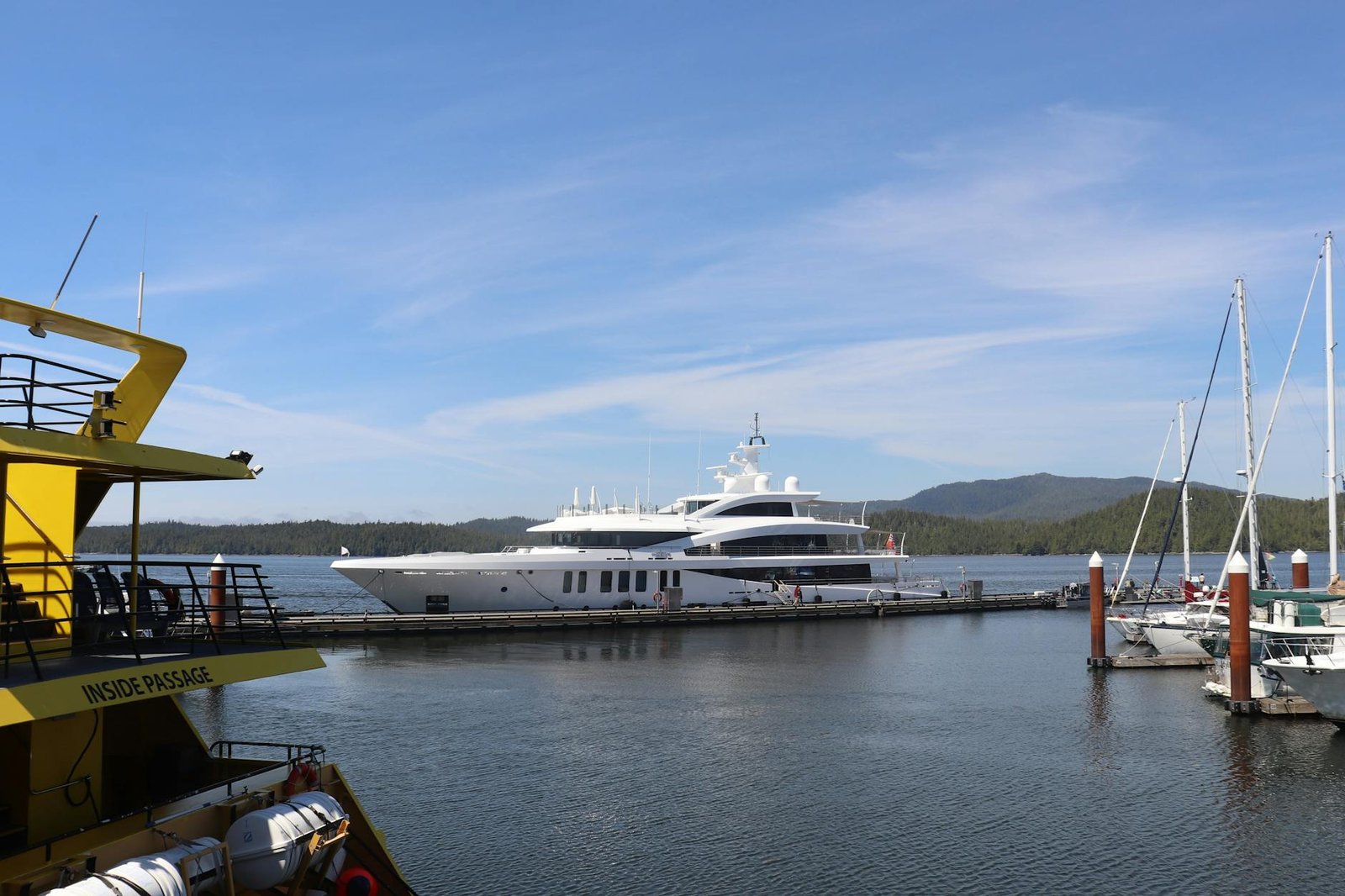
The Inside Passage is not one port but a series of small Southeast Alaska towns — Ketchikan, Juneau, Skagway, Sitka, and Wrangell are the most common stops — connected by the same dramatic coastal geography: steep forested mountains dropping into cold fjords, fishing boats at the docks, and a frontier-town character that feels genuinely earned rather than manufactured for tourists.
Ships typically dock directly at or very close to each town center, which means you can walk off and be in the middle of things within minutes. The towns are small by design — don't expect a sprawling city. What you get instead is a walkable grid of historic streets, Indigenous cultural sites, working harbors, and enough cafes and local shops to fill a half day without effort.
The Inside Passage is worth going ashore for the scenery and the authenticity. It is not worth going ashore if you want warm water, beach time, or resort facilities. The appeal here is raw Alaska — rain-soaked forests, bald eagles overhead, salmon runs, and towns that have been fishing and mining communities for over a century.
If your ship offers a glacier or whale-watching excursion at your specific stop, that is genuinely worth booking, particularly in Juneau (Mendenhall Glacier) or on segments where humpback whale activity is high. Otherwise, independent exploration works well and costs far less.
Top Things To Do
1
Totem Pole Parks and Indigenous Heritage Sites
Every major Inside Passage port has significant Tlingit, Haida, or Tsimshian cultural heritage. Totem pole parks — particularly Saxman and Totem Bight in Ketchikan, or Sitka National Historical Park — are genuine, well-maintained cultural sites. Many are free or low cost and walkable from the pier.
2
Mendenhall Glacier (Juneau only)
One of the most accessible glaciers in Alaska, sitting about 12 miles from downtown Juneau. The visitor center is free to enter and the views across the glacial lake are extraordinary. It has receded significantly in recent years, which itself tells a stark and important story. Go independently by taxi or shuttle rather than paying ship excursion prices.
3
Waterfront and Historic Main Street Walking
The main streets of Ketchikan, Skagway, Sitka, and Wrangell all have genuine historic character dating to the late 1800s. Creek Street in Ketchikan (a former red-light district built on a boardwalk over the creek) and Skagway's Broadway Street (a Gold Rush-era boomtown preserved almost intact) are the standouts. Both are walkable and free.
Show 3 more things to do in Inside Passage Alaska
4
Whale Watching or Wildlife Boat Tour
Humpback whales, orcas, Steller sea lions, and bald eagles are all realistic sightings in Inside Passage waters during cruise season. Boat-based wildlife tours run out of most major ports and have strong success rates in summer. This is one excursion worth paying for — the experience from a small local boat beats anything you can see from the ship.
5
Forest Hiking and Viewpoints
Virtually every Inside Passage town has short trail systems cutting into old-growth temperate rainforest within 15-30 minutes walk of the dock. Views from ridge trails above the towns are often spectacular. In Sitka, the Gavan Hill trail is a popular moderate hike. In Wrangell, the Chief Shakes Hot Springs trail appeals to more adventurous walkers. Wear waterproof boots.
6
Local Seafood Lunch
Freshly caught Dungeness crab, king salmon, halibut, and clam chowder are available at unpretentious local spots throughout the Inside Passage. This is the real deal — not imported or reheated. Seek out small dockside diners or fish houses rather than the polished tourist restaurants nearest the pier.
Book with the ship, or on your own?
Booking independently
- Often noticeably cheaper than the ship’s version of the same tour.
- Smaller groups and local operators, with traveler reviews you can read before you pay.
- Free cancellation on most tours, usually up to 24 hours before.
When the ship’s excursion makes sense
- Short port calls or long transfers where the timing is tight.
- Tender-only stops where getting ashore can run late.
- The ship waits for its own delayed excursions — it won’t wait for independent ones, so leave a buffer before all-aboard.
We may earn a commission when you book through our links, at no extra cost to you — it’s how we keep these guides free.
Is It Safe?
Inside Passage ports are among the safest cruise destinations in North America. Crime rates are very low and the towns are small and community-oriented. The main practical risks are environmental — rain, uneven terrain on trails, and cold temperatures even in summer. Always carry waterproof layers and wear sturdy shoes, especially if you plan any walking beyond the flat waterfront zone.
If you venture into the forest or onto hiking trails, tell someone your plan and carry a basic map. Cell coverage can be patchy outside town centers. Wildlife encounters — particularly black bears — are possible on trails near most Inside Passage communities. Make noise while walking and follow local guidance on wildlife protocols.
Boat-based excursions (whale watching, kayaking, floatplane tours) are well-regulated in Alaska, but always book with licensed operators and confirm safety briefings before departing.
Accessibility & Walkability
Waterfront areas in most Inside Passage ports are reasonably flat and accessible for mobility-limited visitors, with paved surfaces near the pier and main streets. However, accessibility drops off quickly once you move away from the core — uneven terrain, wooden boardwalks, and steep side streets are common. Some historic boardwalk areas like Creek Street in Ketchikan have steps and narrow sections that are not wheelchair-friendly.
Visitors using wheelchairs or with limited mobility should confirm dock conditions with the ship before going ashore, particularly at smaller tender ports where disembarkation itself can be challenging. Indoor cultural sites and visitor centers at larger stops are generally accessible.
Outside the Terminal
Step off the ship and you are immediately in a working waterfront town. Expect dockside vendors, tour desks, and small gift shops clustered near the gangway — this is normal and easy to walk past. Within two or three minutes you are on the main street, which in most Inside Passage towns means a mix of local outfitters, souvenir shops, seafood restaurants, and the occasional historic building that has been standing since the Gold Rush era.
The energy is low-key compared to Caribbean ports. There is no hard sell, no tuk-tuk traffic, and no crush of vendors. The biggest crowd you will face is other cruisers from ships docked the same day — in peak July and August, some ports like Ketchikan and Skagway can feel noticeably busy mid-morning.
Local Food & Drink
Alaska seafood is the obvious priority and it is genuinely excellent. Salmon, halibut, Dungeness crab, and fresh clam chowder are staples across Inside Passage ports. The best places are usually not the ones right next to the pier — walk a block or two and look for places where locals are actually eating. In Ketchikan, the waterfront area has several solid fish houses. In Juneau, downtown has a mix of seafood spots and casual cafes. Skagway is smaller and more limited but still has decent options for a quick lunch.
Expect prices to be slightly higher than the continental US — produce and supplies are expensive to ship to Southeast Alaska. Budget around $15-25 USD for a casual lunch, $30-50 for a sit-down meal. Most places accept cards. Coffee culture exists in these towns — espresso bars are common and quality is generally good, which is useful when you step off the ship into cool, damp weather.
Shopping
Shopping in Inside Passage ports ranges from genuinely worthwhile to entirely skippable depending on what you are after. The worthwhile category includes locally made Alaska Native art, hand-carved items, smoked salmon to take home, and outdoor gear from established outfitters. These exist but require some searching among the louder souvenir shops.
Skip the jewelry and gemstone shops clustered near the docks — they are everywhere in Inside Passage ports and oriented purely toward cruise traffic. The same goes for generic Alaska-branded merchandise that was not made anywhere near Alaska. If you want something real, ask shopkeepers directly where items were made.
Money & Currency
- Currency
- US Dollar (USD)
- USD Accepted?
- Yes
- Card Payments
- Wide — most shops, restaurants, and activity operators accept major credit cards
- ATMs
- Available in most Inside Passage ports; Juneau and Ketchikan have the best access, smaller stops like Wrangell may have limited ATMs
- Tipping
- Standard US norms apply: 18-20% at restaurants, $1-2 per drink at bars, tip guides on excursions at your discretion
- Notes
- Alaska is a US state so there are no currency exchange considerations — Canadian ports like Prince Rupert use CAD, so confirm your specific itinerary's port countries
Weather & Best Time
- Best months
- June and July offer the most daylight and relatively stable weather, though rain is always possible
- Avoid
- October through April — outside cruise season and weather is cold, wet, and many businesses close
- Temperature
- 50-65°F (10-18°C) in summer; cool and overcast is more common than sunny
- Notes
- The Inside Passage is a temperate rainforest. Rain is a feature, not an anomaly. Pack waterproof layers regardless of the forecast and embrace it.
Airport Information
- Airport
- Varies by port — major airports include Juneau International Airport (JNU) and Ketchikan International Airport (KTN); Sitka Rocky Gutierrez Airport (SIT) serves Sitka
- Distance
- Juneau airport is approximately 9 miles from downtown; Ketchikan airport requires a short ferry crossing
- Getting there
- Taxi, local bus, or hotel shuttles from airports to town centers; Ketchikan airport is on a separate island and requires a 5-minute ferry then taxi
- Notes
- If your cruise starts or ends in Juneau or Ketchikan, book airport transfers in advance as options are limited and can fill up on busy ship days
Getting Around from the Port
Walking
The default and best option in almost every Inside Passage port. Downtown cores are compact and flat near the waterfront, though side streets can slope upward quickly toward forest terrain.
Taxi or rideshare
Available in larger stops like Juneau and Ketchikan. Useful if you want to reach trailheads, the Mendenhall Glacier visitor center, or sites outside the walkable core.
Check Uber fareLocal shuttle or bus
Some ports like Juneau run airport-area buses or seasonal tourist shuttles to glacier sites. Check locally as schedules vary by port and season.
Book a transfer 5% off with code TPO5 at checkoutBicycle rental
Available at a few Inside Passage ports. Good for exploring flat waterfront areas and nearby trails when weather cooperates.
Details last checked April 2026
Check The Port Traffic
Cruise Ships in Port
Once you have your shore plan, use the schedule to see how busy the harbour will be on your date, plus the ships, lines, and published call windows.
Sun
Mon
Tue
Wed
Thu
Fri
Sat
1
2
3
4
5
6
7
8
9
10
11
12
13
14
15
16
17
18
19
20
21
22
23
24
25
26
27
28
29
30
31
Quiet (1–2)
Busy (3–4)
Packed (5+)
0 scheduled calls
August 27, 2026
No scheduled cruise ship calls were found for this date selection. Pick a highlighted day on the calendar above, widen the range, or search for a different ship or line.
Planning a cruise here?
Seabourn sail to Inside Passage Alaska.
Practical Tips for Cruise Passengers
- Rain gear is non-negotiable — pack a packable waterproof jacket and wear waterproof footwear even if the morning looks clear.
- Walk past the first two blocks of shops near the pier before deciding where to eat or buy anything — the closer to the gangway, the more tourist-oriented the prices.
- If your ship is in port alongside two or three others simultaneously, hit the most popular sites early and save shopping and cafes for mid-afternoon when crowds thin.
- Bald eagles are so common in Inside Passage towns that locals barely look up — you will. Allow extra time for wildlife watching from the waterfront.
- Confirm your ship's all-aboard time before committing to any offsite excursion and build in a genuine buffer — remote roads and boat tours can run long.
- Canadian ports on some Inside Passage itineraries (such as Prince Rupert or Victoria) use Canadian dollars — check your specific itinerary so you are not caught off-guard.
Frequently Asked Questions
Yes, for most ports. The town centers are small, walkable, and safe. Ship excursions add value mainly for glacier access, whale watching, or floatplane trips where local logistics are genuinely complex.
Yes — rain is normal here and most sights are outdoors anyway. The forests and fjords actually look dramatic in low cloud and mist. Bring waterproof gear and go.
Juneau and Sitka consistently rank highest for a mix of scenery, culture, and accessible wildlife. Skagway is the most historically atmospheric. Ketchikan has the best totem pole sites and seafood.
Yes — Sitka is commonly a tender port due to harbor constraints, which adds 15-20 minutes each way to your ashore time. Factor this into your planning and watch the ship's posted tender schedule.
Bald eagles are almost guaranteed in any Inside Passage port. Harbor seals and sea otters are common near the docks. Bears are possible near streams during salmon season but are rarely seen in town centers.
Find cruises to Inside Passage Alaska, Canada
Compare sailings and book with no fees — best price guaranteed.
We may earn a commission when you book through our links, at no extra cost to you — it’s how we keep these guides free.
✉ Sailing to Inside Passage Alaska? Get your port-day plan
Tell us your sail date and we’ll email you a short Inside Passage Alaska plan about 60 days out — when the good excursions start selling out — plus a final checklist 2 weeks before. Two emails, then done. We’ll send one note to confirm it’s really you — unsubscribe anytime.
Same itinerary network
View All


