
European River Cruises
European River Cruises
Esztergom Cruise Port Guide: Things to Do & Practical Tips
Hungary
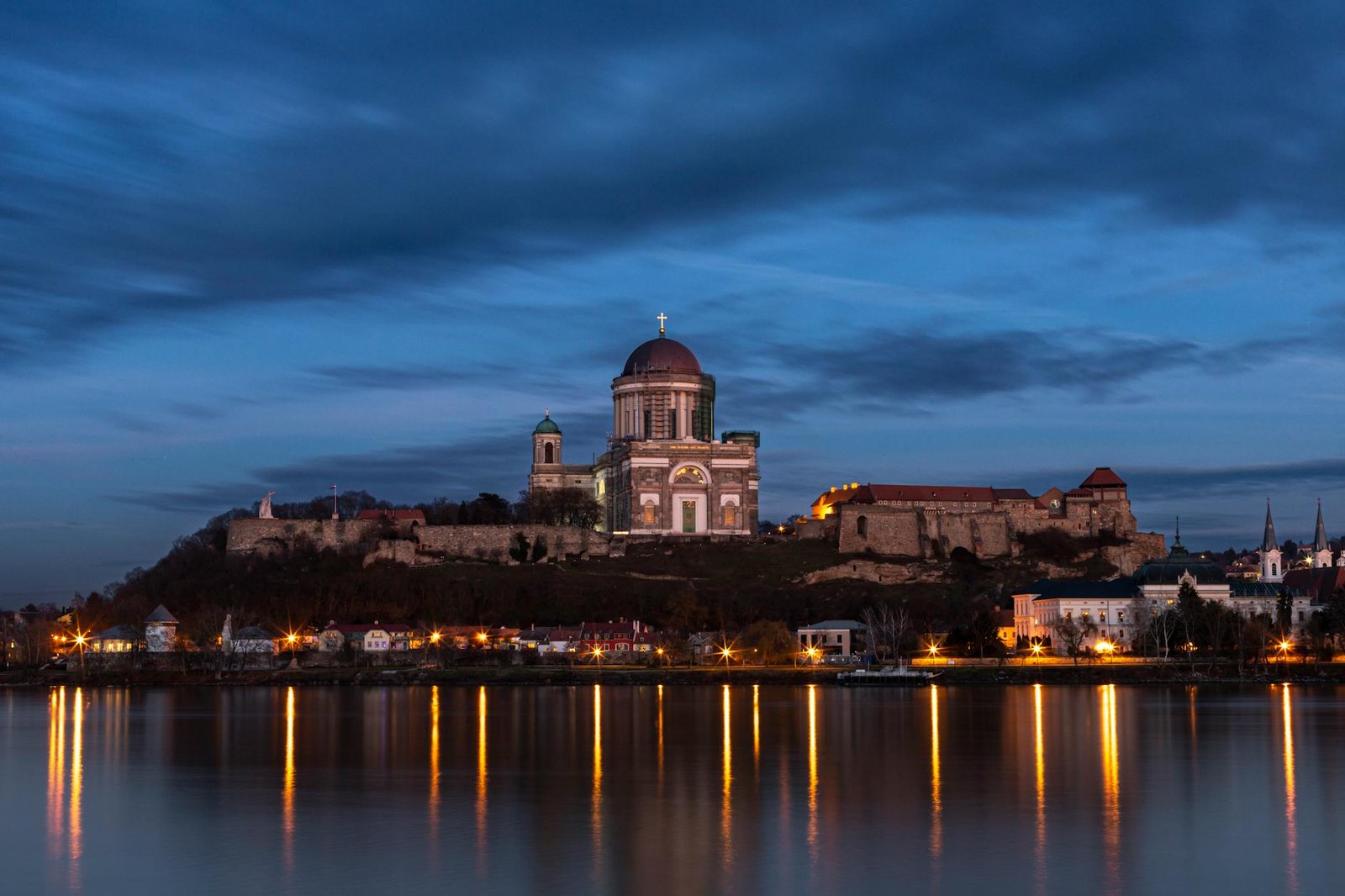
River ships moor alongside at the riverside landing; passengers walk ashore by gangway.
Choose the Right Port Day
Best Overall
Climb to the Basilica and castle hill for the views, then eat lunch at a terrace restaurant overlooking the river — this is the experience Esztergom is actually known for.
Best Beach
Not relevant — this is a river town; there is no beach worth planning around.
With Kids
The Danube Museum (Duna Múzeum) is hands-on, cheap, and only a short walk from the dock — good for families who want something indoors and educational without the steep castle climb.
Only 3-4 Hours
Walk straight up to Esztergom Basilica (roughly 20 minutes on foot from the dock), climb the dome for panoramic views over the Danube bend, then descend into the old town for a sit-down lunch and a quick browse of Rákóczi Street before returning to the ship.
Cheapest Option
Walk the old town, enter the Basilica for free (dome climb costs a small fee), and eat a two-course lunch at a local étterem for under $10-12 USD per person.
What To Avoid
Do not waste time shopping near the dock; the souvenir options are limited and unremarkable. Also skip the Maria Valeria Bridge crossing into Slovakia unless you have specific plans there — the Slovak side town of Štúrovo adds little for most cruisers.
Quick Take
- Port Type
- Historic Small River Port
- Best For
- History lovers, architecture fans, and anyone wanting a relaxed, walkable Hungarian town without Budapest crowds
- Avoid If
- You struggle with hills or cobblestones — the Basilica and castle area involve a serious uphill walk
- Walkability
- High for the town center; moderate-to-hard if you tackle Castle Hill
- Budget Fit
- Excellent — entry fees are low, food is cheap, and the main sights are close to the dock
- Good For Short Calls?
- Perfect — the core highlights can be covered in 3-4 hours
Top Things To Do
1
Esztergom Basilica and Dome Climb
The largest church in Hungary and one of the most architecturally impressive in Central Europe. The interior is grand and the view from the dome over the Danube bend and into Slovakia is the single best payoff in town. Budget time for both the main nave and the dome ascent.
2
Castle Museum (Esztergom Castle)
The medieval royal palace ruins and museum sit adjacent to the Basilica on Castle Hill. The archaeological remains are well-presented and give real context to Esztergom's role as Hungary's original royal capital. Not the most polished museum in the region, but genuinely interesting.
3
Danube Museum (Duna Múzeum)
A well-organized museum dedicated to the Danube River — its ecology, history, and the water management systems of the region. More interesting than it sounds, and a solid option for families or anyone wanting air-conditioned downtime.
Show 2 more things to do in Esztergom
4
Old Town Walk and Main Square
The streets between the dock and Castle Hill are pleasant to wander — there are churches, old merchant buildings, and a relaxed market-town atmosphere. Széchenyi tér (the main square) is the logical anchor for a stroll and has the best concentration of cafés and restaurants.
5
Maria Valeria Bridge and Border Crossing
The elegant bridge connects Hungary to Slovakia and is a short walk from the dock. Crossing it gives a novelty dual-country experience and the views back toward the Basilica are excellent. The Slovak town of Štúrovo on the other side is functional but unremarkable — cross for the view, not the destination.
Book with the ship, or on your own?
Booking independently
- Often noticeably cheaper than the ship’s version of the same tour.
- Smaller groups and local operators, with traveler reviews you can read before you pay.
- Free cancellation on most tours, usually up to 24 hours before.
When the ship’s excursion makes sense
- Short port calls or long transfers where the timing is tight.
- Tender-only stops where getting ashore can run late.
- The ship waits for its own delayed excursions — it won’t wait for independent ones, so leave a buffer before all-aboard.
Going independent? Compare tours in Esztergom → — the best-reviewed ones sell out first.
We may earn a commission when you book through our links, at no extra cost to you — it’s how we keep these guides free.
Check The Port Traffic
Cruise Ships in Port
Once you have your shore plan, use the schedule to see how busy the harbour will be on your date, plus the ships, lines, and published call windows.
Sun
Mon
Tue
Wed
Thu
Fri
Sat
1
2
3
4
1 ship
5
6
7
8
9
10
11
1 ship
12
13
14
1 ship
15
16
17
18
19
1 ship
20
21
22
23
24
1 ship
25
26
1 ship
27
28
29
30
31
Quiet (1–2)
Busy (3–4)
Packed (5+)
0 scheduled calls
October 9, 2026
No scheduled cruise ship calls were found for this date selection. Pick a highlighted day on the calendar above, widen the range, or search for a different ship or line.
Port Overview
Esztergom sits on a bend in the Danube about 46 km northwest of Budapest, and for centuries it was the most important city in Hungary — the royal seat and the seat of the Catholic Church. That history is still very visible: the enormous Basilica dominates the skyline from miles away, and the compact old town below it is genuinely pleasant to walk. River cruise ships dock directly on the Danube embankment, usually within easy walking distance of the main sights. This is one of the more rewarding small stops on the classic Danube itinerary.
Most cruisers on lines like Viking, AmaWaterways, Uniworld, and Avalon stop here for a half day, and that is honestly enough time to see the highlights without rushing. The town is not a full-day destination for most people, but it is a very satisfying few hours ashore. Do not expect big city infrastructure — ATMs, restaurants, and services exist but are limited compared to Budapest.
The terrain is the main challenge. The dockside area is flat, but the Basilica and castle sit on a hill that requires either a moderately steep walk or a short taxi ride. If mobility is a concern, plan accordingly.
Is It Safe?
Esztergom is a quiet, safe Hungarian town. Petty crime targeting tourists is uncommon here compared to Budapest. The main thing to watch is uneven cobblestones and steep paths on Castle Hill, which are a trip hazard rather than a safety concern. Keep standard travel awareness — do not leave bags unattended at café tables — but there is nothing specific to worry about in this town.
Accessibility & Walkability
The town center and riverside area are relatively flat and manageable for most mobility levels. However, the route up to the Basilica and castle involves significant inclines and steps, making it genuinely difficult for wheelchair users or those with limited mobility. A taxi to the top is the practical solution. The Basilica interior itself is largely accessible once you arrive, though the dome climb involves a narrow spiral staircase and is not accessible.
Outside the Terminal
You step off the gangway directly onto the Danube embankment. It is calm, not crowded, and there is no terminal building or commercial gauntlet to navigate. You will immediately see the Basilica on the hill above town. A short walk along the waterfront brings you into the edge of the old town, with the main square and restaurants a few minutes further. It feels like a real Hungarian town, not a tourist trap port.
Local Food & Drink
Esztergom has a modest but genuine local dining scene centered around Széchenyi tér and the streets heading toward Castle Hill. Expect traditional Hungarian food — goulash, pörkölt, schnitzel, and freshwater fish dishes. Prices are low by Western European standards; a full lunch with drinks rarely exceeds $12-15 USD per person. A few terrace restaurants near the castle have good views and are worth the slightly higher prices for the setting. Avoid eating right at the dock area if there are options; walk five to ten minutes into town for better value and atmosphere.
Shopping
Shopping is not a strong reason to come ashore in Esztergom. You will find small souvenir shops and a handful of artisan stores selling Hungarian embroidery, paprika, and Pálinka (the local fruit brandy), which make decent gifts. Do not expect the range or quality of Budapest's market halls. If you want to pick up something local, the best bet is a bottle of Tokaji wine or a small jar of paprika from a grocery store.
Money & Currency
- Currency
- Hungarian Forint (HUF)
- USD Accepted?
- No
- Card Payments
- Cards accepted at most restaurants and larger shops, but smaller stalls and some museum entry desks prefer cash
- ATMs
- A small number of ATMs in the town center — not always near the dock. Withdraw cash before arriving if possible
- Tipping
- 10% is standard at sit-down restaurants in Hungary
- Notes
- Euros are occasionally accepted at tourist-facing businesses but you will get a poor exchange rate. Use Forints for best value.
Weather & Best Time
- Best months
- May, June, and September offer the best combination of warmth, manageable crowds, and clear skies for views from the dome
- Avoid
- January and February are cold and grey with limited outdoor appeal; some smaller businesses reduce hours
- Temperature
- 15-28°C (59-82°F) during the main river cruise season of April through October
- Notes
- Summer afternoons can be hot on the exposed Castle Hill — bring water and sun protection. Spring and autumn light is excellent for photography.
Airport Information
- Airport
- Budapest Ferenc Liszt International Airport (BUD)
- Distance
- Approximately 65-70 km by road
- Getting there
- Private transfer is the most practical option; takes roughly 60-80 minutes depending on traffic. No direct public transit connection. Taxis and pre-booked car services available.
- Notes
- Cruisers starting or ending their river cruise in Esztergom are uncommon — most embark and disembark in Budapest. If you need the airport, budget at least 90 minutes including buffer time.
Getting Around from the Port
Walking
The dock to the Basilica entrance is roughly a 15-20 minute walk, including the uphill approach. The old town, main square, and most restaurants are all walkable from the ship.
Taxi
Local taxis can take you up to the Basilica or castle hill entrance, saving the uphill climb. Useful for passengers with mobility issues.
Book a transfer 5% off with code TPO5 at checkoutShip excursion shuttle
Most river cruise lines offer guided shore excursions that include transport to main sites. These are well-suited to passengers who want structure or cannot walk the hill.
Book a transfer 5% off with code TPO5 at checkoutBicycle rental
Bike rental is available in town and the flat riverside path is pleasant for cycling. Not useful for the Basilica hill but good for exploring the riverbank.
Details last checked April 2026
Planning a cruise here?
CroisiEurope, Avalon Waterways, AmaWaterways sail to Esztergom.
Practical Tips for Cruise Passengers
- Start with the Basilica and dome climb first thing ashore — the views are the highlight of the port and worth prioritizing before it gets hot or busy.
- Wear proper walking shoes. The cobblestone old town and castle hill path are not suitable for sandals or dress shoes.
- Withdraw Hungarian Forints before arriving — ATM options in Esztergom are limited and you do not want to scramble for cash when entrance fees are small but cash-only.
- The dome climb at the Basilica involves a narrow spiral staircase — skip it if you have claustrophobia or knee problems, but the views are genuinely worth it for those who can manage it.
- If your ship offers a guided excursion that includes the castle and Basilica, it can be useful for passengers with limited mobility since transport up the hill is included.
- Check your ship's all-aboard time carefully — Esztergom is an easy port to misjudge; it seems small but the Basilica and castle can absorb more time than expected.
Frequently Asked Questions
Yes, for most cruisers. The Basilica is genuinely impressive and the dome view over the Danube bend is a highlight of any Danube river cruise. It is a relaxed, non-commercial stop that feels authentic.
The walk takes about 15-20 minutes from the embankment, including the uphill approach. It is manageable for most people but involves a noticeable incline. A taxi can take you to the top in 5 minutes.
Yes, the old town, main square, and most restaurants are easily walkable. The Basilica requires effort uphill but is doable on foot. Wheelchair users or those with limited mobility should arrange transport.
Hungarian Forints are what you need. Euros are not widely accepted and where they are, the exchange rate is poor. Withdraw Forints in Budapest before your cruise if possible, as ATM options in Esztergom are limited.
It works reasonably well. The Danube Museum is hands-on and child-friendly, and the castle ruins appeal to kids interested in history. The steep hill to the Basilica can be tiring for young children, so pace the day accordingly.
Find cruises to Esztergom, Hungary
Compare sailings and book with no fees — best price guaranteed.
We may earn a commission when you book through our links, at no extra cost to you — it’s how we keep these guides free.
✉ Sailing to Esztergom? Get your port-day plan
Tell us your sail date and we’ll email you a short Esztergom plan about 60 days out — when the good excursions start selling out — plus a final checklist 2 weeks before. Two emails, then done. We’ll send one note to confirm it’s really you — unsubscribe anytime.
Same itinerary network
View All
Ports Often Paired With Esztergom
European River Cruises
European River Cruises
European River Cruises
