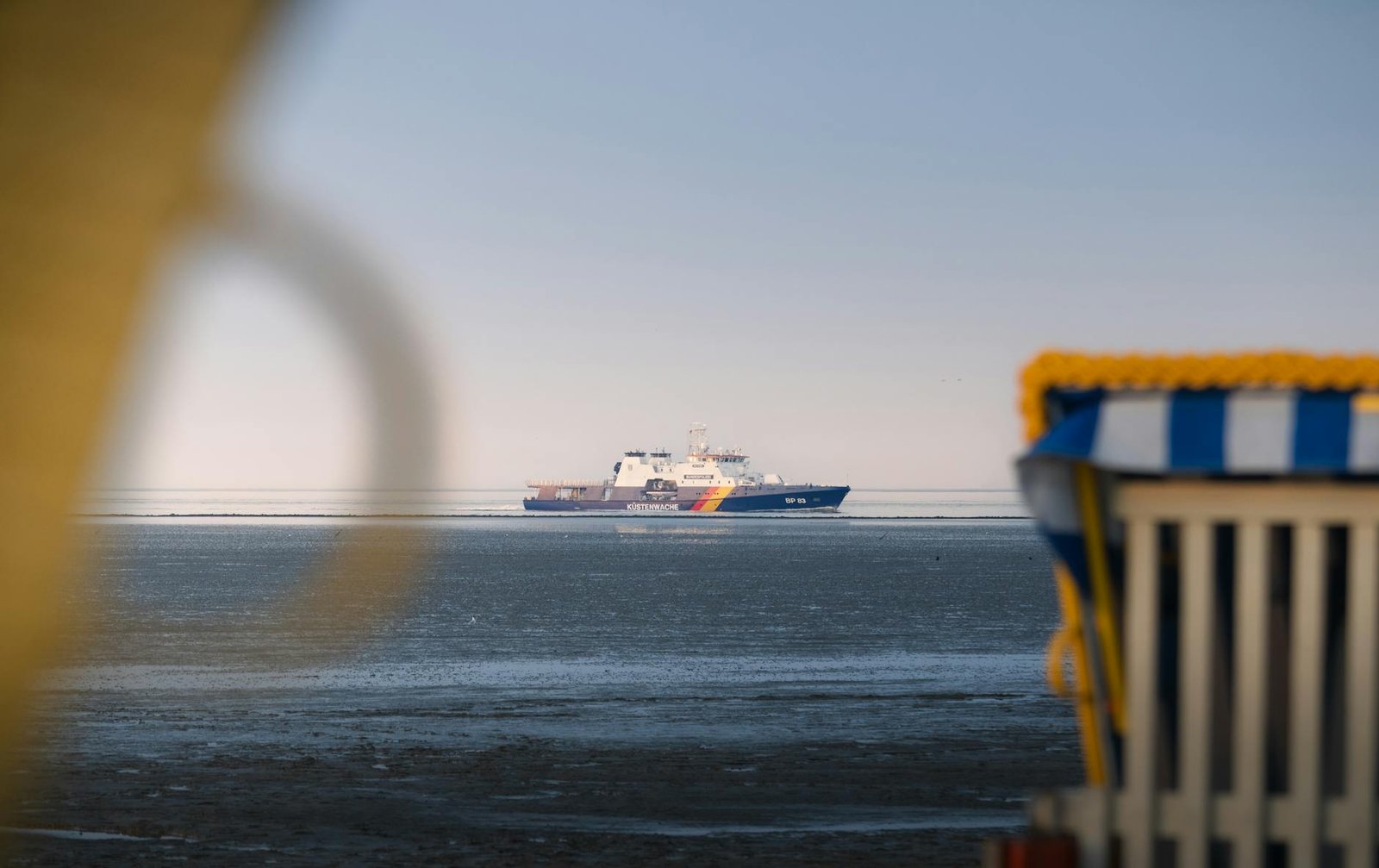
Cuxhaven sits where the Elbe meets the open North Sea, and it has been watching ships pass for centuries. This compact, salty port town punches well above its weight — mudflats, maritime history, and fresh seafood all within walking distance of the dock. If you’ve been handed a Cuxhaven port day, consider yourself lucky.
Arriving by Ship
Most cruise ships dock directly at the Cuxhaven Cruise Terminal, a modern facility on the Alte Liebe quay that handles vessels up to 220 metres. Tender operations are rare here, so you’ll step off and be in the thick of things within minutes.
The town centre is a flat, easy 10-minute walk from the terminal, and the famous Alte Liebe pier — a historic wooden platform where locals have watched ships for over 300 years — is practically right in front of you. Larger shore excursion coaches depart from the quayside if you’re heading further afield to Hamburg, about 120 kilometres inland.
Things to Do

Cuxhaven rewards walkers. The town is small enough to explore independently, but it sits on the edge of the UNESCO-listed Wadden Sea National Park, which opens up an entirely different world when the tide rolls out.
History & Culture
- Alte Liebe Pier is the town’s most iconic spot — stand at the end of this centuries-old wooden jetty and watch container ships glide past just metres away, completely free to visit.
- Cuxhaven Fort (Festung Kugelbake) houses the Windrose Maritime Museum, open daily 10:00–17:00; entry is around €5 and covers the town’s history as a key Elbe navigation point.
- Kugelbake Landmark itself is a towering wooden beacon at the very tip of the peninsula — it marks the boundary between the Elbe and the North Sea and makes for a dramatic photograph.
Nature & the Wadden Sea
- Wadden Sea National Park mudflat walks (Wattwanderung) are guided tours across the exposed seabed at low tide; book with local operators at the harbour for around €10–€15 per person.
- Duhnen Beach, a 15-minute tram ride from the port, offers a classic German seaside scene with Strandkörbe (hooded wicker beach chairs) you can rent for roughly €12 for a half-day.
- Sahlenburg Beach is the wilder, quieter alternative to Duhnen — wide, windy, and backed by dunes; bring a jacket, the North Sea doesn’t care about the calendar.
Families
- Cuxhaven Sea Aquarium (Meeresaquarium), open daily 10:00–18:00 from April to October, costs around €4 for adults and lets kids get close to North Sea species including rays and sea horses.
- Horse-drawn mudflat carriage rides (Wattwagen) depart from Sahlenburg Beach and cross to the sandbanks at low tide — an unforgettable hour for all ages, typically €15–€20 per person.
What to Eat
Cuxhaven is a serious seafood town, and you’ll eat extremely well here without spending a fortune. Focus on the harbour-side stalls and family-run restaurants rather than the polished tourist spots near the terminal.
- North Sea shrimp (Nordseekrabben) are the local obsession — sweet, tiny, and peeled by hand; buy a pot at a harbour kiosk for around €4–€6 and eat them on the pier.
- Fischbrötchen (open fish rolls) are Germany’s greatest casual food; try them at Fischbude Stöver near the Alte Liebe for about €4, loaded with pickled herring or smoked salmon.
- Labskaus is a traditional sailor’s stew of salt meat, beetroot, and potatoes topped with a fried egg; order it at Restaurant Seezeichen for around €14–€16.
- Matjesfilet (marinated herring) is served everywhere and should be eaten with onions and cream — a butcher-paper lunch classic for under €5.
- Rote Grütze (red berry compote with vanilla sauce) is the classic North German dessert; most restaurants serve it for €5–€7 and it’s best ordered warm.
- Local craft beer from Cuxhavener Brauerei is worth seeking out at any harbour bar — the light Krabben-Bier pairs perfectly with shrimp, around €3.50 a glass.
Shopping

The pedestrianised Deichstrasse is Cuxhaven’s main shopping street — compact, manageable, and not overly touristy. Look for locally packed Nordseekrabben in sealed tins, smoked fish, and Friesentee (East Frisian tea blend), all of which travel well and make genuinely useful gifts.
Avoid generic maritime souvenirs — the lighthouses and anchor keyrings are identical to every other German port. Instead, head to Fischhandlung Möller near the harbour for vacuum-packed smoked fish that you can carry on board without worrying about your cabin smelling like a trawler.
Practical Tips
- Currency is euros (€); card payments are widely accepted but carry €20–€30 in cash for kiosks and beach stalls.
- Tipping is appreciated but modest — rounding up to the nearest euro or leaving 5–10% is standard.
- The Bäderbahn tram runs from the harbour to Duhnen Beach every 20 minutes for about €2.50 each way — use it.
- Go ashore early if you want to join a guided mudflat walk, as these are tide-dependent and times shift daily.
- Dress in layers regardless of season — the North Sea wind is persistent and the weather changes fast.
- You need around 4–5 hours to cover the pier, a beach, and a proper seafood lunch without feeling rushed.
- Hamburg day trips are popular but demanding — factor in 2.5 hours of travel time round-trip before committing.
Cuxhaven is the kind of port that sneaks up on you — arrive expecting a stopover, and you’ll leave wishing you had one more tide to chase.
📍 Getting to Cuxhaven, Germany
Use the interactive map below to explore the port area and plan your route from the terminal.
Leave a Reply