
Australia & Pacific
Australia & Pacific
Makatea Island Cruise Port Guide: Things to Do & Practical Tips
French Polynesia
Ships anchor offshore; tender boats required to reach the small island.
Choose the Right Port Day
Best Overall
Spend 2 hours on the beach/in the lagoon, 1 hour walking the settlement and talking to locals. Snorkel briefly if conditions allow. Return to ship for lunch.
Best Beach
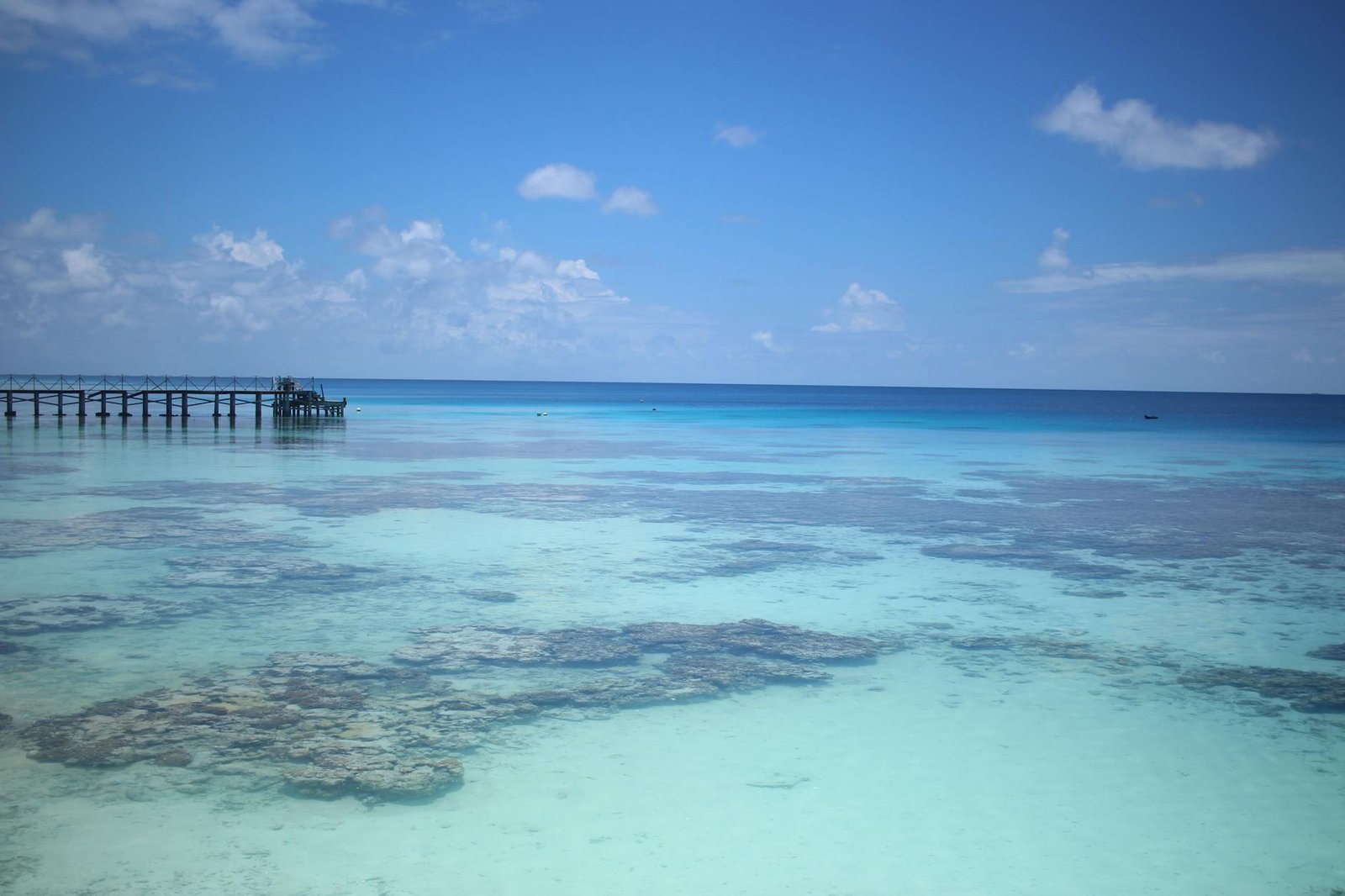
The beach near the tender landing is your main option—calm lagoon water, white sand, shallow entry. Snorkeling is possible but not exceptional.
With Kids
Beach play and wading in the lagoon near the settlement; older kids may enjoy a short inland walk to see village life, but expect no attractions or amenities.
Only 3-4 Hours
Take the tender to shore, walk the small settlement on the beach, swim or snorkel near the landing, and return. No rushing; the pace is intentional.
Cheapest Option
Tender fee plus free/casual time on the beach. Avoid organized excursions; walk and explore independently. Rough cost: $5–15 USD tender + minimal shore spend.
What To Avoid
Do not expect activities, restaurants, or shops. Do not book time-intensive excursions; the island is small and quiet by design. Overestimating what is available ashore leads to disappointment.
Quick Take
- Port Type
- Small luxury anchorage port
- Best For
- Cruisers on Windstar, Ponant, or Seabourn seeking remote island culture and solitude; not a major activity hub.
- Avoid If
- You need organized shore excursions, retail shopping, or multiple dining options. Limited infrastructure.
- Walkability
- Very limited. No town center. Mostly beach and small settlement access via tender.
- Budget Fit
- Low cost once ashore (minimal services, few vendors), but tender fees and lack of independent transport limit options.
- Good For Short Calls?
- Adequate. Most activities (beach time, village walk) fit a 3–4 hour window.
Top Things To Do
1
Beach & lagoon swimming and snorkeling
The main activity. The lagoon near the landing is shallow, calm, and suitable for swimming and basic snorkeling. Coral and fish are modest; do not expect world-class reef. The beach is small but peaceful and rarely crowded.
2
Settlement walk and local interaction
Walk inland from the beach to see the small village, meet locals, and observe daily atoll life. You may see subsistence fishing, copra production, and traditional crafts. No museums or formal sites; the activity is cultural immersion.
3
Photography and quiet reflection
Makatea is photogenic: turquoise water, palms, and emptiness. Bring a camera. Sit on the beach, sketch, write, or simply be in a quiet place far from crowds. This is the real appeal for many luxury cruisers.
Book with the ship, or on your own?
Booking independently
- Often noticeably cheaper than the ship’s version of the same tour.
- Smaller groups and local operators, with traveler reviews you can read before you pay.
- Free cancellation on most tours, usually up to 24 hours before.
When the ship’s excursion makes sense
- Short port calls or long transfers where the timing is tight.
- Tender-only stops where getting ashore can run late.
- The ship waits for its own delayed excursions — it won’t wait for independent ones, so leave a buffer before all-aboard.
We may earn a commission when you book through our links, at no extra cost to you — it’s how we keep these guides free.
Check The Port Traffic
Cruise Ships in Port
Once you have your shore plan, use the schedule to see how busy the harbour will be on your date, plus the ships, lines, and published call windows.
Sun
Mon
Tue
Wed
Thu
Fri
Sat
1
2
3
4
5
6
7
8
9
10
11
12
13
14
15
16
17
18
19
20
21
22
23
24
25
26
27
28
29
30
Quiet (1–2)
Busy (3–4)
Packed (5+)
0 scheduled calls
September 21, 2026
No scheduled cruise ship calls were found for this date selection. Pick a highlighted day on the calendar above, widen the range, or search for a different ship or line.
Port Overview
Makatea is a small, remote coral atoll in the Tuamotu Archipelago, French Polynesia, reachable only by tender anchorage. Ships do not dock; all passengers transfer via ship's boat. The island has no port infrastructure, few commercial services, and a tiny, low-key settlement. This is not a hub for shopping, dining, or organized activities.
Most cruisers use Makatea as a quiet beach and cultural interlude, a place to swim, snorkel briefly, and interact with a small local community away from tourist bustle. Luxury small-ship lines (Windstar, Ponant, Seabourn, Silversea) include it for the experience of remote Polynesian atoll life, not activities. If you need restaurants, shops, or structured excursions, skip the tender and rest on the ship.
Is It Safe?
Makatea is safe and crime is essentially absent. Violent crime does not occur; petty theft is not a concern. The main hazard is environmental: sharp coral cuts from walking barefoot or wading, strong sun, and ocean conditions. Ensure tetanus protection and carry first aid supplies. The settlement is small and friendly; locals are accustomed to cruise visitors. No police or medical facility on the island; serious illness or injury requires evacuation by ship. Do not wander into private areas or photograph people without permission.
Accessibility & Walkability
The island offers no wheelchair access or paved surfaces. The tender landing is a beach; boarding and exiting require stepping over the side into shallow water or walking up wet sand. Those with mobility issues should not attempt to disembark unless very confident. Once ashore, the terrain is uneven sand, coral, and informal trails. There are no ramps, benches, or facilities. Accessibility is extremely limited.
Outside the Terminal
You arrive by tender directly onto the beach. The immediate area is calm lagoon water, white sand, and a few low buildings (community center, small chapel, storage sheds) a short walk inland. No commercial area or formal dock exists. You will see a handful of locals, some fishing boats, and the landscape beyond: coconut palms and low scrub. The feeling is remote and peaceful, with minimal infrastructure visible.
Beaches Near the Port
Makatea lagoon beach
Small, sandy beach on the lagoon side of the island, near the tender landing. Shallow, calm water; suitable for swimming and wading. White sand, palm trees, no facilities or development. Quiet and lightly used.
Local Food & Drink
There are no restaurants, cafés, or food vendors on Makatea. The settlement has no commercial food services. Eat breakfast and lunch aboard your ship before tendering ashore, or plan to dine on the ship after your island visit. Some ships may offer a packed lunch or picnic delivery to the beach, but this is rare and must be arranged in advance with your cruise line. Bring snacks and plenty of water if you plan to spend more than 2 hours ashore.
Shopping
There is no retail shopping on Makatea. No souvenir shops, crafts markets, or stores. Locals may occasionally sell small handicrafts or pearls informally, but do not expect a commercial setting. Prices are negotiable; bring cash (CFP francs preferred, USD accepted) in small bills if interested. Plan to purchase any souvenirs at other ports.
Money & Currency
- Currency
- CFP franc (XPF); 1 USD ≈ 105–110 XPF (check locally for current rates)
- USD Accepted?
- Yes
- Card Payments
- No ATMs, no card readers, no formal payment infrastructure on the island.
- ATMs
- No ATM on Makatea.
- Tipping
- Not customary in French Polynesia; if you buy something informally from a local, round up or hand a small tip if it feels appropriate.
- Notes
- Bring cash from your ship or a previous port. Small USD bills are useful for informal purchases. Credit cards are useless here.
Weather & Best Time
- Best months
- May–October (dry season, cooler, less humid)
- Avoid
- November–April (cyclone season, heavy rain, high heat and humidity)
- Temperature
- Most cruises operate May–October; sea temps 26–28°C (79–82°F), air temps 25–30°C (77–86°F). Occasional April–May and September–October sailings are possible but less common.
- Notes
- Cyclone risk exists November–April; tender operation is weather-dependent year-round. Seas can be rough; always bring seasickness medication if tender motion affects you.
Airport Information
- Airport
- Makatea Airstrip (None; no commercial air service)
- Distance
- Not applicable
- Getting there
- Access to Makatea is by cruise ship or private vessel only. No flights, ferries, or regular transport from other islands.
- Notes
- Makatea is extremely remote and rarely visited except by luxury cruise lines. Plan air/sea itineraries through your cruise line's pre- or post-cruise arrangements.
Getting Around from the Port
Tender boat
Ship's boats ferry passengers to and from the beach near the settlement. Typically one tender per 50–100 passengers; waits vary by ship capacity.
Book ferry ticketsWalking
Once landed, the settlement and beach are walkable on foot. No roads, cars, or formal paths; mostly sand and informal trails.
Details last checked April 2026
Planning a cruise here?
Paul Gauguin Cruises, Windstar Cruises, Ponant & more sail to Makatea Island.
Practical Tips for Cruise Passengers
- Bring reef shoes or good walking sandals; coral is sharp, and barefoot walking is painful and risky.
- Pack extra water and sunscreen; there is no shade on the beach, no freshwater source, and the sun is intense. Dehydration sneaks up fast.
- Confirm tender operation before disembarking; weather can close the port with little notice. If the sea is rough, consider staying aboard and resting.
- Respect local privacy: ask permission before photographing people or entering settlement areas that appear private.
Frequently Asked Questions
No. Simply take the tender to the beach and explore freely. The island is small and safe; independent exploration is the norm. Some cruise lines offer optional guided walks; ask at the shore desk if you prefer structure.
No restaurants, cafés, or shops exist. Eat and drink aboard your ship before or after. Bring water and snacks if you plan a long shore day.
Lagoon snorkeling is available and scenic but modest compared to famous reefs; expect small coral patches and tropical fish in shallow water. Bring your own gear or check if the ship provides rentals.
Find cruises to Makatea Island, French Polynesia
Compare sailings and book with no fees — best price guaranteed.
We may earn a commission when you book through our links, at no extra cost to you — it’s how we keep these guides free.
✉ Sailing to Makatea Island? Get your port-day plan
Tell us your sail date and we’ll email you a short Makatea Island plan about 60 days out — when the good excursions start selling out — plus a final checklist 2 weeks before. Two emails, then done. We’ll send one note to confirm it’s really you — unsubscribe anytime.
Australia & Pacific
View All
More Australia & Pacific Ports
Australia & Pacific

French Polynesia
Tuamotus Cruise Port Guide: Things to Do & Practical Tips
Australia & Pacific
French Polynesia
Ua Pou Cruise Port Guide: Things to Do & Practical Tips
Australia & Pacific
French Polynesia