


European River Cruises
European River Cruises
Trebenice Cruise Port Guide: Getting Around & What to Do
Czechia
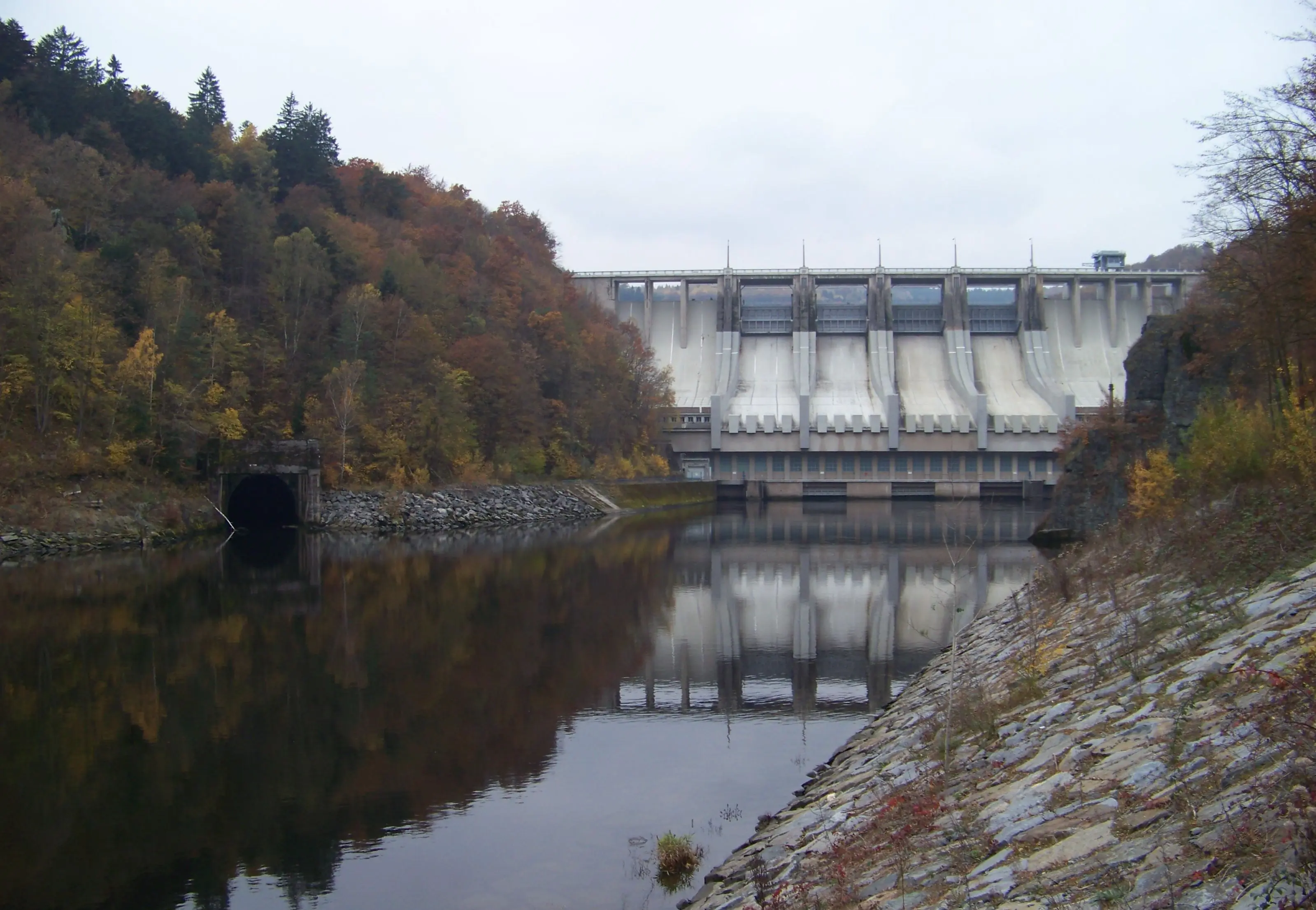
River ships moor alongside at the riverside landing; passengers walk ashore by gangway.
Choose the Right Port Day
Best Overall
Book a guided coach excursion through the cruise line if interested in regional towns (e.g., Aussig, Decin); do not attempt independent exploration.
Best Beach
Not relevant. Trebenice is a river port on the Elbe; no beaches exist.
With Kids
Keep kids on the ship. Onboard activity and the river scenery en route to Prague or beyond are the main attractions.
Only 3-4 Hours
Settle into your cabin, visit the ship's bars or restaurant, and prepare for departure. Do not plan to leave the port.
Cheapest Option
Stay aboard and enjoy complimentary ship amenities. Any independent excursion will require transport and guide fees (likely €40–80+ per person).
What To Avoid
Do not expect a proper port town or tourist attractions within walking distance. Trebenice is a docking point, not a destination.
Quick Take
- Port Type
- River embarkation port (Elbe River)
- Best For
- Embarkation/disembarkation days; very short visits only.
- Avoid If
- You expect independent sightseeing; port infrastructure and attractions are minimal.
- Walkability
- Limited; the settlement itself is small. No city center or downtown to explore on foot.
- Budget Fit
- Budget-neutral; expenses depend on whether you book excursions.
- Good For Short Calls?
- Poor. Use the time to board, settle, or depart. Independent exploration is not rewarding.
Top Things To Do
1
Český Krumlov Free Tour
Discover Český Krumlov on the Wiseman Free Tour, learn about the local unique history and admire one of the most picturesque places in the world. -…
1h 40mFree cancellation
2
Soviet Era Tour of Transnistria from Chisinau Moldova
All Transnistria in one trip! Tiraspol, Bendery fortress! Delve into Soviet-era history on this tour to Transnistria from Chisinau. Explore the hotly contested Republic of Transnistria,…
8hFree cancellation
Our picks in Trebenice
3
Organized regional coach excursion (Decin, Saxon Switzerland, or Aussig)
Most cruise lines offer guided half-day or full-day coach tours to nearby regional attractions. Decin has a riverside castle and gorge views; Saxon Switzerland (just across the German border) offers dramatic rock formations; Aussig is a historic riverside town. These are well-organized and stress-free compared to independent exploration.
4
Stay aboard and enjoy the ship
Trebenice's minimal attractions mean the ship itself is likely your best use of time. Relax at the pool, enjoy a meal, explore onboard entertainment, or watch the Elbe River and scenery from the deck.
Book with the ship, or on your own?
Booking independently
- Often noticeably cheaper than the ship’s version of the same tour.
- Smaller groups and local operators, with traveler reviews you can read before you pay.
- Free cancellation on most tours, usually up to 24 hours before.
When the ship’s excursion makes sense
- Short port calls or long transfers where the timing is tight.
- Tender-only stops where getting ashore can run late.
- The ship waits for its own delayed excursions — it won’t wait for independent ones, so leave a buffer before all-aboard.
Going independent? Compare tours in Trebenice → — the best-reviewed ones sell out first.
We may earn a commission when you book through our links, at no extra cost to you — it’s how we keep these guides free.
Check The Port Traffic
Cruise Ships in Port
Once you have your shore plan, use the schedule to see how busy the harbour will be on your date, plus the ships, lines, and published call windows.
Sun
Mon
Tue
Wed
Thu
Fri
Sat
1
2
3
4
5
6
7
8
9
10
11
12
13
14
15
16
17
18
19
20
21
22
23
24
25
26
27
28
29
30
31
Quiet (1–2)
Busy (3–4)
Packed (5+)
0 scheduled calls
October 15, 2026
No scheduled cruise ship calls were found for this date selection. Pick a highlighted day on the calendar above, widen the range, or search for a different ship or line.
Port Overview
Trebenice is a small working river port on the Elbe in northern Bohemia, Czechia, about 100 km downstream from Prague. Ships dock at anchorage or simple mooring facilities; this is primarily an embarkation and disembarkation point for Viking River Cruises, Uniworld, AmaWaterways, and other river cruise lines. The settlement itself has no meaningful tourist infrastructure, attractions, or walkable city center.
Most river cruises using Trebenice as a turnaround include Prague (either before or after the port call) as the main attraction. A few regional guided excursions may be offered (e.g., coach trips to nearby Saxon Switzerland or Decin), but independent shore exploration is not practical or rewarding. Plan your port day around boarding, settling in, or organized excursions only.
Is It Safe?
Trebenice is a small, quiet industrial settlement with no particular safety concerns for tourists, but it is not a tourist area and has no infrastructure for independent visitors. There are no police issues, but poor signage, language barriers, and lack of amenities make exploring alone inadvisable. Stick to the dock area or book an organized excursion. Standard river travel precautions apply; valuables should remain in your cabin.
Accessibility & Walkability
The dock and immediate surroundings are relatively flat and accessible for boarding/disembarkation. However, there are no sidewalks, shops, or public facilities within practical walking distance for passengers with mobility constraints. Wheelchair-accessible shore excursions should be coordinated with your cruise line in advance. Do not assume independent accessibility; the port is not designed for tourist foot traffic.
Outside the Terminal
Exiting the ship, you will see a small industrial dock area with minimal signage or infrastructure. The settlement beyond is quiet, with residential and industrial buildings scattered away from the river. There are no shops, cafés, or attractions visible from the dock. The landscape is pleasant (river and forested banks), but the port itself feels like a working facility, not a tourist destination.
Beaches Near the Port
Not applicable
Trebenice is an Elbe River port in Bohemia, not a coastal destination. The Elbe is not suitable for swimming due to river traffic, temperature, and water quality. No beaches exist within reasonable distance.
Local Food & Drink
Trebenice has no restaurants or cafés accessible to cruise passengers without a vehicle and Czech language skills. Eat onboard. If you book a regional excursion to Decin or a nearby town, the guide may include a lunch stop at a local restaurant (often included in excursion price or available for a supplemental fee). Czech cuisine features hearty pork, dumplings, and dark beer; quality is good but options at the port itself are nonexistent.
Shopping
There is no shopping infrastructure at Trebenice. No souvenir shops, supermarkets, or retail of any kind are within walking distance or practical reach. Do any essential shopping onboard or before arriving in Prague. If you book an excursion to a larger town like Aussig or Decin, limited shopping may be available but do not expect much.
Money & Currency
- Currency
- Czech Koruna (CZK)
- USD Accepted?
- No
- Card Payments
- Cards are not reliably accepted at this port; the settlement has no shops. Onboard payments are in your cruise currency.
- ATMs
- No ATMs at the port. Withdraw cash in Prague or another larger city before arrival.
- Tipping
- Tipping is not customary in Czechia but is appreciated in the tourism industry. Tip your cruise staff onboard as advised by your line.
- Notes
- Bring all cash and cards you need. The port is not set up for tourists and has no currency exchange.
Weather & Best Time
- Best months
- May–September
- Avoid
- November–March (cold, gray, rain, possible ice on river)
- Temperature
- May: 50–64°F (10–18°C); June–August: 64–75°F (18–24°C); September: 59–70°F (15–21°C)
- Notes
- River cruises typically run spring through fall. Shoulder seasons (May, September) are pleasant and less crowded. Winter cruises are rare due to water level and ice risk.
Airport Information
- Airport
- Václav Havel Airport Prague (PRG)
- Distance
- ~100 km (62 miles) upstream on the Elbe toward Prague
- Getting there
- Most river cruises include Prague hotel transfers and Prague airport transfers as pre/post-cruise options. A shuttle or coach typically departs the dock for Prague city center (1.5–2 hours by road) where you can connect to the airport via taxi, metro, or bus.
- Notes
- Do not plan to use Trebenice as an air hub. Arrange transfers through your cruise line. Prague is the nearest significant airport and is typically included as part of a cruise package.
Getting Around from the Port
Cruise line organized excursions
Coach or guided tours to regional towns (Aussig, Decin, Saxon Switzerland) are offered by most lines. Book through your cruise desk.
Taxi or ride-hailing
Taxis may be available at the dock (limited). Uber/Bolt coverage is sparse in this region.
Book a transfer 5% off with code TPO5 at checkoutWalking
The immediate dock area has no attractions. Walking into the village is monotonous and unsafe for unfamiliar routes.
Details last checked April 2026
Planning a cruise here?
Viking River Cruises, Uniworld, AmaWaterways & more sail to Trebenice.
Practical Tips for Cruise Passengers
- Trebenice is an embarkation/disembarkation port, not a destination. Do not book a day tour expecting to explore a town; your time is best spent boarding, unpacking, and settling into ship life.
- If offered, book the organized regional coach excursion through the cruise line (e.g., Decin, Saxon Switzerland) rather than attempt independent exploration; transport and guides are included, and you avoid language and navigation hassles.
- Bring sufficient cash (Czech Koruna) and any toiletries or medications you may need; the port has no shops, and Prague is a 1.5–2 hour drive away.
- Plan a pre- or post-cruise stay in Prague to maximize your time in Czechia; Trebenice itself offers nothing for independent sightseeing.
Frequently Asked Questions
Not practically. Trebenice is a small industrial port with no attractions, shops, or infrastructure within walking distance. Language barriers and poor signage make independent exploration unsafe and unproductive. Stay aboard or book an organized excursion.
Prague is ~100 km away (1.5–2 hours by road/coach) and is typically included as part of a river cruise itinerary before or after Trebenice. Decin (~30 km away) offers a castle and gorge and is available as an excursion. Independent travel to either is not practical from this port.
No. Eat onboard. There are no restaurants, cafés, or shops accessible to cruise passengers. If you book a regional excursion, lunch may be included or available for a fee at your destination.
Find cruises to Trebenice, Czechia
Compare sailings and book with no fees — best price guaranteed.
We may earn a commission when you book through our links, at no extra cost to you — it’s how we keep these guides free.
✉ Sailing to Trebenice? Get your port-day plan
Tell us your sail date and we’ll email you a short Trebenice plan about 60 days out — when the good excursions start selling out — plus a final checklist 2 weeks before. Two emails, then done. We’ll send one note to confirm it’s really you — unsubscribe anytime.
European River Cruises
View All
More European River Cruises Ports

European River Cruises

European River Cruises

European River Cruises
