


Northern Europe
Northern Europe
Trollfjord Cruise Port Guide: Tender Tips, Things to Do & What to Expect
Norway
Small port requires tender boats to reach shore; limited docking capacity.
Choose the Right Port Day
Best Overall
Book a 2–3 hour guided nature walk or kayak excursion through your cruise line. Maximizes fjord time, includes local context, and syncs with tender schedules.
Best Beach
Not relevant. Trollfjord is a deep, cold fjord with rocky shoreline; no swimmable beaches.
With Kids
Book a guided fjord walk or ranger-led nature talk if the ship offers; children enjoy the dramatic scenery and short, easy walks near the dock.
Only 3-4 Hours
Tender ashore, walk the settlement perimeter and along the fjord shore for views, return to tender before departure window closes.
Cheapest Option
Stay off the ship excursion list and walk independently along the fjord edge ($0). Bring warm layers and a map; infrastructure is minimal.
What To Avoid
Expecting shops, restaurants, or taxis. Trollfjord is primarily a viewing and hiking stop, not a service-oriented port. Do not linger far from the tender dock without checking return timing.
Quick Take
- Port Type
- Scenic Tender Port
- Best For
- Expeditions and scenic cruisers wanting Arctic landscapes; not urban explorers.
- Avoid If
- You need a full day ashore, extensive dining, shopping, or hate tendering.
- Walkability
- Very limited. Few roads; mostly hiking terrain or staying near the tiny settlement.
- Budget Fit
- Low-cost ashore if you skip excursions; hikes are free. Excursion prices $80–180 USD typical.
- Good For Short Calls?
- Ideal. Most calls are 4–6 hours; plenty of time for a structured walk or guided activity.
Top Things To Do
1
Trollfjord and Sea Eagle Safari Tour from Svolvaer
We are visiting the fantastic Trollfjord: The Trollfjord is one of the most visited nature attractions in Lofoten. The fjord is a sidearm the Raftsund east…
2h
2
Lofoten Island: Silent Trollfjord Cruise from Svolvær
Experience Lofoten's majestic Trollfjord in complete silence aboard Brim Explorers modern hybrid-electric ship. Discover new perspectives and explore this epic fjord in silence. Departing from Svolvær…
3h 30m
Our picks in Trollfjord
3
Fjord-edge walk and landscape viewing
Walk along the rocky shoreline or lower slopes to view steep cliffs, glacier remnants (depending on season), and the narrow water channel. No formal trail; follow cairns and visible worn paths.
4
Guided kayak excursion
Paddle into the fjord with a guide for intimate water-level views of cliffs and potential wildlife (sea eagles, occasionally seals). Expertise and safety gear included.
5
Higher-elevation hike (unguided)
Experienced hikers can ascend slopes for panoramic fjord and distant mountain views. Route-finding is your responsibility; bring a map or GPS. Exposed, windy, and time-consuming.
Show 1 more thing to do in Trollfjord
6
Ship-based ranger or naturalist talk
Some ships host onboard presentations about Arctic ecology, geology, and wildlife before or after the port call. Often included with expedition cruises.
Book with the ship, or on your own?
Booking independently
- Often noticeably cheaper than the ship’s version of the same tour.
- Smaller groups and local operators, with traveler reviews you can read before you pay.
- Free cancellation on most tours, usually up to 24 hours before.
When the ship’s excursion makes sense
- Short port calls or long transfers where the timing is tight.
- Tender-only stops where getting ashore can run late.
- The ship waits for its own delayed excursions — it won’t wait for independent ones, so leave a buffer before all-aboard.
Going independent? Compare tours in Trollfjord → — the best-reviewed ones sell out first.
We may earn a commission when you book through our links, at no extra cost to you — it’s how we keep these guides free.
Check The Port Traffic
Cruise Ships in Port
Once you have your shore plan, use the schedule to see how busy the harbour will be on your date, plus the ships, lines, and published call windows.
Sun
Mon
Tue
Wed
Thu
Fri
Sat
1
2
3
4
5
6
7
8
9
10
11
12
13
14
15
16
17
18
19
20
21
22
23
24
25
26
27
28
29
30
Quiet (1–2)
Busy (3–4)
Packed (5+)
0 scheduled calls
September 17, 2026
No scheduled cruise ship calls were found for this date selection. Pick a highlighted day on the calendar above, widen the range, or search for a different ship or line.
Port Overview
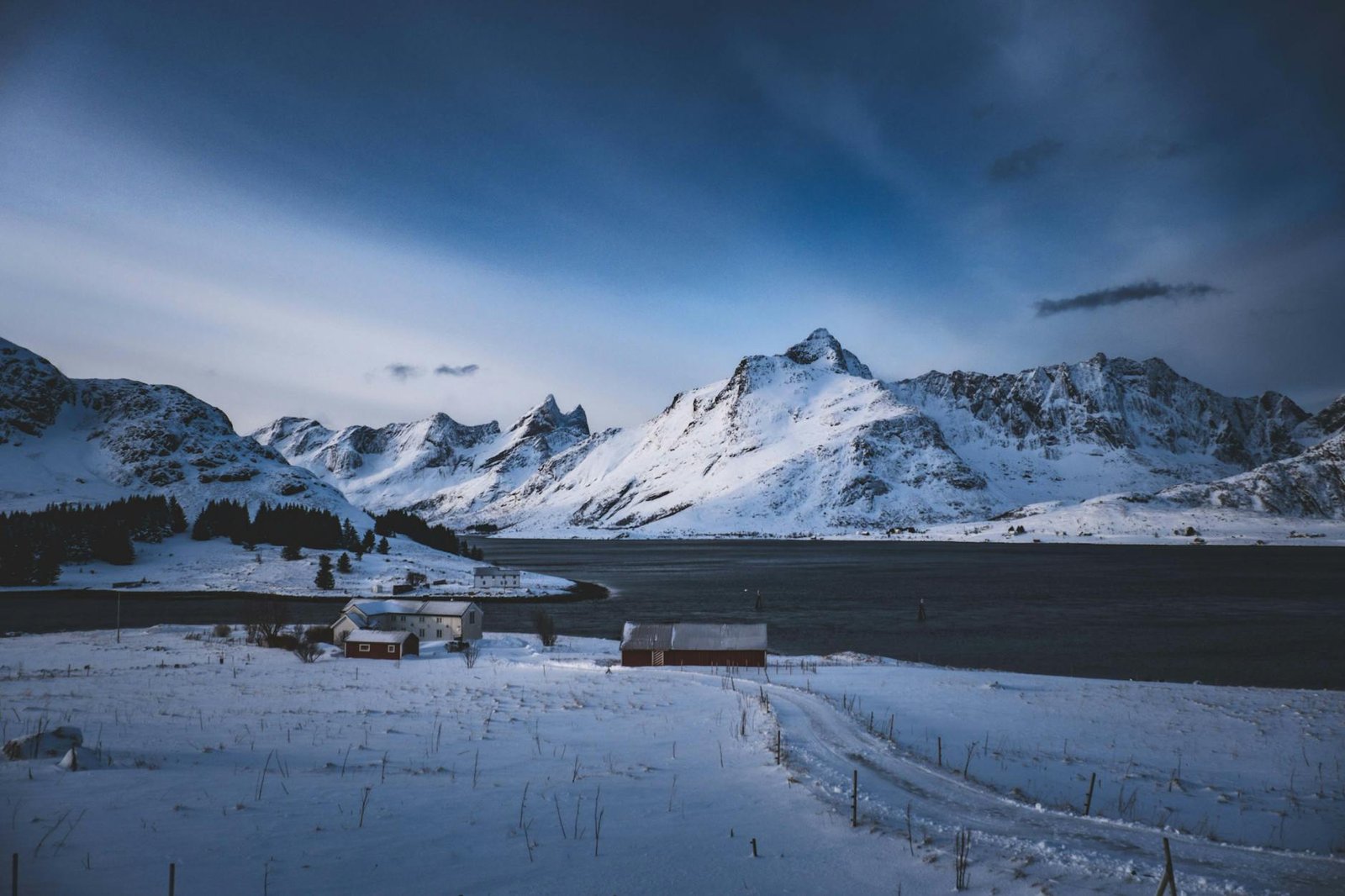
Trollfjord is a narrow, dramatic fjord in northeastern Lofoten Islands, Norway. Ships anchor offshore; all passengers tender ashore. The port is essentially a viewing and hiking stop with minimal permanent infrastructure—no shops, few buildings, and no transport links beyond walking. Cruisers land at a small floating dock or beach and have typically 4–6 hours to explore on foot, join a guided excursion, or simply absorb the Arctic scenery. This is an expedition-style port, popular with Hurtigruten, Ponant, Lindblad, and small-ship lines. Most visitors come for the landscape and wildlife, not activities or amenities.
Is It Safe?
Trollfjord is safe from crime; petty theft is not a concern. The primary hazard is terrain and weather. Cliffs are sheer and unstable; do not climb or venture onto loose scree. Weather changes rapidly; wind can be fierce and visibility poor. Fog is common in summer. Wear non-slip footwear, carry a headlamp, and stay aware of tide and slippery rock. The tender dock area is the only reliable communication zone; move away and cell service vanishes. If you join an independent walk, file a rough itinerary with someone aboard the ship. Hypothermia risk is real in the water; swimming is not safe.
Accessibility & Walkability
Trollfjord is not accessible for mobility-limited passengers. The tender may involve steps, ladders, or transfer platforms depending on tide and sea state. Once ashore, terrain is steep, uneven, and rocky with no paved surfaces or accessible trails. There are no wheelchair-accessible facilities. Guests with mobility concerns should remain aboard or arrange private excursions that offer alternative landing or viewing options from the ship itself.
Outside the Terminal
There is no terminal building. The tender lands at a floating dock or rocky beach. You step onto weathered dock planks or beach rocks into immediate Arctic air—cold even in July. A small ranger station or hut may be visible; otherwise, the landscape is raw granite, sparse vegetation, and water. No signage, no services, no welcoming infrastructure. The sense is expedition, not resort. Most passengers move away from the dock within minutes to walk or meet their excursion guide.
Local Food & Drink
There are no restaurants, cafés, or food vendors at Trollfjord. Bring snacks and water aboard the tender. Some ships provide packed lunches for long excursions; ask the shore excursion desk in advance. The ship's dining remains your primary food option; eat before tendering or return early for a meal.
Shopping
No shops exist at Trollfjord. Do not expect to buy souvenirs, supplies, or refreshments ashore. Some ships stock small gift stores; purchase any Arctic-related souvenirs aboard before disembarking.
Money & Currency
- Currency
- Norwegian Krone (NOK)
- USD Accepted?
- No
- Card Payments
- Not applicable; no vendors.
- ATMs
- None
- Tipping
- Not applicable ashore; tip crew aboard ship as normal.
- Notes
- Currency is irrelevant. Carry only personal ID and a headlamp if tendering solo. Leave valuables in your cabin.
Weather & Best Time
- Best months
- June–August for mild temps, nearly 24-hour daylight, and lower ice risk.
- Avoid
- September–May for severe cold, short days, and poor tender conditions.
- Temperature
- 50–60°F (10–16°C) in summer. Wind-chill often lower. Winter cruises see well below freezing and Arctic darkness.
- Notes
- Weather is highly changeable. Storms can close the fjord within hours. Always wear waterproof, insulating layers and prepare for conditions worse than the forecast suggests.
Airport Information
- Airport
- Harstad/Narvik Airport (EVE) or Bodø Airport (BOD)
- Distance
- 120–180 km
- Getting there
- Cruise lines arrange pre- or post-cruise transfers via bus or air from Harstad or Bodø. Most expeditions do not dock at Trollfjord for embarkation; it is a mid-itinerary port.
- Notes
- Trollfjord itself has no airport. Expect to join the cruise at a larger port (Tromsø, Harstad, or Bodø) and cruise north to Trollfjord as a highlight mid-voyage.
Getting Around from the Port
Tender (ship-provided)
All passengers use the ship's tender service. Boarding typically takes 30–45 min per rotation. Confirm tender schedule and return times before disembarking.
Walking from dock
Once ashore, all exploration is by foot. Trails are informal; no marked paths or infrastructure. Stick to visible, well-trodden routes.
Guided shore excursions
Ship offers walks, kayak trips, or nature talks led by local guides. Excursions sync with tender schedules and return on time.
Details last checked April 2026
Planning a cruise here?
Atlas Ocean Voyages sail to Trollfjord.
Practical Tips for Cruise Passengers
- Confirm tender return times before disembarking; do not rely on rough estimates. Ask the deck crew for the exact final tender departure and set a phone alarm.
- Pack a waterproof headlamp, map, compass or GPS device, and extra layers—fleece and windproof shell are essential, even in summer.
- Book guided excursions aboard the ship during embarkation; slots fill quickly and independent walking is recommended only for experienced hikers with navigation skills.
- Eat a substantial breakfast aboard before tendering; food ashore is non-existent, and the cold and exertion consume calories rapidly.
Frequently Asked Questions
Yes. Many older passengers or those with mobility issues remain aboard. The ship typically offers open deck viewing and briefings during the port call. Tender suspension due to weather means you stay aboard anyway—have a backup plan.
For scenic and expedition cruisers, yes—it's a highlight. For urban explorers, shoppers, or beach seekers, no. Be honest about your interests before the cruise.
Swimming is unsafe due to cold water and currents. Independent kayaking is not recommended without local knowledge. Use ship-organized excursions for safety and liability reasons.
Find cruises to Trollfjord, Norway
Compare sailings and book with no fees — best price guaranteed.
We may earn a commission when you book through our links, at no extra cost to you — it’s how we keep these guides free.
✉ Sailing to Trollfjord? Get your port-day plan
Tell us your sail date and we’ll email you a short Trollfjord plan about 60 days out — when the good excursions start selling out — plus a final checklist 2 weeks before. Two emails, then done. We’ll send one note to confirm it’s really you — unsubscribe anytime.
Northern Europe
View All
More Northern Europe Ports

Northern Europe

Northern Europe

Northern Europe
