Northern Europe
Northern Europe
Isle of Coll Cruise Port Guide: Walkability, Local Pubs & What to Expect
Scotland
Ships anchor offshore; tenders required to reach the small pier at Arinagour.
Choose the Right Port Day
Best Overall
Land at Arinagour, spend 30 min in the village, then do a 2–3 hour coastal or inland walk (e.g., to Feall Bay or north to Totaig) at your own pace. Stop for a pub meal or coffee. This captures authentic island rhythm without commercial pressure.
Best Beach
Feall Bay (southwest coast)—sandy, dramatic, often windy; good for photography and solitude, not swimming comfort. Walk 2–3 km south from Arinagour.
With Kids
Walk to Arinagour, explore the small harbor and village, stop at Island Café for snacks. Older kids may enjoy a coastal walk toward Feall or Totaig Bay; terrain is easy but exposed and muddy after rain.
Only 3-4 Hours
Skip tender wait stress. Stay aboard, enjoy ship amenities, or use cabin time. If you go ashore, walk to Arinagour village and one local pub (e.g., Island Café or Coll Hotel bar) for a drink and chat, then return.
Cheapest Option
Free. Tender back and forth (included with cruise), walk the island, visit a pub (drink ~£3–5 GBP), return. No paid attractions.
What To Avoid
Do not expect restaurants, shops, or museums. Do not arrive expecting organized excursions unless pre-booked with your cruise line. Wet weather can make walks unpleasant and bog-heavy—pack waterproofs.
Quick Take
- Port Type
- Remote expedition anchor port
- Best For
- Independent walkers, nature-focused travelers, those on Hurtigruten/Ponant itineraries seeking authentic Hebridean atmosphere without infrastructure demands
- Avoid If
- You need shops, restaurants, or structured shore excursions; prefer drivable distances to attractions; dislike wet, windy weather or tender uncertainty
- Walkability
- Very high—flat, compact island easily explored on foot; roads are rural and quiet but navigable
- Budget Fit
- Low cost; one or two island pubs, no commercial attractions, bring cash
- Good For Short Calls?
- Poor—tender may take 15–30 min each way; 3 hours ashore is tight. Best with 6+ hours
Top Things To Do
1
Arinagour village and harbor walk
Stroll the village, peek at the harbor, chat with locals in the Island Café or Coll Hotel, observe traditional Hebridean settlement character. No structured activity, but honest community immersion.
2
Feall Bay and southwest coastal walk
Sandy beach backed by moorland, dramatic and windswept. Walk south from Arinagour through moorland; Feall is about 2 km. Good for photography and solitude. Swimming not recommended due to cold water and exposure.
3
North island moorland and Totaig Bay
Longer walk (4+ km) north and east through empty moorland to Totaig Bay. Very remote and scenic. Navigation can be tricky in poor visibility; carry a map or GPS.
Book with the ship, or on your own?
Booking independently
- Often noticeably cheaper than the ship’s version of the same tour.
- Smaller groups and local operators, with traveler reviews you can read before you pay.
- Free cancellation on most tours, usually up to 24 hours before.
When the ship’s excursion makes sense
- Short port calls or long transfers where the timing is tight.
- Tender-only stops where getting ashore can run late.
- The ship waits for its own delayed excursions — it won’t wait for independent ones, so leave a buffer before all-aboard.
We may earn a commission when you book through our links, at no extra cost to you — it’s how we keep these guides free.
Check The Port Traffic
Cruise Ships in Port
Once you have your shore plan, use the schedule to see how busy the harbour will be on your date, plus the ships, lines, and published call windows.
Sun
Mon
Tue
Wed
Thu
Fri
Sat
1
2
3
4
5
6
7
8
9
10
11
12
13
14
15
16
17
18
19
20
21
22
23
24
25
26
27
28
29
30
Quiet (1–2)
Busy (3–4)
Packed (5+)
0 scheduled calls
September 10, 2026
No scheduled cruise ship calls were found for this date selection. Pick a highlighted day on the calendar above, widen the range, or search for a different ship or line.
Port Overview
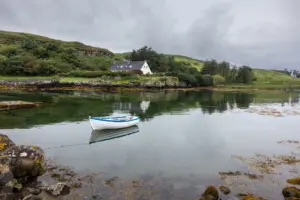
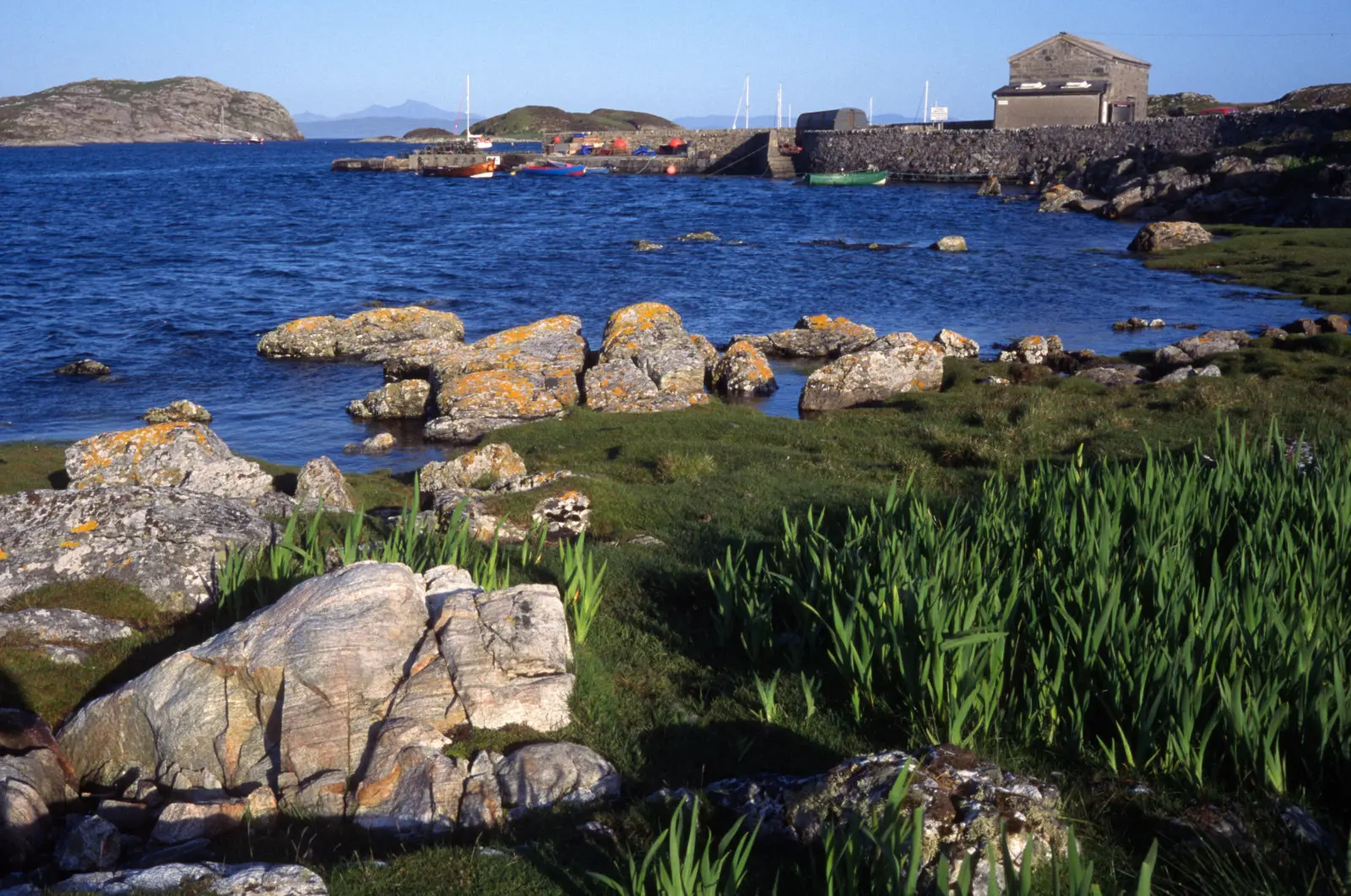
Isle of Coll is a tiny, remote Hebridean island in the Inner Hebrides, north of Mull. Ships anchor in Loch Eatharna (near Arinagour, the only village) and tender passengers ashore. There are no shops, restaurants (beyond two small pubs/cafés), museums, or organized attractions—this is a port for walkers and those seeking solitude and genuine Hebridean culture.
Most cruisers here are on small-ship expeditions (Hurtigruten, Ponant, Lindblad) where the itinerary emphasizes landscape and local immersion over activities. The island is flat, treeless moorland, sandy bays, and rocky headlands. A short visit (3–4 hours with tender) is rushed; six or more hours allows real exploration.
If you enjoy quiet walks, pub conversations, and landscape photography, Coll is rewarding. If you need shops, restaurants, or structured entertainment, skip the tender. Weather is often wet and windy; pack accordingly.
Is It Safe?
Isle of Coll is very safe. Crime is virtually nonexistent. The main hazards are weather and isolation. Winds are common and can be severe; dress warmly and in layers. Terrain is boggy and muddy; sturdy waterproof footwear is essential. Mobile signal is patchy; do not rely on your phone for navigation. The sea around the island is cold; do not swim unless you are an experienced open-water swimmer and are supervised. If you venture far from Arinagour, let someone know where you are going and when you expect to return.
Accessibility & Walkability
Arinagour village and the immediate pier area are reasonably accessible for basic mobility. The pub (Coll Hotel) has level entry. However, most of the island is rough moorland with no paved paths, uneven terrain, gates, and muddy ground—not suitable for wheelchair users or those with limited mobility. A short stroll around the village and harbor is possible; anything beyond requires full walking capability and appropriate footwear.
Outside the Terminal
You will land at or near Arinagour pier, a simple concrete dock. The village is a cluster of a dozen or so whitewashed houses, a small school, two pubs/cafés, and a church. The scene is quiet, rural, and windswept. There is no formal terminal building—you walk directly onto the pier and into open moorland. The first impression is one of isolation and authenticity; do not expect signage, information, or commercial bustle. The village sits on a gentle slope above the pier; the walk up takes 5 min.
Beaches Near the Port
Feall Bay
Sandy beach on the southwest coast, scenic and wild. Often windy. Good for photography; swimming not advisable due to cold Atlantic water and exposure.
Totaig Bay
Sandy cove on the northeast coast, remote and dramatic. Longer walk required. Very quiet and scenic.
Arinagour harbor beach (minor)
Small pebbly beach adjacent to the village pier. Mostly for visual interest rather than swimming or sunbathing. Cold, shallow, and busy with local activity.
Local Food & Drink
Isle of Coll has two modest food options: the Island Café (Arinagour) and the Coll Hotel bar/restaurant. Both serve simple, locally-sourced fare—soups, sandwiches, stews, fresh fish—and soft drinks, tea, coffee, and beer. Expect to pay £8–16 GBP for a meal. Neither requires reservations and both are casual. Hours may vary; your cruise line will advise. If you have dietary restrictions or expect fine dining, you will be disappointed—bring snacks from the ship if needed. A packed lunch or sandwich from the ship is a safe option for longer walks.
Shopping
There is one small general store (opening hours variable) in Arinagour. Expect very limited stock: milk, bread, newspapers, basic groceries, some local crafts. No pharmacies, no clothing shops, no tourist souvenirs in any organized sense. If you need anything beyond the basics, bring it from the ship. The pubs may have a small range of local spirits or craft beers for purchase; these are your best "souvenir" option.
Money & Currency
- Currency
- British Pounds (GBP)
- USD Accepted?
- No
- Card Payments
- Cards accepted at the Coll Hotel and Island Café, but cash (GBP) is safer. ATMs are not reliably available on the island.
- ATMs
- None reliably on the island. Withdraw cash before arriving or ask your cruise line for options.
- Tipping
- Optional; 10% is appreciated at pubs and cafés, especially if service is notable. Cash tips preferred.
- Notes
- Bring GBP cash. Cards work at the main venues but are not universal. Do not assume you can pay by card everywhere.
Weather & Best Time
- Best months
- June–August (coolest winds, most daylight; 12–16 °C / 54–61 °F)
- Avoid
- November–February (short days, frequent gales, 3–8 °C / 37–46 °F)
- Temperature
- May–September: 8–16 °C (46–61 °F); rain and wind common year-round
- Notes
- Coll is windy and wet most of the year. Pack a strong waterproof jacket, warm layers, and sturdy boots. Sunshine is brief and scattered; do not expect Mediterranean warmth. Summer offers longer daylight and marginally calmer weather; shoulder seasons (May, September) are also reasonable for hardy travelers.
Airport Information
- Airport
- No airport on Isle of Coll
- Distance
- Not applicable
- Getting there
- Coll is served by ferry from Mull (Tobermory). Mull has no airport either. Nearest airports with scheduled service are Islay (east to ferry) or Oban Airport on the mainland (requires multiple ferry legs and 3–5 hours total travel). Most cruisers arrive and depart via the cruise ship; pre- or post-cruise stays on Coll are difficult.
- Notes
- Coll is not a practical port for independent arrival or pre-cruise stays. Use your cruise itinerary as the primary access method.
Getting Around from the Port
Tender from ship to Arinagour pier
Small inflatable or ship's tender runs from the anchored vessel to the village. May be weather-dependent and subject to cancellation in heavy swells.
Walking
Coll is compact and flat. Roads are single-track, rural, and mostly quiet. Walking the island is the primary way to explore; no need for rentals or taxis unless pre-booked.
Bicycle rental
Check with your cruise line or village pub (Island Café, Coll Hotel) in advance for bike rental availability. Not reliably available; do not assume.
Details last checked April 2026
Planning a cruise here?
Hurtigruten, Ponant, Lindblad Expeditions & more sail to Isle of Coll.
Practical Tips for Cruise Passengers
- Confirm tender operations with your cruise director the evening before. Rough seas can cancel tenders with little warning—have a backup ship-board plan.
- Bring GBP cash (at least £20–30) and sturdy waterproof boots. There are no ATMs on the island, and the terrain demands good footwear.
- Walk with a map or GPS, especially if venturing beyond Arinagour. Moorland can look featureless in poor visibility, and you may lose your bearings.
- Chat with locals in the pubs and café. They are welcoming and can offer insights into island life and walking routes that are not in any guidebook.
- If you have 4 hours or less ashore, focus on Arinagour and one pub visit. Do not rush a long walk; the island rewards a slower pace.
Frequently Asked Questions
No. You land at the simple Arinagour pier and walk directly into the village. There is no formal terminal, information booth, or services desk. Come ashore prepared with a map, cash, and realistic expectations.
Taxi service is not reliably available without advance booking through your cruise line. Car rental is not a practical option for a port day. Walking and possibly a pre-booked bike are the only options.
You will remain on the ship. Rough seas are common around Coll; cancellations happen. Most cruisers are aware of this risk and plan accordingly. Your cruise line will inform you if conditions prevent tendering.
Find cruises to Isle of Coll, Scotland
Compare sailings and book with no fees — best price guaranteed.
We may earn a commission when you book through our links, at no extra cost to you — it’s how we keep these guides free.
✉ Sailing to Isle of Coll? Get your port-day plan
Tell us your sail date and we’ll email you a short Isle of Coll plan about 60 days out — when the good excursions start selling out — plus a final checklist 2 weeks before. Two emails, then done. We’ll send one note to confirm it’s really you — unsubscribe anytime.
Northern Europe
View All
More Northern Europe Ports
Northern Europe

Northern Europe
Northern Europe