European River Cruises
European River Cruises
Gambsheim Cruise Port Guide: Things to Do, Transport & Practical Tips
France
Gambsheim features a modern river cruise terminal with direct pier access suitable for smaller river cruise vessels on the Rhine.
Choose the Right Port Day
Best Overall
A self-guided half-day in Strasbourg is the clear winner. Skip the ship's organized excursion if you're comfortable navigating independently — you'll save money and move at your own pace.
Best Beach
Not relevant — Gambsheim is an inland Rhine river port with no beach access.
With Kids
Head to Strasbourg's Petite France neighborhood, which has canals, bridges, and open squares that kids can explore easily on foot without a structured tour.
Only 3-4 Hours
Grab a taxi or rideshare to Strasbourg (about 20-25 minutes), walk straight to the Grande Île, spend an hour in the cathedral area, stroll Petite France, grab a tarte flambée lunch, then return. That is a tight but satisfying half-day.
Cheapest Option
Take a local bus or shared taxi to Strasbourg, walk the old town for free, and eat at a casual winstub (Alsatian bistro) for around $15-25 USD per person including a drink.
What To Avoid
Don't stay in Gambsheim village expecting much — there is almost nothing tourist-facing there. Also avoid overloading the day with multiple Strasbourg museums; the outdoor old town experience is far more rewarding in limited time.
Quick Take
- Port Type
- Rhine River Departure & Overnight Stop
- Best For
- Cruisers using Gambsheim as a gateway to Strasbourg or as an embarkation point
- Avoid If
- You want a self-contained port day with shops, beaches, or attractions within walking distance
- Walkability
- Very low — the village itself is small and quiet with little for tourists on foot
- Budget Fit
- Good if you head to Strasbourg independently by taxi or bus rather than booking ship excursions
- Good For Short Calls?
- Yes — half a day in Strasbourg is entirely realistic and worth the effort
Top Things To Do
1
Strasbourg Grande Île and Cathedral
Strasbourg's UNESCO-listed island center is the undisputed highlight for any cruiser reaching this port. The Gothic cathedral is genuinely jaw-dropping, the surrounding medieval streets are well-preserved, and it never feels like a theme park. Allow time to climb the cathedral tower for Rhine plain views if your fitness allows.
2
Petite France District
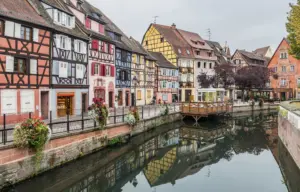
The canal-laced tanner's quarter of Strasbourg is the city's most photogenic neighborhood. Half-timbered houses, lock gates, and covered bridges make it ideal for a slow wander. It connects naturally to the Grande Île walk so you can cover both in one visit.
3
Alsatian Wine and Food at a Winstub
Strasbourg has a strong local food culture built around Alsatian classics — tarte flambée, choucroute garnie, Munster cheese, and Riesling. A traditional winstub (wine tavern) is the best way to experience it without a fuss. Lunch is typically quicker and cheaper than dinner.
Show 2 more things to do in Gambsheim
4
Strasbourg European Institutions Quarter
The Neustadt district and European Parliament area give a completely different side of Strasbourg — wide 19th-century boulevards, grand civic architecture, and a sense of the city as Europe's political hub. A pleasant 20-minute walk from the old town and worth it if you have time.
5
Rhine Cycle Path Walk or Cycle Near Gambsheim
If you prefer to stay close to the ship or want a gentle morning activity before an afternoon departure, the EuroVelo 15 Rhine cycling path near the dock offers flat riverside walking and cycling through quiet Alsatian countryside. Not exciting, but peaceful and easy.
Book with the ship, or on your own?
Booking independently
- Often noticeably cheaper than the ship’s version of the same tour.
- Smaller groups and local operators, with traveler reviews you can read before you pay.
- Free cancellation on most tours, usually up to 24 hours before.
When the ship’s excursion makes sense
- Short port calls or long transfers where the timing is tight.
- Tender-only stops where getting ashore can run late.
- The ship waits for its own delayed excursions — it won’t wait for independent ones, so leave a buffer before all-aboard.
We may earn a commission when you book through our links, at no extra cost to you — it’s how we keep these guides free.
Check The Port Traffic
Cruise Ships in Port
Once you have your shore plan, use the schedule to see how busy the harbour will be on your date, plus the ships, lines, and published call windows.
Sun
Mon
Tue
Wed
Thu
Fri
Sat
1
2
3
4
5
6
7
8
9
10
11
12
13
14
15
16
17
18
19
20
21
22
23
24
25
26
27
28
29
30
Quiet (1–2)
Busy (3–4)
Packed (5+)
0 scheduled calls
September 21, 2026
No scheduled cruise ship calls were found for this date selection. Pick a highlighted day on the calendar above, widen the range, or search for a different ship or line.
Port Overview
Gambsheim is a small commune on the west bank of the Rhine in Alsace, roughly 20 kilometres north of Strasbourg. River cruise ships — Viking, AmaWaterways, Emerald, Avalon, Scenic, Tauck, Univworld, APT, and Riviera Travel among them — dock here primarily because the Gambsheim lock and dam make it a convenient and safe overnight or embarkation mooring point. The village itself is quiet and residential, not a tourist destination in any conventional sense.
If your ship is docked here, treat it as a logistics base, not a destination. The real draw is Strasbourg, one of the finest medieval cities in France and well within reach in under 30 minutes by road. The Alsatian capital's cathedral, Petite France district, and excellent food scene more than justify the effort of getting there.
For cruisers embarking or disembarking here, Strasbourg Airport is the logical gateway. The dock itself is a straightforward pier with no terminal facilities to speak of — just the river, flat farmland, and your ship. Plan your time accordingly.
Is It Safe?
Gambsheim and the surrounding Alsace region are very safe by any standard. Crime targeting tourists is not a known issue here. The dock area is quiet and unmanned beyond ship staff. Standard common-sense precautions apply in Strasbourg — watch your belongings in crowded tourist areas around the cathedral — but serious safety concerns are minimal. This is a relaxed rural French region.
Accessibility & Walkability
The dock is a flat river pier with no significant elevation change at the mooring point itself. The area around the dock is flat farmland, which is manageable for wheelchair users in terms of terrain. However, getting to Strasbourg requires vehicle transport, and parts of Strasbourg's old town have cobblestone streets that are challenging for wheelchairs or mobility aids. Petite France in particular has uneven surfaces. If accessibility is a concern, confirm transport and Strasbourg route options with your cruise line before going independently.
Outside the Terminal
Step off the ship and you are immediately in a quiet Rhine-side setting — flat, green, and very calm. There is no terminal building, no commercial strip, no taxis waiting, and no obvious orientation signage for independent travelers. It looks and feels like a working river dock in a small farming village, because that is exactly what it is. If your ship hasn't arranged a shuttle, you will need to have your transport pre-booked before stepping ashore.
Local Food & Drink
There is no restaurant scene in Gambsheim itself worth planning around. Your food options are almost entirely in Strasbourg. Alsatian cuisine is one of the genuinely distinctive regional cooking traditions in France — heavily influenced by German neighbors but distinctly French in execution. Tarte flambée (crispy flatbread with crème fraîche, onions, and lardons) is the thing to order. Winstubs are the right venue: informal, good value, no fuss. Avoid the most tourist-facing places immediately around the cathedral square and walk one or two streets back for better quality and better prices. If your ship docks overnight, the onboard dinner in port is often the most practical option.
Shopping
Shopping in Gambsheim is nonexistent for tourists. In Strasbourg, the pedestrian zones around Place Kléber and Rue des Grandes Arcades have mainstream French retail and some local Alsatian specialty shops selling pottery, Riesling, and gingerbread. Strasbourg is not a major shopping destination compared to Paris or even Colmar, but if you want to pick up a bottle of local wine or some foie gras to take home, you can find quality options in the old town.
Money & Currency
- Currency
- Euro (EUR)
- USD Accepted?
- No
- Card Payments
- Good in Strasbourg; limited to nonexistent in Gambsheim village
- ATMs
- ATMs available in Strasbourg city center; none expected at the dock
- Tipping
- Not mandatory in France; rounding up or leaving 5-10% is appreciated in restaurants
- Notes
- Carry some euros in cash for taxis, small cafés, or market purchases. Credit cards are widely accepted in Strasbourg shops and restaurants.
Weather & Best Time
- Best months
- May, June, September, October
- Avoid
- January and February can be cold and grey; July and August are warm but busy in Strasbourg
- Temperature
- 15-25°C (59-77°F) during spring and autumn river cruise season
- Notes
- Alsace has a semi-continental climate — warmer summers and colder winters than coastal France. Rain is possible year-round. A light layer is useful even in summer evenings on the river.
Airport Information
- Airport
- Strasbourg Airport (Aéroport de Strasbourg)
- Distance
- Approx. 15-20 km from Gambsheim
- Getting there
- Taxi (20-25 minutes), or train from Strasbourg city center to airport (9 minutes on the dedicated shuttle train)
- Notes
- Strasbourg Airport is the logical gateway for embarkation and disembarkation. EuroAirport Basel-Mulhouse-Freiburg is also used for Rhine itineraries starting or ending further south.
Getting Around from the Port
Taxi or rideshare to Strasbourg
The most practical option. Taxis can usually be arranged through the ship or called directly. Rideshare apps also work in this area.
Check Uber fareShip-organized shuttle or excursion
Most river cruise lines offer a Strasbourg excursion or shuttle from Gambsheim. Convenient but more expensive than going independently.
Book a transfer 5% off with code TPO5 at checkoutLocal bus
There are infrequent local bus connections toward Strasbourg from surrounding villages, but schedules are not reliable for cruise day use.
Book bus ticketsCycling
The Rhine cycling path (EuroVelo 15) passes near Gambsheim and connects to Strasbourg, but it is a 20+ km ride each way.
Details last checked April 2026
Planning a cruise here?
CroisiEurope sail to Gambsheim.
Practical Tips for Cruise Passengers
- Pre-book your taxi to Strasbourg before docking — there are no taxis waiting at the Gambsheim dock and calling one on the spot wastes time from your limited port day.
- If your ship offers a Strasbourg shuttle, compare its schedule and cost against a private taxi split among 3-4 passengers — independent often wins on both flexibility and price.
- Strasbourg's old town is very walkable once you're there; wear comfortable shoes because you will be on your feet for hours on mixed terrain including some cobblestones.
- Tarte flambée is typically a lunch dish — many winstubs switch to full dinner menus in the evening, so plan your food stop around midday for the best casual experience.
- If you are embarking or disembarking at Gambsheim, build in at least one full day in Strasbourg before or after your cruise — the city rewards more than a rushed port stop.
- Check your ship's all-aboard time carefully and factor in 30-35 minutes of travel time back from Strasbourg to avoid cutting it close.
Frequently Asked Questions
Very little from a tourist perspective. It is a quiet residential village with a river lock and small community. Almost all worthwhile shore activities require heading to Strasbourg.
About 20 km by road, which takes 20-30 minutes by taxi depending on traffic. It is a straightforward and manageable journey for a port day.
Yes, most lines including Viking, AmaWaterways, and Avalon include or offer Strasbourg excursions when docking here. Check your cruise itinerary as Strasbourg is sometimes listed as the excursion destination rather than Gambsheim.
It is used as a docking stop and sometimes embarkation point for Rhine itineraries, though Strasbourg itself is more commonly listed as the official start or end city. Confirm logistics with your cruise line.
Not really. The Rhine cycling path is immediately accessible and pleasant for a stroll, but there are no shops, restaurants, or attractions within a reasonable walking distance of the dock.
Find cruises to Gambsheim, France
Compare sailings and book with no fees — best price guaranteed.
We may earn a commission when you book through our links, at no extra cost to you — it’s how we keep these guides free.
✉ Sailing to Gambsheim? Get your port-day plan
Tell us your sail date and we’ll email you a short Gambsheim plan about 60 days out — when the good excursions start selling out — plus a final checklist 2 weeks before. Two emails, then done. We’ll send one note to confirm it’s really you — unsubscribe anytime.
Same itinerary network
View All
Ports Often Paired With Gambsheim

European River Cruises

European River Cruises

European River Cruises