
Northern Europe
Northern Europe
Matua Island Kurils Cruise Port Guide: Things to Do & Practical Tips
Russia
Ships anchor offshore; tender boats required for passenger transfer.
Choose the Right Port Day
Best Overall
Volcanic crater hike with photography stops. This is why most cruisers stop here—raw, dramatic geology and isolation.
Best Beach
Not applicable. Matua has rocky shores and black sand beaches suitable only for landing; no swimming or leisure beach time.
With Kids
Not recommended. Zodiac transfers are rough, terrain is hazardous, and there are no kid-focused facilities or shelter.
Only 3-4 Hours
Land by Zodiac, hike to the rim of one of the volcanic craters (allow 90 min round trip), photograph the caldera and surrounding islands, return to tender.
Cheapest Option
No optional expenses. You are already on an expedition cruise; all activities and Zodiac access are included.
What To Avoid
Expecting established trails, shops, or reliable weather. Matua is weather-dependent; landings may be cancelled. Do not assume you will get ashore.
Quick Take
- Port Type
- Remote expedition anchorage
- Best For
- Nature photographers, volcanology enthusiasts, hardy explorers comfortable with Zodiac tenders and minimal facilities
- Avoid If
- You need shops, restaurants, hot showers, or predictable weather; mobility issues make small-boat transfers risky
- Walkability
- Limited. Zodiac landings only; volcanic terrain is rough and uneven. No established trails or town.
- Budget Fit
- All-inclusive expedition cruise only; no independent shore costs once landed
- Good For Short Calls?
- Yes. Most visits are 3–5 hours ashore via tender.
Port Overview
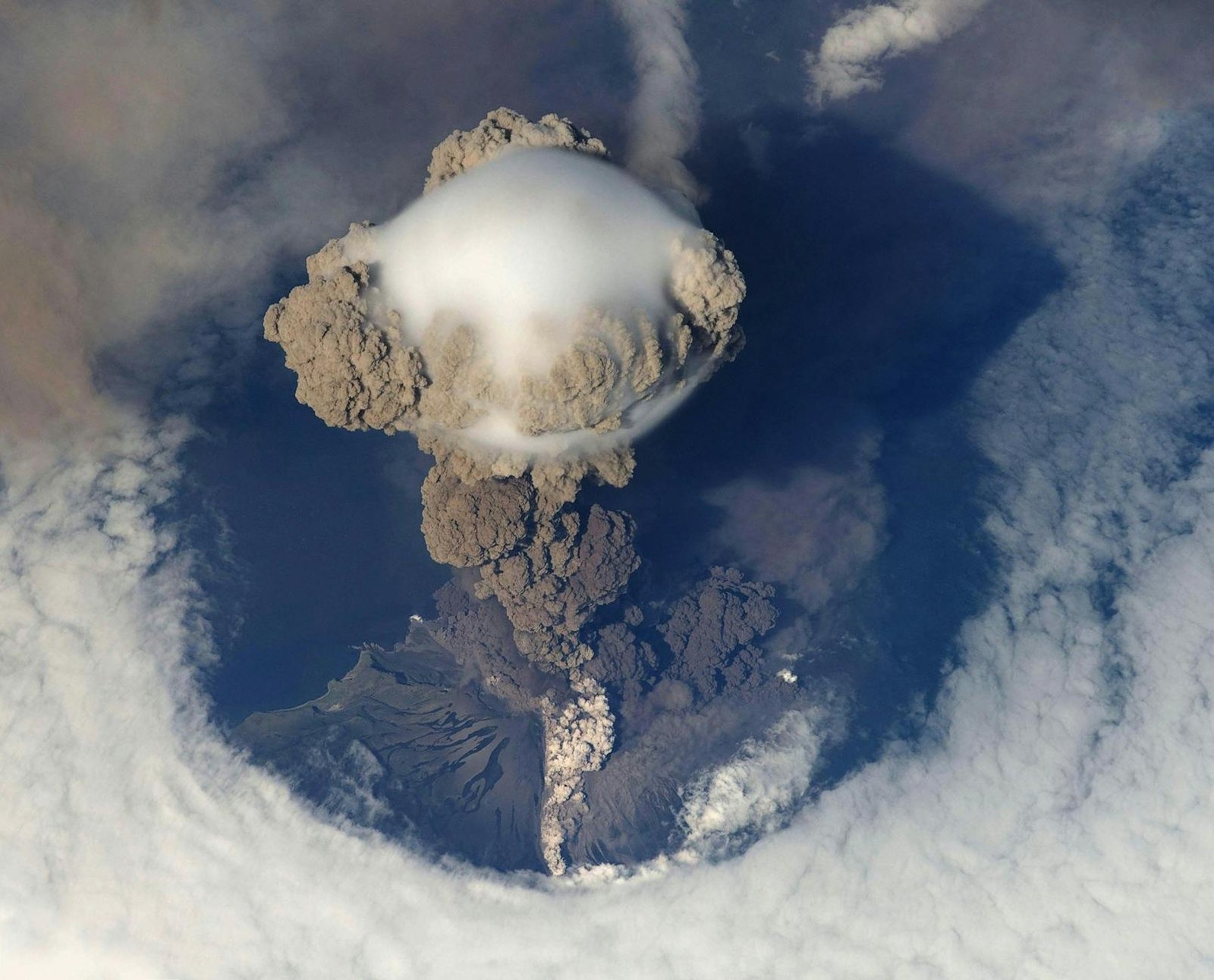
Matua is an uninhabited volcanic island in the central Kurils, part of the Russian Far East archipelago stretching between Kamchatka and Hokkaido. Ships anchor offshore; all landings are by Zodiac tender only. The island is a geological showcase—home to two calderas, volcanic cones, and sparse sub-Arctic vegetation. There are no settlements, services, or infrastructure ashore. Access is restricted and available only via expedition cruise operators (Ponant, Hurtigruten, Lindblad, Quark, etc.), typically as part of a multi-day Kurils or Russia Far East itinerary. Most visits last 3–5 hours and focus on hiking, photography, and natural history. Weather and sea conditions often dictate whether landing is possible.
Top Things To Do
1
Crater rim hike and volcanic geology walk
Guided hike to the rim of one of Matua's calderas, with views into the crater and across the Kurils chain. Naturalists explain the volcanic history and geomorphology. Bring a camera and patience for photography stops.
2
Wildlife observation and natural history interpretation
Spot seabirds (puffins, auklets, eagles), observe volcanic plant succession, and listen to ship naturalists explain the Kurils' ecology and geopolitical history. Good for binoculars and note-taking.
3
Photography and landscape documentation
Matua offers striking volcanic and oceanic vistas with minimal human intrusion. Dramatic lighting, isolation, and raw geology attract serious photographers. Ample time is usually built into itineraries for setup and waiting for light.
Book with the ship, or on your own?
Booking independently
- Often noticeably cheaper than the ship’s version of the same tour.
- Smaller groups and local operators, with traveler reviews you can read before you pay.
- Free cancellation on most tours, usually up to 24 hours before.
When the ship’s excursion makes sense
- Short port calls or long transfers where the timing is tight.
- Tender-only stops where getting ashore can run late.
- The ship waits for its own delayed excursions — it won’t wait for independent ones, so leave a buffer before all-aboard.
We may earn a commission when you book through our links, at no extra cost to you — it’s how we keep these guides free.
Is It Safe?
Matua is remote and pristine but poses real hazards. Volcanic terrain is unstable; footing can be treacherous on loose rock and wet surfaces. Weather changes rapidly; fog, wind, and cold are common even in summer (June–September). Zodiac transfers can be rough in swells; seasickness is likely if you are prone. There are no medical facilities ashore; evacuation relies on the ship. Be honest about your fitness level and sea-legs tolerance before signing up for Kurils itineraries. Follow all ship-led briefings and stay with designated groups.
Accessibility & Walkability
Matua is not accessible for people with mobility issues. Zodiac transfers are steep, wet, and require self-boarding. Volcanic terrain is uneven and requires scrambling over rocks. No paved surfaces, handrails, or facilities exist ashore. Wheelchair users and those with balance problems should not attempt landing.
Outside the Terminal
There is no terminal. Upon successful Zodiac landing, you step onto black sand or rocky shore surrounded by volcanic rock, sparse vegetation, and open ocean. The landscape is stark and treeless. Sky, rock, and sea dominate. The absence of human infrastructure can feel both exhilarating and isolating. Guides typically brief the group immediately on the landing site before dispersing to hikes or photography spots.
Beaches Near the Port
Black sand landing beaches
Matua has rocky and black sand shores used for Zodiac landings. Not suitable for swimming or leisure; purely functional.
Local Food & Drink
No food services exist ashore. All meals are aboard your ship. Some expedition cruises offer packed snacks or a thermos of hot tea to bring ashore, depending on the itinerary and weather. Eat well before landing and carry water. The ship's galley is your sole dining option; it is usually open 24/7 on expedition cruises to accommodate varying schedules and weather delays.
Shopping
There are no shops, vendors, or souvenirs on Matua. Bring everything you need ashore—water, layers, sunscreen, insect repellent, and medications. The ship's small gift shop (common on expedition vessels) is your only place to buy last-minute items or Kurils-themed souvenirs before or after the visit.
Money & Currency
- Currency
- Russian ruble (RUB)
- USD Accepted?
- No
- Card Payments
- Not applicable; no commerce ashore
- ATMs
- None
- Tipping
- Not applicable; all services included in cruise
- Notes
- No transactions occur ashore. Carry nothing of value on Zodiac transfers; risk of loss in rough seas is real.
Weather & Best Time
- Best months
- July–August (peak summer)
- Avoid
- November–April (ice, extreme cold, darkness)
- Temperature
- June–September; 8–15°C (46–59°F); frequent fog and wind
- Notes
- Kurils weather is unpredictable. Summer cruises offer the best chance of clear landings, but fog and swells still occur frequently. Pack layers and waterproofs regardless of forecast. Zodiac landings are cancelled regularly due to high seas; do not count on getting ashore unless conditions are genuinely safe.
Airport Information
- Airport
- Petropavlovsk-Kamchatsky International Airport (PKC)
- Distance
- ~500 km north (reached by ship before or after Kurils segment)
- Getting there
- Ships typically dock in Petropavlovsk as the nearest major port for embarkation/disembarkation. Onward flights to Moscow or other Russian cities operate from there.
- Notes
- Matua itself has no airport. International travel to the Kurils requires transit through Russia; visas are mandatory. Consult your cruise line's embarkation details well in advance.
Getting Around from the Port
Zodiac tender
The only way to reach shore from the anchorage. Cruisers board tenders at set times organized by the ship.
On-foot hiking
Once ashore, movement is by foot on volcanic terrain. No roads, vehicles, or taxis exist.
Details last checked April 2026
Check The Port Traffic
Cruise Ships in Port
Once you have your shore plan, use the schedule to see how busy the harbour will be on your date, plus the ships, lines, and published call windows.
Sun
Mon
Tue
Wed
Thu
Fri
Sat
1
2
3
4
5
6
7
8
9
10
11
12
13
14
15
16
17
18
19
20
21
22
23
24
25
26
27
28
29
30
31
Quiet (1–2)
Busy (3–4)
Packed (5+)
0 scheduled calls
August 21, 2026
No scheduled cruise ship calls were found for this date selection. Pick a highlighted day on the calendar above, widen the range, or search for a different ship or line.
Planning a cruise here?
Ponant, Hurtigruten, Lindblad Expeditions & more sail to Matua Island Kurils.
Practical Tips for Cruise Passengers
- Zodiac tender landings are weather-dependent and may be cancelled with little notice. Do not plan shore activities as essential; they are bonuses.
- Bring serious hiking boots (broken-in), a waterproof jacket, thermal layers, and hat. Matua's terrain is unforgiving and conditions change fast.
- Carry a camera with extra batteries and memory cards. Matua offers rare photo opportunities, and there is no way to replace gear ashore.
- Stay hydrated and eat a good breakfast before landing. There is no food or shelter ashore; you depend entirely on what you bring and the ship's schedule.
Frequently Asked Questions
No. Weather and sea conditions dictate landings. Fog, swells, and wind often prevent Zodiac operations. Expedition itineraries build in flexibility; expect 1–2 days per Kurils visit where landing is not possible. This is normal and not a fault of the ship.
Yes. Matua is optional. If weather is marginal, seasickness is expected, or you prefer to rest, stay aboard. The ship will remain anchored, and crew will be present.
Moderate to good. Zodiac boarding requires self-assistance, and crater hikes involve scrambling over uneven volcanic rock for 60–90 min. If you have knee, hip, or balance issues, inform your cruise line before booking and ask about gentler alternatives at other Kurils stops.
Find cruises to Matua Island Kurils, Russia
Compare sailings and book with no fees — best price guaranteed.
We may earn a commission when you book through our links, at no extra cost to you — it’s how we keep these guides free.
✉ Sailing to Matua Island Kurils? Get your port-day plan
Tell us your sail date and we’ll email you a short Matua Island Kurils plan about 60 days out — when the good excursions start selling out — plus a final checklist 2 weeks before. Two emails, then done. We’ll send one note to confirm it’s really you — unsubscribe anytime.
Northern Europe
View All
More Northern Europe Ports

Northern Europe

Northern Europe

Northern Europe
