Asia
Asia
Prek Bang Kong Cruise Port Guide: Things to Do & Practical Tips
Cambodia
Ships anchor offshore; passengers transferred via tender boats to the riverside terminal.
Choose the Right Port Day
Best Overall
A guided half-day into Phnom Penh covering the Royal Palace and a riverside lunch — most river cruise lines offer this as a structured excursion, which is the most efficient use of limited time here.
Best Beach
Not relevant — this is an inland river port with no beach access.
With Kids
A village bicycle or tuk-tuk loop showing rural Cambodian life works well for older kids. Keep it simple, short, and in the shade by midday.
Only 3-4 Hours
Take a tuk-tuk to the nearest village market, walk the riverside, pick up local snacks, and return before the afternoon heat sets in. Do not attempt Phnom Penh in under four hours.
Cheapest Option
Tender ashore, hire a local tuk-tuk for a village loop (check locally for current rates), grab noodle soup at a roadside stall for under $2 USD, and explore on foot.
What To Avoid
Do not try to freelance Phnom Penh without a plan — traffic is chaotic and distances are longer than they look. Also skip any rushed 'village visit' excursion that keeps you on a bus more than ashore.
Quick Take
- Port Type
- River Anchorage Gateway
- Best For
- Travelers on Mekong river cruises wanting Cambodian village culture, local markets, and Phnom Penh day trips
- Avoid If
- You expect a polished port infrastructure, beach access, or a walkable town center with shops and restaurants
- Walkability
- Very low from anchorage itself — tender to shore required, and meaningful sights require onward transport
- Budget Fit
- Good — local tuk-tuks and markets are affordable, though organized shore excursions add cost
- Good For Short Calls?
- Yes for nearby village visits; Phnom Penh needs a full day
Top Things To Do
1
Phnom Penh Day Excursion
Cambodia's capital is the headline draw for this port. The Royal Palace, Silver Pagoda, and riverside Sisowath Quay are the core sights. Most river cruise lines offer a structured excursion — use it, because navigating Phnom Penh traffic independently eats time fast.
2
Cambodian Village Bicycle Tour
Cycling through rural lanes past rice paddies, wooden stilt houses, and small pagodas is genuinely rewarding and low-effort on flat terrain. Best in cooler months. Many cruise lines organize this directly from the landing.
3
Local Village Market Visit
A short tuk-tuk ride reaches a local produce market where Cambodians shop daily. Dried fish, tropical fruit, street food, and everyday goods. Not a tourist market — real and unfiltered. Go early before the heat peaks.
Show 2 more things to do in Prek Bang Kong
4
Buddhist Pagoda Visit
Small village pagodas are dotted throughout the area and easy to visit with a tuk-tuk driver who knows the area. Dress respectfully — shoulders and knees covered. These are active religious sites, not tourist attractions, so behave accordingly.
5
Riverside Walk and Boat Watching
The Mekong near Prek Bang Kong has constant river traffic — wooden cargo boats, fishing skiffs, and ferries. Simply sitting on the bank and watching the river is genuinely peaceful and costs nothing. Best at sunrise or in the late afternoon light.
Book with the ship, or on your own?
Booking independently
- Often noticeably cheaper than the ship’s version of the same tour.
- Smaller groups and local operators, with traveler reviews you can read before you pay.
- Free cancellation on most tours, usually up to 24 hours before.
When the ship’s excursion makes sense
- Short port calls or long transfers where the timing is tight.
- Tender-only stops where getting ashore can run late.
- The ship waits for its own delayed excursions — it won’t wait for independent ones, so leave a buffer before all-aboard.
We may earn a commission when you book through our links, at no extra cost to you — it’s how we keep these guides free.
Check The Port Traffic
Cruise Ships in Port
Once you have your shore plan, use the schedule to see how busy the harbour will be on your date, plus the ships, lines, and published call windows.
Sun
Mon
Tue
Wed
Thu
Fri
Sat
1
2
3
4
5
6
7
8
9
10
11
12
13
14
15
16
17
18
19
20
21
22
23
24
25
26
27
28
29
30
Quiet (1–2)
Busy (3–4)
Packed (5+)
0 scheduled calls
September 20, 2026
No scheduled cruise ship calls were found for this date selection. Pick a highlighted day on the calendar above, widen the range, or search for a different ship or line.
Port Overview
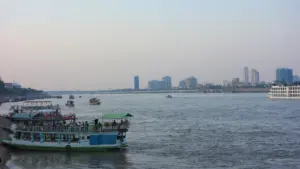
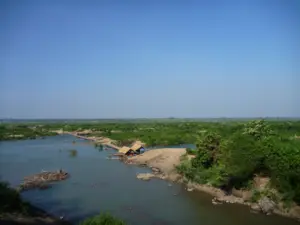
Prek Bang Kong is not a conventional cruise port with a terminal building or pier. Ships anchor mid-river and passengers tender ashore to a modest riverbank landing. The surrounding area is rural Cambodia — expect dirt tracks, stilt-house villages, rice paddies, and local markets rather than tourist infrastructure. It is an honest, unvarnished slice of Cambodian life.
This stop is almost exclusively served by premium river cruise lines — Uniworld, AmaWaterways, Viking, Scenic, Emerald, Avalon, Tauck, and Riviera Travel — as part of Mekong itineraries between Vietnam and Cambodia. The port functions primarily as a rural access point and, depending on your itinerary, may also serve as an approach to Phnom Penh, Cambodia's capital, roughly 25–35 kilometers away.
Go ashore if you want to see authentic Cambodian village life, cycle through rural lanes, or take an excursion into Phnom Penh. Stay on board if you have mobility limitations, are not interested in rural exploration, or have already seen Phnom Penh on a prior day of your itinerary. This is not a stop for casual strolling or independent shopping.
Is It Safe?
Cambodia is generally safe for cruise visitors, and the rural areas around Prek Bang Kong are low-risk for petty crime. The main practical risks are heat exhaustion and road safety. Cambodian roads have fast motorbikes, unpredictable traffic patterns, and limited pedestrian infrastructure — stay alert on any road crossing.
Unexploded ordnance (UXO) is a historical concern in rural Cambodia, but the areas used for cruise excursions are well-established and safe. Do not wander off marked paths in remote rural areas on your own. Keep a photocopy of your passport ashore, carry your ship's contact card, and make sure someone on board knows your rough plan if you go independent.
Accessibility & Walkability
Prek Bang Kong is a difficult port for travelers with mobility limitations. The tender process requires stepping between a moving boat and a dock or muddy bank, which is physically demanding. Once ashore, paths are often unpaved, uneven, and can be muddy during and after the wet season. Wheelchair access is effectively not available beyond the immediate landing area. If you have concerns, speak with your cruise line before the port day — some lines can arrange alternative arrangements or advise honestly on feasibility.
Outside the Terminal
There is no terminal. Once you step off the tender, you are on a riverbank with a rough path leading toward nearby village streets. Tuk-tuk drivers and sometimes bicycle vendors will be waiting. Expect heat immediately, especially between March and October. The surrounding area is quiet and unhurried — no aggressive touts, no souvenir walls, just rural Cambodia. It takes about five minutes walking to reach the first proper village lane.
Local Food & Drink
Options directly at the landing are minimal to nonexistent — this is not a developed tourist stop with cafes and restaurants waiting for cruise passengers. Village roadside stalls sell noodle soup (kuy teav), grilled meats, fresh fruit, and iced drinks at very low prices. Quality is inconsistent and food hygiene standards vary — if you have a sensitive stomach, stick to cooked-to-order items and sealed drinks.
Phnom Penh has proper restaurant options, from street food at riverside stalls to air-conditioned restaurants serving Khmer cuisine and international food along Sisowath Quay. If your excursion includes lunch in Phnom Penh, that is the most reliable meal of the day ashore. Most river cruise lines feed you well on board — there is no pressure to eat ashore if you would rather not.
Shopping
Do not come to Prek Bang Kong expecting serious shopping. Village markets sell everyday goods aimed at locals, not tourists. You might find handwoven textiles, krama scarves, or small local crafts if you look around. Prices are low and bargaining is normal but keep it friendly and proportionate. Phnom Penh has proper craft markets and reputable shops selling silk, silver jewelry, and Khmer art if shopping matters to you — that is where to spend your wallet, not at the riverbank.
Money & Currency
- Currency
- Cambodian Riel (KHR)
- USD Accepted?
- Yes
- Card Payments
- Very limited at local vendors and village markets. Card acceptance improves significantly in Phnom Penh.
- ATMs
- None at the landing area. ATMs are available in Phnom Penh. Withdraw before or in the city.
- Tipping
- Not formally expected but appreciated. $1-2 USD per tuk-tuk driver or guide is appropriate.
- Notes
- USD is widely used and preferred for tourist transactions in Cambodia. Carry small bills — $1, $5. Change is often given in Riel. Avoid large bills at small vendors.
Weather & Best Time
- Best months
- November to February — dry season, lower humidity, temperatures around 25-30°C (77-86°F)
- Avoid
- June to October — heavy monsoon rains, high humidity, muddy village paths make excursions uncomfortable
- Temperature
- 25-35°C (77-95°F) depending on month
- Notes
- Most Mekong river cruises operate during the dry season when water levels are appropriate for navigation. Heat is still significant even in peak season — hydrate, use sunscreen, and plan active excursions for morning hours.
Airport Information
- Airport
- Phnom Penh International Airport (PNH)
- Distance
- Approximately 30-45 km from the port area, depending on exact anchorage location
- Getting there
- Taxi or organized transfer through your cruise line. No public transport connects directly to the riverbank anchorage.
- Notes
- If your Mekong cruise ends near this port, your cruise line will arrange transfer logistics. Do not try to freelance this independently without confirmed transport and good local knowledge.
Getting Around from the Port
Tender to Shore
All passengers reach land via ship-operated tender boats from the anchorage. Your cruise line manages this — follow their schedule closely.
Tuk-Tuk
The most practical local transport once ashore. Drivers typically wait near the landing point. Good for village loops and short market runs.
Bicycle
Some cruise lines arrange bicycle hire or bring bikes ashore for rural cycling tours. Flat terrain makes this genuinely viable in cooler months.
Cruise Line Coach to Phnom Penh
The standard way to reach Phnom Penh. Organized transfers handle the logistics of Cambodia's chaotic roads and are the most time-efficient option.
Book bus ticketsDetails last checked April 2026
Planning a cruise here?
Uniworld, AmaWaterways, Scenic Cruises & more sail to Prek Bang Kong.
Practical Tips for Cruise Passengers
- Carry USD in small denominations — $1 and $5 bills handle nearly every transaction ashore without change problems.
- Dress for the heat and cover shoulders and knees if you plan to visit any pagoda or temple, even casually.
- If Phnom Penh is on your agenda, book your cruise line's excursion rather than going independent — traffic management alone makes it worth the price.
- Bring a reusable water bottle and fill it from your ship before tendering — bottled water ashore is available but always confirm it is sealed.
- Do not schedule yourself too tightly — tender queues at peak times can run 20-30 minutes each way and cut into your ashore time significantly.
- The Killing Fields (Choeung Ek) and Tuol Sleng Museum in Phnom Penh are historically important but emotionally heavy — decide in advance whether this is the right experience for your group and your day.
Frequently Asked Questions
Yes. Ships anchor mid-river and all passengers must take a tender boat to reach the shore. Your cruise line manages the tender schedule — follow their timings carefully to avoid missing the last boat back.
Technically yes, but it is not recommended without local knowledge and pre-arranged transport. The distance is 25-35 km and Cambodian traffic is unpredictable — your cruise line's organized transfer is safer and more time-efficient.
Yes — the immediate riverbank area offers a peaceful riverside walk and views of Mekong river traffic. A short walk into the nearest village takes under ten minutes and gives you an unfiltered look at local daily life.
Generally yes in terms of personal safety — the rural area is low-risk and Cambodians are welcoming. The main challenges are heat, language barriers, and unreliable transport logistics rather than any security concern.
Light, breathable clothing that covers shoulders and knees is strongly recommended — practical for the heat and respectful for any temple or village visit. Closed sandals or light sneakers beat flip-flops on unpaved village paths.
Find cruises to Prek Bang Kong, Cambodia
Compare sailings and book with no fees — best price guaranteed.
We may earn a commission when you book through our links, at no extra cost to you — it’s how we keep these guides free.
✉ Sailing to Prek Bang Kong? Get your port-day plan
Tell us your sail date and we’ll email you a short Prek Bang Kong plan about 60 days out — when the good excursions start selling out — plus a final checklist 2 weeks before. Two emails, then done. We’ll send one note to confirm it’s really you — unsubscribe anytime.
Asia
View All