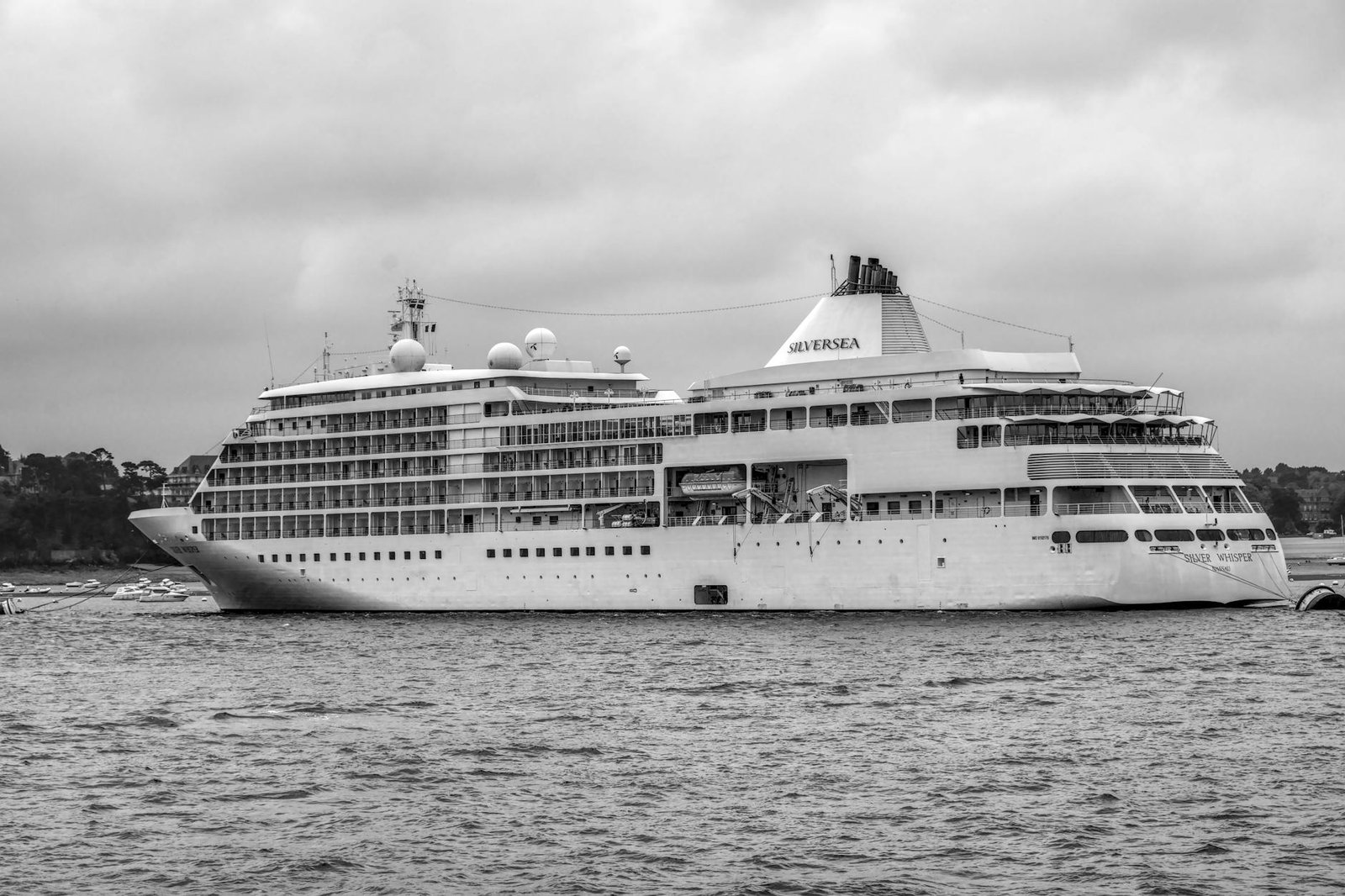
Libourne sits at the confluence of the Dordogne and Isle rivers, quietly outshining flashier French ports with medieval ramparts, world-class Bordeaux wines, and a market square that makes you want to cancel your next port and stay forever. Most cruise passengers overlook it — which is exactly why you shouldn’t.
Arriving by Ship
Libourne is a river port, so your ship docks directly along the quayside rather than requiring a tender. The historic town centre is a short five-minute walk from the dock, making it one of the most effortlessly accessible ports on any Bordeaux river cruise itinerary.
The riverside promenade itself is a pleasure to stroll, with views of the old stone bridge and the Dordogne stretching out behind you. You’re on French soil and into your first glass of Pomerol before most passengers have even finished breakfast.
Things to Do

Libourne punches well above its size. Between medieval architecture, prestigious wine estates, and the charming village of Saint-Émilion just 8km away, you could genuinely fill two days here — even though you likely only have one.
History & Architecture
- Tour du Grand-Port — This 14th-century tower is one of the last surviving gateways of Libourne’s medieval fortifications, free to view from the outside and dramatic against the riverside skyline.
- Place Abel Surchamp — The town’s grand arcaded square is modelled on Bordeaux’s Place des Quinconces and lined with cafés; it’s the social heart of Libourne and perfect for people-watching over an espresso.
- Libourne Tourist Office Walking Map — Pick up a free self-guided heritage trail map from the tourist office on Place Abel Surchamp to locate the medieval gates, old merchant houses, and riverside ramparts efficiently.
Wine & Estates
- Saint-Émilion Village — A UNESCO World Heritage wine village 8km away, reachable by taxi or local bus; allow at least two hours to explore the underground monolithic church and a Grand Cru tasting.
- Château Pétrus (exterior) — One of the world’s most expensive wines is produced just outside Libourne in Pomerol; while tours are private and invitation-only, driving past is a genuinely surreal wine-world pilgrimage.
- Wine tasting at Maison du Vin de Libourne — Located near the quay, this wine shop and tasting bar pours regional Bordeaux appellations from around €5 per glass, with knowledgeable staff who speak English.
Families & Outdoors
- Dordogne Riverside Walk — The tree-lined path along the Dordogne is flat, free, and ideal for families; walk north past the old bridge for the best views of the town’s medieval silhouette.
- Cycling to the Vineyards — Rent a bike from local hire points near the port for around €15–20 per day and pedal directly into Pomerol or Fronsac wine country within 20 minutes.
What to Eat
The Libournais region is a carnivore’s dream — think duck, lamb, and river fish — paired with Bordeaux’s greatest reds at prices you won’t find in Paris. The market and surrounding bistros reward hungry passengers who skip the ship’s buffet.
- Entrecôte Bordelaise — A ribeye steak finished with the region’s classic shallot-and-red-wine sauce; try it at Brasserie l’Esplanade near the market square for around €18–24.
- Canelés — Caramelised, custardy Bordeaux pastries with a chewy crust; grab them fresh from the morning market or a local bakery for €1–2 each.
- Foie Gras — Served as a starter throughout local restaurants; expect to pay €12–18 for a quality portion with brioche toast and fig chutney.
- Lamproie à la Bordelaise — A regional speciality of sea lamprey braised in red wine; adventurous eaters should seek it at traditional bistros, particularly in spring when it’s freshest, around €20–25.
- Local Oysters with Sauternes — The Dordogne estuary feeds into the Atlantic oyster beds; order a half-dozen with a glass of sweet Sauternes at riverside seafood bars for around €14–18 combined.
Shopping

Libourne’s Saturday morning market on Place Abel Surchamp is one of the best in the Gironde — packed with local cheeses, charcuterie, honey, and seasonal produce that make excellent edible souvenirs. Arrive early; the best stalls sell out before 11am.
For bottles to take home, the Maison du Vin near the quay and several independent wine merchants offer properly packaged Pomerol, Saint-Émilion, and Fronsac at fair prices. Skip the generic Bordeaux sold in tourist-facing shops and ask specifically for appellation wines from the Libournais.
Practical Tips
- Currency — France uses the euro; most establishments accept cards, but carry €20–30 cash for markets and smaller cafés.
- Tipping — Not mandatory in France; rounding up or leaving €1–2 for sit-down meals is appreciated but never expected.
- Getting to Saint-Émilion — A taxi costs roughly €15–20 each way; agree the price before you get in and ask your driver to return at a set time.
- Best time ashore — Go early to catch the market (Saturday only) or immediately after docking to maximise time in Saint-Émilion before afternoon crowds arrive.
- Language — Basic French phrases go a long way; English is spoken at wine estates and tourist offices but less reliably in smaller restaurants.
- Time needed — Allow at least five hours to do Libourne town justice; six to seven hours if you’re adding Saint-Émilion.
- Safety — Libourne is a safe, low-crime market town; standard urban awareness is all you need.
Pack a small cooler bag, a corkscrew, and an appetite — Libourne is the kind of port that turns a one-day stop into a lifelong love affair with Bordeaux wine country.
🎟️ Things to Book in Advance
These highly-rated experiences fill up fast — book before you arrive to avoid missing out.


This page contains affiliate links. If you book through them, we may earn a small commission at no extra cost to you.
📍 Getting to Libourne, France
Use the interactive map below to explore the port area and plan your route from the terminal.
Leave a Reply